

In the early morning in Mu Cang Chai commune, mist still lingers on the terraced rice fields, and the winding concrete road around the mountainside is already bustling with people and vehicles. Giang A Chu from Hang Phu Loa village stops his motorbike by the roadside, pointing down the slope below, where there used to be a slippery path whenever it rained.
"Before, going to the market took a whole morning, and it was almost impossible when it rained. Now that there's a concrete road, motorbikes and cars can reach the village, agricultural products are sold more easily, and people's lives are less difficult," Mr. Chu shared.
The road where Mr. Chu is standing is not just a transportation route, but a landmark of change. From narrow, rocky slopes, the rural road system has now expanded, extending to every village and hamlet, opening the door to development.
Mr. Chu's story is also the shared story of many people here. When the road opened, opportunities arose. Trucks carrying goods and tourist groups began to flock to Hang Phu Loa more frequently.
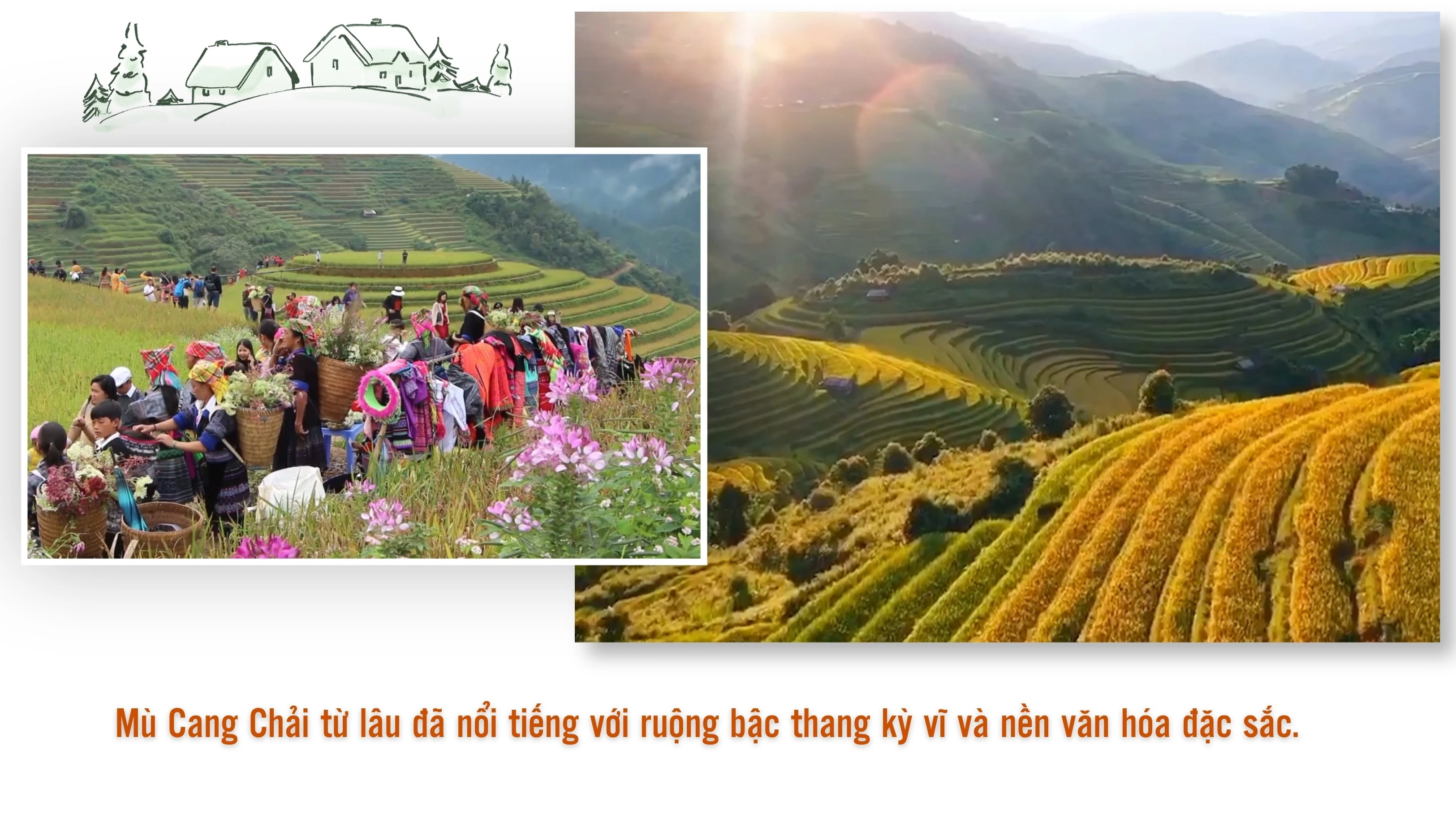
Mu Cang Chai, a region with over 87% ethnic minority population, has long been famous for its magnificent terraced rice fields and unique culture. However, only in recent years has this area truly "awakened" on the tourism map. By 2025, the locality is expected to welcome approximately 117,000 tourists, generating revenue exceeding 123 billion VND.
Looking down from the commune headquarters at the gradually improving roads, Mr. Tran Ngoc Hiep - Deputy Secretary of the Party Committee and Chairman of the People's Committee of Mu Cang Chai commune - said: "To date, about 70% of the total more than 100 km of rural roads in the commune have been paved. In the coming time, we will continue to mobilize resources to complete the infrastructure, expand the space for tourism development, and make the villages and hamlets more spacious and livable."
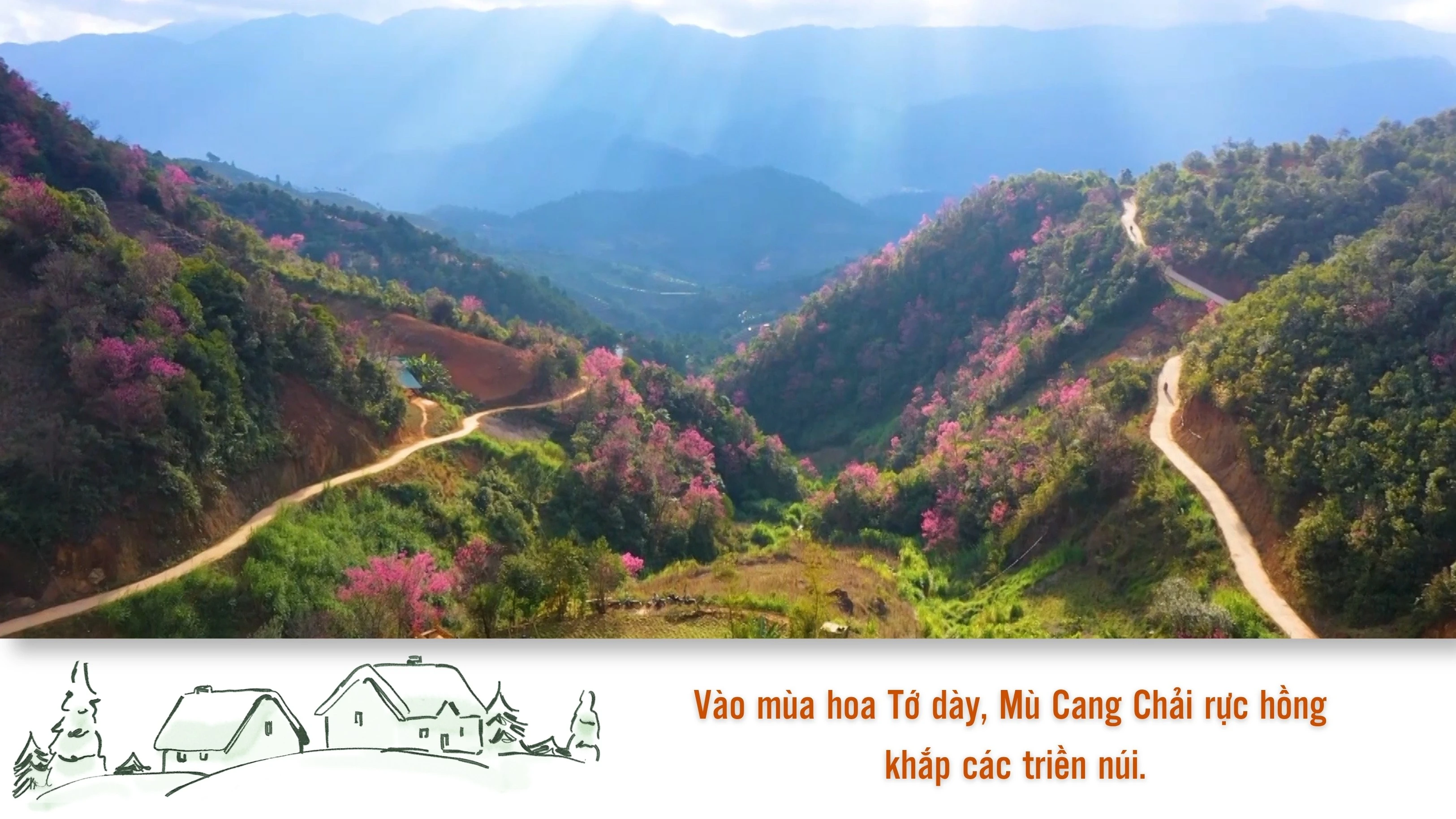
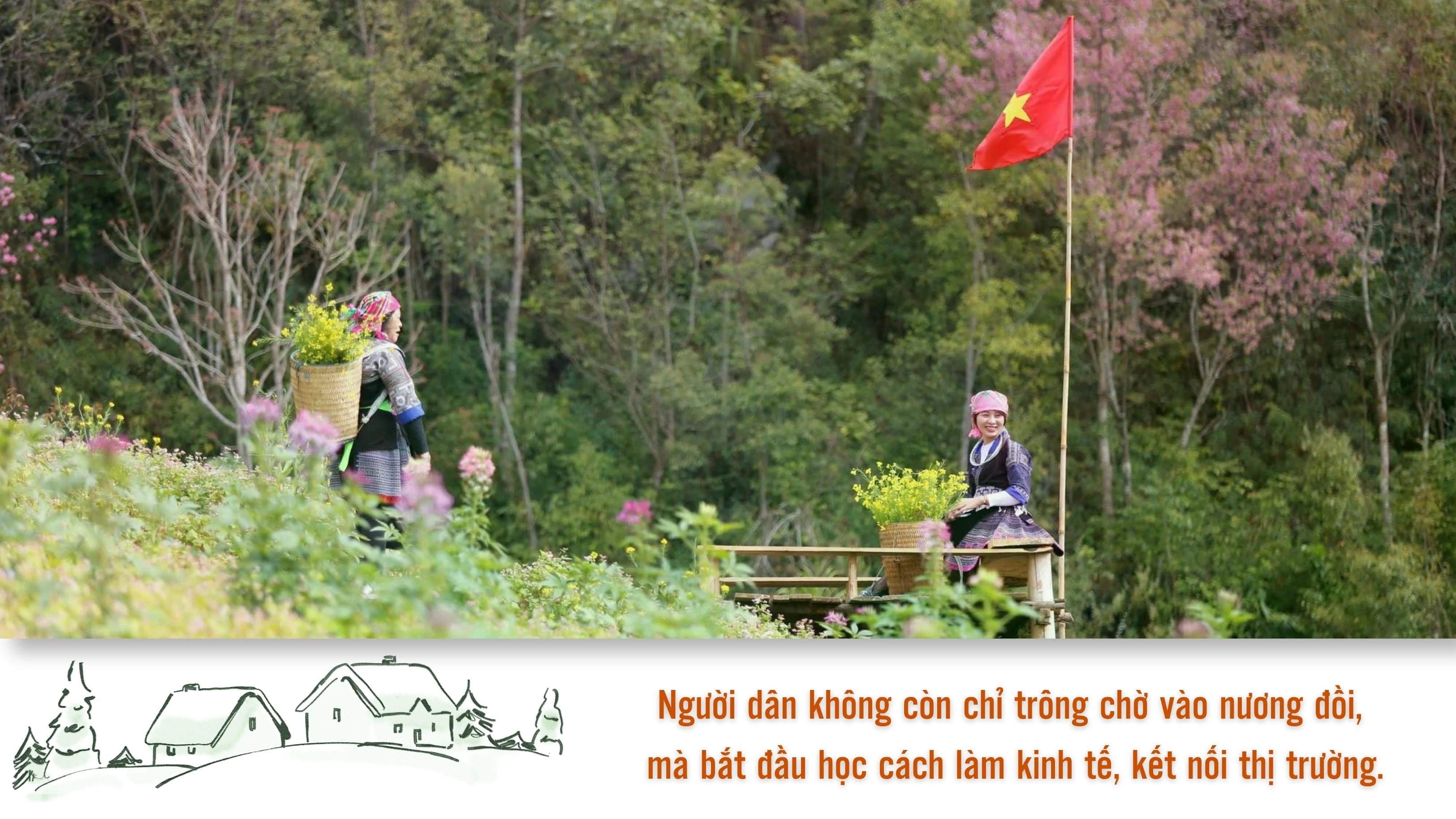
Transportation infrastructure is only one part of the picture of change. With the arrival of electricity and internet access, life in the villages and hamlets is transforming in a different way. People are no longer solely dependent on farming, but are beginning to learn how to develop their economy and connect with the market.
With smartphones, people have learned to record videos , take photos, and post them on social media to showcase the beauty of their hometowns, promote homestays, and local agricultural products. Online markets and orders placed through social media have also become commonplace, opening up additional effective sales channels.
Ms. Lu Thi Mu, head of the brocade weaving cooperative in De Thang village, Mu Cang Chai commune, said: “Previously, our brocade products were mainly sold at the local market or when tourists visited the village. Now, we know how to use our phones to take photos and videos and post them on social media. Many customers from far away also know about our products and order online, so we sell more and our income is more stable.”
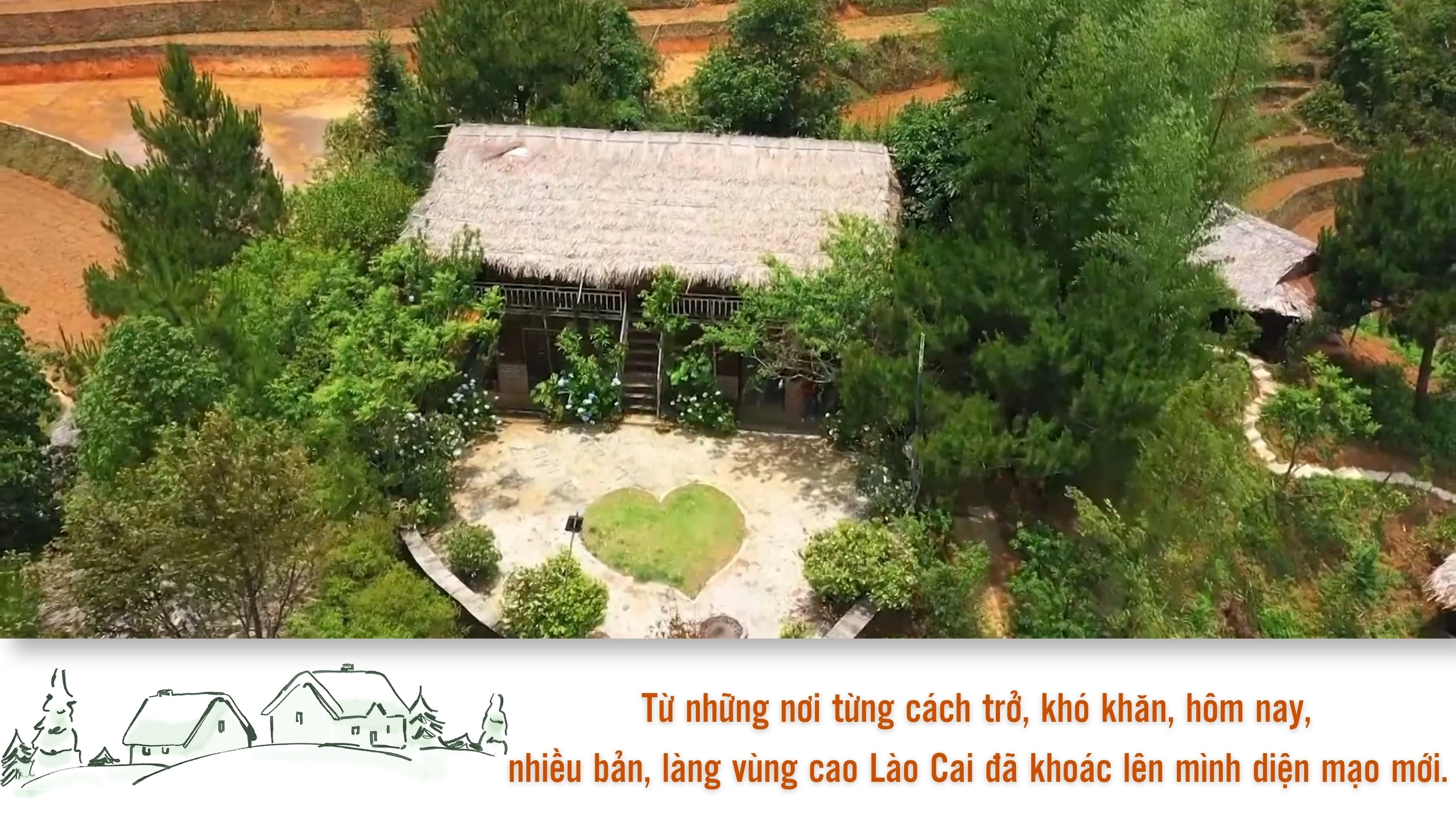
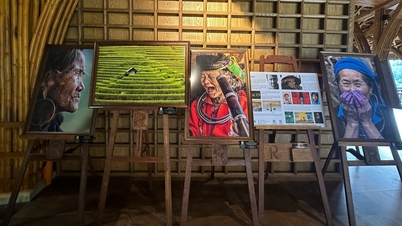
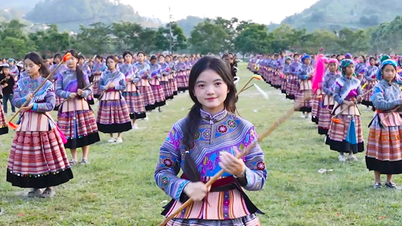
In a corner of La Pán Tẩn village, Giàng A Dê's wooden stilt house in Púng Luông commune, which serves as a community tourism destination, is always bustling with visitors. The host is busy preparing meals while also taking the opportunity to introduce tourists to the terraced rice farming methods and the customs that have been associated with the Hmong people for generations.
Mr. De happily shared: “Our people are very happy farming now. Partly to get food, but mostly to preserve the landscape for tourists to visit and enjoy. Income from hosting guests, leading tours, or renting out traditional clothing is much higher than farming!”
Such models are becoming increasingly common. From cultivating medicinal herbs, temperate vegetables and fruits to raising livestock for commercial purposes, and even running homestays… all of these are creating a new way of life. People are no longer just "working to make ends meet" but are now thinking about "working to get rich."
Visitors to this area are no longer just passersby. They stay, experience the place, and take with them stories about this rustic yet culturally rich land. Some return, others recommend it to friends, and so, the highland villages gradually become familiar destinations.
Ms. Ngo Thanh Ha, a tourist from Hanoi, couldn't hide her emotions as she gazed at the terraced rice fields winding like "golden waves" across the mountains: "This is my first time visiting Mu Cang Chai and I'm truly impressed. The scenery here is both majestic and gentle, with the terraced rice fields stretching endlessly like golden waves. Not only is it beautiful, but I also feel the peace and simplicity in the lives of the local people. The roads are also much more convenient now, making community tourism experiences easier and more fulfilling."
David Miller, a tourist from England, shared: “I stayed in a Hmong village for a few days and it was a truly special experience. The people here are very friendly; they welcomed me like family. I cooked with them, worked in the fields, and learned about their traditional culture. Life was simple but very warm and close to nature.”
From once remote and difficult areas, many villages in the highlands of Lao Cai have now transformed. Village roads are clean and beautiful, houses are spacious, and the material and spiritual lives of the people are constantly improving.
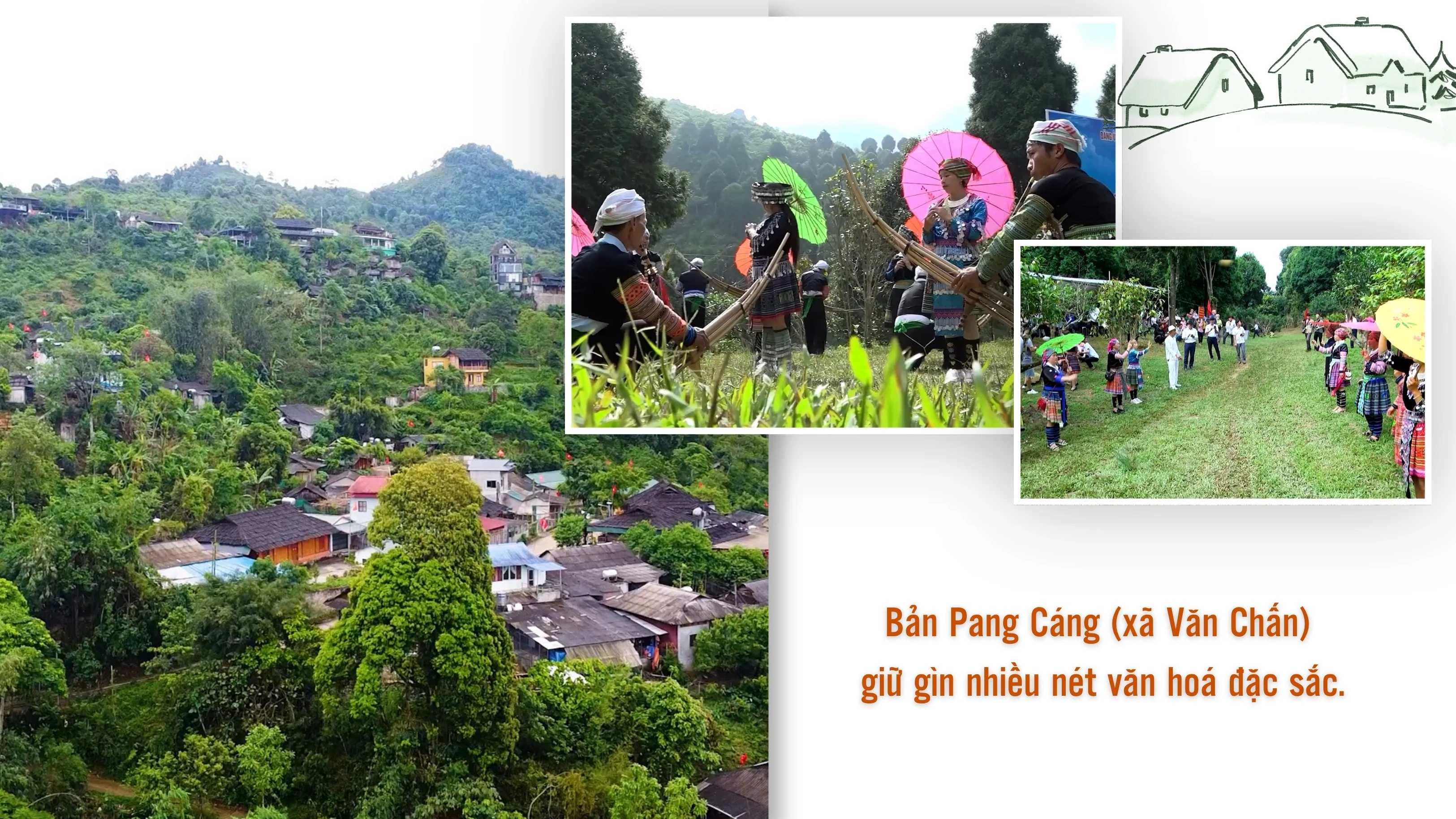
The roads that have been opened are the starting point for a journey of change in the villages. Above all, it is the consensus of the people, the innovation in thinking and doing, and the aspiration to improve. Along the winding roads through the mountains and forests, livable villages are gradually emerging – places where people not only stay but also want to live long-term, building a sustainable future right in their homeland.
Presented by: Thanh Ba
Source: https://baolaocai.vn/nhung-ban-lang-dang-song-post899590.html






























































Comment (0)