

Cold and rainy weather is detrimental to children's health. Due to their weak immune systems, children are easily susceptible to viral and bacterial infections. Therefore, parents need to pay special attention to their children's health to detect any abnormalities early, receive timely treatment, and avoid serious complications.
Children are susceptible to the flu.
Influenza is a viral respiratory infection that is highly contagious. During cold weather, children are more susceptible to the flu because the virus survives longer in cold environments, and cold air weakens the immune response of the nasal mucosa. Their immature immune systems, the habit of touching their faces, and close contact with sick people in enclosed spaces also increase the risk of infection.
Common symptoms include:
- High fever
- Cough
- Runny nose, nasal congestion
- Muscle aches and fatigue
- Mild conjunctivitis (red eyes, itching)
- It may be accompanied by vomiting or diarrhea.
Prevention: Parents should keep children warm, maintain personal hygiene, ensure good nutrition, and get them vaccinated against the flu annually. Limit children's contact with sick people and avoid giving them cold food to reduce the risk of infection.
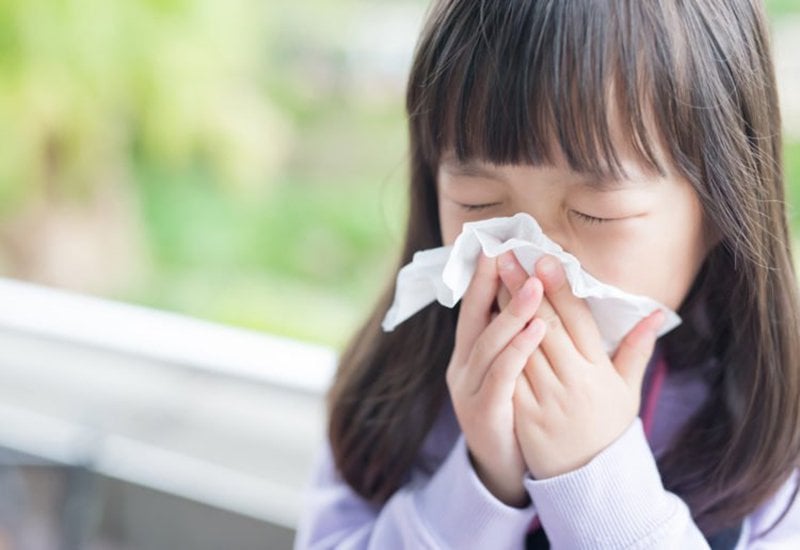
Influenza is a viral respiratory infection that spreads easily among children during the cold season.
Bronchiolitis
Bronchiolitis often increases during the cold season due to the proliferation of viruses, especially respiratory syncytial virus (RSV). The disease begins with cold-like symptoms such as a runny nose and cough, but can quickly worsen with wheezing, stridor, and shortness of breath due to inflammation, swelling, and obstruction of the bronchioles by mucus.
This disease is common in children under 2 years old (especially 2-6 months) and can cause dangerous complications if not treated promptly.
Prevention: Parents should clean their children's ears, nose, and throat daily with saline solution, keep them warm, ensure a clean living environment, and avoid exposing them to cigarette smoke and germs. Infants should be exclusively breastfed until 12 months of age. Take your child to the hospital immediately if they show signs such as difficulty breathing, poor feeding, cyanosis, or if they are under 3 months old, premature, have congenital heart or lung disease, or are immunocompromised.
Diarrhea
Viral diarrhea, primarily caused by Rotavirus, is a common illness in children during the winter months. The illness typically lasts 3 to 7 days and is most common in children aged 3-24 months.
When a child has diarrhea, parents should consult a doctor. Do not force the child to eat excessively; instead, ensure the child drinks enough fluids and use oral rehydration solution (ORS) to replenish fluids and electrolytes. If the child has a high fever, bloody or mucousy stools, or complains of severe abdominal pain, they should be taken to the doctor immediately.
Allergic rhinitis
Allergic rhinitis is a common disease in children during the winter months. If left untreated, it can easily recur and may lead to complications such as pneumonia, otitis media, and sinusitis.
This condition occurs when the nasal mucosa becomes inflamed due to exposure to allergens. When the body encounters an allergen, histamine is released, causing swelling, itching, and excessive nasal discharge. Cold weather, air pollution, and a weakened immune system increase the risk of developing this condition.
Symptoms include sneezing, itchy nose, runny nose, excessive crying (especially at night), and can develop into sinusitis or pharyngitis if not treated properly.
Prevention and treatment: Parents should keep the nose, neck, and head warm; limit children from picking or rubbing their noses when cold. Ensure adequate nutrition from meat, fish, eggs, beans, and vegetables to help children recover quickly. For children with a fever above 38°C, cool compresses should be used to reduce the fever, and medication should be given as prescribed by a doctor. When children have rhinitis, 0.9% physiological saline solution can be instilled 3-4 times a day until the runny nose stops.
How can we prevent illnesses during the cold season?
To help children effectively prevent illness during the cold season, parents should note the following:
- Keep the child warm.
- Wash your hands frequently with soap and clean water.
- Get vaccinated against influenza and other necessary vaccines as recommended.
- Increase the intake of healthy foods and ensure your child drinks enough water.
- Ensure your child gets enough rest.
- Keep children home when they show signs of illness to avoid spreading the virus.
Source: https://suckhoedoisong.vn/nhung-benh-tre-de-mac-trong-mua-lanh-va-cach-phong-tranh-169251119145201438.htm

![[Photo] General Secretary and President To Lam presides over a meeting with the Central Organizing Committee.](https://vphoto.vietnam.vn/thumb/1200x675/vietnam/resource/IMAGE/2026/06/03/1780482764658_a1-bnd-4741-3342-jpg.webp)
![[Photo] Secretary of the National Assembly Party Committee, Chairman of the National Assembly presides over the meeting of the Standing Committee and Executive Committee of the National Assembly Party Committee.](https://vphoto.vietnam.vn/thumb/1200x675/vietnam/resource/IMAGE/2026/06/03/1780480353201_ndo_br_bnd-2585-jpg.webp)




















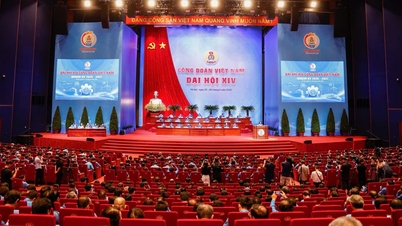
![[Photo] First session of the 14th Congress of the Vietnam Trade Union](https://vphoto.vietnam.vn/thumb/1200x675/vietnam/resource/IMAGE/2026/06/03/1780465947883_ndo_br_img-3852-jpg.webp)


























![[Video] Sunset at Lap An Lagoon – Where the sun sets over the fishing nets](https://vphoto.vietnam.vn/thumb/1200x675/vietnam/resource/IMAGE/2026/05/31/1780192137701_beach-landscape-sea-water-nature-grass-745871-pxhere-com.jpeg)
































Comment (0)