

Numbness in the hand can be a sign of stroke if it appears suddenly, on one side of the body, and is accompanied by symptoms such as weakness, paralysis, drooping mouth, difficulty speaking, or altered consciousness. However, this condition can also be caused by nerve compression, cervical spine degeneration, or micronutrient deficiencies. If the numbness in the hand progresses rapidly or is accompanied by abnormal neurological signs, the patient should seek medical attention promptly to rule out the risk of stroke.
Signs of hand numbness that may indicate a stroke require attention.
Numbness in the hand can be an early sign of stroke if accompanied by abnormal neurological symptoms. Patients should pay particular attention if numbness appears suddenly on one side of the body, accompanied by weakness or paralysis of the limbs, drooping mouth, difficulty speaking, dizziness, loss of balance, or altered consciousness. These are all warning signs of brain damage and require immediate emergency treatment to reduce the risk of dangerous complications.
What should you do if you suspect hand numbness is due to a stroke?
When numbness in the hand is accompanied by signs of a possible stroke, the patient needs prompt treatment to reduce the risk of brain damage. Pay attention to symptoms such as drooping mouth, weakness or paralysis on one side of the body, difficulty speaking, dizziness, or altered consciousness, and call emergency services immediately. While waiting for medical assistance, the patient should be placed in a side-lying position with their head slightly elevated, their breathing monitored, and no food, drink, or medication should be given without medical supervision. Even if the symptoms are transient and disappear, the patient should still seek medical attention as this could be a warning sign of a future stroke.
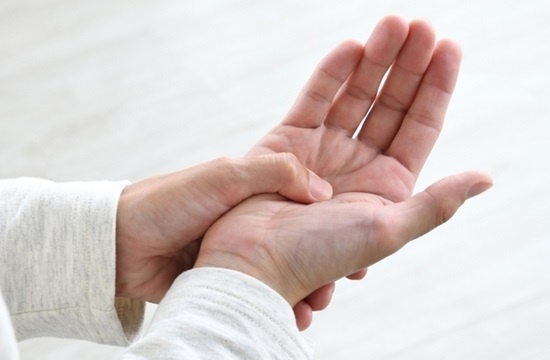 |
Numbness in the hands can be an early sign of stroke if accompanied by other abnormal neurological symptoms. |
Certain medical conditions that cause numbness in the hands are linked to an increased risk of stroke.
Numbness in the hands can stem from a variety of medical conditions. Some conditions not only damage nerves but also increase the risk of stroke if left uncontrolled.
Carpal tunnel syndrome
Carpal tunnel syndrome occurs when the median nerve is compressed at the wrist, causing numbness, pain, or tingling in the hand and fingers. It is common in people who use their wrists constantly, such as office workers.
Although primarily musculoskeletal disorders, prolonged inflammation and metabolic disturbances can affect the cardiovascular system, thereby increasing the risk of stroke.
Peripheral neuropathy
This condition involves damage to nerves outside the brain and spinal cord, causing numbness, pain, or muscle weakness in the arms and legs. It commonly occurs in people with diabetes or high blood pressure—leading risk factors for stroke.
Therefore, numbness in the hands in this case is not just a simple neurological disorder, but also a warning sign of vascular health.
Diabetes
Diabetes is a chronic disease that causes persistently high blood sugar levels. When blood sugar is not controlled, blood vessels and nerves are damaged, leading to numbness and tingling in the hands and feet. In addition, diabetes increases the risk of atherosclerosis and blood clot formation, significantly increasing the likelihood of stroke.
Multiple sclerosis
Multiple sclerosis is a chronic autoimmune disease in which the immune system attacks the myelin sheath that protects nerve fibers. This disrupts nerve conduction, manifesting as numbness, muscle weakness, or difficulty moving. The prolonged inflammation in multiple sclerosis can also increase the risk of cardiovascular disease and stroke.
Vitamin B12 deficiency
Vitamin B12 plays a crucial role in the nervous system and blood formation. A deficiency in this vitamin can lead to numbness and tingling in the hands and feet, reduced sensation, or muscle weakness. If prolonged, vitamin B12 deficiency can not only damage nerves but also affect the cardiovascular system, increasing the risk of stroke.
Hypothyroidism
Hypothyroidism occurs when the thyroid gland is underactive, not producing enough hormones needed by the body. Patients often experience fatigue, weight gain, dry skin, and numbness in the hands. In the long term, hypothyroidism can lead to dyslipidemia, increased cholesterol, and high blood pressure – significant risk factors for stroke.
When is early stroke screening necessary?
Stroke screening helps detect risks early and prevent dangerous complications. People should proactively get checked if they experience symptoms such as numbness in the hands, weakness on one side of the body, difficulty speaking, dizziness; have underlying conditions such as hypertension, diabetes, or cardiovascular disease; have a family history of stroke; maintain an unhealthy lifestyle; or if they are over 40 and experience persistent, unexplained numbness in their hands.
Source: https://znews.vn/nhung-dau-hieu-te-tay-canh-bao-dot-quy-post1655732.html

![[Image] Hanoi Police officially crowned champions of V-League 2025/2026](https://vphoto.vietnam.vn/thumb/1200x675/vietnam/resource/IMAGE/2026/05/31/1780244769054_ndo_br_039d561b692be875b13a-jpg.webp)
![[Photo] The General Secretary, President and his wife begin their state visit to the Philippines.](https://vphoto.vietnam.vn/thumb/1200x675/vietnam/resource/IMAGE/2026/05/31/1780230559452_anh-man-hinh-2026-05-31-luc-19-28-11.png)
![[Photo] Solemn bathing ceremony and Buddha procession in Hue](https://vphoto.vietnam.vn/thumb/1200x675/vietnam/resource/IMAGE/2026/05/31/1780228263543_1-jpg.webp)
![[Photo] Admire the coral "masterpiece" amidst the million-year-old heritage of Dak Lak province.](https://vphoto.vietnam.vn/thumb/1200x675/vietnam/resource/IMAGE/2026/05/31/1780221235105_anh-man-hinh-2026-05-31-luc-16-53-27.png)














![[Video] Sunset at Lap An Lagoon – Where the sun sets over the fishing nets](https://vphoto.vietnam.vn/thumb/340x192/vietnam/resource/IMAGE/2026/05/31/1780192137701_beach-landscape-sea-water-nature-grass-745871-pxhere-com.jpeg)








































![[Photo] Admire the coral "masterpiece" amidst the million-year-old heritage of Dak Lak province.](https://vphoto.vietnam.vn/thumb/402x226/vietnam/resource/IMAGE/2026/05/31/1780221235105_anh-man-hinh-2026-05-31-luc-16-53-27.png)



































Comment (0)