Familiar images of the Northern Vietnamese countryside.
Báo Dân trí•14/04/2024
(Dan Tri Newspaper) - The villages in Northern Vietnam, with their distinctive architectural structures, spaces, and layouts, have always been familiar images deeply imprinted in our minds.
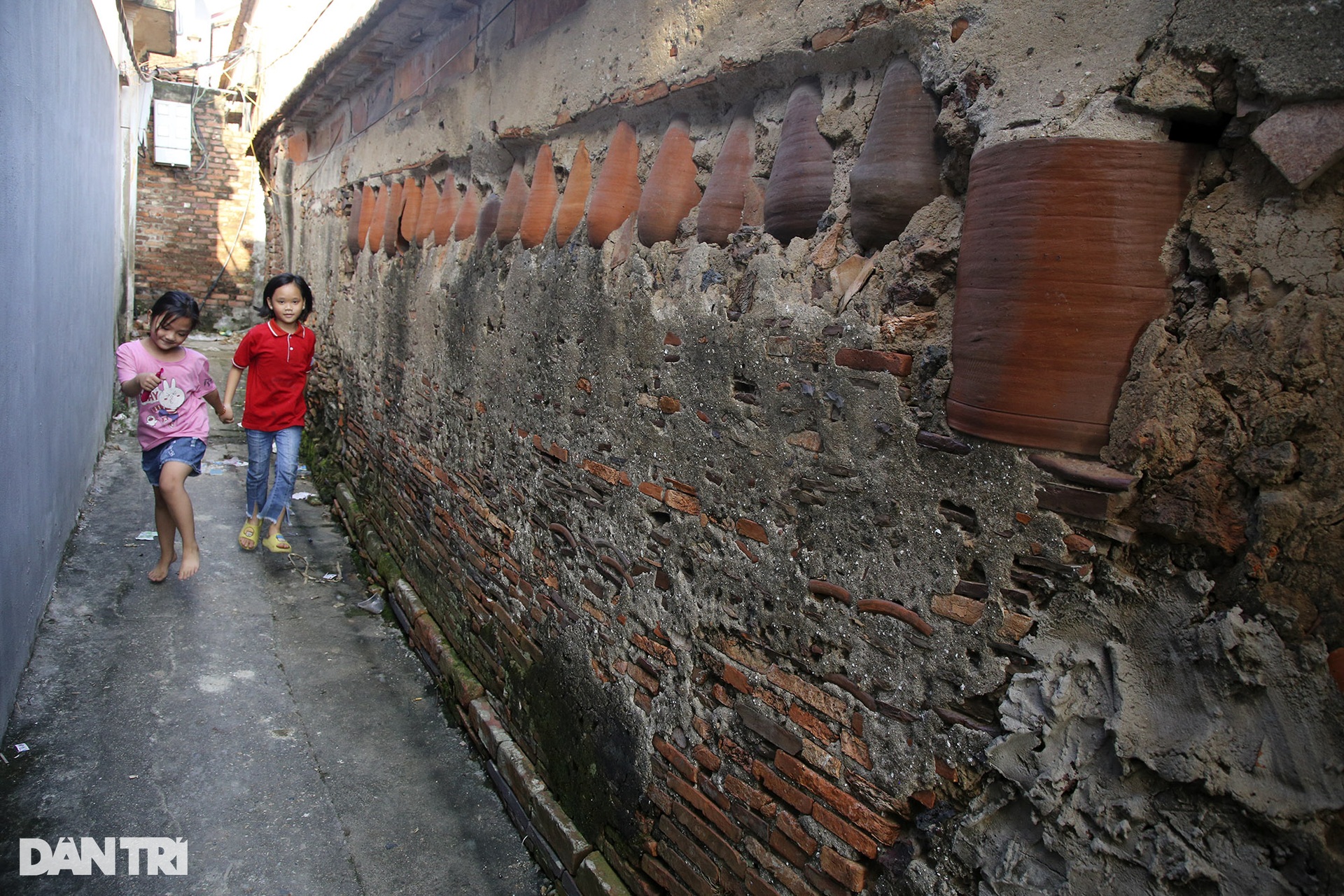
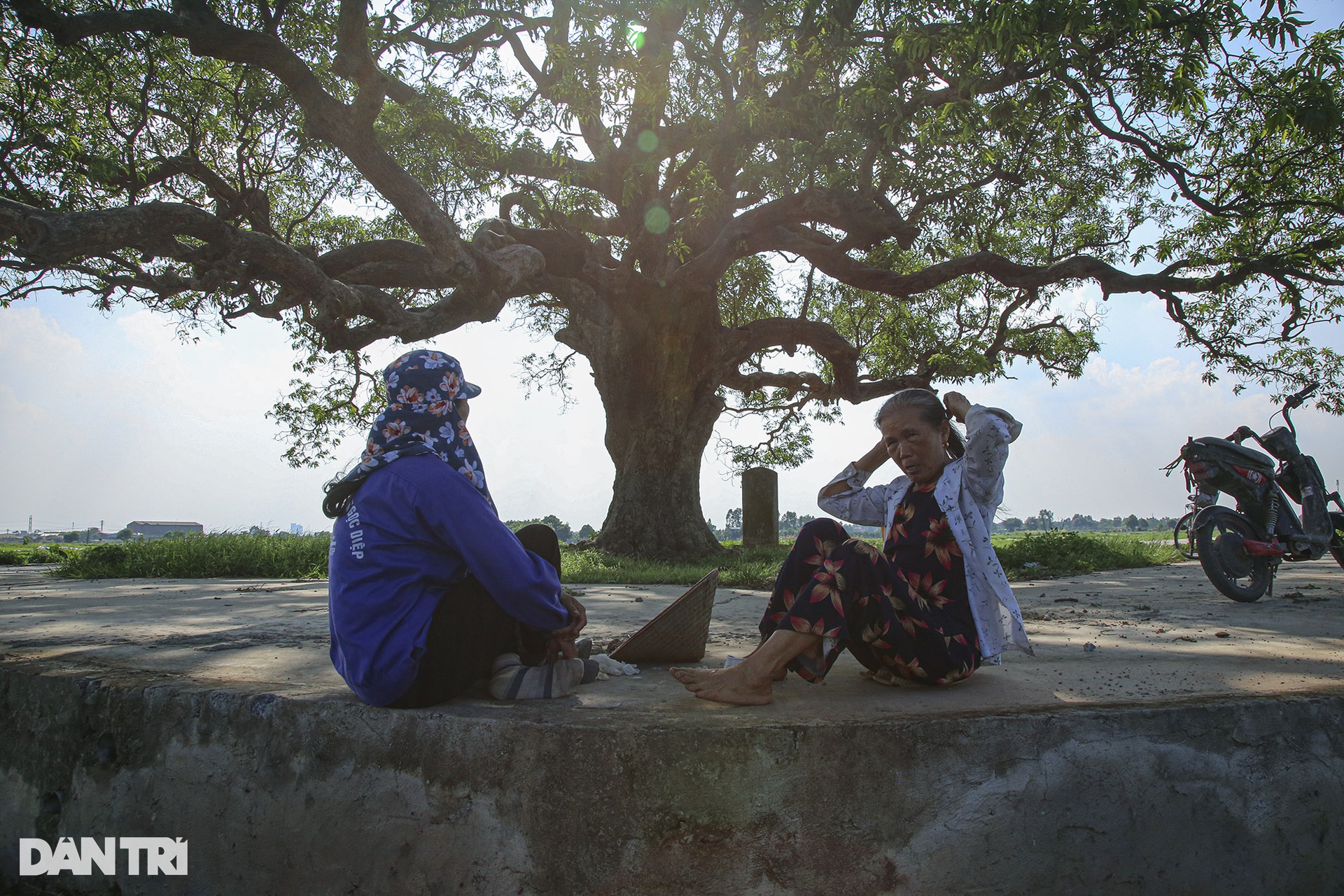
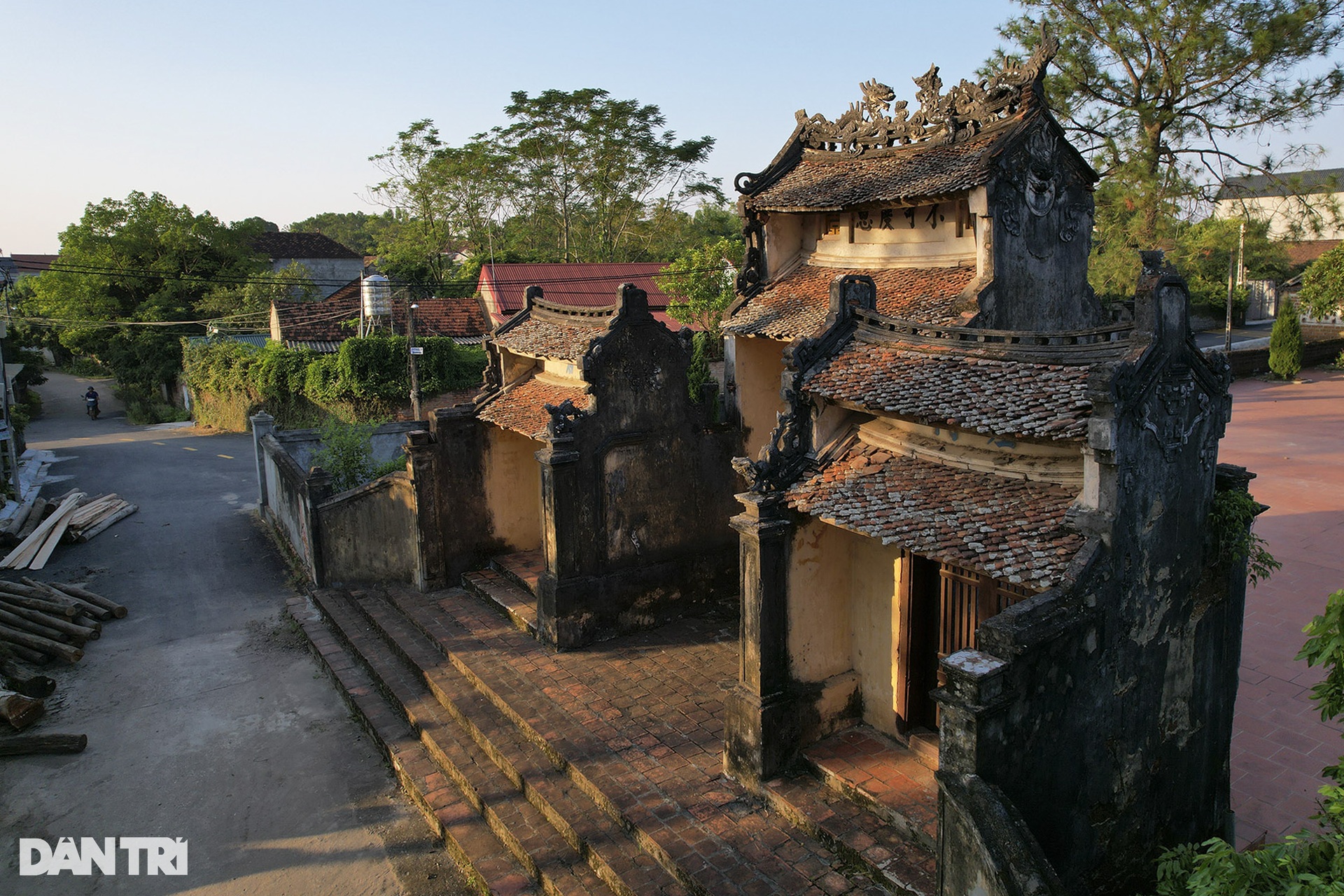
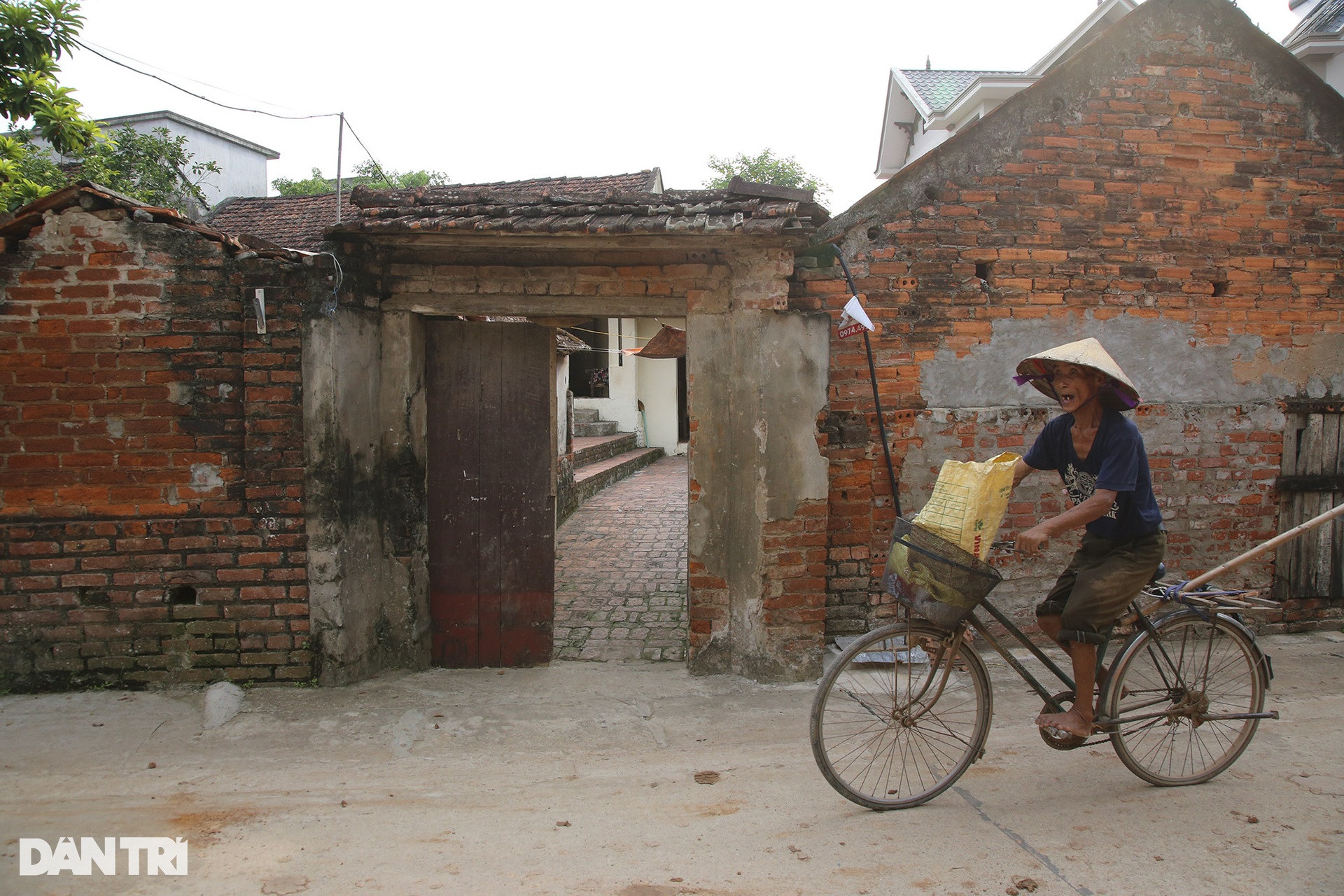
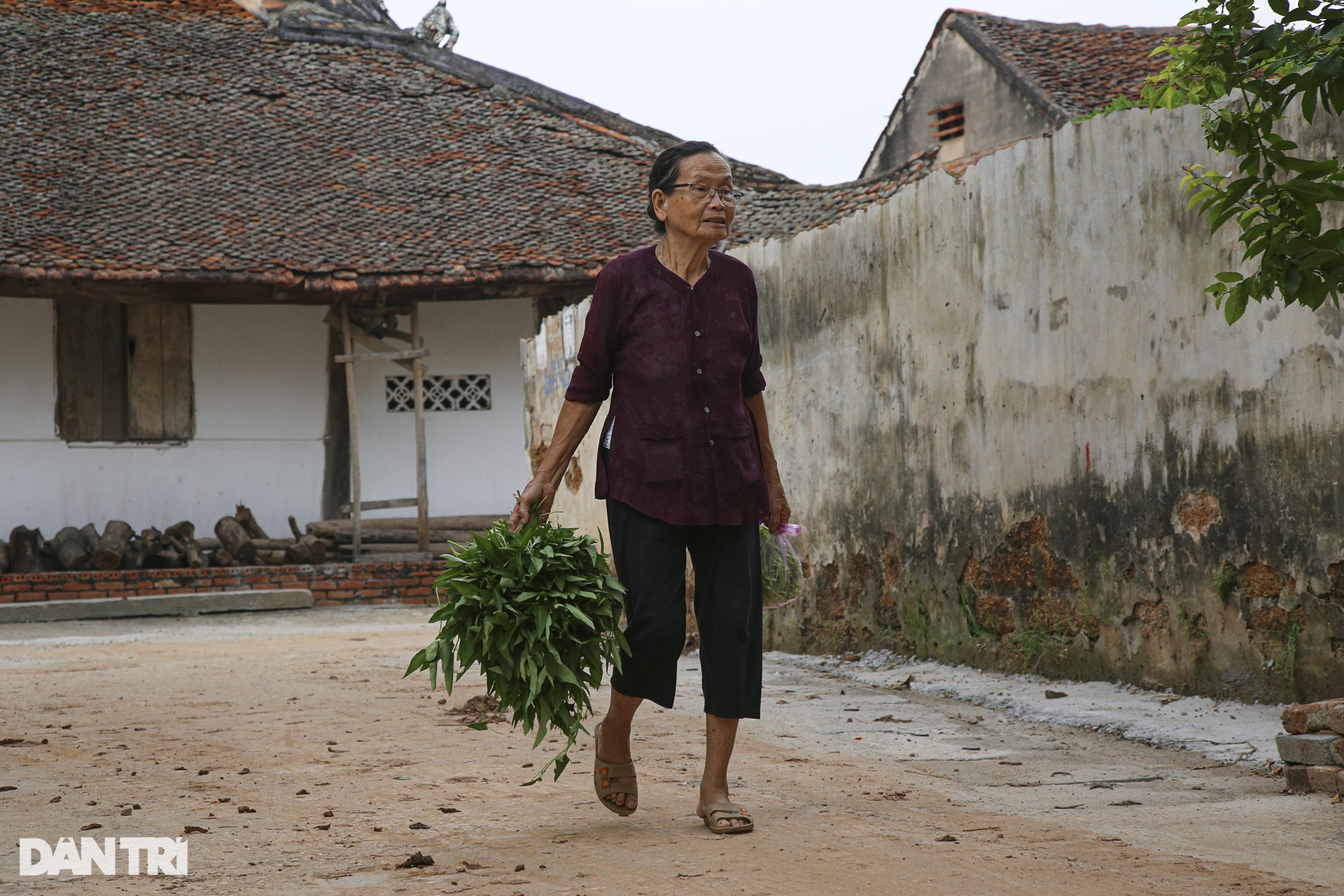
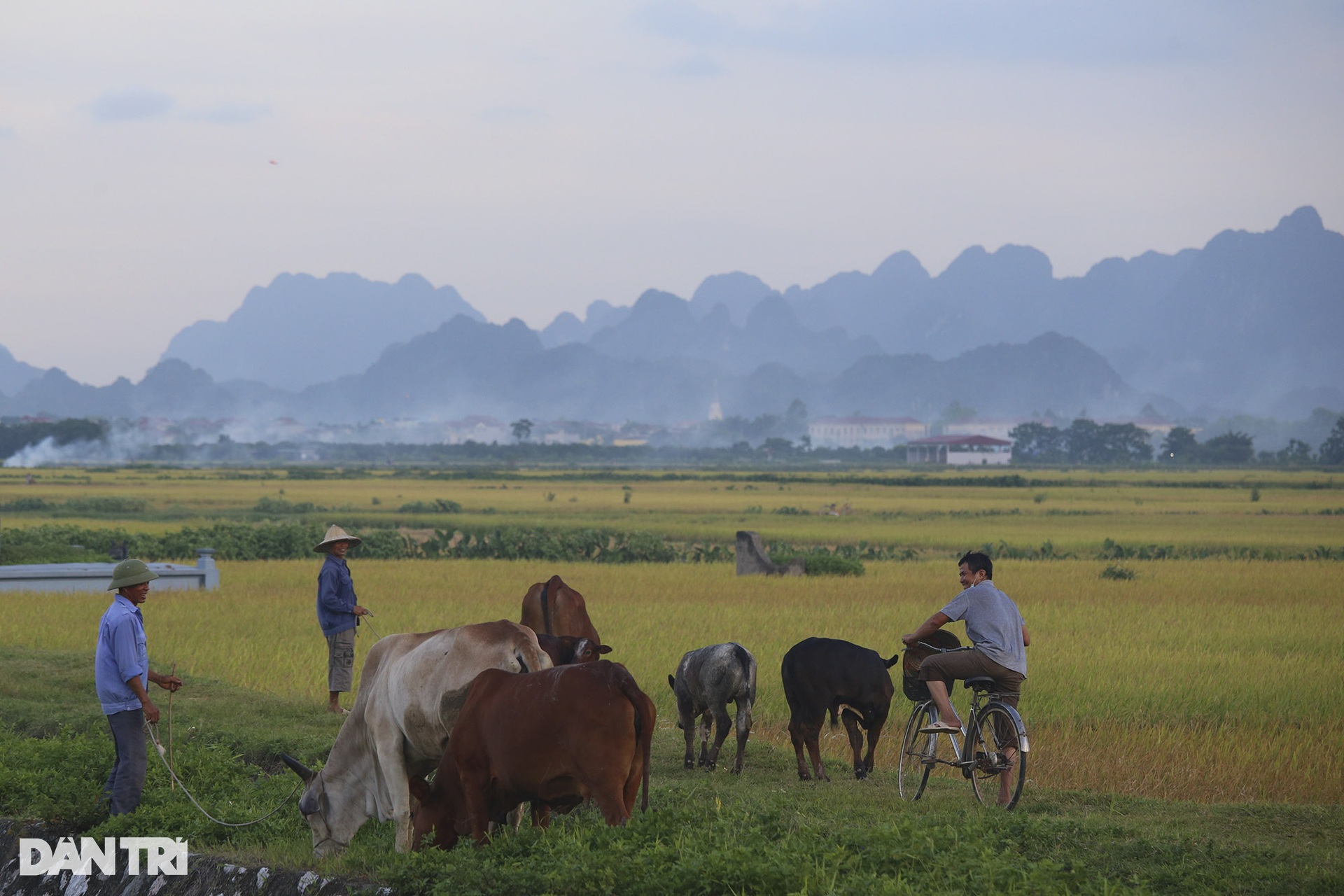
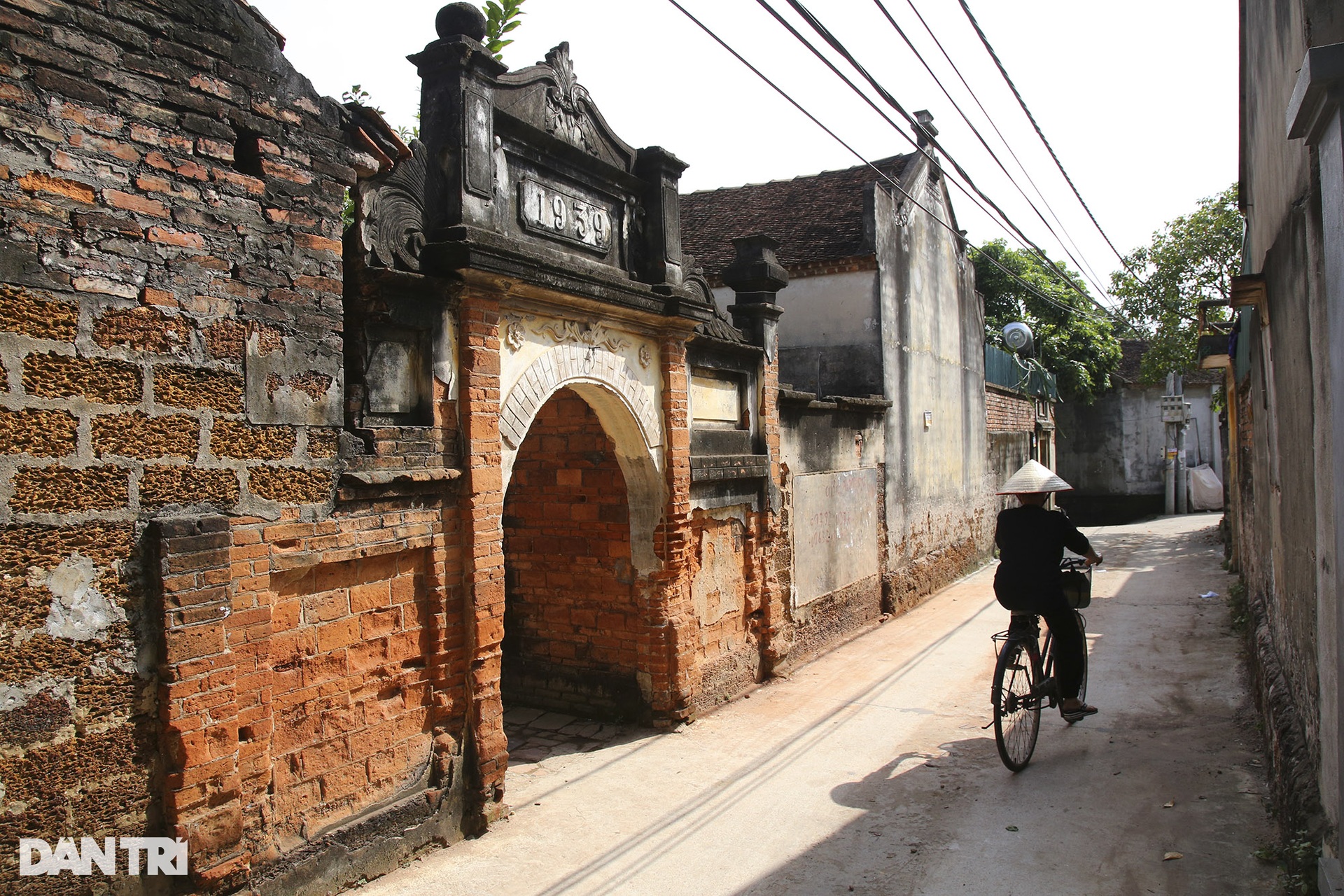
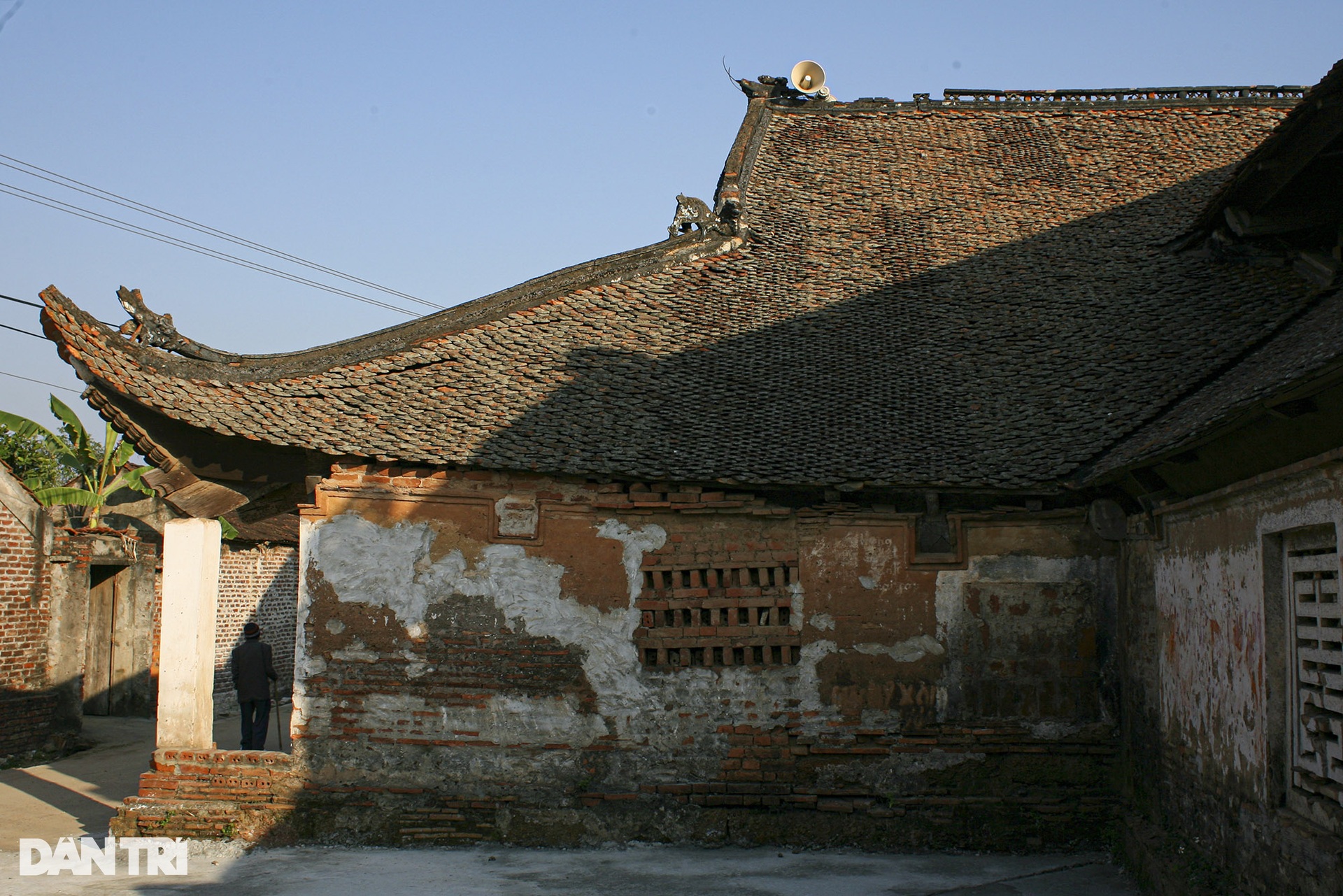
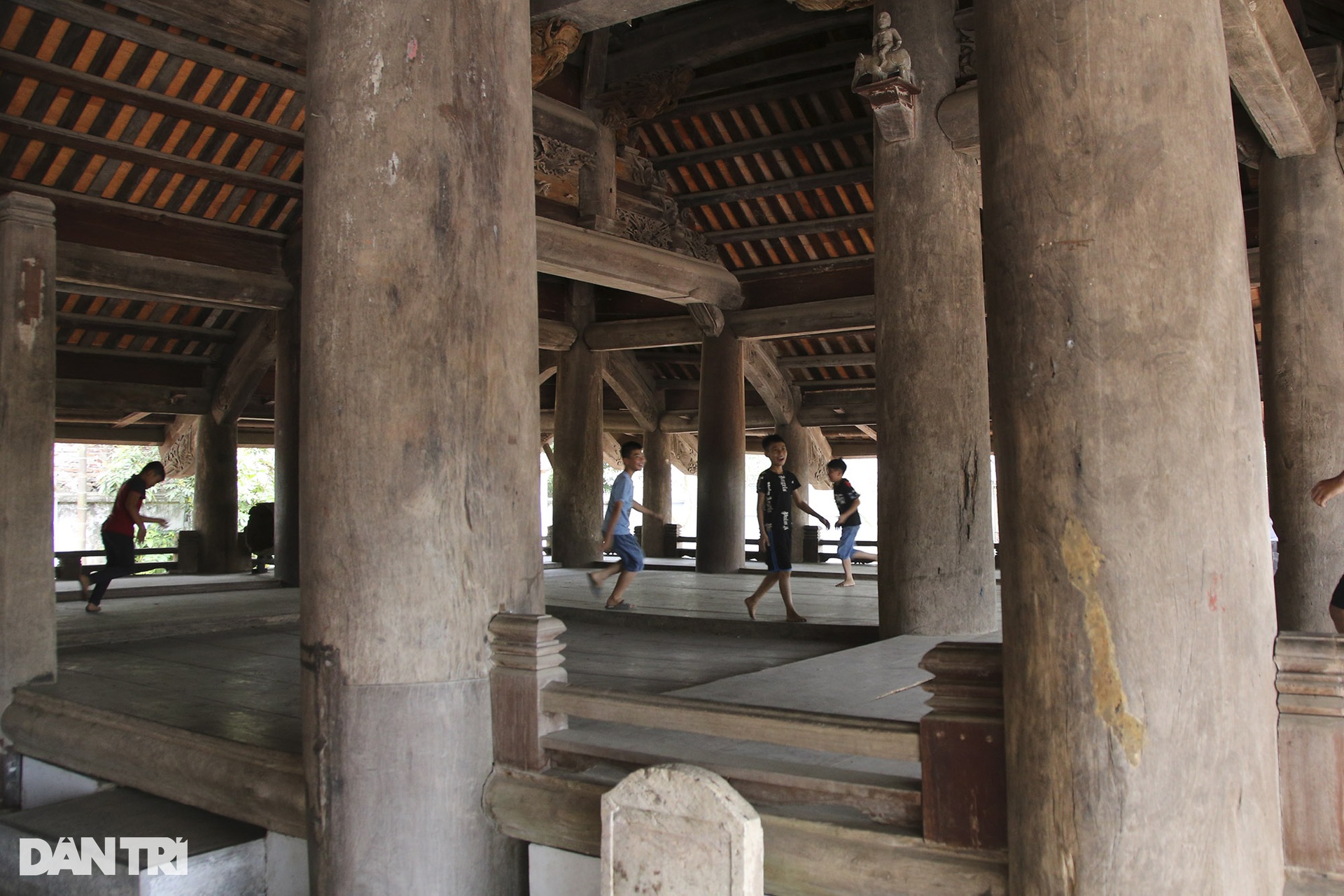
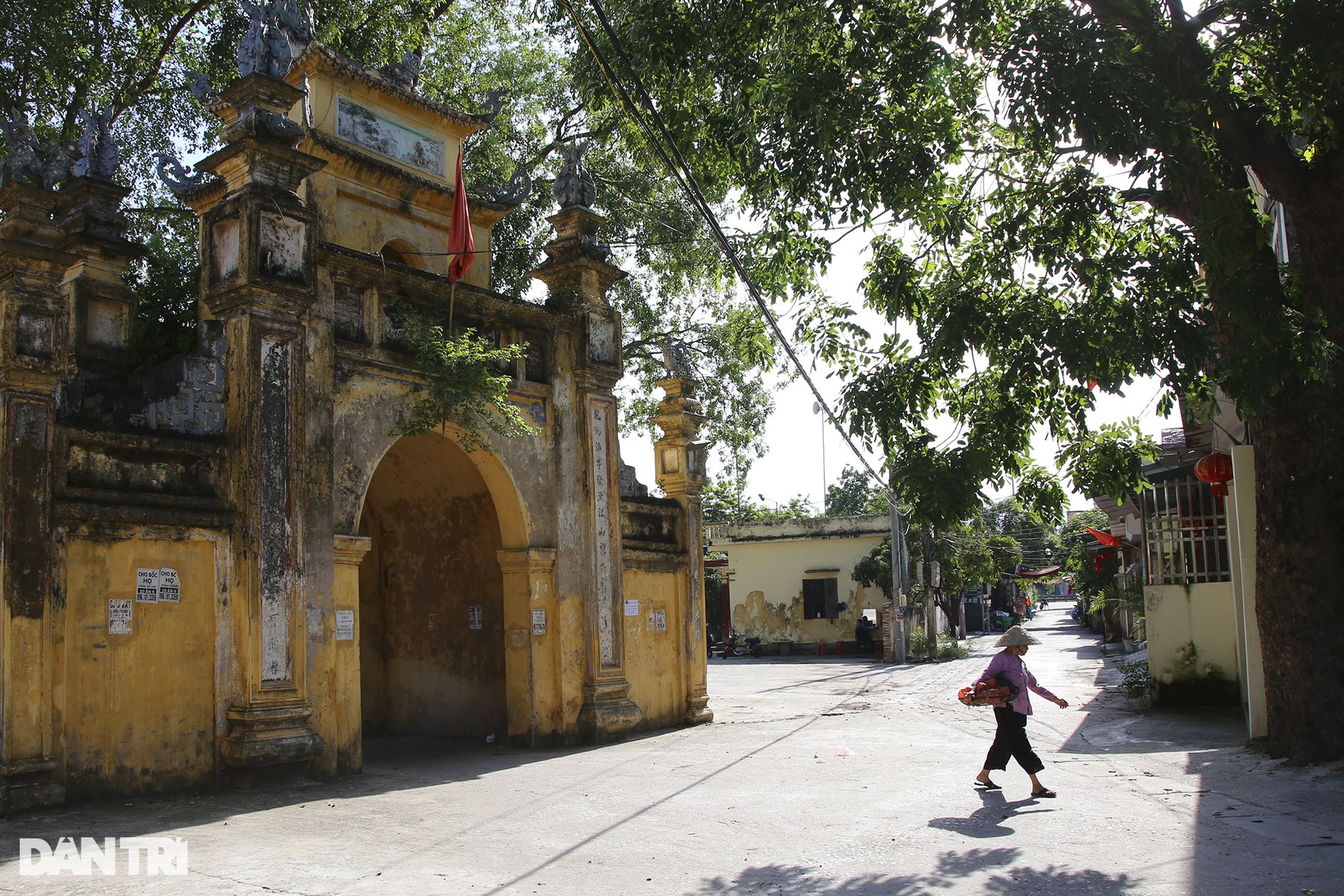
The countryside is the cradle that has shaped, developed, nurtured, and passed down Vietnamese cultural values for thousands of years. In rural areas, the dike becomes a cultural hub, a place to relax, graze buffalo, fly kites... and a repository of childhood memories. The photo shows the afternoon on the Huu Chap dike along the Cau River ( Bac Ninh ). Crossing the river from Bac Ninh, you reach Bac Giang province. Both regions still preserve many unique and long-standing traditional craft villages. The image shows a ceramic wall from the Tho Ha pottery village (Bac Giang). Ancient trees in the fields often serve as shelters, resting places, and conversation spots for rural people after finishing their work. In the photo, people from Song Lieu commune (Thuan Thanh district, Bac Ninh province) are resting under the shade of a centuries-old muỗm tree. Typical architectural structures of Northern Vietnamese villages include communal houses and pagodas, harmoniously integrated into the landscape of banyan trees, riverside docks, village courtyards, dikes, village markets, and shops at the village entrance. The image shows the village of Phu Huu (Phu Son, Ba Vi, Hanoi ). The wall bears the marks of time in the ancient village of Cam Thuong commune (Ba Vi district, Hanoi). The elderly people go to the afternoon market, a typical scene of people in Northern Vietnam in Cam Thuong. This image depicts familiar scenes of daily life in the rural fields of Northern Vietnam. The photo was taken in the fields of Van Kim commune (My Duc district, Hanoi). The ancient village of Yen Truong (Chuong My, Hanoi) is famous for its centuries-old houses. Market days are a unique and typical activity of rural Vietnam. Markets are places for buying and selling, and for people to meet and socialize, creating a distinct culture for each region. The photo shows the famous Nua market in Thach That district (Hanoi). A peaceful, old-world setting in Ba Vi district (Hanoi). In the religious culture of the inhabitants of the Northern Delta, the village communal house is not only a spiritual place but also a repository of historical, cultural, and religious values. Pictured is Chu Quyen communal house, a beautifully designed communal house typical of the Ba Vi region. One afternoon during the harvest season in the fields of My Duc district (Hanoi). Village gates are also a characteristic architectural feature of Northern Vietnamese villages. Many ancient village gates are still preserved around Hanoi, even though the villages have changed. The photo shows the gate of Khoai Cau village in Thuong Tin, Hanoi. A tranquil scene on a summer afternoon by the lotus pond in Tien Phuong commune (Chuong My district, Hanoi). The rice straw broom was also a familiar object to rural people in Northern Vietnam in the past, made from rice stalks, then braided into brooms that cleaned very effectively.






 Báo Dân trí•14/04/2024










![[Photo] Prime Minister Pham Minh Chinh presides over a meeting on private sector economic development.](/_next/image?url=https%3A%2F%2Fvphoto.vietnam.vn%2Fthumb%2F1200x675%2Fvietnam%2Fresource%2FIMAGE%2F2025%2F12%2F20%2F1766237501876_thiet-ke-chua-co-ten-40-png.webp&w=3840&q=75)
























































Comment (0)