

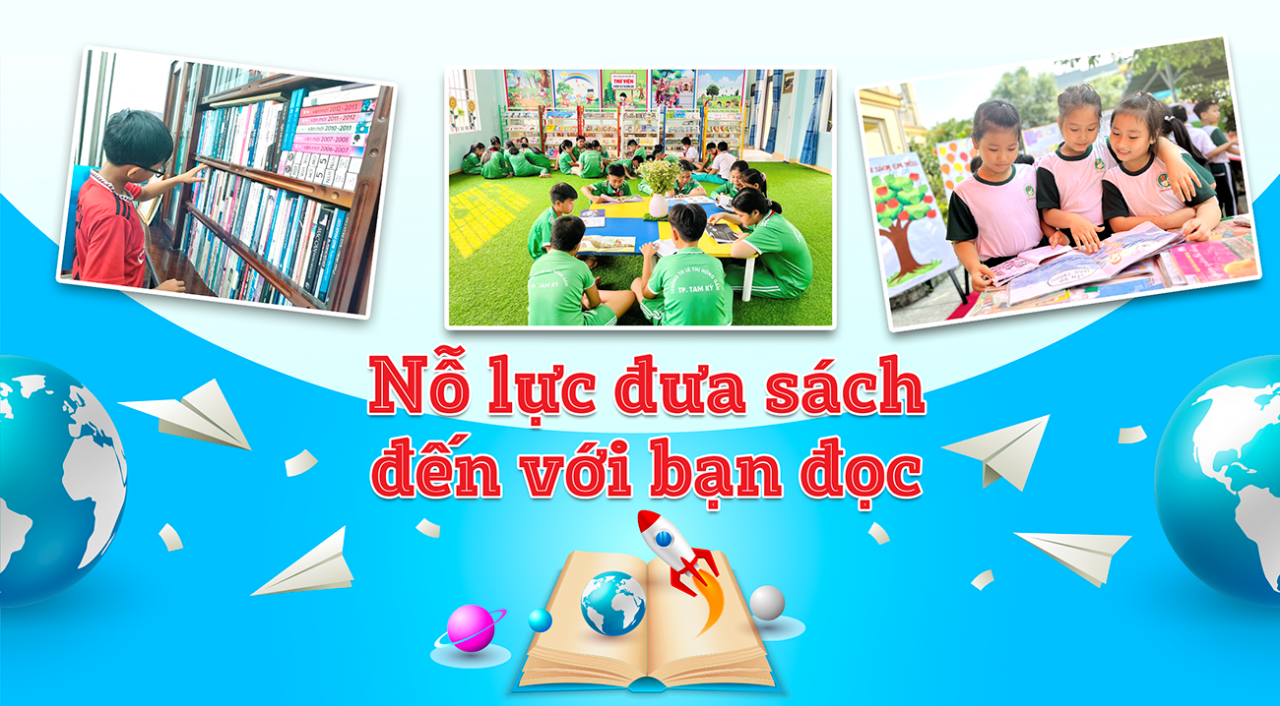
(QNO) - The current book publishing situation faces numerous difficulties regarding distribution, competition between print and online books, and between genuine and counterfeit books. This significantly impacts publishing activities; however, the publishing industry still has prospects as those involved and those at the industry level strive to bring books to readers…

Currently, the country has 57 publishing houses under 53 governing bodies and approximately 150 private book companies.
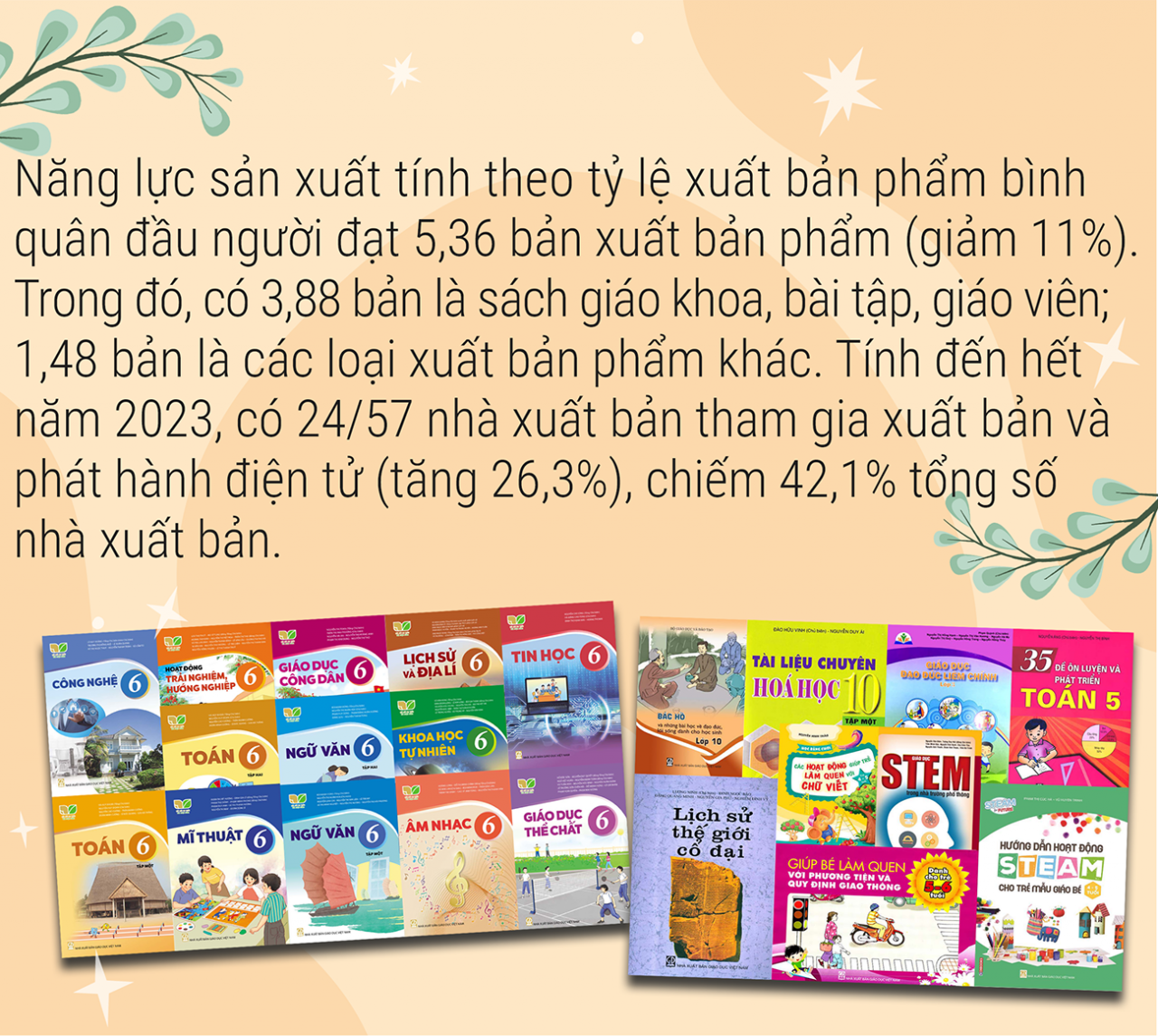
In 2023, the total number of publications submitted for copyright registration exceeded 536 million copies (a decrease of 10.5%); of which printed books accounted for nearly 461 million copies (a decrease of 14.6%); and electronic publications accounted for approximately 36 million copies (an increase of 11%).

Total revenue for the publishing industry reached over 4,105 billion VND (an increase of 4.98%), and after-tax profit reached over 450 billion VND (an increase of 8.4%). While overall industry revenue increased slightly, book titles and copies – key indicators of the industry – decreased. Of the total revenue of over 4,105 billion VND, the Vietnam Education Publishing House (from textbooks and supplementary reference books) accounted for 2,654 billion VND.
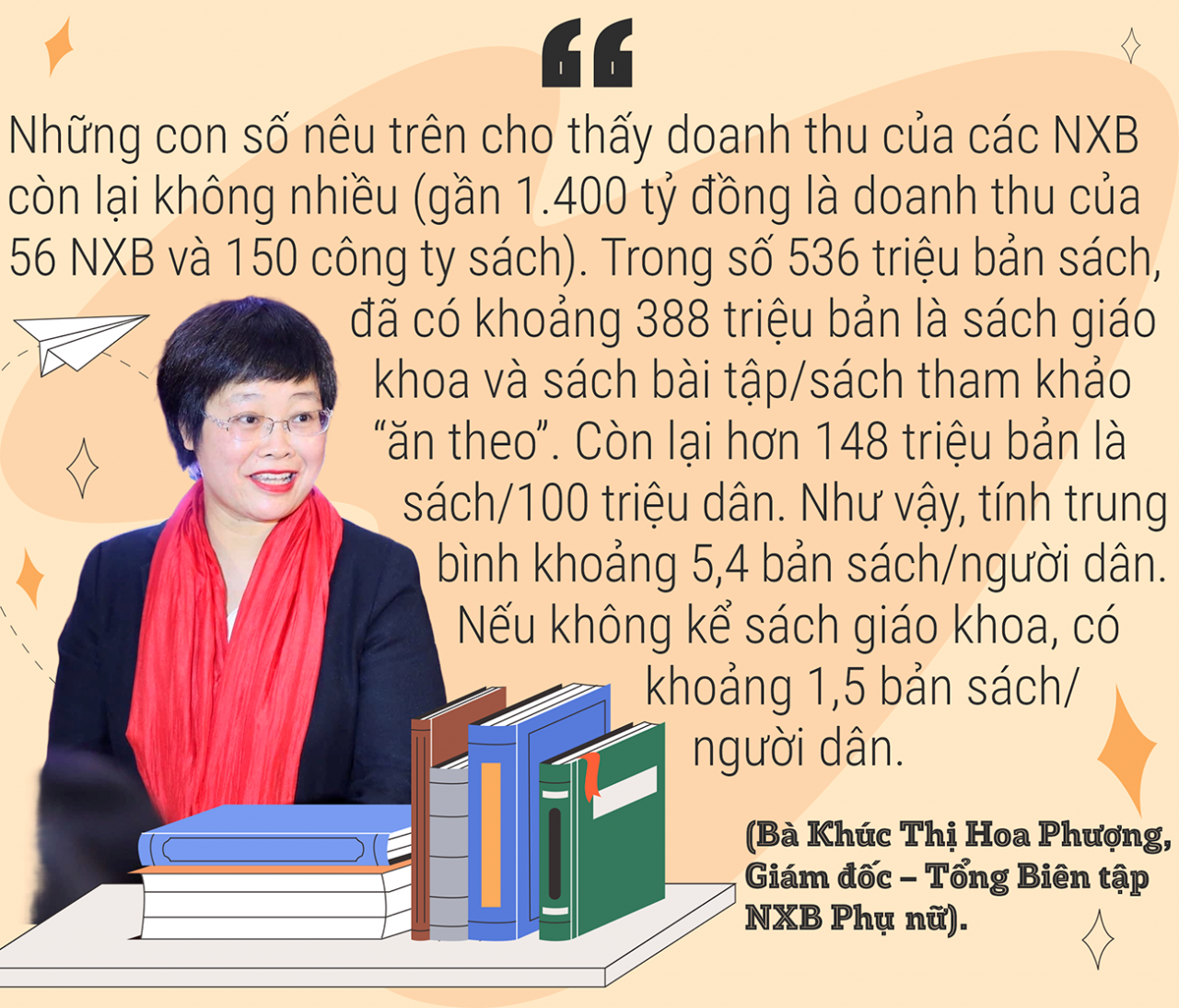


Ms. Khuc Thi Hoa Phuong stated that the publishing industry has not yet truly recovered after the COVID-19 pandemic. Given the general difficulties of the global and Vietnamese economies , the publishing industry is not expected to experience a significant surge in growth in 2024.
Currently, the global distribution of online publications (ebooks, audiobooks) is approximately 50-50. In Vietnam, there are 4,600 e-books (ebooks/audiobooks, etc.), accounting for 15.3% of total publications. Audiobooks are consumed more than ebooks. However, revenue from e-books remains relatively low.

According to Ms. Hoa Phuong, physical bookstores are facing difficulties due to low profit margins and rising rents. Meanwhile, book sales through e-commerce channels and through KOLs (influencers)/social media are increasing. This forces the publishing industry to adapt to digital transformation and modernize its distribution channels. However, the publishing industry is struggling with digital transformation due to limited resources.”
The problem of book piracy exists in two environments: illegal printing of physical books and online. Currently, many publishers and book companies have books being pirated, but detecting and dealing with it is very difficult. Not only does book piracy affect the revenue and profits of publishers, but it also erodes reader trust and damages the reputation of publishers and book companies. Solving this problem requires the involvement of multiple relevant agencies.

Those working in the publishing industry hope that books in particular and the publishing industry in general will have more opportunities to develop strongly in the future with the promulgation of many policies encouraging people to read. This includes the government's decision to organize Vietnam Book and Reading Culture Day, digital transformation plans for the publishing and library sectors; directives from the government and the Ministry of Education and Training on organizing Book and Reading Culture Day, incorporating books into the curriculum by allocating reading time/lessons with many creative approaches; increased awareness among the public and community about the role of books in life; and especially the publishing industry's development strategy towards modernization, striving to catch up with the global publishing landscape.
Annually, the Quang Nam Provincial Library adds over 172,000 books and 140 types of newspapers and magazines each quarter. Each year, the provincial library issues and renews an average of 270 reader cards, serving approximately 30,500 readers and circulating 106 books and newspapers. The Quang Nam Provincial Library always focuses on innovating its activities, employing many new and attractive approaches to engage readers of all ages, such as organizing competitions to promote and introduce books and newspapers; and writing and drawing competitions on topics and content found in books.

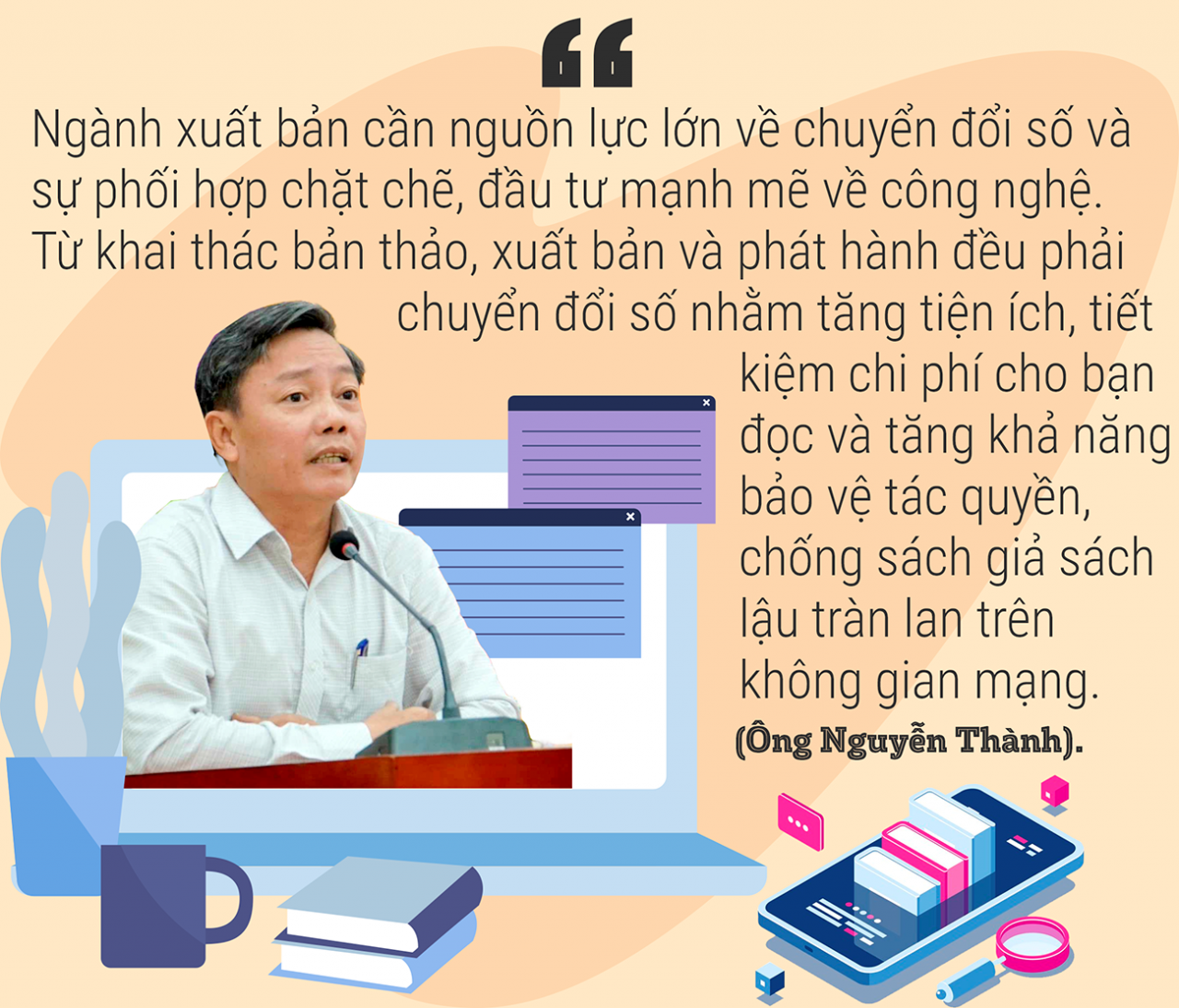
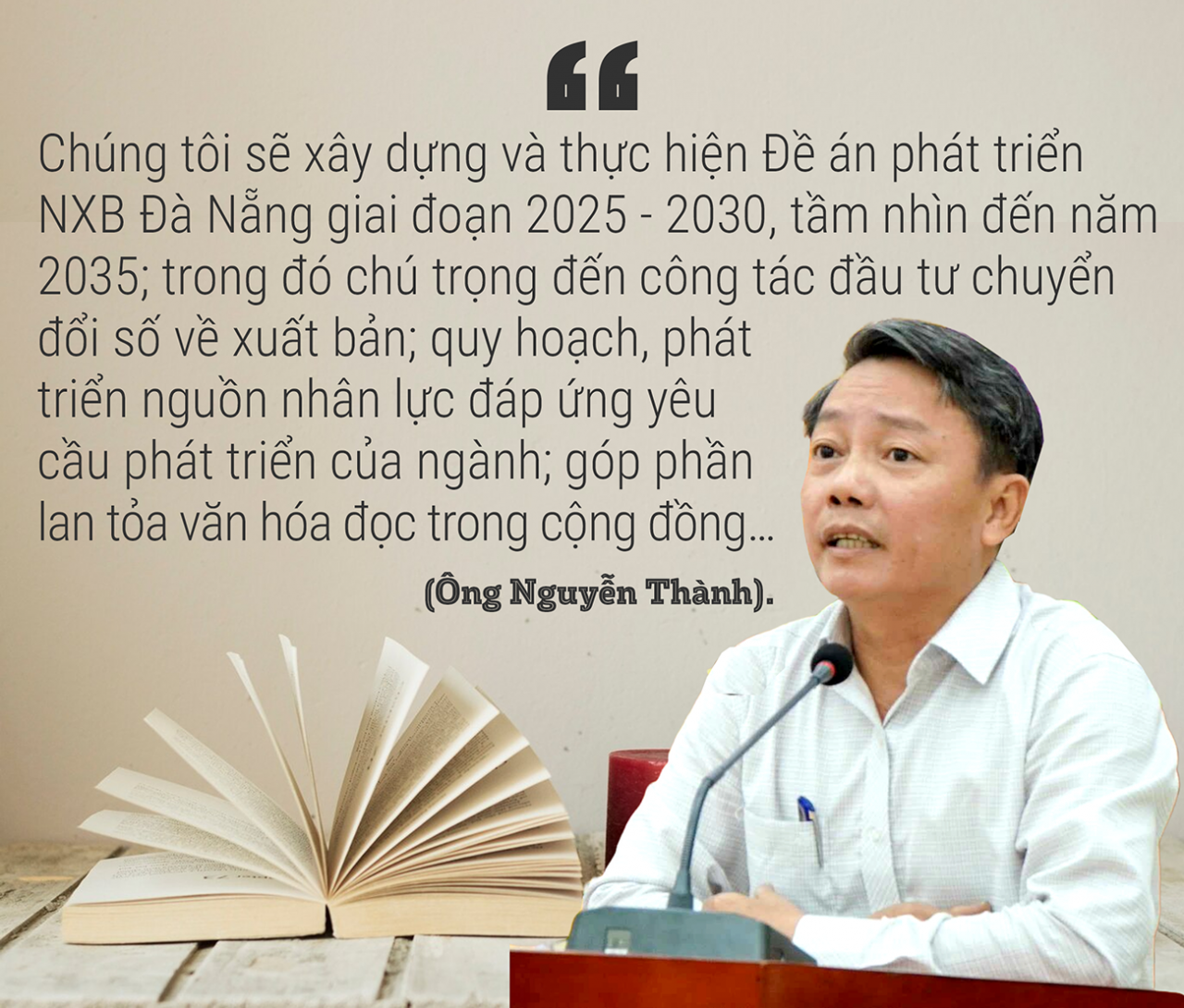
Mr. Nguyen Thanh stated that, generally speaking, with the attention and guidance of the political system and the needs of society, reading culture is increasingly emphasized and spread more widely in every family, school, and society. This has a positive impact on publishing activities. Therefore, the publishing industry in general, including publishing and distribution, is undergoing a transformation in thinking and action to adapt to changes and meet social needs. Along with investing in exploiting high-quality manuscripts from both domestic and international sources to meet readers' tastes, there is also the digital transformation in the publishing field, with the number and quality of electronic publishing increasing among publishers and the number of book titles. In addition, there is the emergence of short books, concise books, summaries, etc.
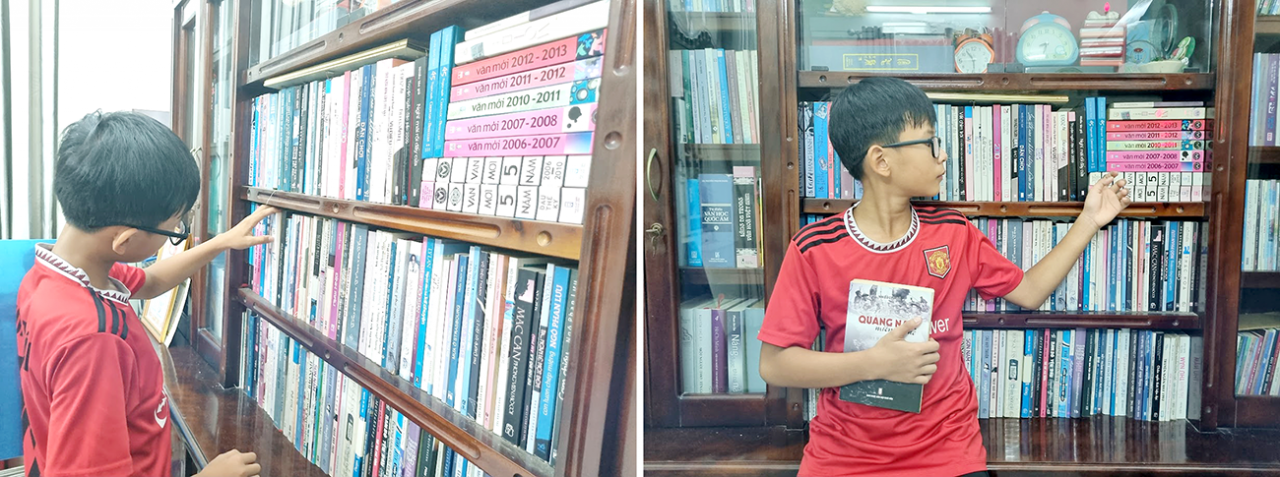



Children choose and read books from the family bookshelf.
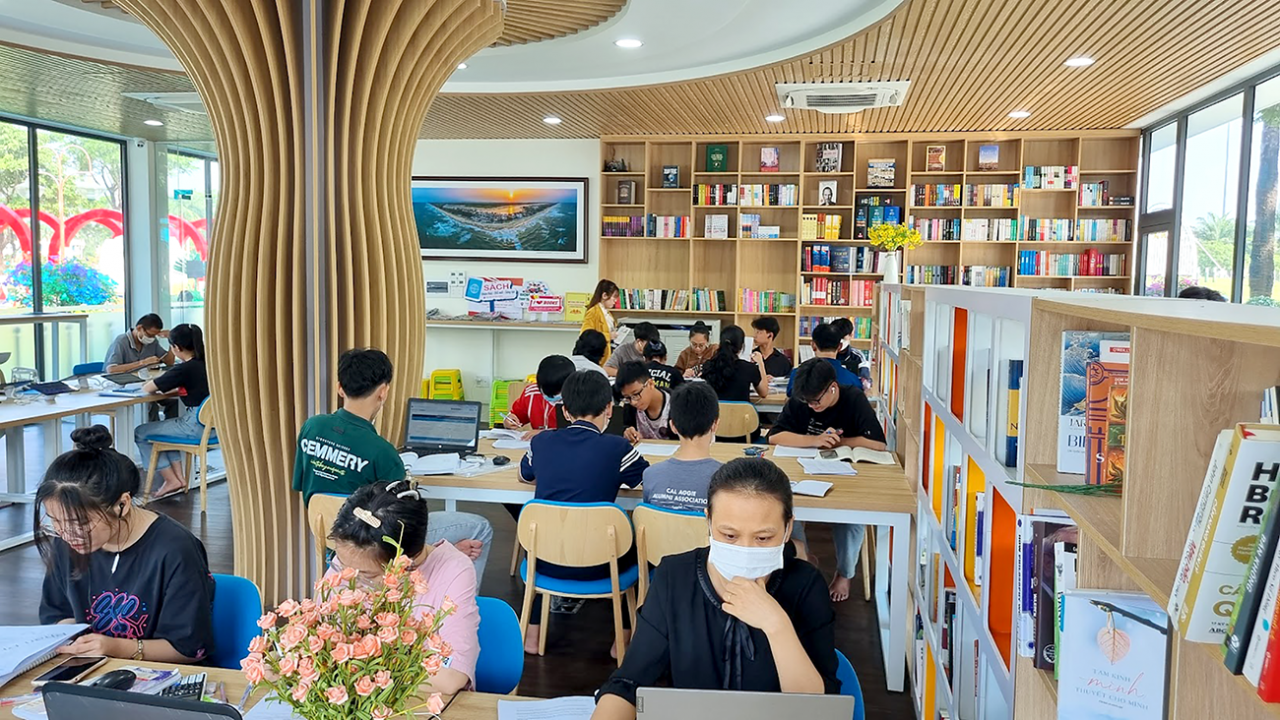
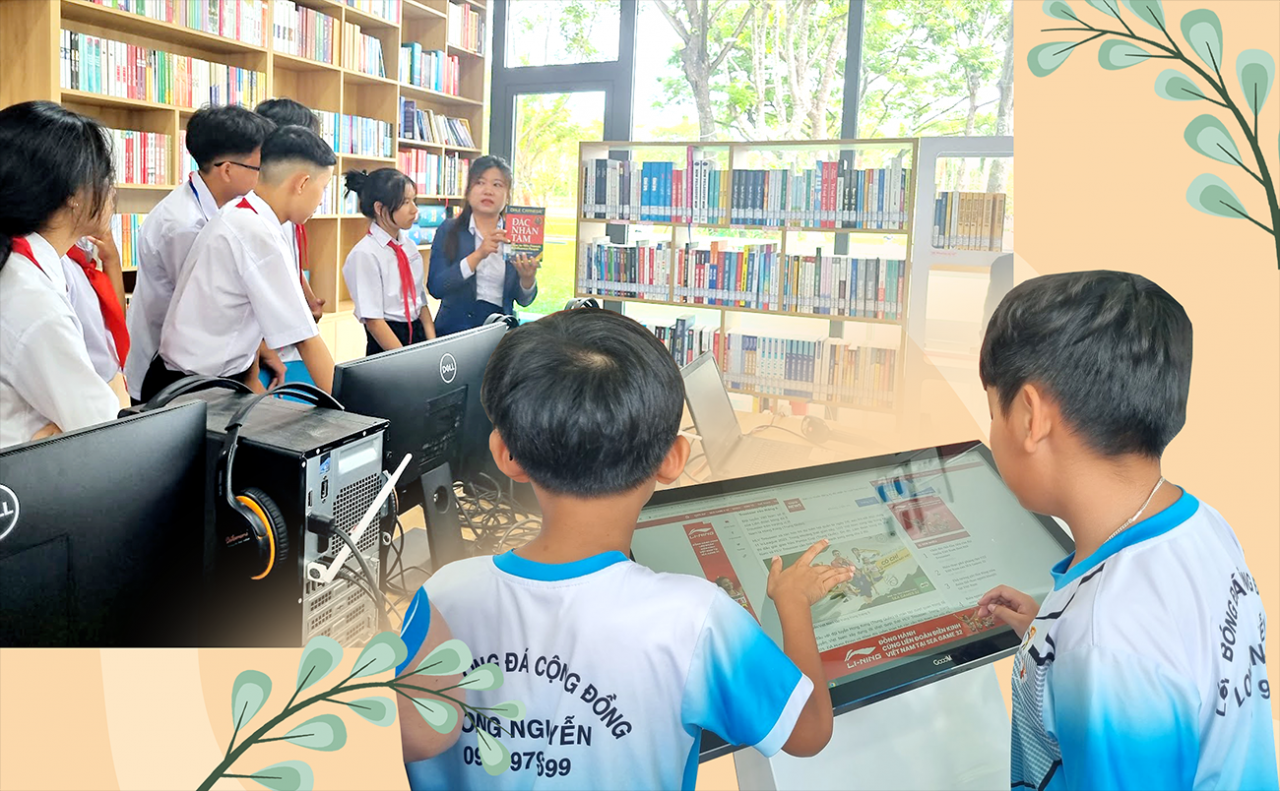
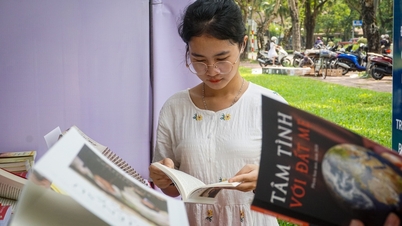
Students read books at the community digital library.
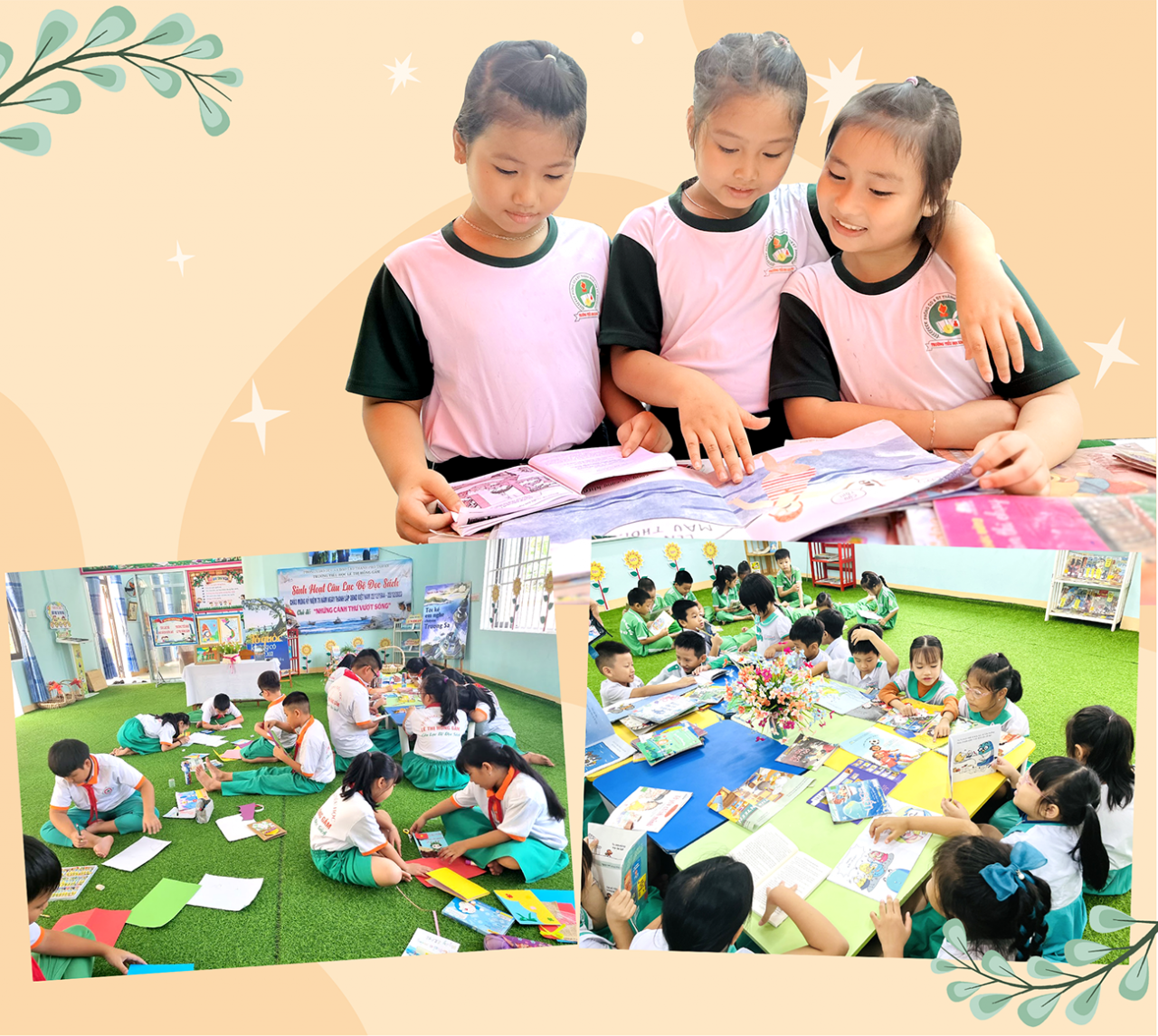
Students read books in the school library.
Source


![[Image] The appearance of the Bien Hoa-Vung Tau expressway before its opening.](https://vphoto.vietnam.vn/thumb/1200x675/vietnam/resource/IMAGE/2026/03/25/1774430324663_ndo_br_2-resize-6064-jpg.webp)






























































































Comment (0)