

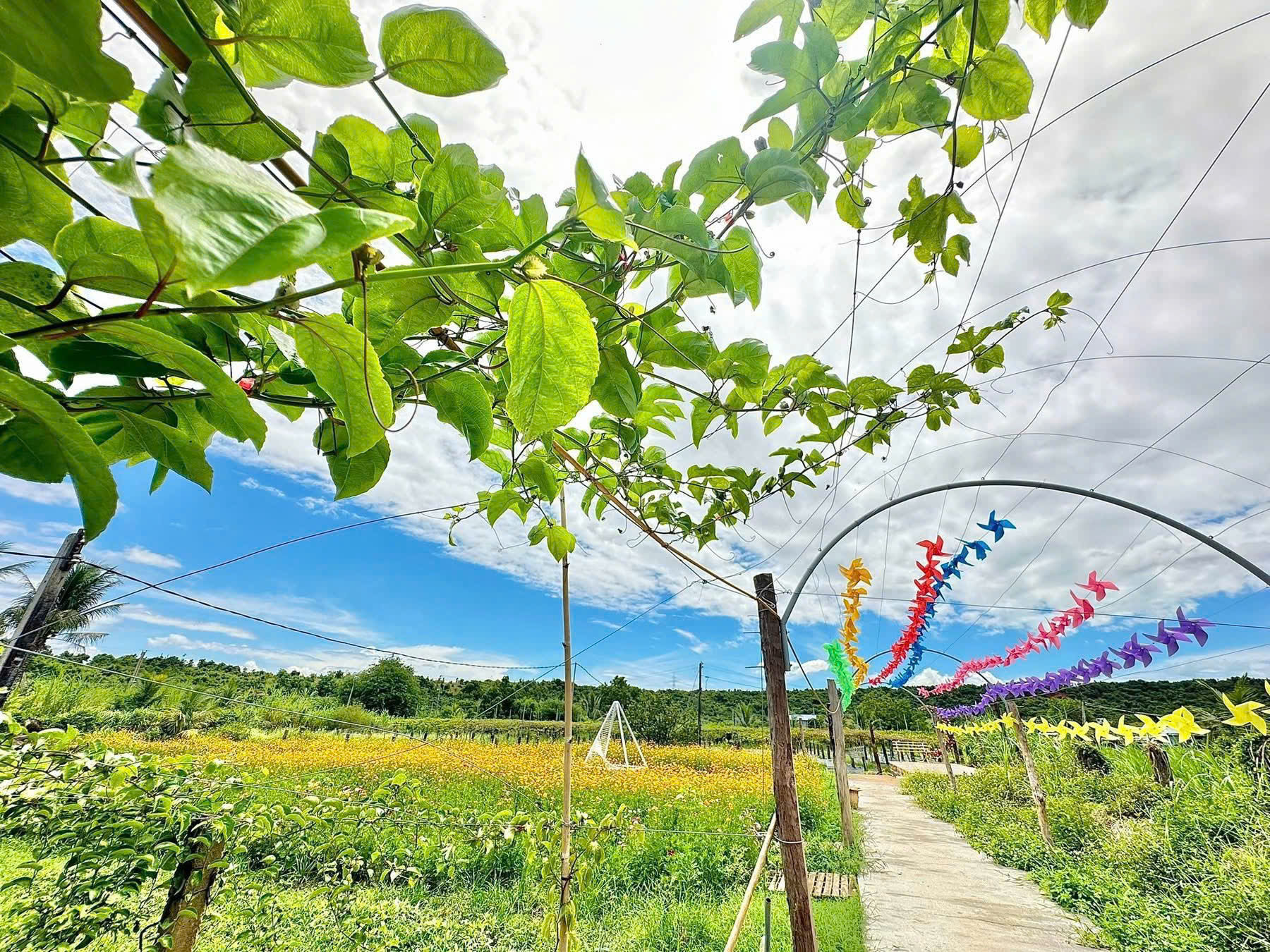
Experience the "garden-to-table" lifestyle.
Nguyen Huu Hao's garden, situated along National Highway 1A, stands out with its lush green passion fruit vines. Each ripe, golden passion fruit hangs nestled among the foliage. Surrounding the vines are rows of guava and pomelo trees, along with various flowers, all meticulously cared for and pruned. Within the garden, simple features such as thatched gazebos, swings, and photo-worthy spots create a warm and peaceful atmosphere. On weekends, many families and groups of young people visit to admire the scenery, take pictures, and enjoy the fresh air amidst the fruit trees.
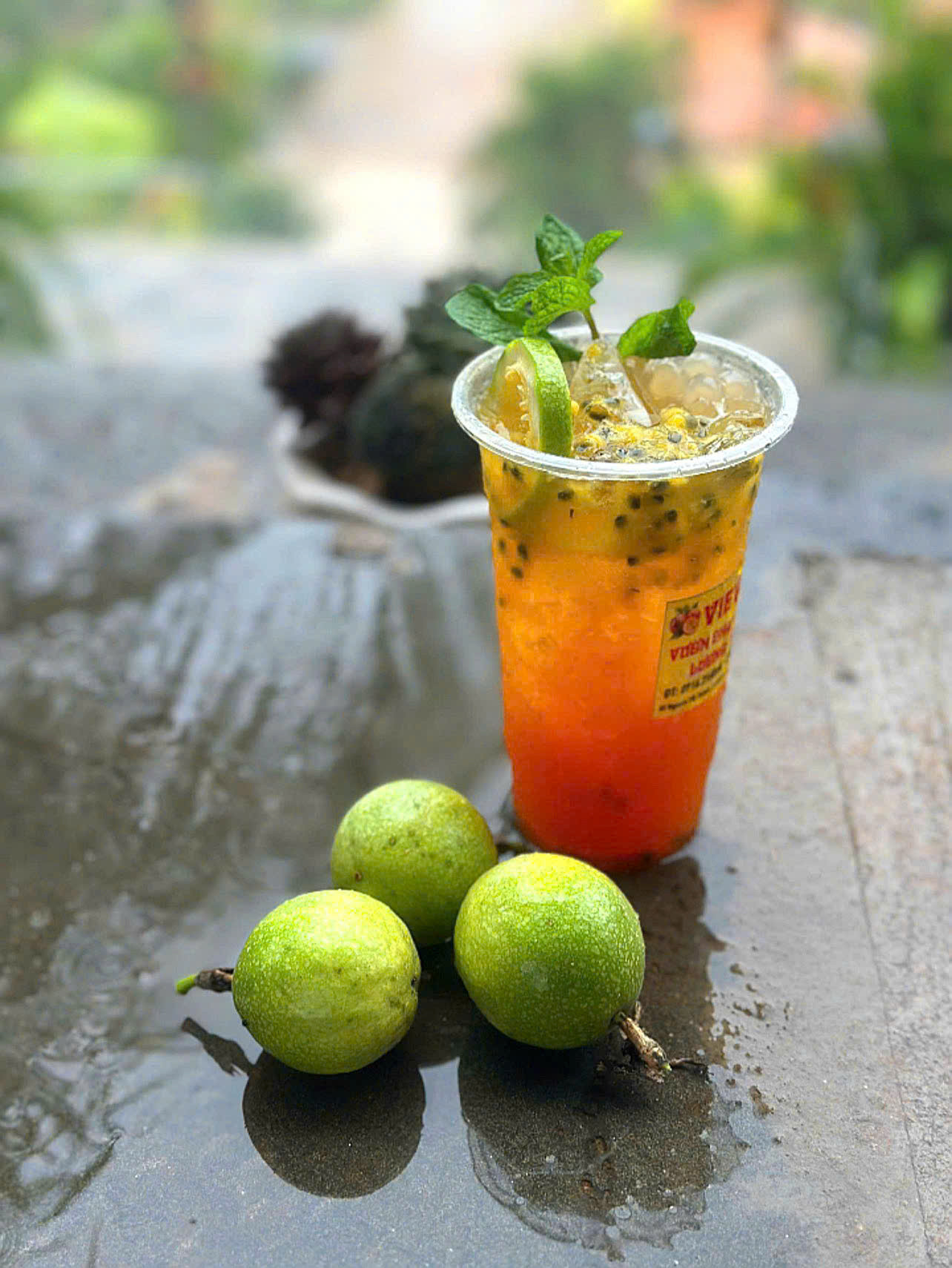
The appeal of this model lies in the fact that visitors can directly experience activities in the garden, participating in the journey "from garden to table." From picking ripe passion fruit directly from the vines and enjoying fresh fruit on the spot to savoring drinks prepared right in the garden, such as passion fruit smoothies, passion fruit with honey, or passion fruit with yogurt and palm seeds... all create a close-up experience of clean agriculture .
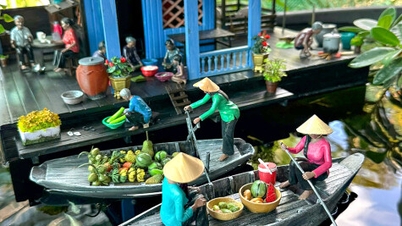
Ms. Nguyen Thi Hong, a tourist, shared: “The miniature landscapes, styled after old rural villages, feel very familiar. Especially, knowing that the passion fruit is grown organically, I feel reassured enjoying the fresh fruit, drinking passion fruit juice, and buying some to take home as gifts.”
Notably, the "From Farm to Table" model not only increases the value of passion fruit but also changes the approach to agricultural tourism in the area. Instead of just selling raw products, farmers begin to tell the story of the cultivation, care, and processing of agricultural products right at the production site. Through this, tourists gain a better understanding of the journey to create clean agricultural products and build more trust in local products.
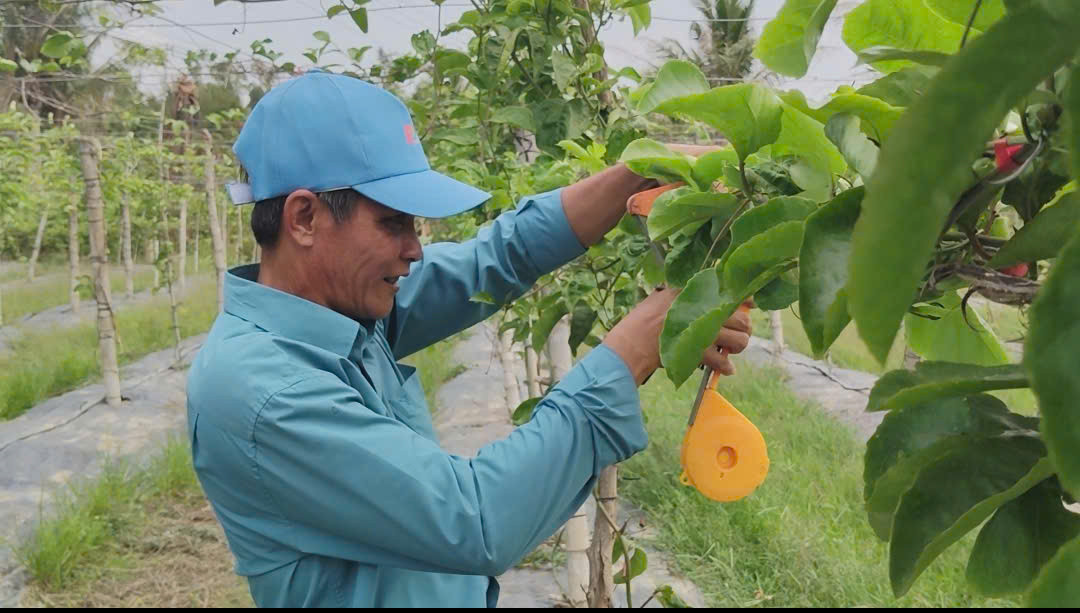
According to Mr. Nguyen Huu Hao, this area was previously mainly used for growing dragon fruit. After searching for a suitable crop to switch to, taking advantage of the local climate and soil conditions, his family experimented with the golden passion fruit variety and found it to be economically viable. Thanks to the large orchard area and its location on National Highway 1A, which provides convenient access to the expressway, he continued to expand the area and combined it with ecotourism to increase the value of the product.
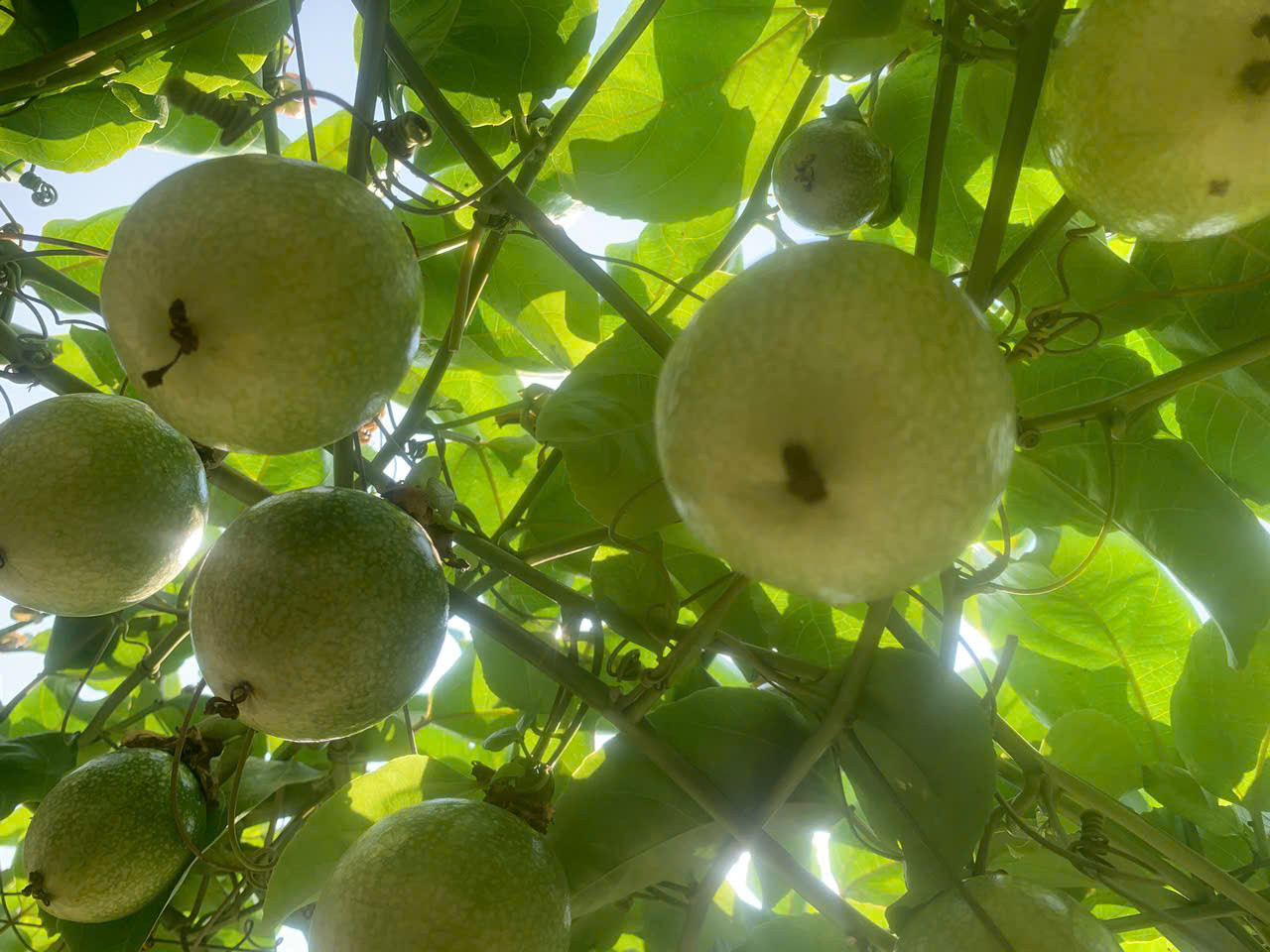
Besides serving drinks made from passion fruit, he also sells fresh fruit, and his garden has become a distribution hub for several passion fruit growers in the area.
Although the investment scale is not yet large, the model of clean agriculture combined with ecotourism for passion fruit cultivation is promising.
This is suitable for local conditions. In particular, during holidays and festivals, there are quite a lot of visitors coming to tour and experience, opening up a direction for innovative thinking in production and increasing the value of local agricultural products.Mr. Nguyen Thanh Tuan, Chairman of the Farmers' Association of Luong Son Commune.
New directions for rural economy
The passion fruit cultivation movement in Luong Son is also developing. Currently, the entire village has about 3 hectares of passion fruit, and the villages of Luong Bac, Bac Son, and Luong Xuan are also expanding their cultivation areas. Farmers are collaborating with businesses to receive technical support, agricultural supplies, and guaranteed product sales. They mainly cultivate organically, applying water-saving irrigation systems combined with the use of domestically produced fertilizers to reduce production costs while ensuring product quality.
Mr. Nguyen Huu Hao stated: “The guaranteed purchase price is currently around 40,000 VND/kg. Upon harvest, the company will inspect the sweetness and production process before purchasing. Growers must use the company's seeds, adhere to technical guidelines, and use only approved pesticides to meet export standards.”
Mr. Nguyen Du, a farmer who recently converted 1 hectare of dragon fruit to passion fruit cultivation, added: “After about 2-3 months, the plants begin to flower and bear fruit according to VietGAP standards. The first harvest can be done in about 5-6 months.”
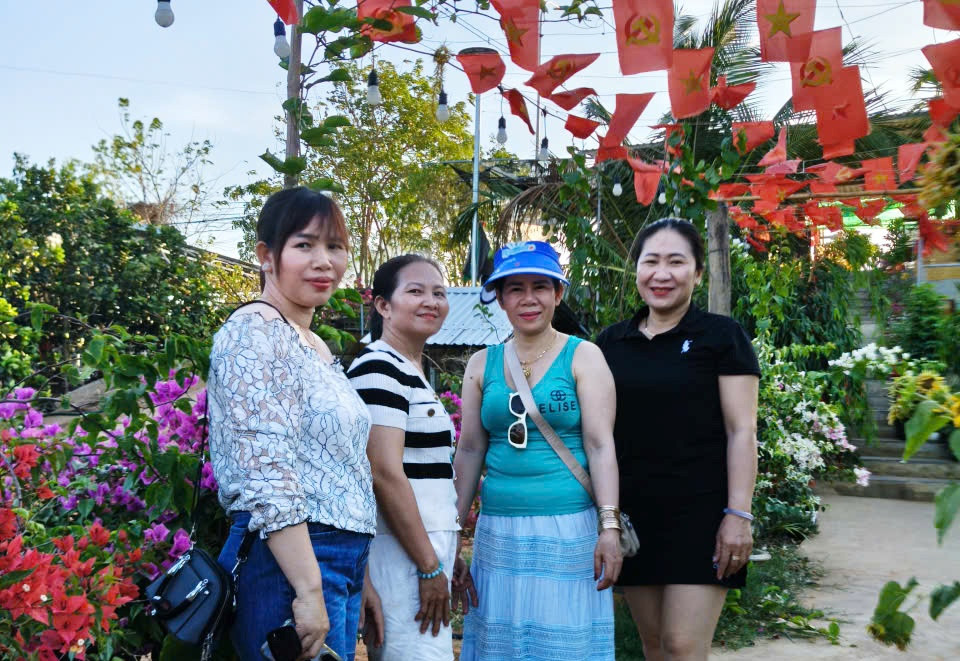
Not only in Luong Son, but many agricultural models combined with ecotourism in the province are also proving effective. Typical examples include: Le My vineyard owned by Mr. Le Quoc Hien in Lien Huong commune, and Nhat Minh grape farm in Phan Ri Cua commune, which have introduced new grape varieties and collaborated with other vineyard owners to provide year-round visitor access. Another example is the model combining sightseeing and dining right in the durian, avocado, macadamia, and mangosteen orchards of Mr. Mai Van Minh in La Da commune… This contributes to diversifying rural tourism products and simultaneously increases income for local people.
With the growing popularity of nature-based tourism, agricultural models integrated with ecotourism are opening up new avenues for the rural economy. By transforming inefficient crops, people are gradually creating agricultural products linked to hands-on experiences, tailored to the needs of today's tourists.
Source: https://baolamdong.vn/nong-dan-lam-du-lich-sinh-thai-vuon-442633.html
![[Photo] General Secretary and President To Lam presides over a working session with the Central Policy and Strategy Committee on the development of the materials industry.](https://vphoto.vietnam.vn/thumb/1200x675/vietnam/resource/IMAGE/2026/05/21/1779359935432_a3-bnd-3129-1412-jpg.webp)
![[Photo] National Assembly Chairman Tran Thanh Man working with the Standing Committee of the Law and Justice Committee](https://vphoto.vietnam.vn/thumb/1200x675/vietnam/resource/IMAGE/2026/05/21/1779378929214_ndo_br_1-4610-jpg.webp)
























































Comment (0)