

Pioneers who pave the way
In Hamlet 6, Dai Dong Commune, Mr. Le Xuan Hoa is busy completing the final preparations to plant pineapples on his family's entire 12.7 hectares of hilly land. This area was previously used to grow acacia and cassava, but the economic efficiency was low, prices were unstable, and the labor involved in cultivation resulted in low income.
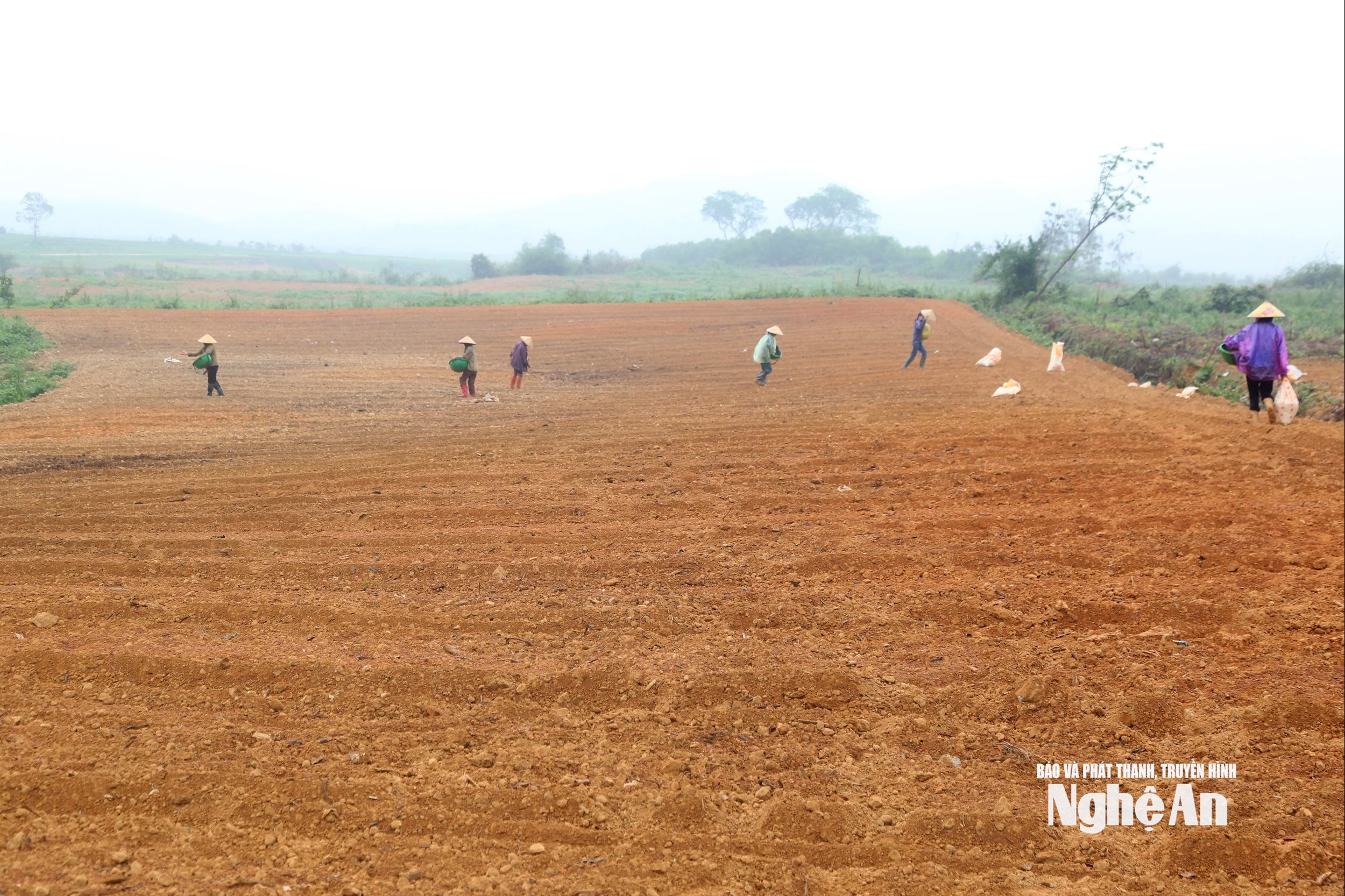
About half a month ago, Mr. Hoa hired machinery to dig up the entire area of acacia trees, level the ground, and prepare the soil simultaneously. The hills, once covered in the green of acacia and cassava plants, are now flat, divided into plots, raised into rows, and equipped with drainage ditches, ready to welcome new crops.
According to calculations, the cost of investing in planting 1 hectare of pineapple in the first year is over 150 million VND, including land preparation, seed purchase, fertilizer, plastic mulch, and initial care. “Thanks to government support policies, investment costs have been reduced by about one-third, so my family feels more secure about the transition. Even so, this is still a new crop with a large investment, so I am very cautious in every step,” Mr. Hoa shared.
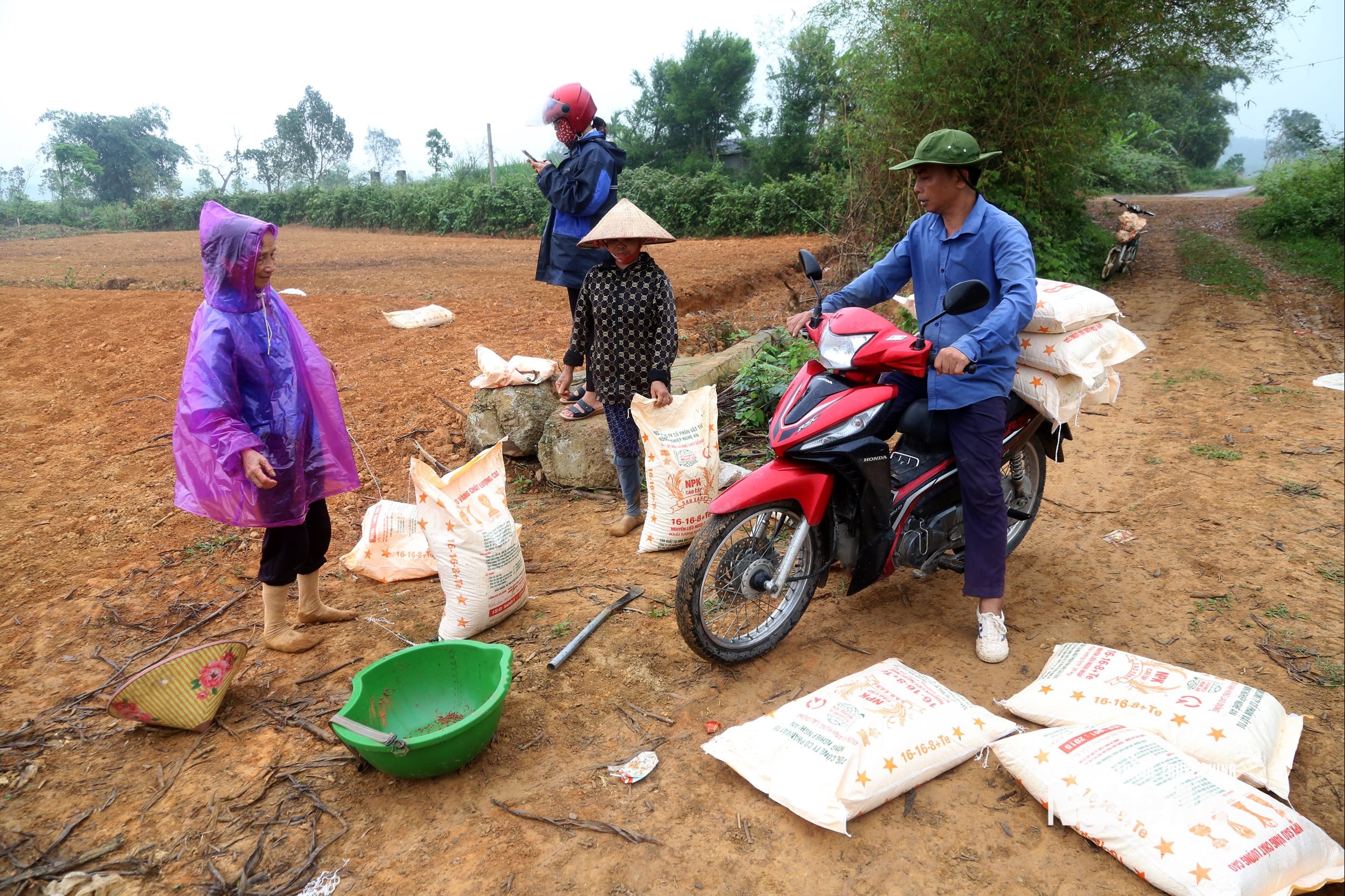
Without being complacent, from the very beginning, his family focused on improving the soil, applying NPK fertilizer to increase fertility, and digging a drainage system around each plot. According to Mr. Hoa, Queen pineapples prefer dry soil; poor drainage can easily lead to root rot, reducing yield, especially during the rainy season.
Although a business has stepped forward to link with and guarantee the purchase of the product, concerns still remain for the first planting season. He hopes that the factory's technical staff and relevant departments will regularly monitor the farm, guide the cultivation process, and control pests and diseases, helping growers feel confident in making long-term investments.
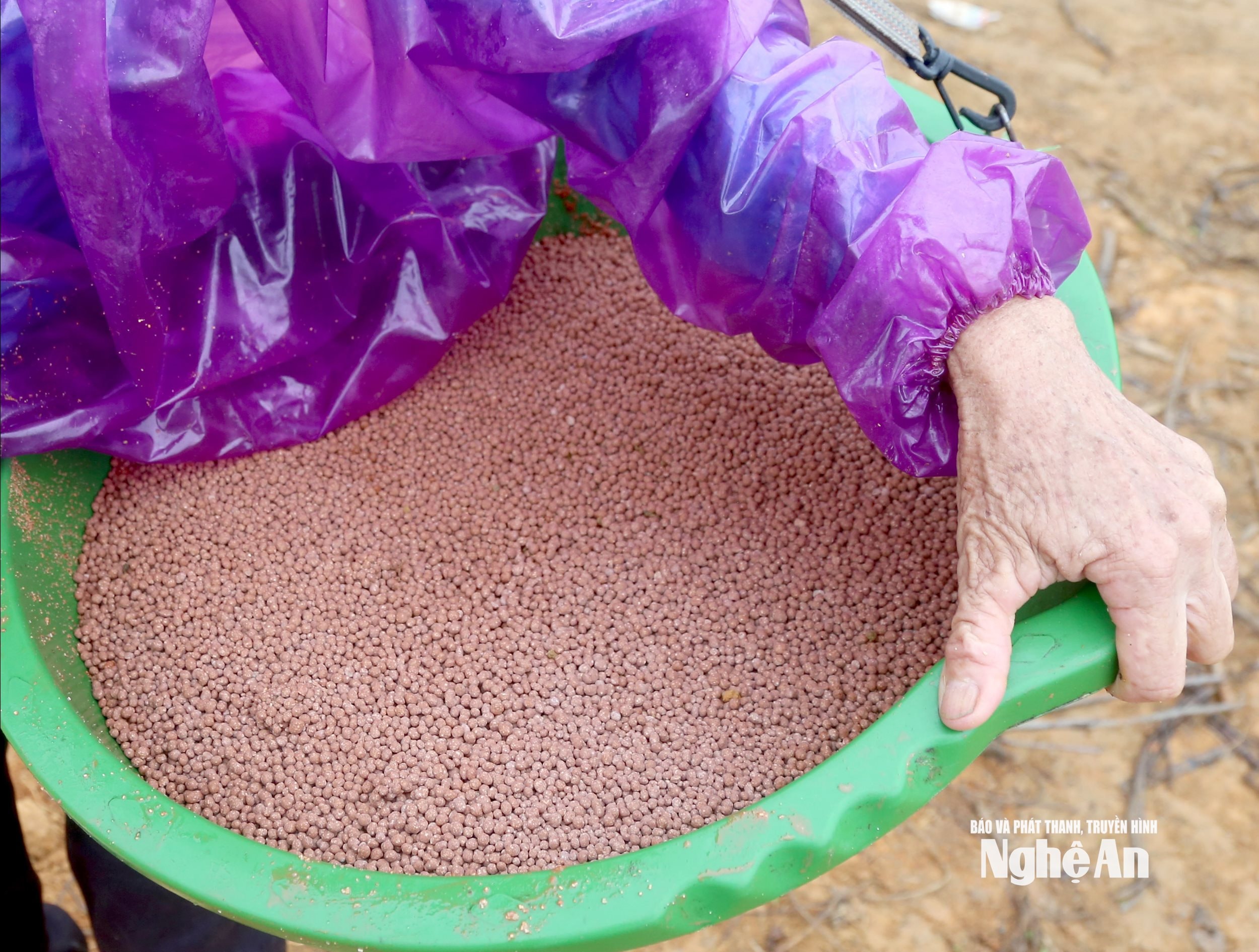
According to Mr. Tran Thanh Nga, Chairman of the People's Committee of Dai Dong commune, developing the Queen pineapple growing area is a policy that is consistent with the natural conditions and the orientation of crop restructuring in the locality. In recent times, the commune has focused on disseminating information and encouraging people to boldly convert areas of low-yield crops to crops with higher economic value.
After reviewing the land availability and receiving applications, the commune developed a plan to plant 20 hectares of Queen pineapple in 2026. Initially, the province approved the implementation of 10 hectares to evaluate effectiveness, as a basis for expansion in subsequent years.
Mr. Tran Thanh Nga - Chairman of the People's Committee of Dai Dong Commune
Currently, participating households have basically completed land preparation, furrowing, drainage ditch digging, and base fertilization according to technical guidelines. Preparations are being carried out synchronously, ready to receive seedlings for planting within the correct timeframe. According to the leaders of Dai Dong commune, the formation of the Queen pineapple raw material area not only helps improve land use efficiency but also creates a foundation for production-consumption linkages with businesses, aiming towards stable and sustainable commercial agricultural production.
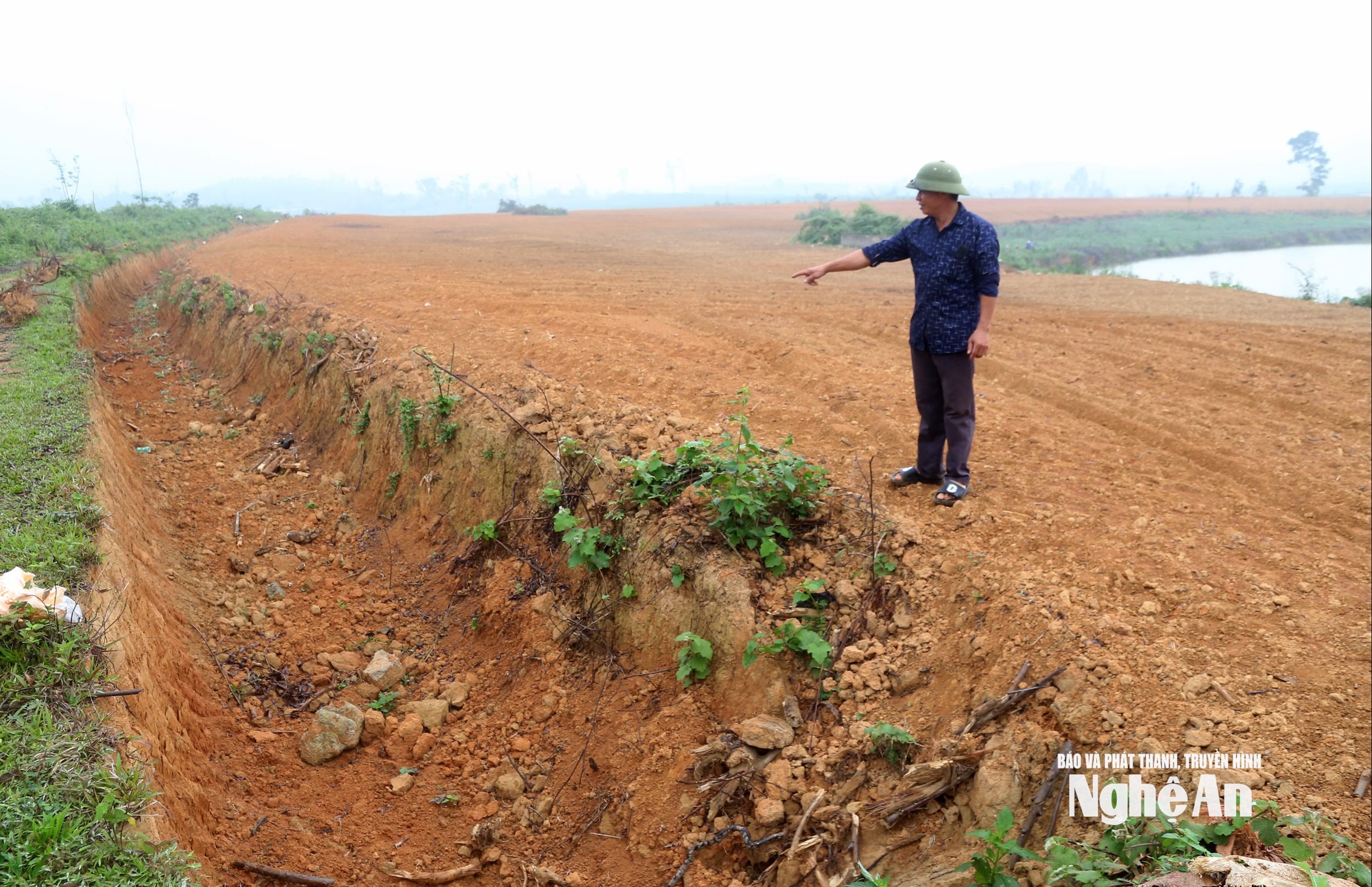
Not only in Dai Dong commune, but also in Tan An commune, the movement to grow Queen pineapples is being viewed by the people and local authorities as a promising direction. Mr. Tran Huu Cao Cuong's family in Thanh Yen hamlet has decided to convert more than 2 hectares of land previously used for growing cassava and acacia trees to pineapple cultivation.
According to Mr. Cuong, Queen pineapple is a new crop that requires changes in farming practices and systematic investment from the outset. However, thanks to government support policies and a business partnership for consumption, his family is confident in implementing the project, hoping it will bring in a more stable income compared to their previous crops.
According to Mr. Dau Truong Son, Head of the Economic Department of Tan An commune, the entire commune currently has 78 households registered to plant Queen pineapples, with a total area of approximately 70 hectares. This spring, the province allocated 35 hectares in the first phase for early implementation. To date, people have prepared about 20 hectares of land, ready for planting. Alongside land preparation, the local authorities have proactively coordinated the supply of fertilizers and plastic mulch to participating households, ensuring consistent production conditions and giving farmers confidence to invest.
The picture of the raw material source area is gradually becoming clearer.
According to the Provincial Department of Crop Production and Plant Protection, by the end of February 2026, 39 communes in the province had registered to plant pineapples in 2026, with a total area of over 1,130 hectares. Many localities registered large areas such as Giai Xuan with approximately 300 hectares; Nghia Tho with over 188 hectares; Tan An with 70 hectares; Quynh Tam with 61 hectares; Tan Ky with 26 hectares… demonstrating the strong spread of the policy to develop concentrated pineapple raw material areas.
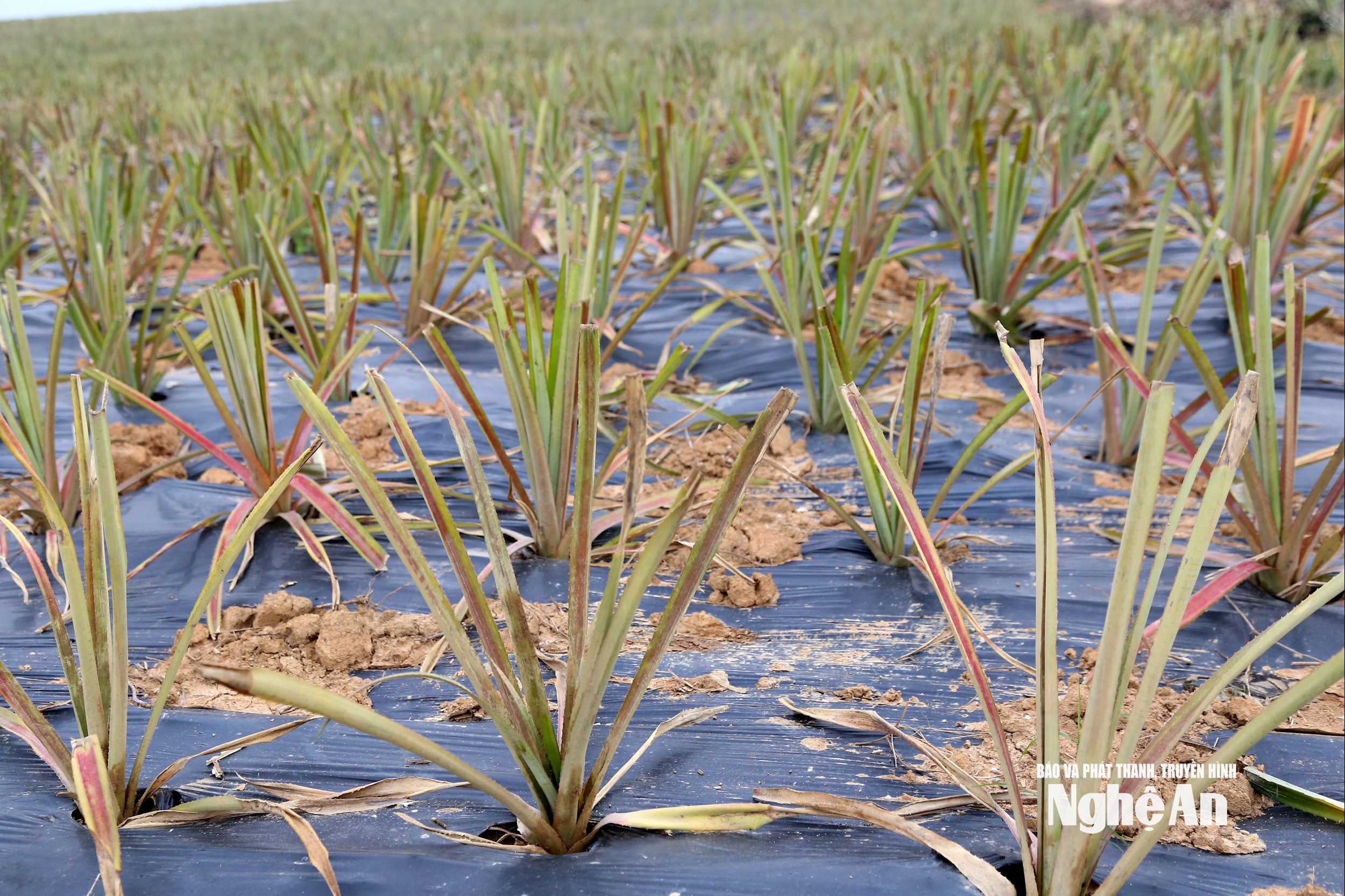
In terms of planting seasons, the area planted with pineapples in the spring season accounts for a large proportion, with over 729 hectares; the autumn-winter season accounts for about 374 hectares. Notably, according to Resolution No. 34/2025/NQ-HĐND of the Provincial People's Council, the area of newly planted pineapples expected to receive support in 2026 is 145 hectares, creating an important impetus for people to confidently switch to pineapple cultivation.
From the practical experience in Dai Dong, Tan An communes and many other localities, it can be seen that growing Queen pineapples is not simply changing a crop, but a shift in production thinking. With planned raw material areas, linkages with processing businesses, and the support of the government and specialized agencies, pineapple cultivation is opening up opportunities to increase income and stabilize livelihoods for people in hilly areas.
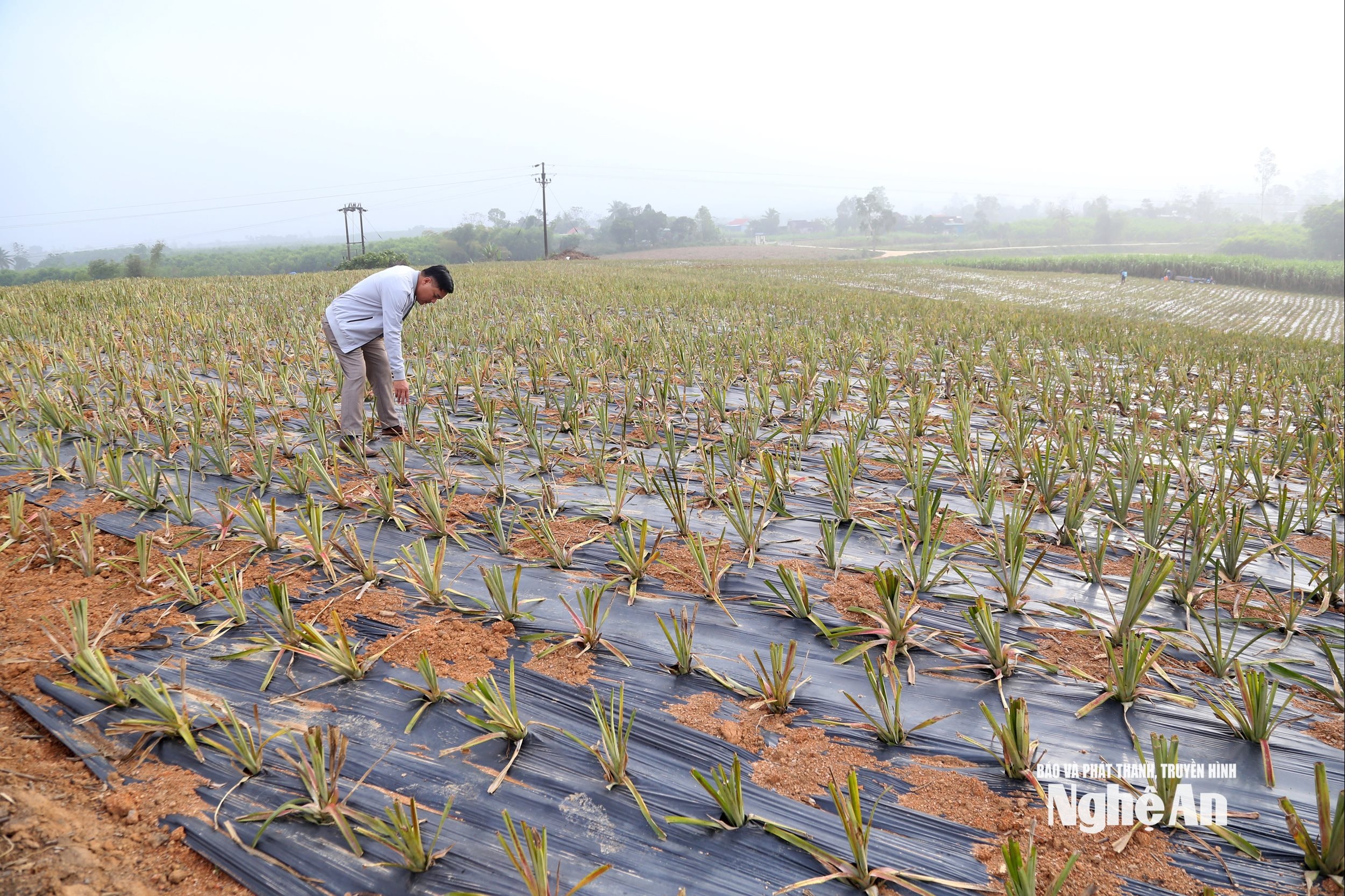
Despite remaining technical and investment challenges, with a systematic and cautious approach, Queen pineapple is expected to gradually establish its position and become a new key crop in many difficult areas, contributing to the restructuring of the agricultural sector towards greater efficiency and sustainability.
Resolution No. 34/2025/NQ-HĐND of Nghe An province promulgates regulations on a number of policies to support agricultural and rural development in Nghe An province for the period 2025 - 2030. Accordingly, support will be provided for new pineapple planting areas with a plan and development orientation approved by the Department of Agriculture and Environment. Specifically, the support level includes 80% of the cost of purchasing seedlings, 5 million VND/ha for land preparation costs; and 3.5 million VND/ha for plastic mulch and covering of planting beds.
Source: https://baonghean.vn/nong-dan-nghe-an-dua-dua-queen-len-dat-doi-10330950.html







































































Comment (0)