

 |
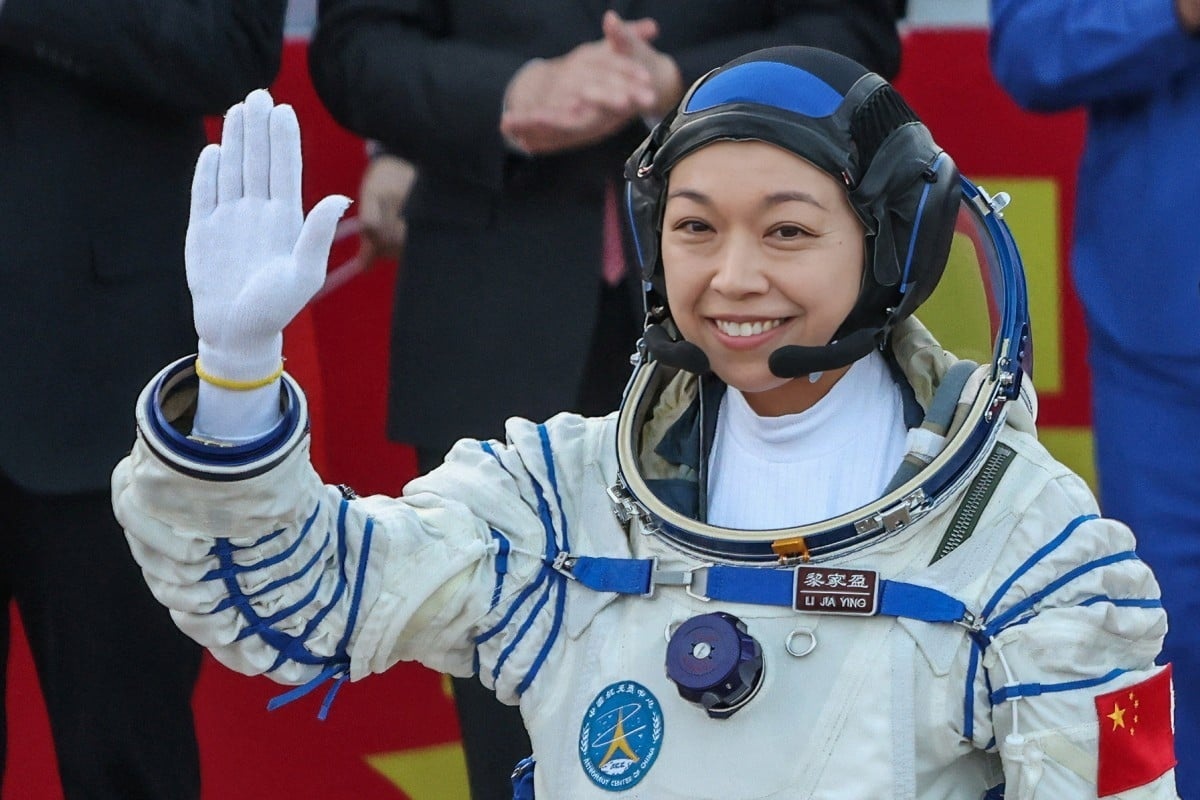
Female astronaut Lai Ka-ying. Photo: SCMP . |
When the Shenzhou-23 spacecraft lifted off, many students in Hong Kong (China) stayed up all night to watch the historic flight of astronaut Lai Ka-ying. In small STEM classes in Hong Kong, many children began asking about how satellites are built, how rockets work, or how to become an astronaut.
Within just days of the flight, science and technology training centers in Hong Kong began reporting a surge in inquiries from parents about aerospace courses.
"The Lai Ka-ying Effect"
According to SCMP , Lai Ka-ying becoming Hong Kong's first astronaut is considered an unprecedented milestone. Not only is she a female police officer, but she also became the first woman to directly participate in the Shenzhou-23 mission.
For many Hong Kong parents, the image of a local woman flying into space holds a different meaning than the previously distant scientific achievements. It makes aerospace more accessible and realistic for students.
The historic flight also quickly created a ripple effect in Hong Kong society, particularly in the field of education . According to Jeffrey Ho, executive director of Star Club Scientist Education, parental and school interest in aerospace courses surged immediately after news of Lai Ka-ying was released.
His center specializes in providing general education on aerospace, satellite design, assembly, and microsatellite applications for students aged 3 to 17. Tuition fees range from approximately 300-650 HKD per hour. However, demand for this information continues to grow rapidly.
"The actual data shows that the number of people inquiring about courses related to aerospace and satellite design has increased explosively," said Mr. Ho.
According to Mr. Ho, previously, the center only received about 10 inquiries per day. After the historic flight, that number tripled.
For many years, STEM education in Hong Kong focused primarily on programming, robotics, or artificial intelligence. However, the space industry is emerging as a new and attractive field, especially as China continues to make significant strides in its ambitions to conquer space.
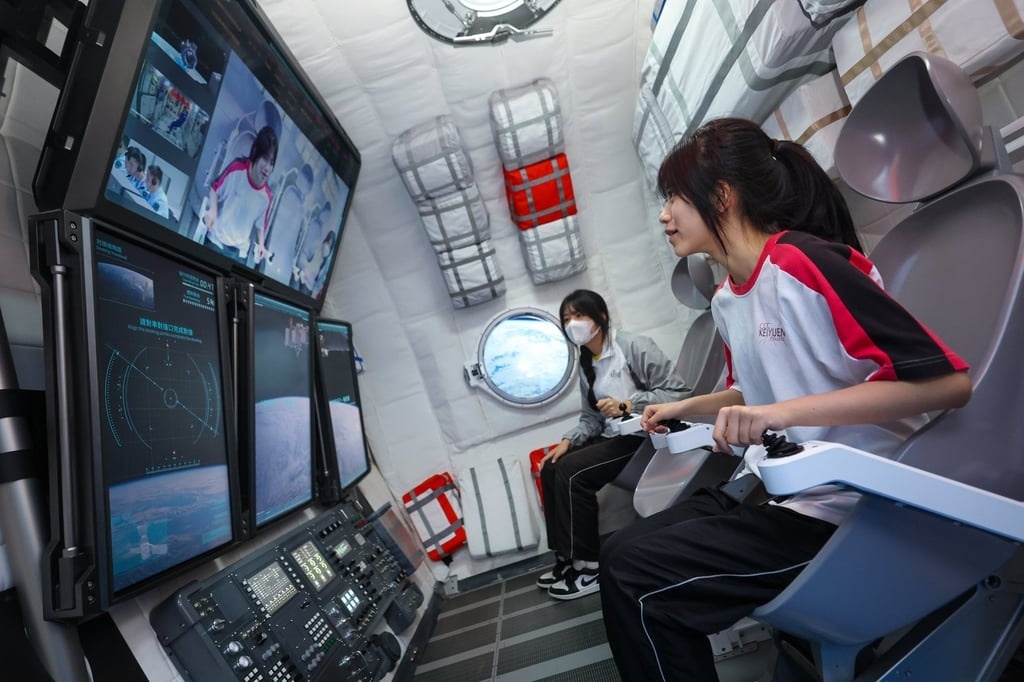 |
Hong Kong students and parents are beginning to show interest in aerospace. Photo: SCMP . |
Hong Kong's ambitions
Following the "Lai Ka-ying effect," many experts believe that Hong Kong needs to go beyond creating fleeting excitement and build a long-term development strategy for its space sector.
In the education sector, particularly in public education, Hong Kong is beginning to see concrete changes. The Hong Kong Education Bureau has incorporated aerospace and innovative technology elements into the primary school science curriculum starting from the 2025-2026 school year.
Legislator Ken Wong Kam-leung, who is also a school principal, believes that Lai Ka-ying's historic flight will prompt the entire education sector to think more seriously about integrating space studies into the curriculum.
When discussing this topic, Yu Hongyu, the future executive director of the Aerospace Research Institute at Hong Kong Polytechnic University, argued that Hong Kong needs to develop a clear plan for aerospace technology development.
According to him, this plan needs to be aligned with the development strategy in China's 15th Five-Year Plan, while also defining Hong Kong's specific role in areas such as commercial aerospace, space applications, and scientific and technological innovation.
Mr. Yu also proposed increasing support for research projects through the InnoHK program, establishing specialized funds for the space industry, and attracting more private capital. According to Mr. Yu, without long-term policies and substantial investment, the current enthusiasm will quickly cool down.
"We need to strengthen talent development and integrate aerospace elements more deeply into STEM education programs at the primary and secondary school levels," he said.
Meanwhile, Peter Light, coordinator of the Hong Kong-branded Educational Satellite Launch Project, said that the planned satellite launch before October this year is just the beginning.
He emphasized that space projects need to be integrated into curricula, extracurricular activities, study tours, and business connections to form a sustainable educational ecosystem.
According to Light, the rocket's launch is only the most visible part, while the core value lies in the years of research, operation, and training that follow.
"This is not just a one-time fireworks event, but a real starting point for the sustainable development of aerospace education in Hong Kong," he said.
Source: https://znews.vn/nu-phi-hanh-gia-thoi-bung-con-sot-giao-duc-o-hong-kong-post1654579.html

![[Photo] Standing Committee member of the Party Central Committee Tran Cam Tu working with the Central Inspection Committee](https://vphoto.vietnam.vn/thumb/1200x675/vietnam/resource/IMAGE/2026/05/28/1779969579668_ndo_br_bnd-2495-jpg.webp)





























































Comment (0)