

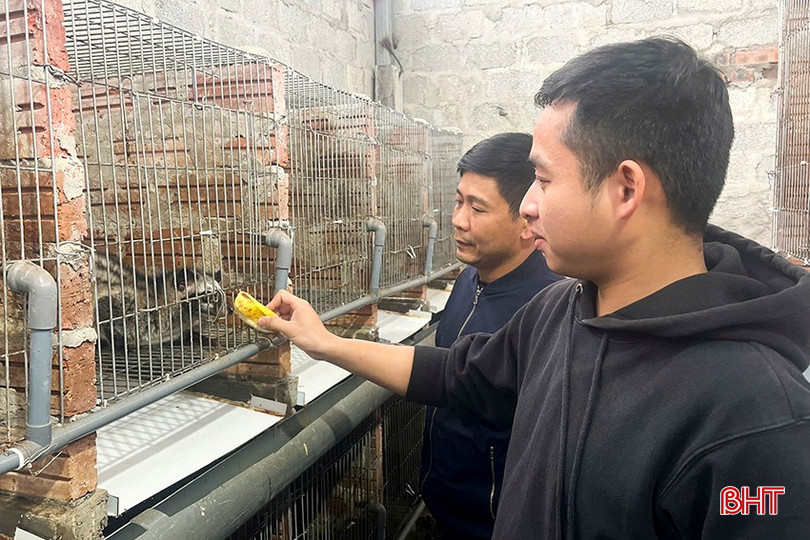
Born into a farming family, with a life closely tied to the fields and flood seasons, Nguyen Huu Quan (born in 1999, Dong Doai village, Duc Quang commune) soon decided he needed to work abroad to accumulate capital, so that he could return to his hometown and start a business when he had the opportunity.
After returning home from working in Japan for two years, his first concern was finding a stable job. After many sleepless nights of thinking, he researched the market and decided to start a business in his hometown raising civets.
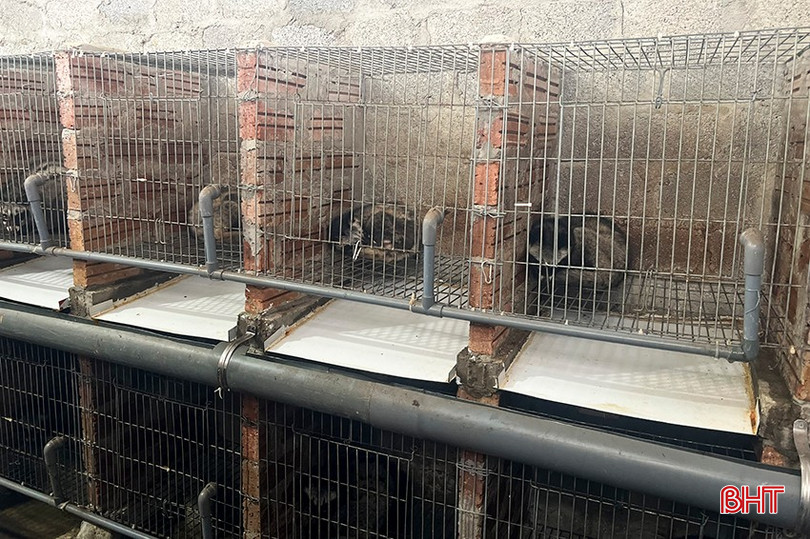
In early 2025, Mr. Quan began renovating his enclosures, investing in breeding stock, and learning civet care techniques from other communes in the province. Initially, due to a lack of experience, he faced many difficulties, from care to disease prevention. "I learned as I went along, mainly through successful models in other localities and drawing my own conclusions. Raising civets requires careful attention, but if done correctly, the results are quite stable," Mr. Quan shared.
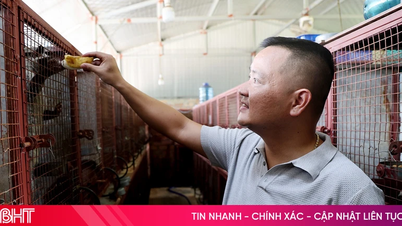
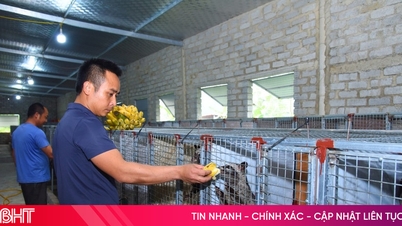
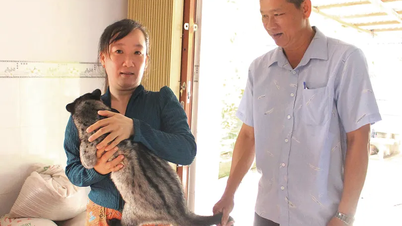
Initially, to gain experience while raising the animals, Mr. Quan invested in raising civets for meat, and only later imported breeding females and male civets. After nearly 12 months of raising them, his family's civet herd now numbers 60 animals, thriving and adapting well to local farming conditions, opening up a new economic development direction for his family.
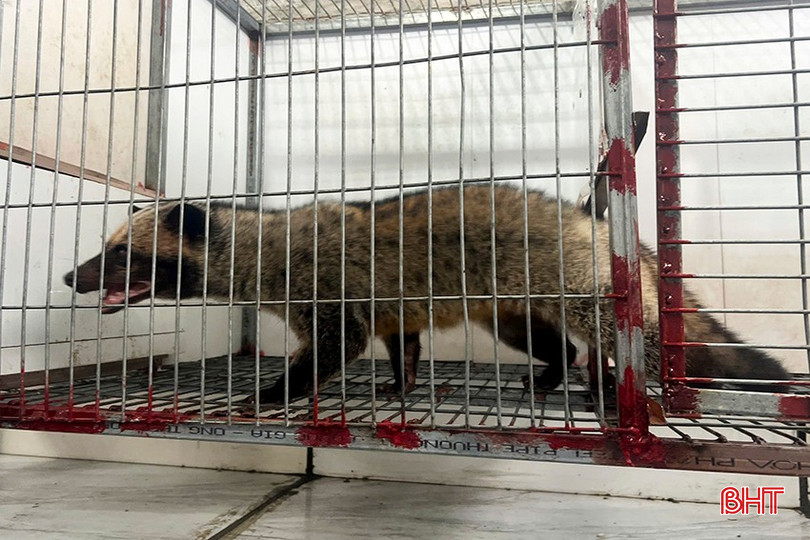
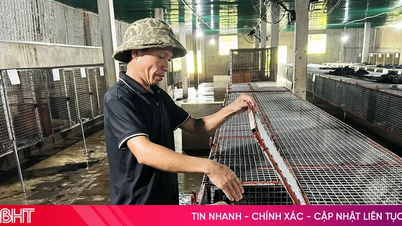
The livestock housing system was scientifically designed by Mr. Quan, ensuring adequate lighting, ventilation, warmth in winter, and coolness in summer.
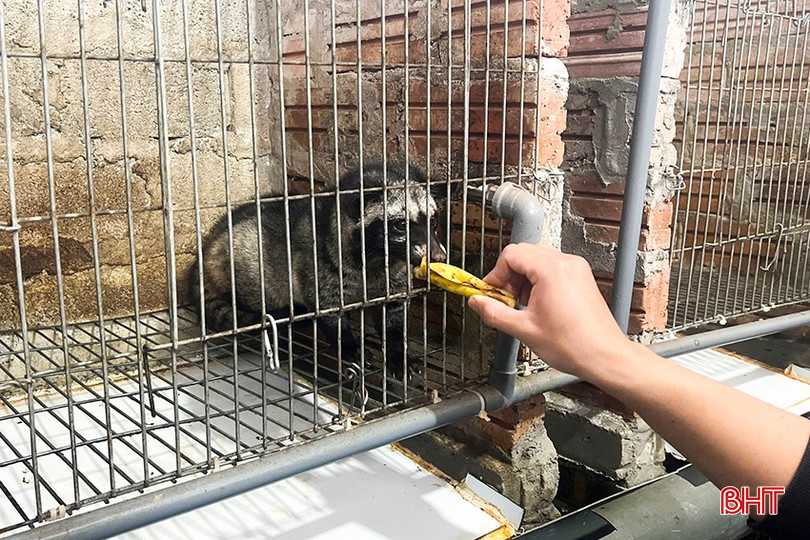
According to Mr. Quan, raising civets requires a high initial investment in breeding stock. Each civet he buys for meat, weighing 0.5 kg, costs 2.5 million VND, while male civets for breeding cost 30 million VND each. However, after one year, the civets will reach a weight of 3-3.5 kg or more, doubling their selling price. Furthermore, the main food sources for the civets are readily available locally, such as ripe bananas, rice bran, and tilapia, making the care relatively easy. In 2026, after selling this batch of civets for meat, Mr. Quan plans to expand his herd to 200-250 animals.
According to Mr. Tran Xuan Thach, Vice Chairman of the People's Committee of Duc Quang commune, Mr. Nguyen Huu Quan's civet farming model is a clear example of the daring and innovative spirit of rural youth.
“This is a new model, promising economic efficiency and suitability to local conditions. The commune always encourages young people to invest in economic development in their hometown, while also creating conditions for feasible models to be replicated. We are conducting field surveys to assess the feasibility of the models and to understand the thoughts, aspirations, and needs of the people in order to develop appropriate support plans and solutions,” Mr. Thach added.
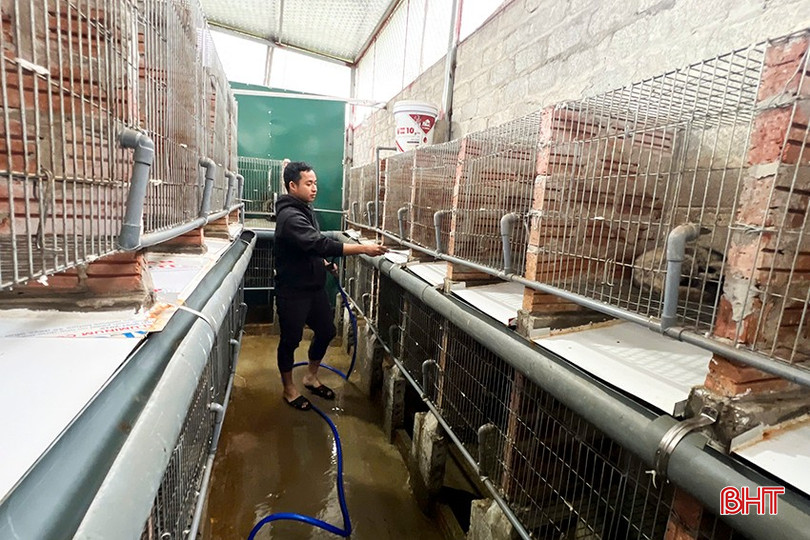
In the context of many rural youths still struggling to find their way after returning from overseas labor markets, Nguyen Huu Quan's civet farming model not only provides employment for himself and aims to enrich his family, but also contributes to diversifying livestock and creating a new economic development direction for rural youth in areas frequently affected by natural disasters.
Nguyen Huu Quan's entrepreneurial story is not only a testament to his efforts to rise above adversity, but also a testament to the "go away to return" spirit of many young people in flood-prone rural areas. Starting from nothing, with willpower and determination, he has been and continues to pursue his dream of establishing a business right in his hometown of Duc Quang.
Source: https://baohatinh.vn/nuoi-chon-huong-o-vung-ron-lu-post305554.html
![[Photo] The courage of new recruits of Brigade 144 on the training ground.](https://vphoto.vietnam.vn/thumb/1200x675/vietnam/resource/IMAGE/2026/05/27/1779881651341_anh-man-hinh-2026-05-27-luc-18-32-52.png)

![[Photo] The heat at the fireworks display site on the opening night of the Da Nang International Fireworks Festival 2026](https://vphoto.vietnam.vn/thumb/1200x675/vietnam/resource/IMAGE/2026/05/27/1779889741485_ndo_br_z7872039145157-fecaba5112f39e8352544099d7ef4738-5140-jpg.webp)







































![[Photo] The courage of new recruits of Brigade 144 on the training ground.](https://vphoto.vietnam.vn/thumb/402x226/vietnam/resource/IMAGE/2026/05/27/1779881651341_anh-man-hinh-2026-05-27-luc-18-32-52.png)
















Comment (0)