

When medicine originates from a compassionate heart.
One morning in Khau Luong - Khau Lang village, Kien Thiet commune, Tuyen Quang province, while mist still shrouded the mountain slopes, amidst the crowds flocking to the new school, Associate Professor Dr. Nguyen Manh Khanh stood silently observing. It wasn't his first time in such a remote area, but each time he witnessed the eyes of the highlander children light up at the sight of a new classroom, he couldn't hide his emotion. For him, it wasn't just the joy of a completed project, but the clearest sign that a cycle of poverty was beginning to be dismantled from its roots.
Having spent many years in the medical field and interacted with thousands of patients, Associate Professor Dr. Nguyen Manh Khanh understands that illness in disadvantaged areas stems not only from professional shortcomings but also from a lack of education , awareness, and living conditions. Therefore, his volunteer trips as Chairman of the Sala Humanitarian Club do not stop at treatment but gradually expand into a more comprehensive approach: healing people must begin with both their physical well-being and their quality of life. The school in Khau Luong - Khau Lang is a concrete manifestation of this mindset.
Assoc. Prof. Dr. Nguyen Manh Khanh – Deputy Director of Viet Duc Hospital – President of the Vietnam Orthopedic Trauma Association
Upon receiving a proposal from Lieutenant Colonel Tran Quoc Khanh of the Tuyen Quang Provincial Police regarding a village where children had to sacrifice their safety to attend school, Associate Professor Dr. Nguyen Manh Khanh quickly conducted a field survey and decided to implement the project. For him, sustainable development was impossible wherever the path to school remained a barrier. He personally mobilized philanthropists and social organizations, raising over 800 million VND to donate to the commune's People's Committee for the construction of a school.
When the project was completed, he didn't remain in the center but proactively handed over its operation to the local authorities. Mr. Le Xuan Viet, Chairman of the People's Committee of Kien Thiet commune, shared: "Dr. Khanh's approach is not just about support, but about partnership – going directly to the site, discussing solutions, empowering the people, and allowing them to participate from donating land and contributing labor to supervision. The people don't feel like they're 'being given' anything, but rather that they are the main stakeholders of the project." For Associate Professor Dr. Nguyen Manh Khanh, support is not about replacement, but about unleashing internal strength; a project only has value when it is accepted and maintained by the community through their own responsibility.
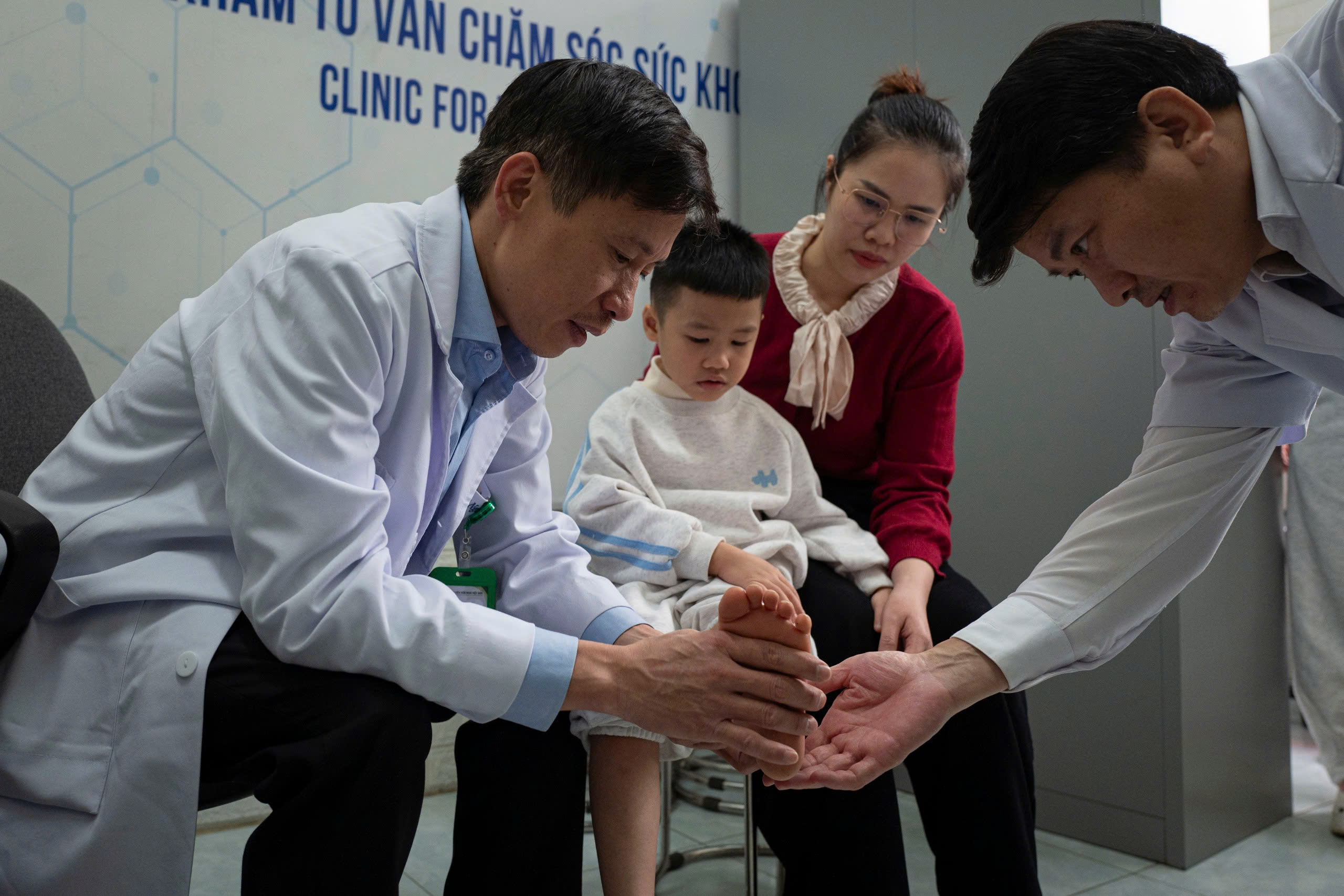
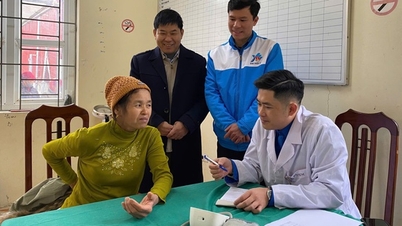
Associate Professor Dr. Nguyen Manh Khanh examines and performs surgery on patients in the mountainous region of Chiem Hoa (Tuyen Quang).
Looking at the bigger picture, Khau Luong - Khau Lang is just one point in the long journey that Associate Professor Dr. Nguyen Manh Khanh is pursuing. In 2024, amidst the floods in Van Yen and many other areas of Lao Cai, he continued to be present with members of the Sala Humanitarian Club on emergency missions. Without waiting for favorable conditions, the teams he led traveled through the night to reach the flooded areas, providing medical examinations, dispensing medicine, and offering medical support when people needed it most. For him, responding quickly in such situations is not only a professional responsibility but also a measure of the humanitarian value in medicine.
Leaving the flood-stricken areas, his journey continued to higher ground such as Ha Giang and Yen Bai (formerly) – where he and his colleagues implemented models supporting education linked to healthcare. Small details like providing cold-resistant flooring for classrooms in Lung Cung (Mu Cang Chai) or equipping remote schools in Khau Bung (Quyet Tien commune, Tuyen Quang province), Cau Quach village (Mau Dong commune), and Trung Tam village (Xuan Ai commune, Lao Cai province) with computers… For him, these were not merely symbolic actions, but essential links in a long-term solution: when knowledge expands and awareness is raised, people will be able to protect their own health and improve their lives. That is how medicine, in his view, needs to be integrated with the holistic development of human beings.
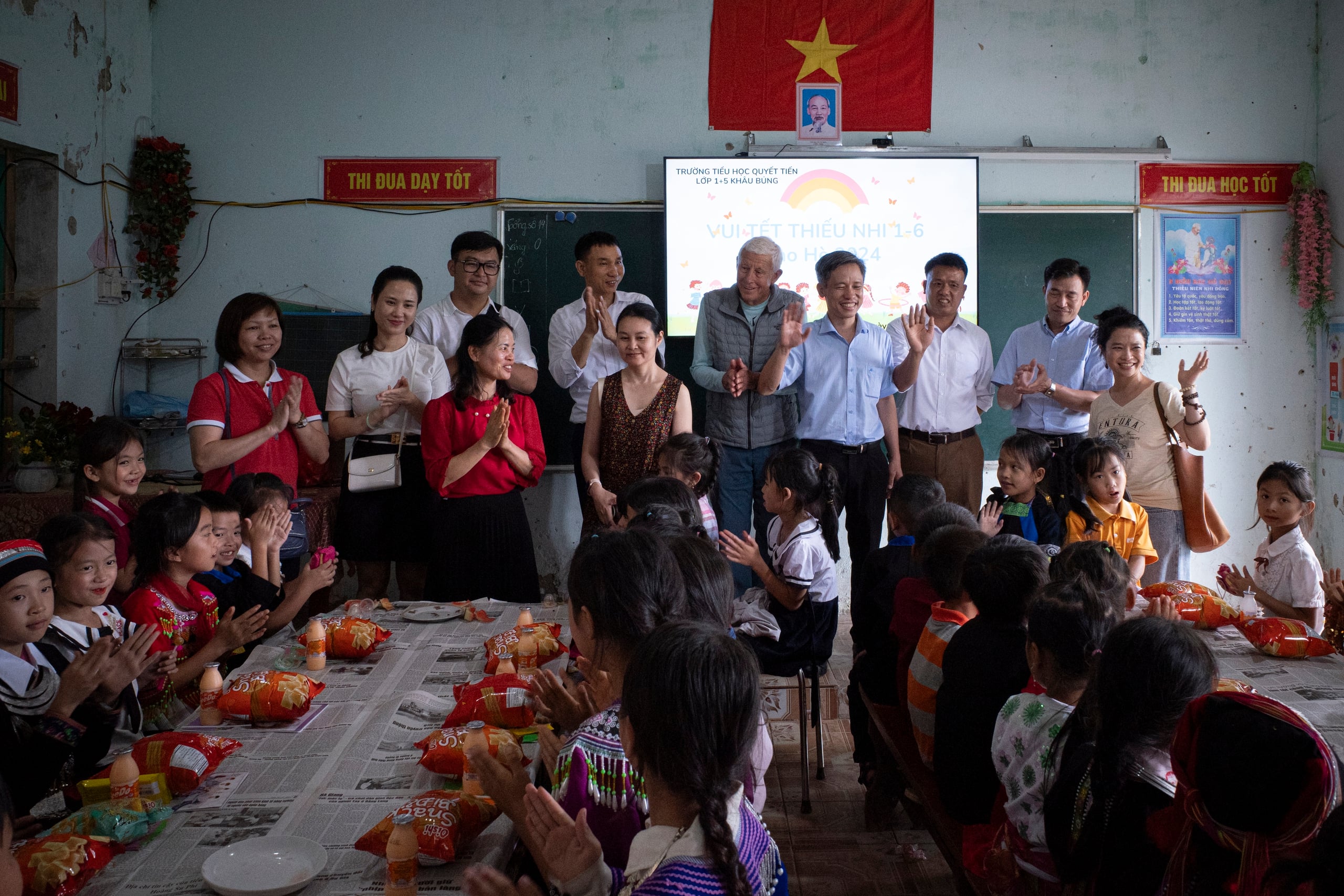
Associate Professor Dr. Nguyen Manh Khanh, along with philanthropists, presented gifts, cut the ribbon to inaugurate, and handed over a school in Khau Luong - Khau Lang village, worth 800 million VND, in Kien Thiet commune (Tuyen Quang).
From remote classrooms in mountainous regions to flood-stricken areas, from operating rooms to distant villages, his journey shows that healing is not just about saving a body, but also about opening opportunities for an entire life, awakening dreams that seemed to have been dormant. Returning to the hospital after each trip, Associate Professor Dr. Nguyen Manh Khanh brings not only professional experience but also glimpses into life, helping to adjust treatment approaches to suit the patient's circumstances. He also emphasizes to the younger generation of doctors: medicine is only complete when it places people at the center, and physicians need to combine expertise with empathy.
Diligently providing hands-on guidance to improve primary healthcare.
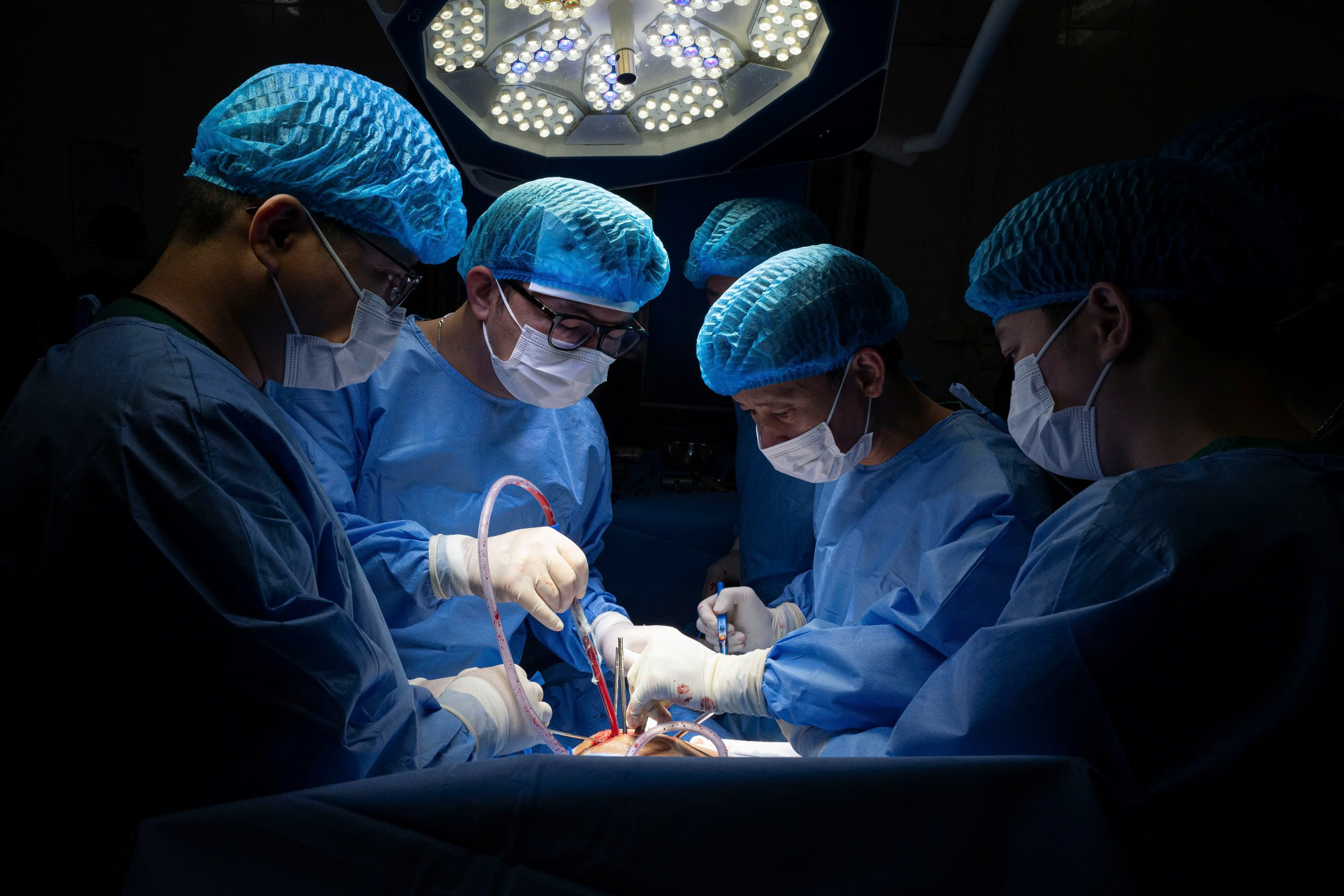
At the operating room of Chiêm Hóa Regional General Hospital (Tuyên Quang), after nearly three hours under limited equipment conditions, two hip and knee replacement surgeries were successfully completed. Without any jubilation or lengthy announcements, Associate Professor Dr. Nguyễn Mạnh Khánh immediately transitioned to his role as a mentor: requesting a review of pre-operative scans, analyzing each injury, and pointing out easily overlooked details. For him, success doesn't end in the operating room but begins in the moment knowledge is re-examined – because if not preserved and disseminated, the value of the surgery is limited to just one patient. "The difficulty lies not in the technique, but in the way the injury is interpreted" – this professional principle is also the key he imparts to his students. In a space where errors can cost lives, knowledge becomes a force for action, demanding absolute precision and courage.
Dr. Khanh's impact lies not only in his skill but also in how he transforms knowledge into opportunities for patients to live, especially in remote areas. Dr. Ha Van Linh, Director of Chiem Hoa Regional General Hospital, said that previously, the hospital had to transfer many serious cases to other hospitals, leading to risks and financial burdens. With hands-on training right on the operating table, the medical team not only acquired the techniques but also developed the ability to make independent treatment decisions. "Keeping patients here for treatment means keeping them alive right there," Dr. Linh said.
Head nurse Nguyen Van Anh recalled a critical case that would have certainly required transfer to a higher-level hospital, but was successfully treated at the local hospital under direct guidance. "It wasn't just a professional success, but the feeling of being able to save lives right here," Van Anh shared. After the surgery, the entire team reached a new level of maturity: from dependence to proactiveness, from anxiety to confidence – a professional transformation forged from practical experience.
Doctor Khanh provides hands-on guidance to improve primary healthcare.
Not only in Chiem Hoa, this model has been implemented by Associate Professor Dr. Nguyen Manh Khanh in many hospitals nationwide, especially in disadvantaged areas. Recalling his 2024 trip to Son Duong District Medical Center (Tuyen Quang province), he shared that it was a profound milestone in his journey of supporting lower-level healthcare facilities. During the trip, he and the district-level team directly performed a hip replacement surgery for the mother of a fallen soldier, Vu Thi Sau, 106 years old – a patient with multiple complex medical conditions requiring immediate professional decisions.
The surgery was successful, the patient recovered well, and returned to normal activities, bringing great joy to the family and the local medical team. This is also the oldest case in which Vietnamese medicine has successfully performed a double hip replacement, leaving a mark not only in terms of expertise but also in building trust in grassroots healthcare. Also during the trip, the district-level team, under the guidance of Associate Professor Dr. Nguyen Manh Khanh, promptly handled an emergency case of bladder rupture under time pressure and limited equipment, thereby further affirming the value of technology transfer: helping doctors at lower levels confidently handle cases on-site, preserving the patient's chance of survival instead of having to transfer them to a more distant facility.
Dr. Tran Lan Anh, Director of Yen Bai General Hospital (Lao Cai), emphasized that the core value lies not in short-term support but in "hands-on guidance" in treatment practice, helping doctors at lower-level hospitals master the techniques. When their capacity is improved, patients are kept for treatment locally, reducing the risk of referral and costs, creating a double benefit: the upper-level hospital is relieved of its burden, the lower-level hospital's capacity is increased, and patients have a greater chance of survival.
Dr. Pham Anh Van, Director of Ha Giang General Hospital (Tuyen Quang province), believes that the most important thing is to change mindsets: Saving lives is not limited to large medical centers. When the grassroots level has sufficient capacity, patients do not have to gamble with their lives when traveling, while simultaneously reducing pressure on higher-level facilities and expanding equity in access to healthcare.
From a broader perspective, Dr. Khanh's leadership journey is not just about providing professional support, but about bridging the gap between different levels of treatment. From under-equipped operating rooms to central-level hospitals, he steadfastly delivers knowledge to where it is most needed. On each operating table, where the line between life and death is always thin, that knowledge not only saves one patient but also preserves hope for many families behind them.
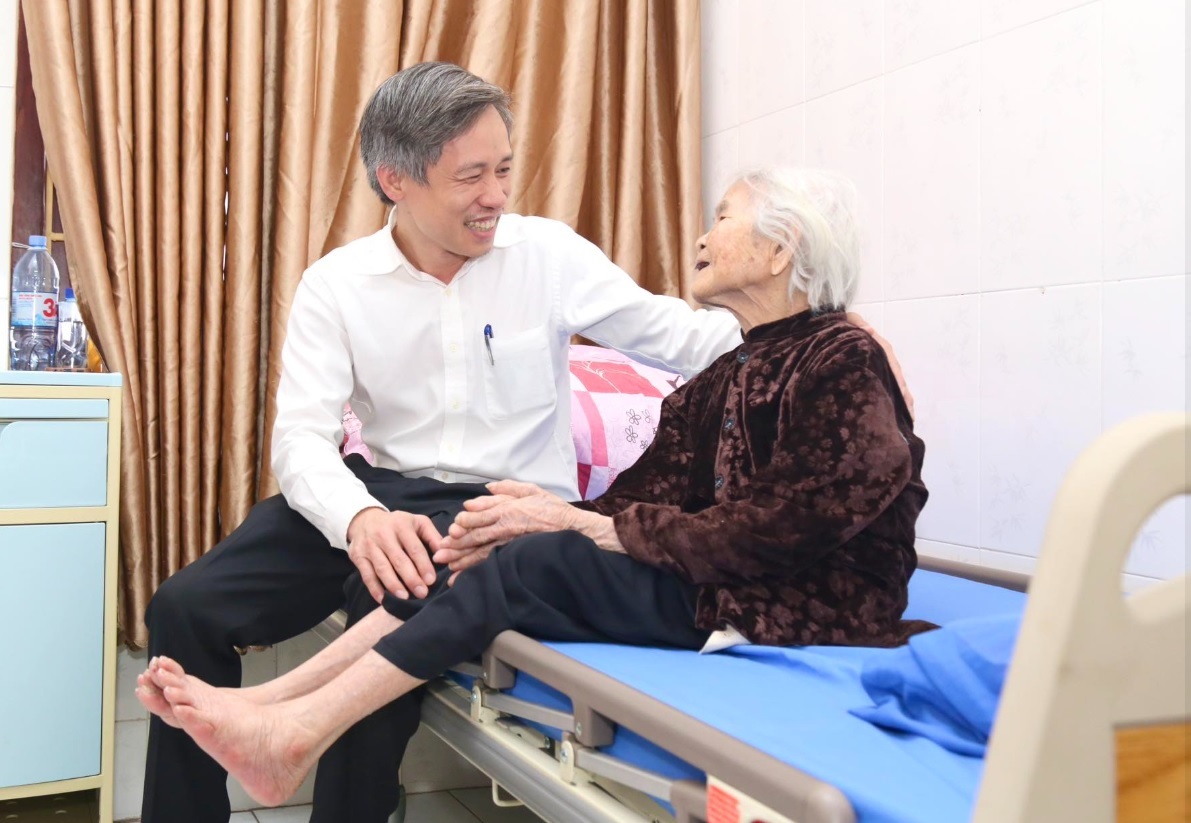
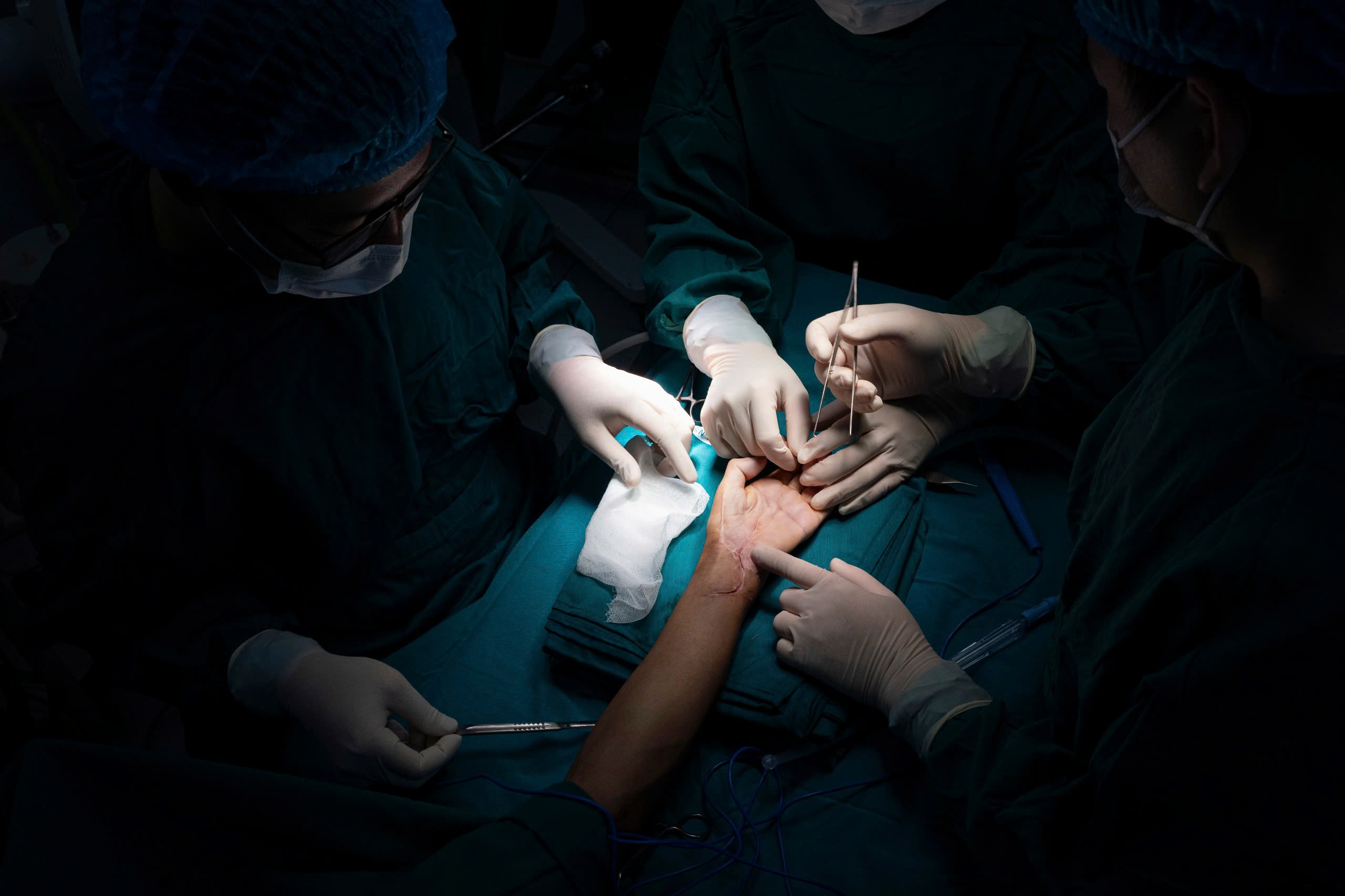
Associate Professor Dr. Nguyen Manh Khanh examined and successfully performed a double hip replacement surgery on Mrs. Vu Thi Sau, the 106-year-old mother of a fallen soldier, in Son Duong (Tuyen Quang).
The journey of knowledge contributes to elevating Vietnamese medical ethics.
One late afternoon at Viet Duc Friendship Hospital, a surgery lasting over five hours had just concluded. As the operating room lights dimmed, only the quiet of the post-operative recovery room and a hastily prepared packet of instant noodles remained. In those moments of silence, the portrait of Associate Professor Dr. Nguyen Manh Khanh emerged clearly: a man who did not seek prominence, but rose through perseverance, accumulating experience through each patient case and each professional decision.
Born in Hanoi in 1975, he grew up during a period of significant transformation in Vietnamese medicine. Graduating from Hanoi Medical University in 1997, he pursued residency training – a rigorous environment that laid the foundation for a solid clinical mindset. His academic journey has always been closely linked to practice, combining domestic training with further studies in France, the United States, Germany, and Australia. His 2011 doctoral dissertation and 2016 appointment as Associate Professor are the result of a persistent and clearly defined learning process.
Building upon that foundation, he expanded his role in training and research. A key highlight is the strong connection between research and clinical practice. His work goes beyond theory, directly addressing treatment challenges: ligament reconstruction using biomaterials, improvements in arthroscopy, development of minimally invasive techniques, and rehabilitation. Thanks to this, he has contributed to bringing Vietnamese orthopedics closer to international standards. Associate Professor, Doctor Nguyen Manh Khanh is a pioneer in applying modern technologies such as robotic joint replacement, computer-aided navigation, stem cell therapy, and "all-inside" endoscopy. These techniques improve accuracy and enhance patient recovery.
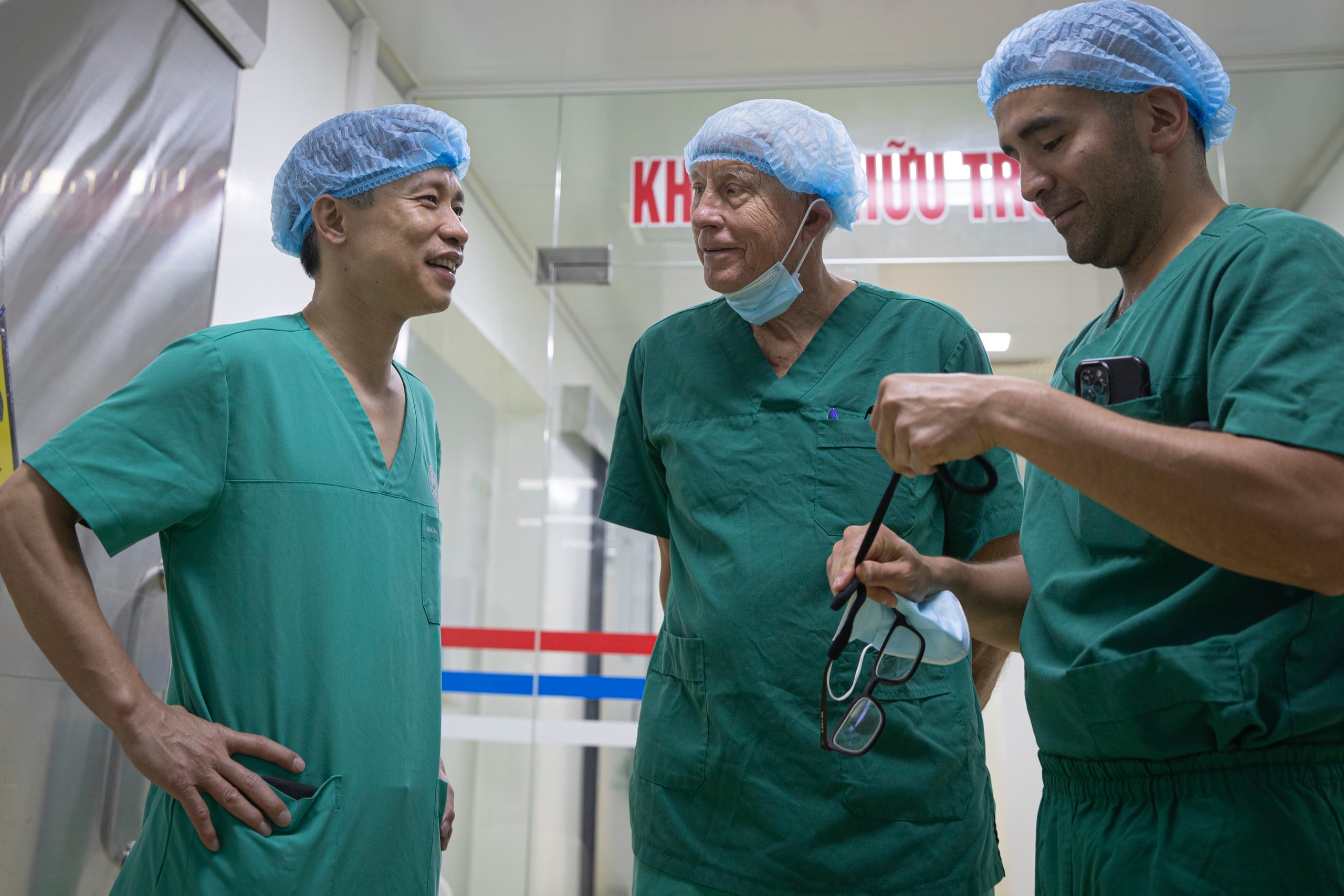
Associate Professor Dr. Nguyen Manh Khanh discussed with foreign experts to come up with solutions for difficult cases.
Beyond being a surgeon, he is also a scientist with over 140 internationally published works, leading numerous national and ministerial-level research projects. In education, he has supervised over 60 theses and dissertations, contributing to the development of a new generation of doctors. Under his guidance, students not only master techniques but also develop analytical thinking, decision-making skills, and a sense of responsibility.
In the hospital system, professional competence is only affirmed through organizational ability. Having been with Viet Duc Friendship Hospital for a long time, he has held many positions: Head of the Personnel Department, Principal - Chairman of the Board of Directors of Viet Duc College of Medical Equipment, Head of Department, Director of the Training and Referral Center, Deputy Director of the hospital; and simultaneously Chairman of the Vietnam Orthopedic Trauma Association and Head of the Department of Orthopedic Surgery at Hanoi National University. In each position, he consistently pursued the goal of standardizing processes, transferring technology, and improving the system's capacity. The three pillars of treatment, training, and research operate in a unified manner.
He was awarded the title of "Outstanding Physician" in 2020; he received the title of "Outstanding Emulation Soldier at the grassroots level" for 12 consecutive years (2013–2024), and the title of "Outstanding Emulation Soldier at the ministerial level" in 2017. He received two Certificates of Merit from the Prime Minister (2016, 2025), along with many certificates of merit from the Ministry of Health and local authorities. In addition, he was awarded the "Creative Labor" Certificate (2021) and the "For the People's Health" Commemorative Medal (2022). Notably, in his role as a mentor and leader of the Department of Upper Extremity Surgery and Sports Medicine, he and the department's staff were twice awarded the Third and Second Class Labor Orders by the President of Vietnam.

Associate Professor Dr. Nguyen Manh Khanh's journey demonstrates that medicine is not just about healing, but also about empowering life and building a humane, comprehensive medical system.
Recognition for Associate Professor Dr. Nguyen Manh Khanh comes from both within and outside Vietnam. Colleagues appreciate him as a clinical scientist who possesses both the ability to connect expertise deeply and a long-term development mindset. Head Nurse Bui Thi Nhung (Viet Duc Friendship Hospital) emphasized that Associate Professor Dr. Nguyen Manh Khanh's leadership style is decisive yet approachable, fostering trust in a high-pressure environment. On an international level, Professor Thomas Golden at VietCal (Ventura, California, USA) – who has collaborated with him for many years – highly praised his ability to integrate: "Dr. Khanh not only absorbs new knowledge but also knows how to adapt it to the Vietnamese context, thereby building sustainable professional connections."
Looking back on his entire journey, titles and positions are merely external milestones; the core value lies in the perseverance of a man who chose the long path: sowing knowledge, opening opportunities, and nurturing faith. Beyond simply treating illnesses, he contributed to expanding opportunities for patients, especially in underprivileged areas. Associate Professor Dr. Nguyen Manh Khanh's journey demonstrates that medicine is not just about healing, but also about empowering life and building a humane, comprehensive medical system. In this context, he has become a representative figure of the Vietnamese medical generation: strong in expertise, deeply integrated into the global community, rich in humanity, and ready to reach out to the world with unwavering resolve.
Please check out more videos of interest:
Source: https://suckhoedoisong.vn/pgstsbs-nguyen-manh-khanh-nguoi-giu-lua-tri-thuc-noi-dai-y-duc-169260423111657774.htm
![[Image] Hanoi's urban life under the challenge of a "scorching hot" environment](https://vphoto.vietnam.vn/thumb/1200x675/vietnam/resource/IMAGE/2026/05/25/1779706979265_nang-nong-t5-2026-minh-duy-7-4636-jpg.webp)
![[Image] Close-up view of the interchange connecting the two expressways and Long Thanh Airport.](https://vphoto.vietnam.vn/thumb/1200x675/vietnam/resource/IMAGE/2026/05/25/1779703378210_ndo_br_z7863716673926-224453a31600126cce10622af6290afd-4549-jpg.webp)































































Comment (0)