

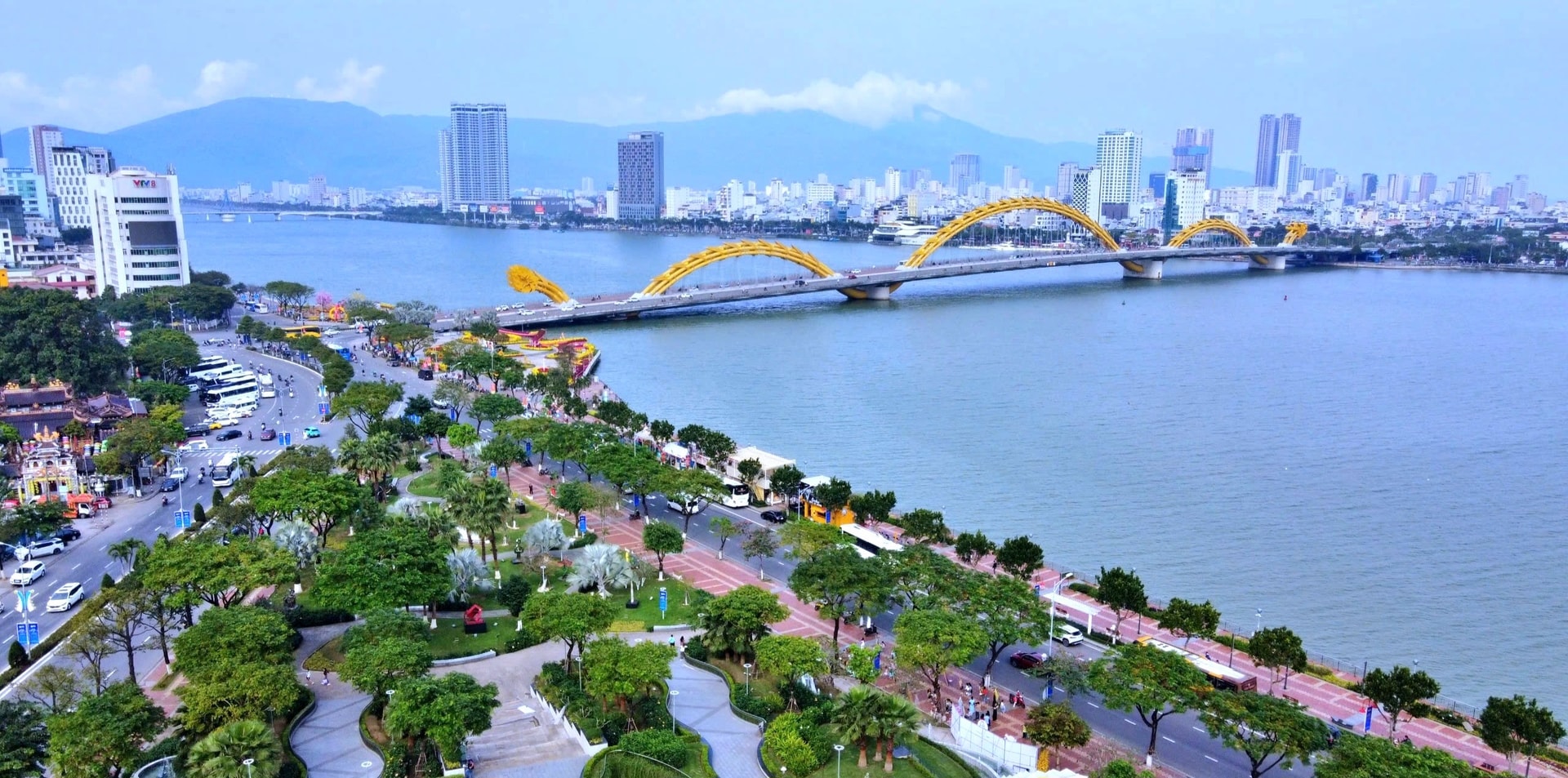
The lifeblood of the economic region.
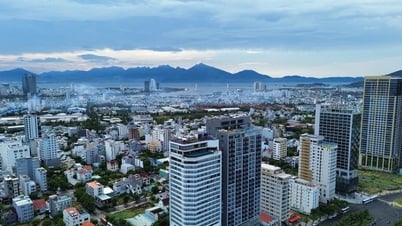
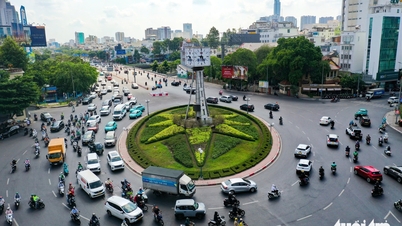
According to research by the Da Nang Institute for Socio-Economic Development, the coastal urban chain from Hue - Lang Co - Da Nang - Hoi An - Dien Ban - Tam Ky - Nui Thanh - Quang Ngai - Duc Pho currently concentrates approximately 80% of the workforce, 83.5% of the total number of businesses, 87.8% of production and business capital, and 60.1% of fixed assets.
In particular, it generates 90% of the economic output of the entire Central Vietnam Key Economic Zone. Furthermore, the Hue - Da Nang - Hoi An coastal tourism cluster currently accounts for approximately 6.4% of the country's total tourism revenue.
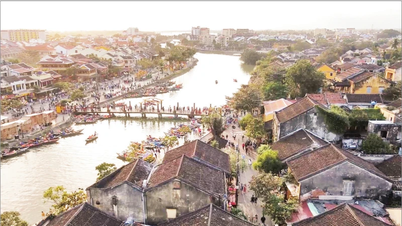
Notably, several cities in this region possess unique characteristics, defining their own distinct identities within Vietnam's urban system. The most prominent examples are the two centrally-governed cities of Hue and Da Nang, and the heritage city of Hoi An.
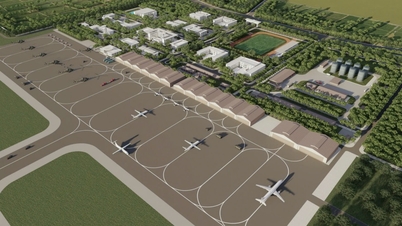
This area also boasts numerous national and international development drivers, including Phu Bai, Da Nang, and Chu Lai airports; three economic zones (Chan May - Lang Co, Chu Lai, and Dung Quat); and the Hoi An World Heritage Site…
Furthermore, a free trade zone and international financial center will soon be established in Da Nang. Therefore, this area is identified as the driving force for promoting industrialization, modernization, and international integration of the entire region.
According to Associate Professor Bui Quang Binh, former Head of the Economics Faculty (Da Nang University of Economics), the contribution of the eastern Quang Nam region to the province's economic growth has been quite stable throughout the period 2010-2023 (approximately 93%), and this rate is even slightly higher than the region's overall structure. However, Quang Nam's coastal corridor has not yet fully exploited its potential, facing infrastructure overload and significant challenges related to climate change.
Associate Professor Bui Quang Binh believes that it is necessary to continue upgrading the transportation infrastructure in the coastal area of Quang Nam to connect tourist areas and economic zones, forming a modern coastal economic corridor.
Developing the marine economy, tourism, clean industries, and port and airport infrastructure will be key factors in making the Eastern urban chain the economic engine of the region, making a significant contribution to creating a breakthrough for regional development.
"Assigning roles" to cities
After the administrative reorganization, many cities under the jurisdiction of local authorities in the region will no longer exist in their original scale. Nevertheless, the urbanization process will still accelerate, so each city needs to be positioned with appropriate functions, becoming harmonious pieces that help this urban region enhance its position within the overall national urban system. Hue City has been identified as a green city – a distinctive heritage city of Vietnam. Meanwhile, Da Nang is positioned as an ecological, modern, smart, livable city, achieving Asian-class standards.
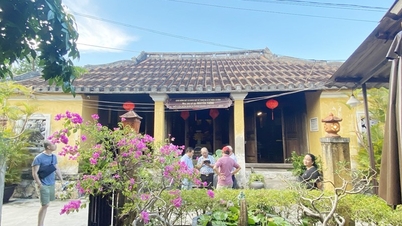
With two major "shadows" in the region, the cities and new urban areas of Quang Nam need a bit of differentiation to connect into the urban chain. Regarding Hoi An, according to Mr. Nguyen Van Son - Chairman of the People's Committee of Hoi An city, regardless of the model of government organization, this heritage city remains steadfast in its development orientation towards an "ecological - cultural - tourism" urban area. Alongside this, it aims to preserve and develop Hoi An as a "creative city" based on its cultural and heritage foundation.
Representatives from the Da Nang Institute for Socio-Economic Development Research recommended that the Hoi An - Dien Ban area should be planned as a smart tourism urban cluster, developing resorts, pedestrian streets, digital cultural museums, and international-scale performing arts centers linked to heritage sites, traditional craft villages, and the distinctive natural landscapes of Central Vietnam.
Regarding Tam Ky - Chu Lai, although the urbanization process is predicted to undergo considerable disruption due to administrative unit reorganization, experts believe that it is necessary to continue promoting the development of the urban area associated with Chu Lai airport, thereby establishing a prominent urban brand in industry and logistics.
Outlines for two new urban areas in Quang Nam province to "join" this coastal urban chain have also been drawn up. According to the Chairman of the Provincial People's Committee, Le Van Dung, with the recently approved general plan, in addition to its functions as a center for commerce, services, tourism, and resorts, Duy Hai - Duy Nghia also aims to become a logistics center for the fishing industry, providing labor and seafood raw materials for tourist areas.
This plan is linked to the overall tourism service space of Hoi An, aiming to build a distinctive urban space of national and regional significance. The new Binh Minh urban area will serve as a sub-regional center, meeting the resettlement needs of the coastal strip and providing labor for tourist areas.
Source: https://baoquangnam.vn/phan-vai-cho-chuoi-do-thi-dong-luc-3157105.html





























































Comment (0)