

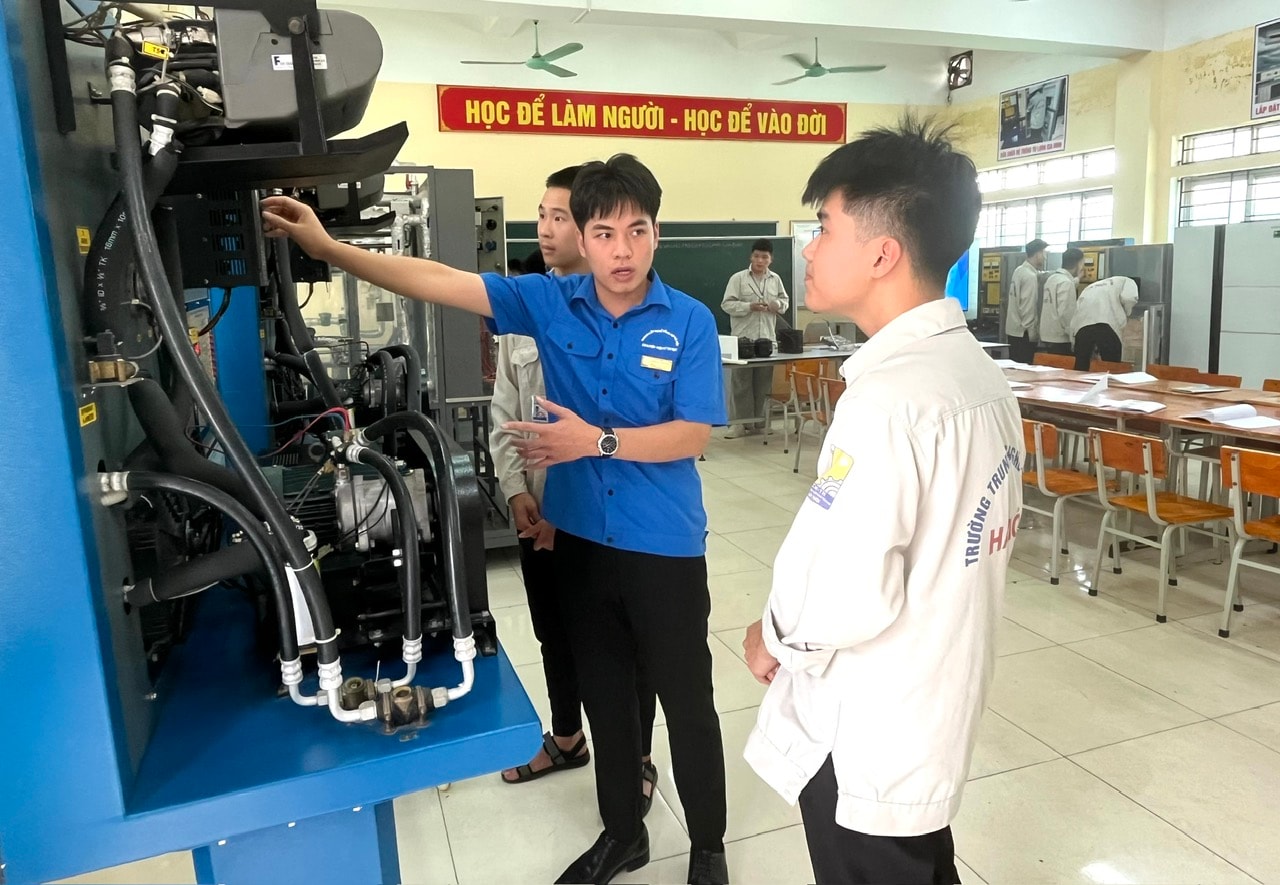
In implementing Government Resolution No. 105/NQ-CP, which promulgates the Action Program to implement Conclusion No. 210-KL/TW on continuing to build and improve the organizational structure of the political system, the vocational education sector is facing the requirement to streamline its network and improve operational efficiency.
Creating motivation to improve the quality of vocational training.
In the context of the growing demand for improved human resource quality, Resolution No. 105/NQ-CP is expected to create momentum for restructuring the vocational education network towards a more streamlined, efficient, and practical approach.
One of the notable aspects of the Resolution is the continued restructuring of public non-business units towards streamlining and improving operational efficiency, including in the fields of education and vocational training.
According to the Resolution's guidelines, the network of vocational education institutions will be reorganized to concentrate resources, reduce the number of institutions, improve training quality, and enhance the efficiency of public investment budget utilization. Specifically, for public vocational education institutions, each province and centrally-administered city will have a maximum of 3 secondary vocational schools and 3 colleges (excluding vocational education institutions that are self-sufficient in covering their operating expenses).
The resolution also outlines the direction for maintaining vocational and college-level schools that are already self-sufficient in covering their operating expenses; the remaining units will be reorganized, consolidated, or merged in accordance with the actual conditions of each locality.
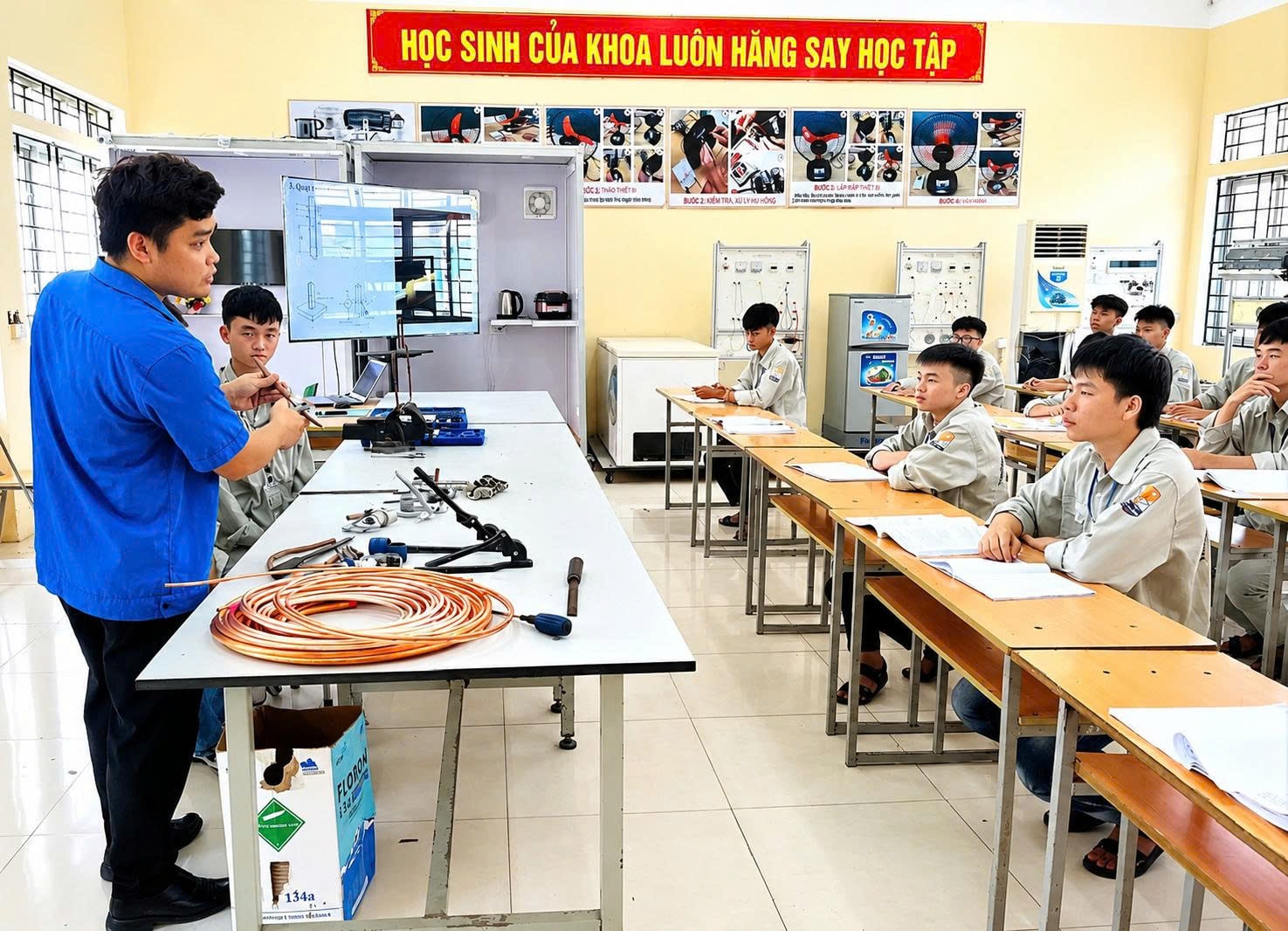
In the context of the growing demand for high-quality technical human resources, restructuring the vocational school network is expected to help focus investment on facilities, teaching staff, and training programs, thereby improving the operational efficiency of vocational education institutions.
Dr. Nguyen Ngoc Bich, Head of the Department of Administrative Law at Hanoi Law University, assessed that the restructuring of the vocational school network will contribute to better ensuring conditions regarding facilities, staff, and training quality. This policy also creates conditions for concentrating investment resources, improving management efficiency, and increasing professional linkages between training institutions.
Maintaining momentum for effective autonomous models.
Along with the requirement to streamline operations and improve the efficiency of public service units, many vocational education institutions in Hanoi are focusing on continuing to develop autonomous models that are operating effectively, possessing unique training strengths, and meeting the practical needs of the labor market.
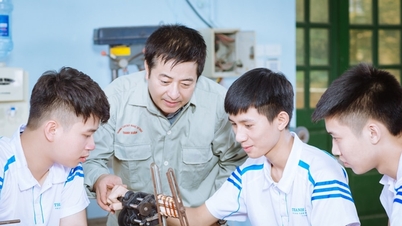
At Hanoi General Vocational College, the autonomy mechanism has been implemented since 2021, helping the institution to be more proactive in organizing training, investing in facilities, developing programs, and connecting with the human resource needs of businesses.
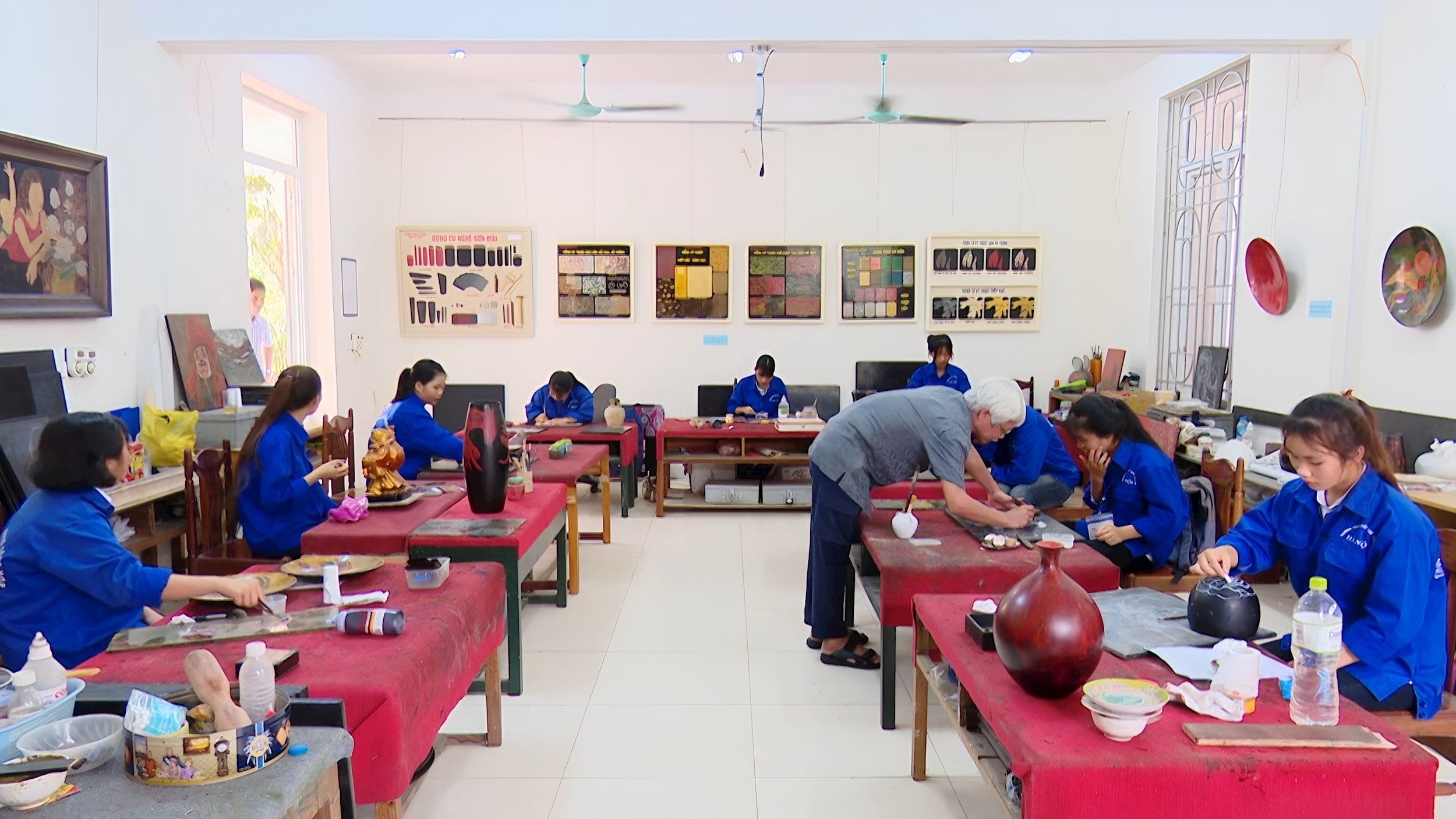
Currently, the school focuses on training in two main fields: industry and handicrafts.
Currently, the school is the only institution in the city that trains students in traditional handicrafts, contributing to the preservation and development of craft villages in the capital. The school's students are trained to supplement the workforce for craft villages in Thuong Tin, Phu Xuyen, Son Dong, and many other localities.
In the industrial sector, the school participates in training skilled human resources for industrial zones.
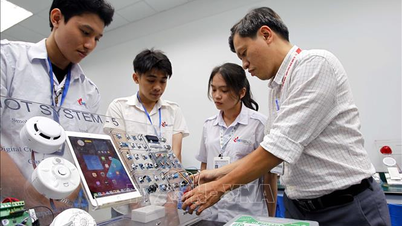
Practical experience has shown that the autonomy mechanism allows units to proactively invest in practical equipment, adjust training programs to suit recruitment needs, and increase their adaptability to the labor market.
According to Mr. Khuat Huy Bang, the school principal, the implementation of Resolution No. 105/NQ-CP will contribute to concentrating investment resources, avoiding dispersion, and improving the efficiency of the vocational education system. He believes that for institutions that have achieved stable autonomy and developed their own training strengths, maintaining the current model will help schools enhance their competitiveness, improve training quality, and create additional benefits for learners.
According to Mr. Khuat Huy Bang, when implementing autonomy, vocational education institutions must always proactively innovate to improve training quality, build policies to support learners, and develop the school's brand. This creates a positive competitive environment among training institutions, thereby giving learners more opportunities to choose a suitable learning environment.
Meanwhile, at the Hanoi Vocational College of Transportation and Public Works, the autonomous model has been implemented since 2021, creating conditions for the school to expand its training scale, strengthen cooperation with businesses, and improve the quality of vocational training.
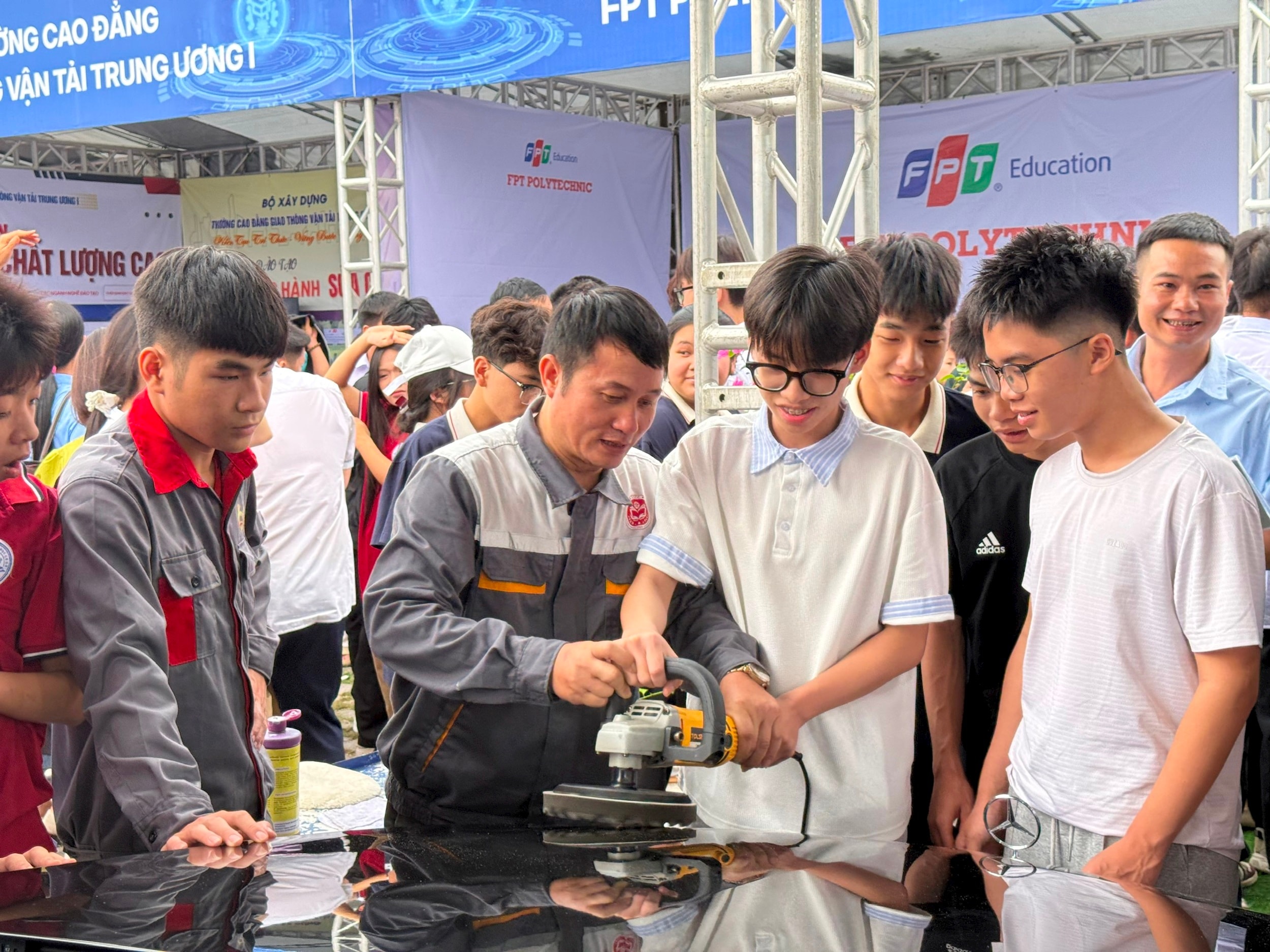
For many consecutive years, the school's enrollment results have met and exceeded the assigned targets, with some years enrolling nearly 1,300 students. The school also focuses on developing its teaching staff, supplementing teaching personnel, and strengthening practical training aligned with the real-world needs of businesses.
One of the school's outstanding programs today is Automotive Technology – a training program that meets ASEAN standards. Based on the practical needs of the labor market, the school has further developed the Automotive Paint Technology program to meet the demand for high-quality technical personnel from businesses.
The process of autonomy over the past period has helped the school become more proactive in cooperating with businesses to organize practical training, vocational skills training, and professional development for teachers. From this training environment, many students of the school have participated in national and international vocational skills competitions.
According to Mr. Tran Van Muoi, the school's Vice Principal, the implementation of Resolution No. 105/NQ-CP is a major policy aimed at streamlining the organizational structure and improving the operational efficiency of public service units. For schools that have already been granted autonomy, maintaining the current model will leverage their management experience, ability to connect with businesses, and training strengths, thereby contributing to improving the quality of human resource training.
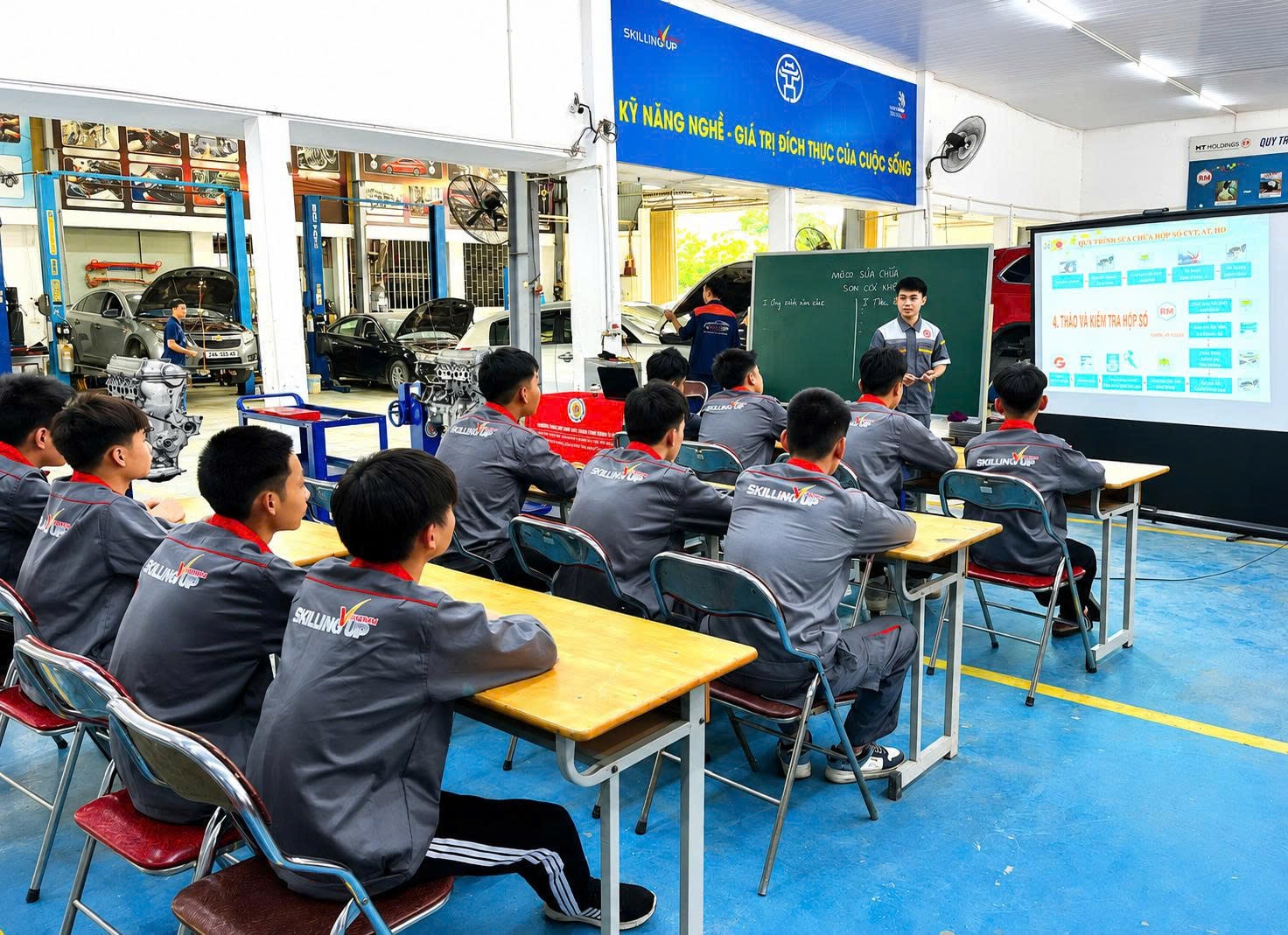
Maintaining effective autonomous models not only helps training institutions continue to innovate their programs and expand their fields of study to meet labor market demands, but also contributes to improving the quality of technical human resources for the capital city in the new development phase.
Regarding this matter, Dr. Nguyen Ngoc Bich stated that the implementation of Resolution No. 105/NQ-CP needs to be carried out in accordance with the practical conditions of each locality and each training institution. The goal of the restructuring is not only to streamline the organizational structure but also to improve the quality of operation of the entire vocational education system. The restructuring of the vocational school network should aim to create stronger training institutions that leverage existing strengths and better meet the requirements for human resource training in the new era.
Source: https://hanoimoi.vn/phat-huy-tu-chu-cua-truong-nghe-751038.html
![[Image] Hanoi's urban life under the challenge of a "scorching hot" environment](https://vphoto.vietnam.vn/thumb/1200x675/vietnam/resource/IMAGE/2026/05/25/1779706979265_nang-nong-t5-2026-minh-duy-7-4636-jpg.webp)


![[Image] Close-up view of the interchange connecting the two expressways and Long Thanh Airport.](https://vphoto.vietnam.vn/thumb/1200x675/vietnam/resource/IMAGE/2026/05/25/1779703378210_ndo_br_z7863716673926-224453a31600126cce10622af6290afd-4549-jpg.webp)

















































































Comment (0)