

Hanoi has a great opportunity to make a breakthrough.
For decades, the Vietnamese economy in general, and the capital city in particular, has primarily operated on a linear model: "Resource exploitation - Production - Consumption - Disposal". While this model has fulfilled its historical mission of lifting the country out of poverty and backwardness, it has now revealed many limitations. For example, the depletion of natural resources, the enormous volume of waste dumped into landfills, and the tangible consequences of climate change are creating suffocating pressure on the urban ecosystem.
Entering 2026, with Hanoi boasting over 8.5 million inhabitants and dozens of industrial zones and clusters operating day and night, continuing economic development along the old lines is impossible. The shift towards a green and circular economy is the only way out, creating a closed loop where the output of one industry becomes the input material for another, or is recycled within the same enterprise.
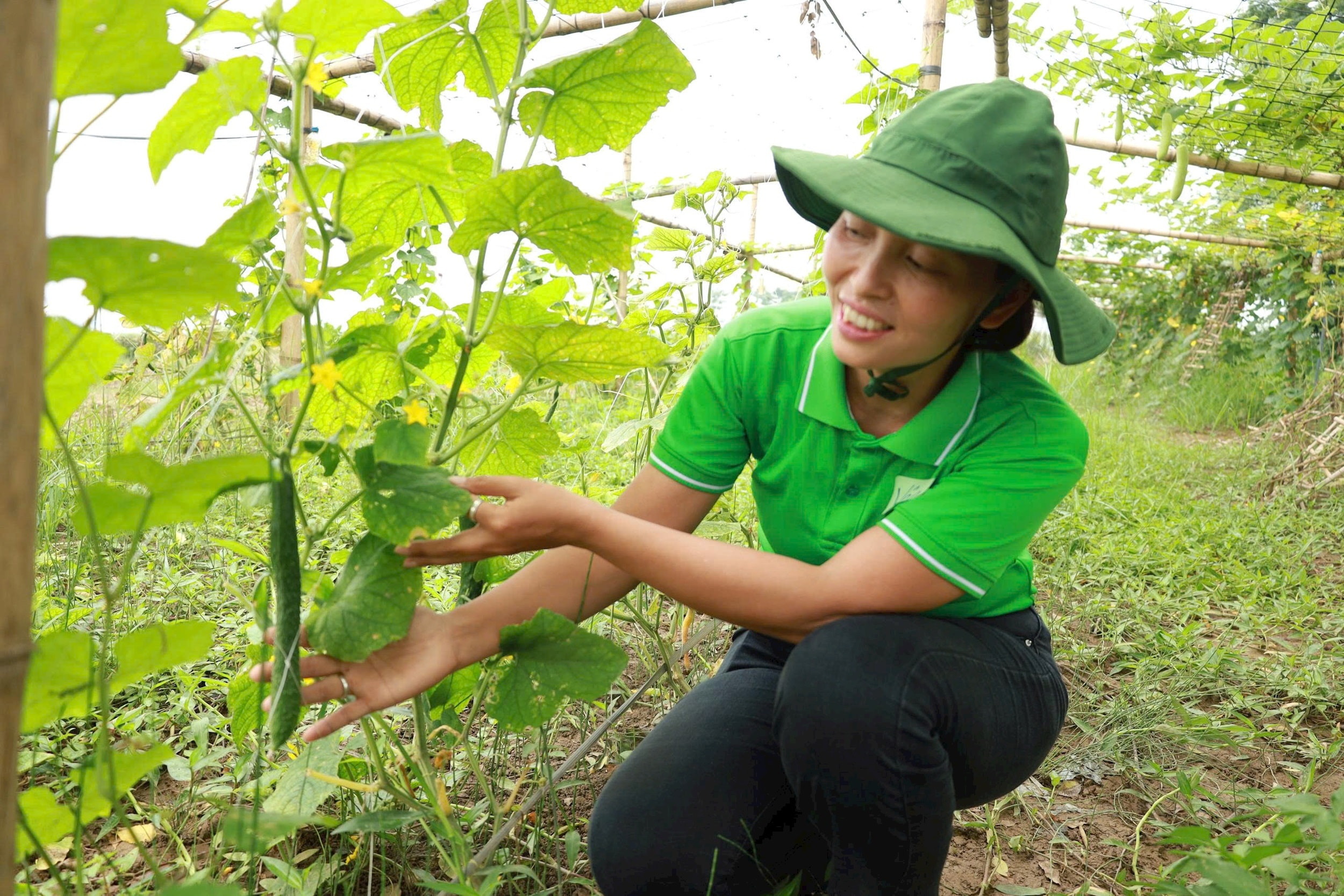
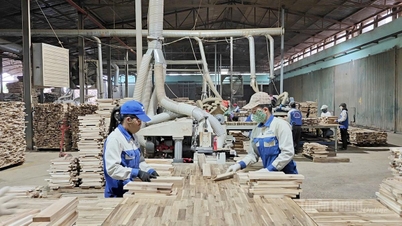
The circular economy not only helps to maximize the value of resources and energy, increase value for businesses, and reduce waste treatment costs, but also opens up new fields, technologies, equipment, and environmentally friendly products.
More importantly, the circular economy promotes economic restructuring, improves labor productivity, accelerates industrialization and modernization, and helps Vietnam participate more deeply in global value chains and effectively exploit new-generation free trade agreements.
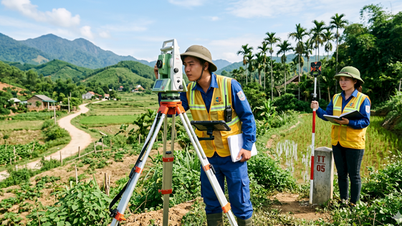
In recent years, Hanoi has actively promoted the development of a green and circular economy, and its effectiveness has been initially demonstrated. Many households have proactively adopted sustainable agricultural production models such as rice cultivation combined with crab and fish farming; cattle breeding; and commercial colored-feathered chicken farming according to VietGAP standards.
These models have been implemented in many suburban areas such as Ba Vi, Thach That, Ung Hoa, My Duc, Soc Son, Phuc Tho and Chuong My, contributing to increased production value and efficient resource utilization.
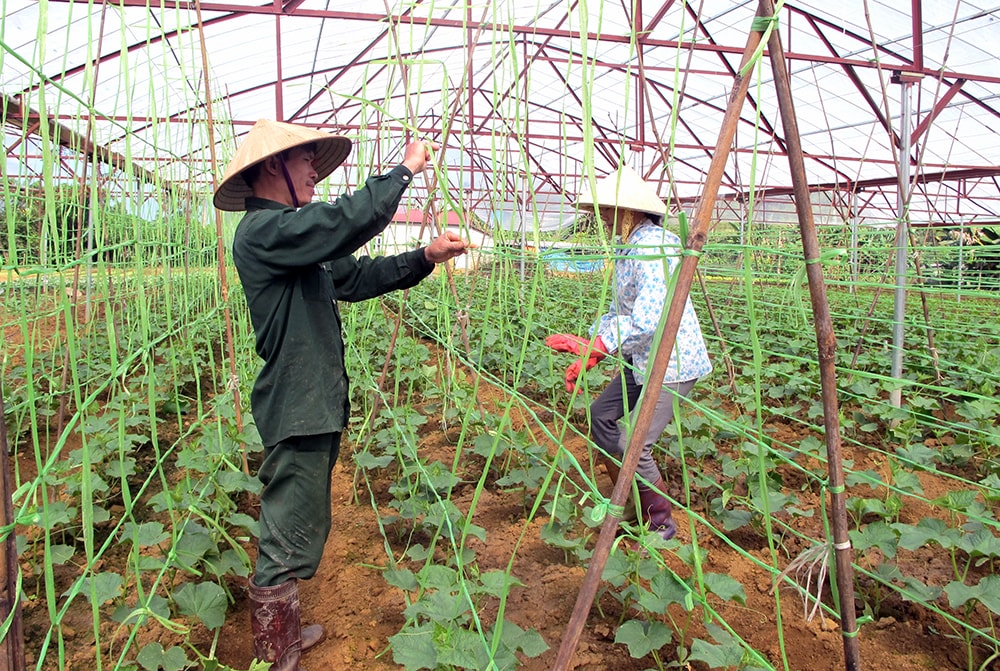
Building a solid "green belt" to protect the inner city core.
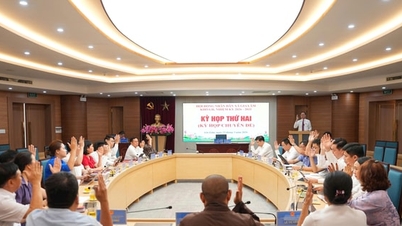
Developing a circular economy has been identified by Hanoi as one of the top priorities in its socio-economic development plan. The Resolution of the 18th Congress of the Hanoi City Party Committee, for the 2025-2030 term, also clearly identifies the development of a circular economy as one of the strategic policies aimed at promoting rapid and sustainable growth.
Recognizing the importance of policy platforms, Hanoi has recently concretized the major guidelines of the Politburo into specific planning and action plans. The amended Capital City Law, upon implementation, has granted Hanoi exceptional mechanisms to attract green finance resources and prioritize space for high-tech, eco-friendly projects.
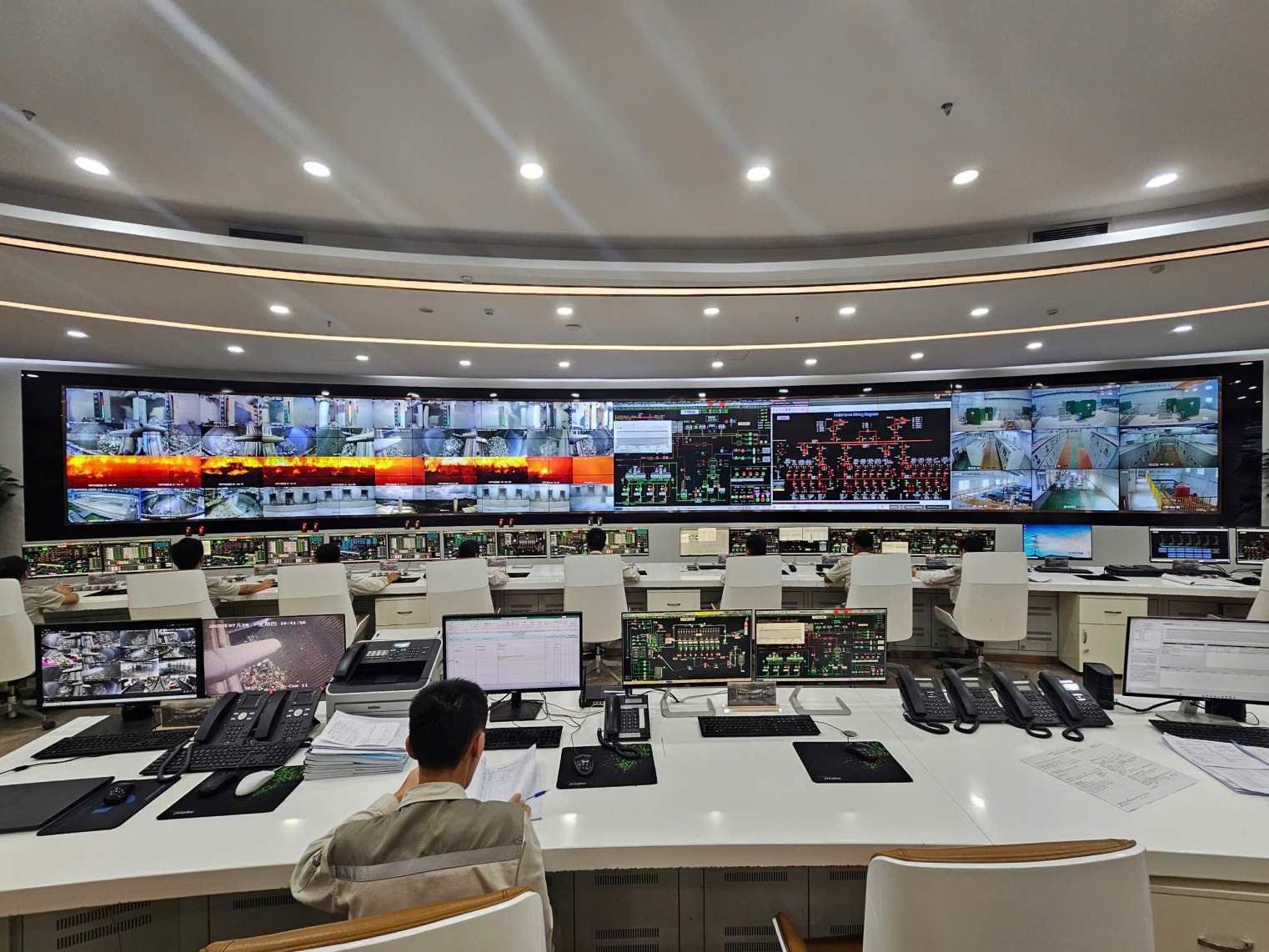
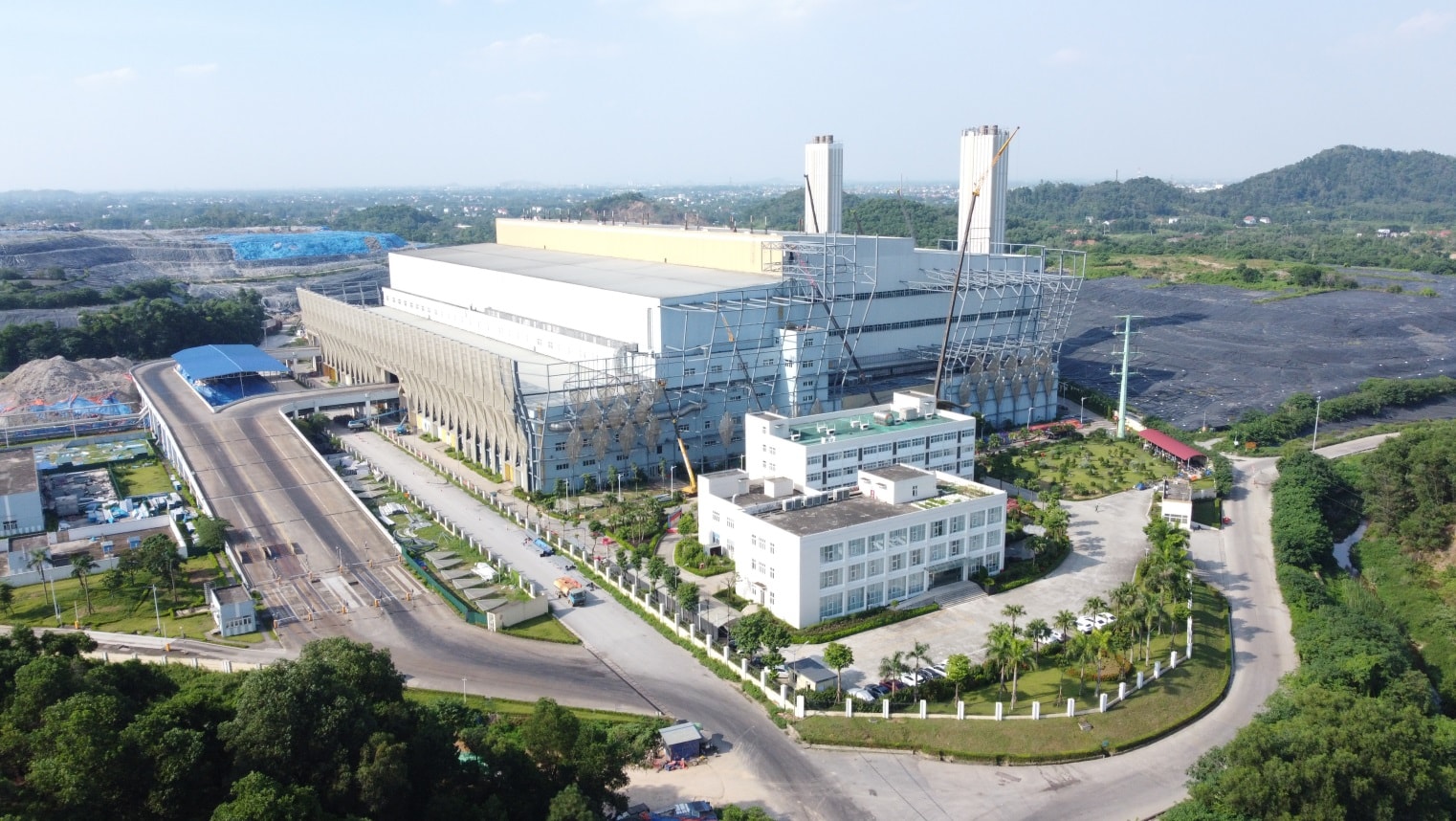
These innovative efforts quickly bore fruit, creating pioneering and proud achievements. The most notable example is the revolution in solid waste management. Instead of landfilling, which wastes land and pollutes groundwater, Hanoi has successfully put into operation large-scale waste-to-energy plants. Thousands of tons of household waste each day are now "recycled," transformed into energy that feeds into the national power grid, effectively solving environmental bottlenecks while providing a practical energy supply.
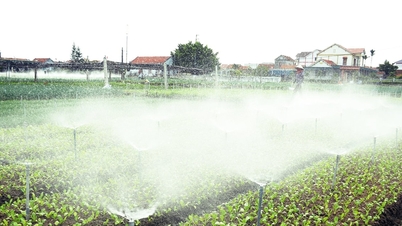
Spreading from industry, circular thinking is also taking deep root in suburban agricultural areas. Ecological farm models in Dan Phuong, Ba Vi, Chuong My, etc., are thoroughly applying the "zero-emission" principle. Agricultural by-products such as straw and livestock manure are collected and processed with biological preparations to regenerate into organic fertilizers, which are then used back in high-quality rice fields or VietGAP-certified fruit orchards. This synergy not only brings outstanding economic efficiency but also weaves a solid "green belt" to protect the inner city core.
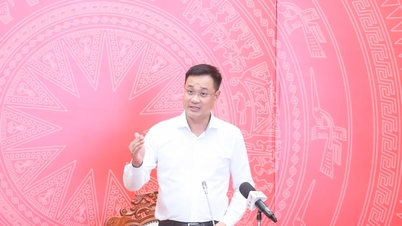
Economist and Doctor Nguyen Minh Phong emphasized that the development and implementation of green and circular economy plans must be linked to the strategies and planning of sectors and fields, as well as the socio-economic development of Hanoi and the Capital Region. Accordingly, in agriculture, priority should be given to developing large-scale, concentrated production areas and clusters, linking the "four stakeholders" (farmers, businesses, scientists, and the government) along the value chain, applying high technology, organic and ecological methods, and ensuring food safety according to international standards. In addition, attention should be paid to developing traditional crafts, OCOP products, advantageous crops and livestock, and transforming by-products into high-value products.
Furthermore, Hanoi needs to focus on building brands and geographical indications, strictly adhering to production processes, and applying a traceability system to ensure product quality and compliance with international standards. The city also needs to invest in developing "agricultural-industrial clusters," building a transparent supply-demand database, and moving towards establishing a digital agricultural product exchange.
Hanoi's economic landscape in the era of integration is being adorned with the bright colors of ecological thinking and sustainable circularity. Adhering to a green growth orientation is not simply about fulfilling international commitments to reduce greenhouse gas emissions; more profoundly, it is a commitment to responsibility for the future of generations to come.
Developing a green and circular economy is the universal key, the "steel lever" for the capital to remove the bottlenecks of the old growth model. When factories emit less smoke, when waste is recycled into resources, and when electric buses and trams replace noisy vehicles... we are truly reaching the aspiration for a peaceful and prosperous Hanoi. It will be a city not only rich in material wealth, but also a safe and clean living space, worthy of being the capital of conscience, dignity, and the pride of the entire nation.
Source: https://hanoimoi.vn/phat-trien-kinh-te-xanh-kinh-te-tuan-hoan-don-bay-thiet-yeu-kien-tao-thu-do-phat-trien-ben-vung-748439.html

![[Image] Close-up view of the interchange connecting the two expressways and Long Thanh Airport.](https://vphoto.vietnam.vn/thumb/1200x675/vietnam/resource/IMAGE/2026/05/25/1779703378210_ndo_br_z7863716673926-224453a31600126cce10622af6290afd-4549-jpg.webp)

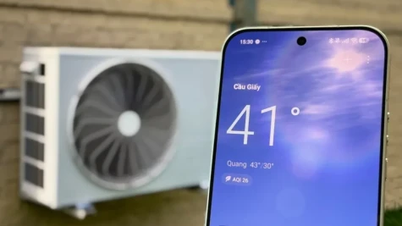
![[Image] Hanoi's urban life under the challenge of a "scorching hot" environment](https://vphoto.vietnam.vn/thumb/1200x675/vietnam/resource/IMAGE/2026/05/25/1779706979265_nang-nong-t5-2026-minh-duy-7-4636-jpg.webp)







































































Comment (0)