

From trade disputes and tariffs on Indian goods to pressure related to New Delhi's continued oil imports from Russia, a range of issues affecting bilateral relations were placed on the agenda...
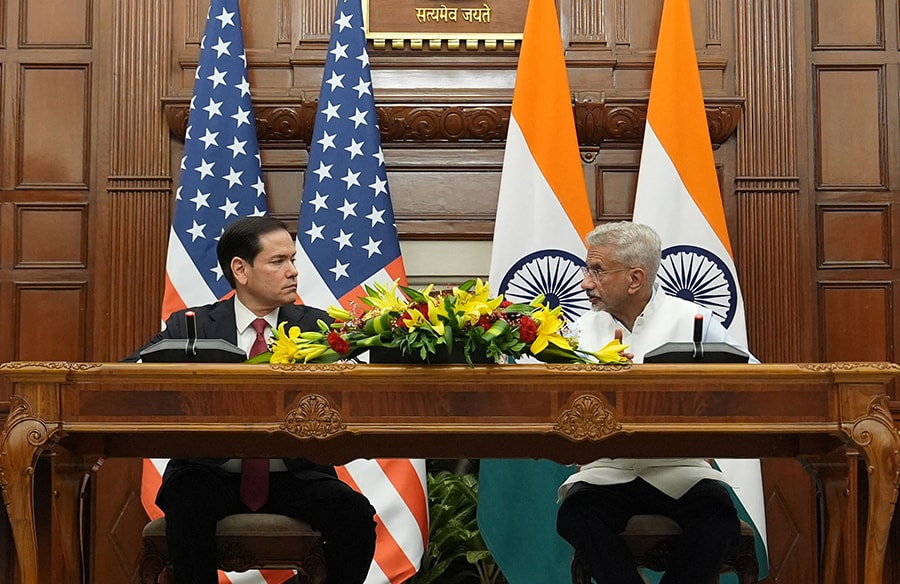
India plays a central role in the U.S. approach to the Indo-Pacific region. The previous administration of President Joe Biden prioritized relations with India, viewing New Delhi as a crucial strategic partner, as evidenced by hosting Prime Minister Narendra Modi on a state visit in 2023. President Donald Trump also hosted Prime Minister Narendra Modi at the White House at the beginning of his second term.
Analysts suggest that US-India relations are currently shifting from a relatively stable trajectory to a more transactional and competitive phase. Therefore, a diplomatic visit is unlikely to completely resolve the differences and mistrust between the two sides.
Furthermore, tensions between the US and Iran, along with Washington's increased engagement with Pakistan and China, have fueled New Delhi's doubts about the consistency of US strategy, even as India continues to pursue its own strategic autonomy and maintain relationships with various partners. This demonstrates that, despite shared interests in the Indo-Pacific region, significant differences remain between the two sides in their approaches to key geopolitical issues.
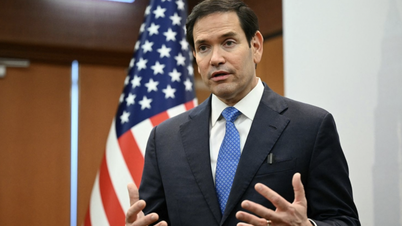
The US choice of Secretary of State Marco Rubio for this trip is considered "sophisticated," as he is one of Washington's most hardline figures toward Beijing.
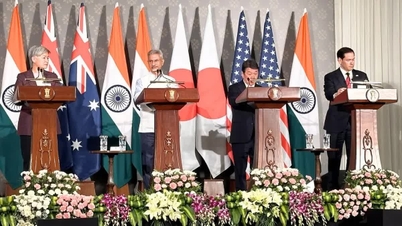
In a joint press conference with Indian Foreign Minister Subrahmanyam Jaishankar, Marco Rubio defended Washington's tough trade policy, asserting that it was a global demand not specifically aimed at India. At the same time, he signaled a conciliatory stance, stating that the two countries were "very close" to a sustainable trade agreement that could be finalized "soon."
However, according to many experts, the real goal of the visit was not to create a major breakthrough but primarily to stabilize a relationship showing clear signs of strain. In other words, it was more of a “damage control” effort than a profound strategic adjustment. Washington seemed to want to allay New Delhi’s growing perception that the US was reducing its commitment to the bilateral relationship.
While core areas of cooperation such as defense, technology, and regional security remain intact, India is increasingly concerned about the level of priority that US leaders give to relations with the country. Therefore, US Secretary of State Marco Rubio's visit carries more symbolic significance and sends more political signals than it will bring about immediate substantive change.
Observers believe that the reassuring moves from Washington have helped create a temporary sense of stability after months of tension over tariffs and strategic policy differences. The easing of some tariff measures by the US has also contributed to an improved atmosphere for dialogue. However, the real test remains in the next phase: whether Washington can maintain a consistent message and resolve the outstanding trade disputes.
The visit also highlighted the reality that, while the foundation of US-India relations remains strong enough to avoid collapse, the room for further development is no longer as vast as before. Washington wants to boost energy exports, strengthen supply chains, and enhance India's strategic role, while New Delhi wants access to cheaper energy and reduced technological dependence.
Therefore, although Marco Rubio reaffirmed the US-India strategic partnership as "not limited to the Indo-Pacific region but global in scope," and emphasized cooperation on energy diversification and technology, structural barriers to a comprehensive trade agreement remain significant. Investigations under US trade law and unstable policy shifts in Washington continue to make New Delhi hesitant.
The US Secretary of State's visit to India is seen as an attempt to maintain a "stabilizing line" in US-India relations, rather than a sign that the two sides have resolved their fundamental differences.
Source: https://hanoimoi.vn/quan-he-my-an-do-giu-on-dinh-hon-la-tao-dot-pha-975856.html
![[Photo] Standing Committee member of the Party Central Committee Tran Cam Tu working with the Central Inspection Committee](https://vphoto.vietnam.vn/thumb/1200x675/vietnam/resource/IMAGE/2026/05/28/1779969579668_ndo_br_bnd-2495-jpg.webp)



















































Comment (0)