The provincial tax department is focusing on processing and collecting tax arrears to supplement the state budget, serving investment, development, and social welfare in the province.
The trend of increasing tax debt.
Over the past period, the Provincial Tax Department has aggressively implemented solutions to support and facilitate taxpayers to the maximum extent. At the same time, it has strengthened efforts to raise awareness and remind taxpayers to voluntarily fulfill their tax obligations in accordance with State regulations; and taken strong measures against cases of persistent and long-standing tax arrears.
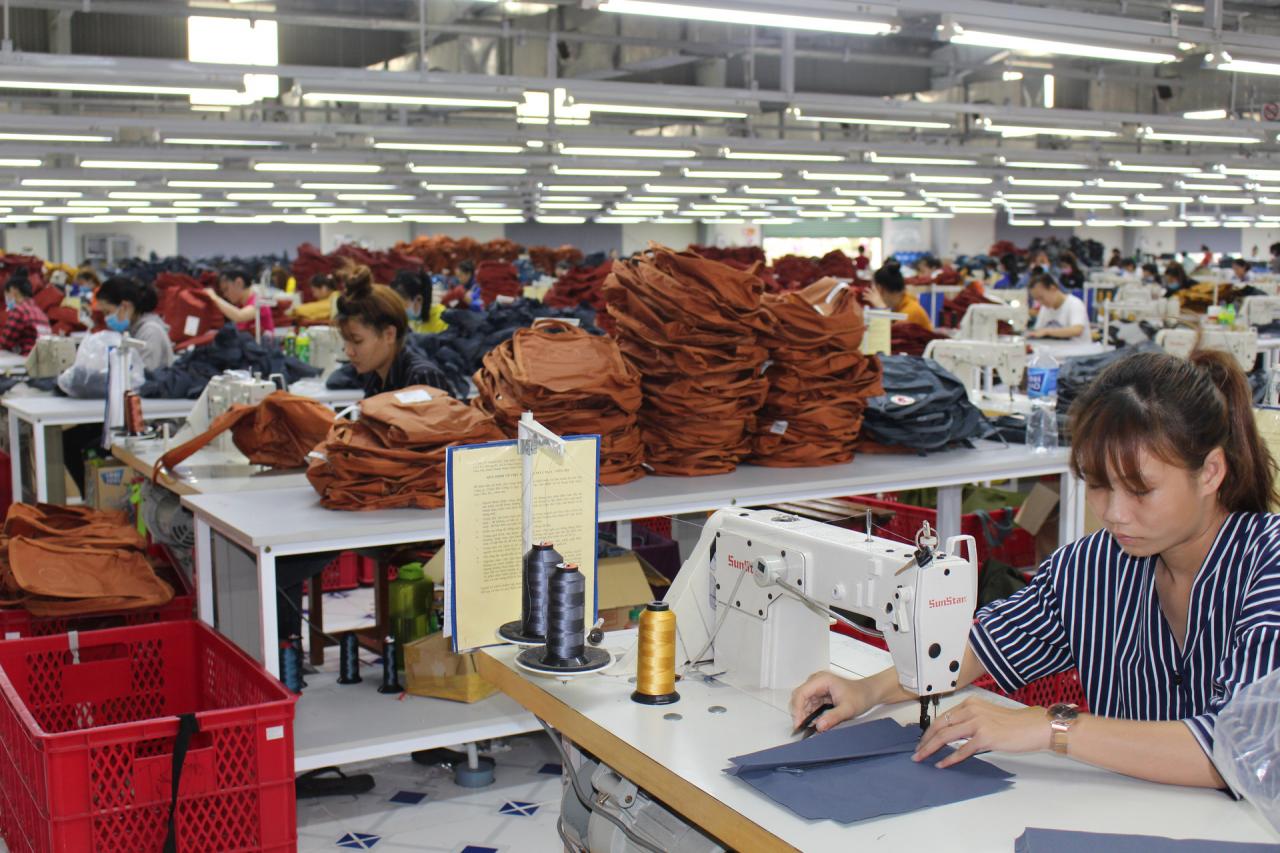
Difficulties in business operations are affecting the handling of tax debts.



Managing tax debt and ensuring timely collection for the state budget continues to be a key task that the tax sector has focused on since the beginning of 2024. The tax sector has concentrated on urging and applying coercive measures to recover tax debts from businesses with large outstanding debts. As a result, a significant amount of outstanding tax debt from several businesses has been recovered for the state budget, a reduction of VND 207.5 billion compared to the debt as of December 31, 2023. However, the tax debt situation remains high, estimated at VND 1,428.6 billion as of February 19, 2024; of which: total tax and fee debt is VND 744.8 billion; and total recoverable debt from the previous year is VND 67.3 billion.
Ms. Tran Thi Dieu Hoang, Director of the Tax Department, analyzed: The high level of tax debt is due to the fact that after the pandemic, the "health" of businesses deteriorated, facing many difficulties. Production and business activities were unfavorable, access to loans was limited, and losses persisted. Many businesses operated at a reduced capacity or temporarily suspended production and business activities, leading to a tendency for tax debt to increase, making it difficult to collect revenue in the area. According to preliminary statistics from the tax authorities, in recent years, the number of businesses temporarily suspending operations and closing their tax codes was 520 in 2021, 997 in 2022, 869 in 2023, and 374 in the first two months of 2024 alone…
According to the tax authorities, the tax debt situation is trending upwards in 2024, with the current debt ratio exceeding 10% of the province's total budget revenue. Tax debts are mainly concentrated in the following business sectors: real estate; mining; construction; wholesale and retail trade; repair of automobiles, motorcycles, and other vehicles; finance, banking, and insurance; accommodation and food services…
Difficulties in debt collection
According to the Tax Department's assessment, the ratio of outstanding tax debt to total revenue remains high. This is due to several businesses owing taxes, with the continued accumulation of additional tax liabilities beyond the extension period stipulated in Government Decree 12/2023. Some businesses have long-standing tax debts because of obstacles preventing them from commencing operations or exploitation, such as waiting for local authorities to clear land, resolve compensation disputes, or awaiting approval of plans to adjust land use purposes or mining areas. Specifically, taxpayers have not yet paid their taxes to the state budget. Examples include Saigon Investment Co., Ltd.; Construction and Transportation Engineering Joint Stock Company 677; and Cat Tuong Mineral Exploitation and Processing Co., Ltd. Simultaneously, outstanding land lease and mineral exploitation rights fees continue to accrue annually, but are unlikely to be recovered.



The Tax Department analyzes that many businesses are facing difficulties amidst the overall economic downturn. Bank interest rates remain high, and the real estate market is sluggish, affecting their ability to repay debts and financial obligations. Capital is primarily used for restructuring and reinvestment, so paying all taxes would completely cripple businesses' liquidity and prevent them from generating surplus funds to ensure operations and maintain business activities. Specifically, examples include: Delta Valley Binh Thuan Company, Tan Ha Investment Company Limited… In addition, some businesses have very large monthly tax debts; however, due to financial difficulties and limited funds, they can only pay debts overdue for more than 90 days and accept a late payment penalty of 0.03%/day, which is one of the reasons for the increase in tax debt and late payment penalties. Examples include: Song Binh Mineral Company, Tan Quang Cuong Trading Company Limited; Ta Zon Joint Stock Company…
To effectively carry out the debt management tasks in 2024, the Tax Department has implemented several focused solutions. Specifically, the Provincial Tax Department has implemented and concretized the tasks of collecting tax debts, handling outstanding debts, and managing tax arrears annually for each debt management officer and civil servant in the functional departments of the Department's office and the regional, district, and city tax branches. They have reviewed and classified tax debts to ensure they are classified according to the nature of the debt, analyzed the causes of debt for each taxpayer, and applied appropriate debt collection measures for each case. They have also fully implemented all measures for urging, enforcing, and publicly disclosing information in accordance with the Law on Tax Administration…
Source

![[Image] A look back at the capital's preparations for the century-long master plan.](https://vphoto.vietnam.vn/thumb/1200x675/vietnam/resource/IMAGE/2026/06/29/1782750453122_quy-hoach-100-nam-minh-duy-1-2118-jpg.webp)
![[Photo] National Assembly Chairman Tran Thanh Man attends the Conference to announce the Master Plan for Hanoi Capital City with a 100-year vision.](https://vphoto.vietnam.vn/thumb/1200x675/vietnam/resource/IMAGE/2026/06/29/1782709639728_ndo_br_1-jpg.webp)
![[Photo] General Secretary and President To Lam works with the Party Committee of the Government on the work of preventing and combating storms, floods, extreme natural disasters and climate change.](https://vphoto.vietnam.vn/thumb/1200x675/vietnam/resource/IMAGE/2026/06/29/1782729441945_a1-bnd-0385-9454-jpg.webp)





































































![[Image] Building an elevated road through the Ma Da forest.](https://vphoto.vietnam.vn/thumb/402x226/vietnam/resource/IMAGE/2026/06/29/1782724737750_anh-man-hinh-2026-06-29-luc-16-18-43.png)