

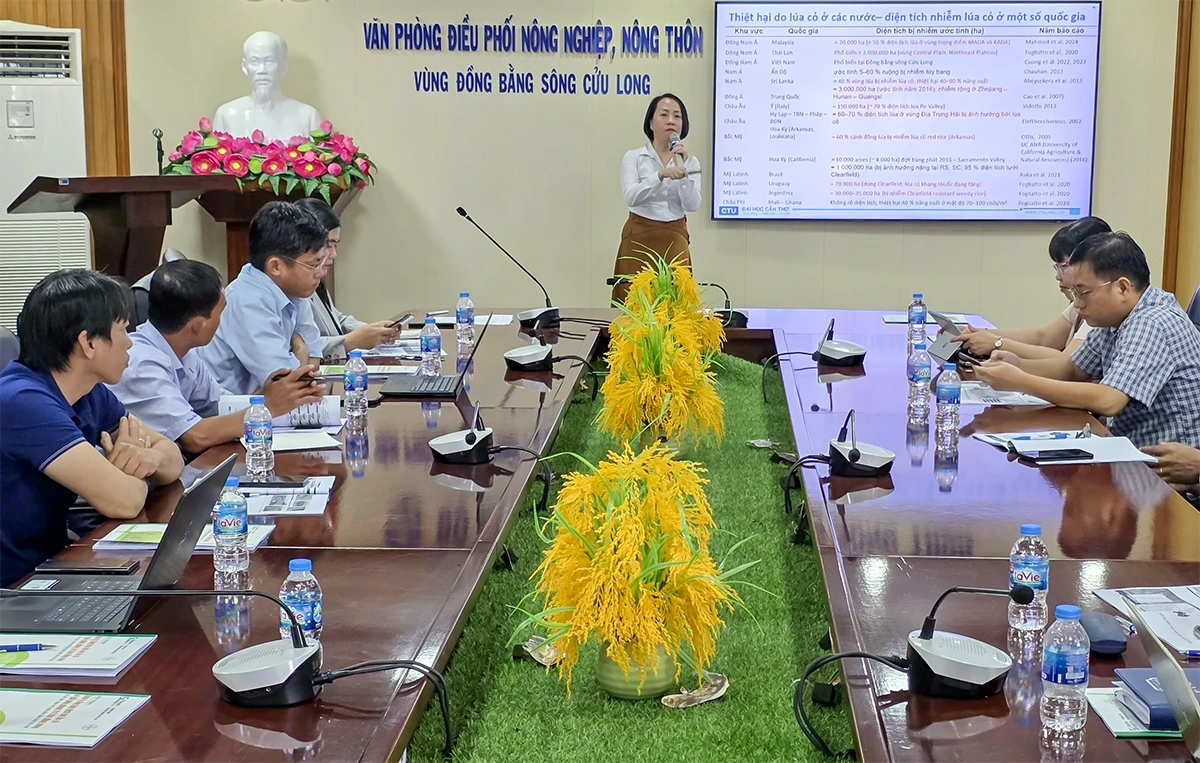
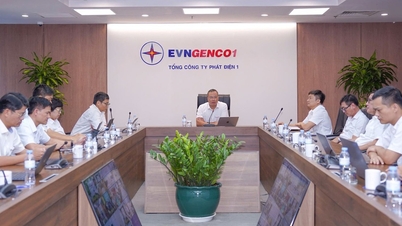
The delegates attending the workshop.
Along with challenges posed by climate change and saltwater intrusion, soil and water quality degradation, weeds are becoming a new, insidious but extremely serious threat to Vietnam's rice industry, especially in the Mekong Delta. Currently, dozens of weed species have been recorded in the key rice-producing region of the country, the Mekong Delta – which contributes more than 50% of Vietnam's rice production and 90% of its rice exports.
Weeds are very resilient and compete intensely with cultivated rice (for water, nutrients, and sunlight), reducing yield and quality, and impacting the value of rice. However, currently, relevant agencies and localities in the Mekong Delta still lack complete and accurate statistics on the area affected by weeds and the damage caused by them in the Mekong Delta in recent years…
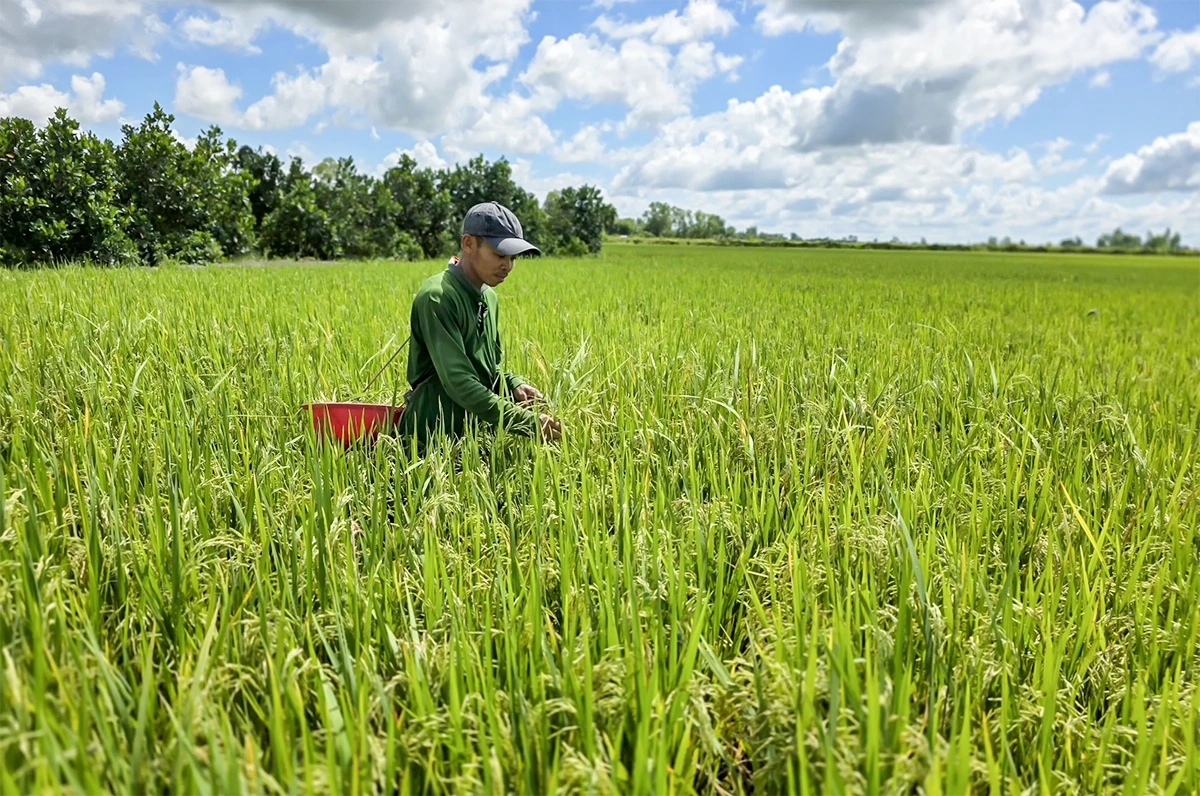
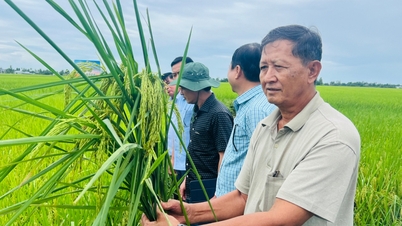
Farmers in Thoi Lai commune, Can Tho city, cut and collect weeds in the rice fields.
At the workshop, in addition to updating information on rice production and the appearance of weeds in Vietnam and other countries around the world , speakers and experts from various institutes, universities, and businesses shared experiences and effective solutions in weed management in other countries. They also proposed solutions to help Vietnam manage and control weeds effectively.
Many delegates agreed that weed management in rice paddies requires integrated and synchronized solutions. Emphasis should be placed on integrated pest management in rice paddies, applying integrated pest management (IPM) measures and good management practices, and using reliable seed sources. This includes integrating water management (AWD), farming practices, smart and responsible pesticide use, and preventing pesticide-resistant weeds.
According to Ms. Huynh Kim Dinh, Deputy Director of the National Agricultural Extension Center, integrated pest management in rice is an inevitable trend, requiring close coordination and cooperation among the State, scientists , businesses, and farmers. The opinions and suggestions of experts and delegates at the workshop will serve as the basis for the National Agricultural Extension Center to research and refine its plan and implement a series of specific actions, including developing a technical guide for integrated pest management in rice, developing demonstration models, training, extensive communication, and establishing an early warning system. Businesses, research institutes, and universities will be encouraged to participate in the production chain of clean seeds and model fields free from contamination.
Text and photos: KHANH TRUNG
Source: https://baocantho.com.vn/quan-tam-thuc-hien-quan-ly-tong-hop-dich-hai-lua-co-a192449.html


















































































Comment (0)