



Reporter: Sir, the Chairman of the Provincial People's Committee has just issued a Directive on strengthening and improving the effectiveness and efficiency of state management of mineral activities in the province. What shortcomings and limitations in the current mineral management work does this directive aim to address?
Mr. Trieu Duc Minh: In recent times, the state management of mineral resources in the province has seen many positive changes. Departments, agencies, and local authorities have strengthened propaganda, inspection, and handling of violations in mineral exploitation activities.
Despite achieving certain results, mineral resource management in the province still faces shortcomings that need to be addressed. Some enterprises have not strictly complied with regulations on mineral exploitation and environmental protection; over-capacity mining and mining not in accordance with design still occur in some areas. The management and protection of unexploited mineral resources in some communes and wards also have limitations, posing a potential risk of illegal mining activities. Many factors contribute to these shortcomings, primarily the lack of decisive management in some areas; the untimely detection and handling of violations; and the lack of coordinated efforts between agencies and units. Furthermore, there is a shortage of mineral resource management personnel, and the dissemination of legal information has not been widespread enough.
To address the aforementioned shortcomings, enhance the effectiveness and efficiency of state management of mineral resources, and ensure strict enforcement of legal regulations, the Department of Agriculture and Environment advised the Chairman of the Provincial People's Committee to issue a Directive on strengthening and improving the effectiveness and efficiency of state management of mineral resource activities in the province.
Reporter: Sir, what are the key requirements set forth in the directive for departments, agencies, and commune-level authorities in the management of mineral resources?
Mr. Trieu Duc Minh: The directive clearly defines the responsibilities of the heads of departments, agencies, and commune-level People's Committees in the state management of mineral resources, while also requiring enhanced coordination among agencies and units in inspection, supervision, and handling of violations. An important point emphasized is the responsibility of the Chairman of the commune-level People's Committee in managing and protecting unexploited mineral resources in their area. This enhances the role of local authorities in detecting, preventing, and promptly handling violations.
In addition, the directive requires strict management of all mineral activities from mining, processing, transportation to consumption and use of minerals, contributing to improving the effectiveness and efficiency of state management in this field.
Reporter: Sir, the situation of illegal mining, mining exceeding capacity, and mineral transportation activities affecting the environment and transportation infrastructure remains a matter of public concern. What solutions will the Department of Agriculture and Environment implement to strengthen the management of mineral activities in the coming time?
Mr. Trieu Duc Minh: In the coming period, we will focus on several key groups of solutions. First and foremost, we will continue to promote the dissemination of laws on geology and minerals to raise awareness and responsibility among businesses, citizens, and local authorities in the management and protection of mineral resources.
In addition, the department will strengthen inspection and supervision of mineral mining activities in the area, especially for mines that are currently operating. Cases of mining exceeding capacity, not conforming to mine design, violating environmental protection regulations, or failing to fully fulfill obligations under the issued license will be strictly handled according to regulations.
Another important aspect is the strict control of actual mining output. The Department will coordinate with relevant agencies to inspect the installation and operation of weighing equipment and surveillance cameras at mines; and at the same time, compare mining output with financial obligations to limit resource loss and ensure transparency in mineral mining operations.
In addition, we will strengthen coordination with relevant agencies in inspecting and handling the transportation, trading, and processing of minerals of unknown origin; strictly control invoices, documents, and the origin of raw materials used in construction projects. This will contribute to preventing illegal mining and consumption of minerals, improving the effectiveness of state management, and promoting the economical and efficient use of the province's mineral resources.

Currently, there are 45 construction material mines in the province with valid mining licenses, including: 38 limestone mines with a total reserve of over 115.4 million m³; 5 sand and gravel mines with a total reserve of over 8.6 million m³; and 2 fill soil mines with a total reserve of over 14.5 million m³. In 2025, the entire province will extract more than 5.5 million m³ of limestone, more than 44,400 m³ of sand and gravel, and over 6 million m³ of fill soil. This material source will basically meet the construction needs of projects in the province, while also supplying some to neighboring localities. |
Reporter: Currently, the demand for construction materials for key projects in the province is increasing. What solutions will the Department of Agriculture and Environment propose to ensure both the supply of materials for socio -economic development and the strict management of mineral exploitation activities in accordance with planning and legal regulations?
Mr. Trieu Duc Minh: Regarding the above-mentioned issue, the Chairman of the Provincial People's Committee has assigned specific tasks to the Department of Construction. The Department of Agriculture and Environment will proactively coordinate with the Department of Construction to advise the Provincial People's Committee and the Chairman of the Provincial People's Committee to promptly direct the resolution of difficulties and obstacles regarding the supply of construction materials for the projects.
Furthermore, based on the provisions of Clause 1, Article 55, as amended and supplemented by Clause 17, Article 1 of the Law amending and supplementing a number of articles of the Law on Geology and Minerals dated December 11, 2025, the Department of Agriculture and Environment will preside over and coordinate with relevant agencies to advise the Chairman of the Provincial People's Committee to grant mineral exploitation licenses to ensure the supply of construction materials for key projects for construction units or project owners and investors, in accordance with the actual situation and current legal regulations.
The province's stance is to both facilitate the supply of materials for infrastructure development and strictly manage mineral exploitation activities. Licensed organizations and businesses must strictly comply with regulations on exploitation, environmental protection, financial obligations, and reporting responsibilities; while also strengthening the application of technology to improve exploitation efficiency and use mineral resources economically and effectively.
Yes, thank you very much, sir.
Source: https://baolangson.vn/siet-trach-nhiem-de-nang-cao-hieu-qua-quan-ly-khoang-san-5094077.html

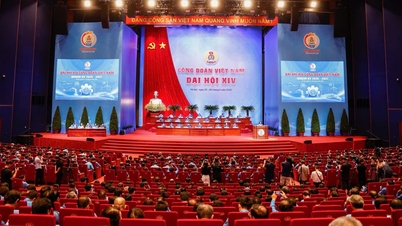
![[Photo] First session of the 14th Congress of the Vietnam Trade Union](https://vphoto.vietnam.vn/thumb/1200x675/vietnam/resource/IMAGE/2026/06/03/1780465947883_ndo_br_img-3852-jpg.webp)
![[Photo] General Secretary and President To Lam presides over a meeting with the Central Organizing Committee.](https://vphoto.vietnam.vn/thumb/1200x675/vietnam/resource/IMAGE/2026/06/03/1780482764658_a1-bnd-4741-3342-jpg.webp)


![[Photo] Secretary of the National Assembly Party Committee, Chairman of the National Assembly presides over the meeting of the Standing Committee and Executive Committee of the National Assembly Party Committee.](https://vphoto.vietnam.vn/thumb/1200x675/vietnam/resource/IMAGE/2026/06/03/1780480353201_ndo_br_bnd-2585-jpg.webp)































![[Video] Sunset at Lap An Lagoon – Where the sun sets over the fishing nets](https://vphoto.vietnam.vn/thumb/1200x675/vietnam/resource/IMAGE/2026/05/31/1780192137701_beach-landscape-sea-water-nature-grass-745871-pxhere-com.jpeg)


























Comment (0)