

The family is the first "shield" for children.
Reporter:
Ms. Nguyen Thi Nga: First and foremost, it must be affirmed that the family remains the primary and most important environment for protecting children. If parents within the family lack sufficient knowledge, skills, or genuine concern for caring for, educating , and protecting their children, it will be very difficult for external agencies to provide adequate and timely support and intervention.
Currently, our legal system and policies regarding children are relatively comprehensive. However, the biggest problem lies in the implementation, especially at the grassroots level. Following the restructuring of the administrative apparatus, many localities have experienced personnel changes, requiring additional time for commune-level officials to update their knowledge of new regulations and improve their skills in handling situations related to children. Therefore, in addition to training courses organized by the Department of Maternal and Child Health, localities also need to continue training and developing commune-level staff so that they are well-versed in legal regulations and procedures for support and intervention when incidents occur.
 |
| Ms. Nguyen Thi Nga. |
PV:
Ms. Nguyen Thi Nga: Through the cases received by the 111 hotline, we have observed that most children had been abused previously, but the information and notification were not carried out in a timely manner. Meanwhile, Government Decree No. 56/2017/ND-CP dated May 9, 2017, detailing some provisions of the Law on Children, clearly stipulates the protection of children in emergency situations. If a child's life or health is threatened, or if the child is abused by their parents, the child must be immediately separated from the unsafe environment. According to regulations, the child can be taken to live with grandparents, relatives, or alternative caregivers. If a suitable place cannot be found, the child can be placed in a social welfare facility to ensure safety. However, in reality, the application of these measures in many places is still not timely.
Another reason is that many people witness acts of violence but still consider it a "private family matter" and therefore do not report it to the authorities or relevant agencies. However, nowadays, even if only the local police receive a report, they can quickly investigate and handle the situation. Child abuse is a form of "hidden crime," and if the community does not speak up, it is very difficult to detect it early.
Enhancing capacity at the commune level.
PV:
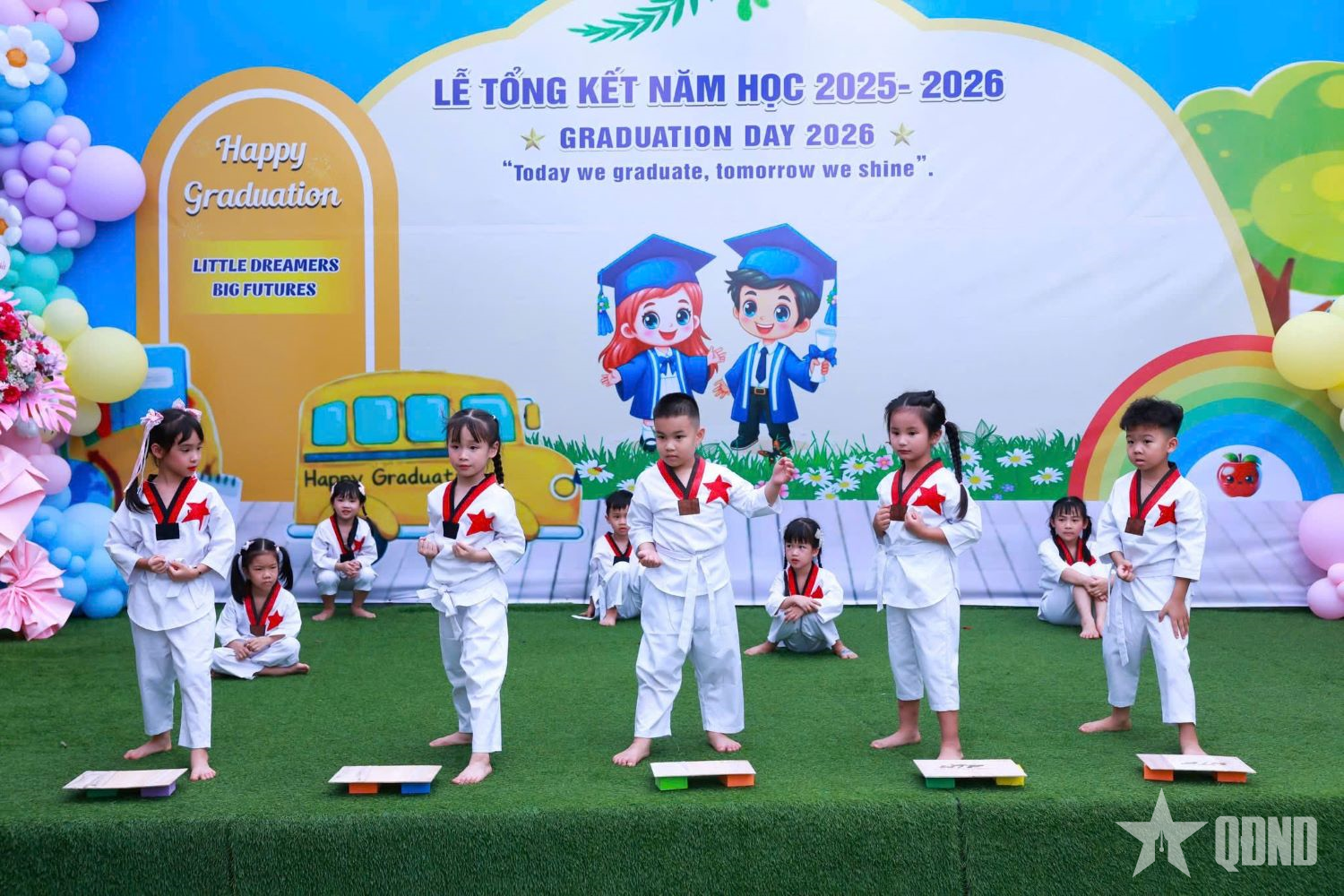 |
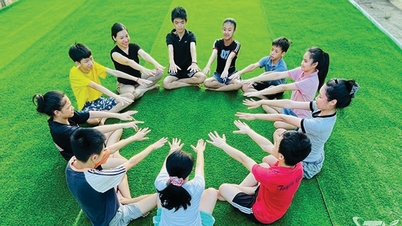
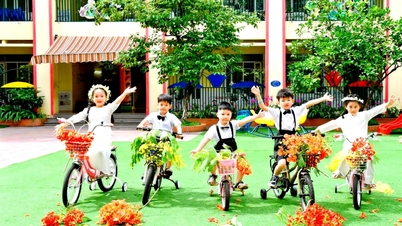
Children need to play in a safe and loving environment. Photo: AN AN |
Ms. Nguyen Thi Nga: In recent training courses, we have emphasized the need to strengthen the capacity of the commune level, as this is the closest to the people and directly handles cases related to children. In the near future, the Department of Maternal and Child Health will advise the Ministry of Health to issue a guidance document on organizing the activities of the Commune-level Child Protection Committee to support the new staff. It is crucial that grassroots officials have a thorough understanding of the situation of children and households in their area so that they can detect risks early and provide timely support or intervention. Furthermore, if they encounter difficulties in handling cases, grassroots officials can contact the 111 hotline for advice and guidance on legal regulations and child protection procedures.
Protecting children cannot be the responsibility of a single sector.
PV:
Ms. Nguyen Thi Nga: That's right. This is certainly not the responsibility of any single individual or sector. At the central level, the Prime Minister has strengthened the National Committee on Children. In many localities, steering committees or executive boards for child-related work have also been established. However, in reality, the staff at the commune level are currently overloaded. A single civil servant can hardly have enough time, knowledge, and skills to handle all issues related to children. Therefore, a truly effective inter-sectoral coordination mechanism is needed between the police, health, education, women's associations, mass organizations, and local authorities. At the same time, regular meetings and monitoring of the situation must be maintained down to the village level to detect early risks of child abuse and violence. Only with the synchronized involvement of many forces and the joint efforts of the community can child protection work be truly effective and sustainable.
 |
| Children need to play in a safe and loving environment. Photo: AN AN |
PV:
Ms. Nguyen Thi Nga: In reality, over the years, relevant agencies, along with the United Nations Children's Fund (UNICEF) and many international and social organizations, have implemented parenting education programs. Parents participating in these classes understand that raising children requires knowledge and skills, and corporal punishment is absolutely not a positive educational method. In the future, the Ministry of Health will continue to advise on programs related to the comprehensive development of children, including parenting education. Currently, the law has regulations to handle acts of violence against children, both physical and mental, but in many places, implementation is still not strict. I believe that corporal punishment does not make children into good people; love is the best education for children.
PV:
Source: https://www.qdnd.vn/xa-hoi/cac-van-de/roi-vot-khong-lam-tre-nen-nguoi-1042145
![[Photo] General Secretary and President To Lam and the President of the Philippines hold talks.](https://vphoto.vietnam.vn/thumb/1200x675/vietnam/resource/IMAGE/2026/06/01/1780283481955_vna-potal-tong-bi-thu-chu-tich-nuoc-to-lam-va-tong-thong-philippines-hoi-dam-8797519-1429-jpg.webp)





















































































Comment (0)