

 |
| It is proposed that single people earning less than 25 million VND per month be eligible to purchase social housing. In the case of married couples, the average monthly income of both spouses must not exceed 50 million VND. |
Previously, relatively low income levels left many workers in a "middle ground," neither meeting the criteria for support nor being able to access social housing.
Raising the income ceiling shows that policy is shifting towards a more realistic approach, expanding access opportunities for lower-middle-income groups, especially young people and those with stable jobs but limited savings.
A notable aspect of the draft is that it takes into account the specific circumstances of beneficiaries, especially single parents raising children. The adjusted income threshold is higher to accurately reflect the financial pressures and responsibilities. This approach helps the policy align with real-life situations, rather than applying a mechanical, universal standard.
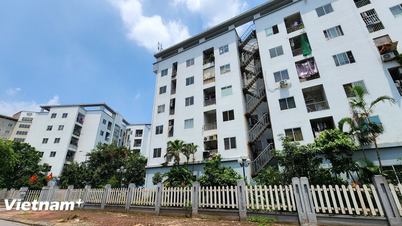
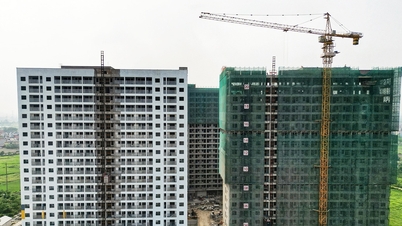
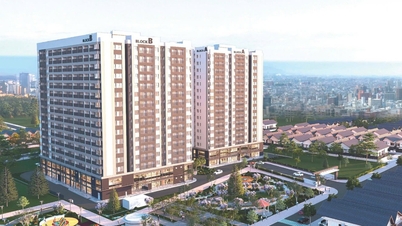
However, expanding eligibility criteria means an increase in the number of eligible people. The major challenge then remains the supply of social housing. If the housing stock is not replenished accordingly, people's access to housing will be difficult to improve significantly, and competition may even arise within the beneficiary group itself.
Affordability also needs to be considered carefully. With an income below 25 million VND/month, buying a house, even social housing, remains a long-term financial decision with significant pressure. Buyers must balance expenses and debt repayment obligations over many years.
Therefore, preferential credit policies, interest rates, and loan terms need to be designed appropriately, ensuring feasibility during implementation.
Another issue is identifying the correct beneficiaries. As the income threshold is raised and access expands, the risk of misidentification also increases if there is a lack of strict control mechanisms.
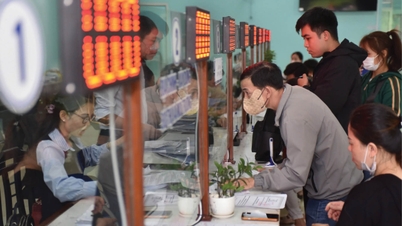
The review process needs to be transparent, based on verified data, and limit the abuse of policies or unfair allocation.
Overall, adjusting income standards is necessary in the new context. Policies have been adjusted to be more flexible, closely reflecting real-life situations and current income structures.
The challenge is to ensure that all implementation stages are synchronized, from supply chain development to review processes and financial support.
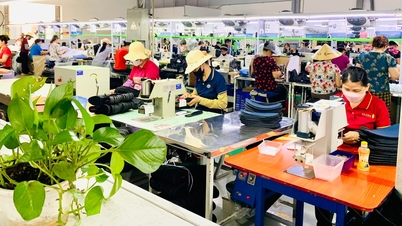
In Thai Nguyen , a province with a high concentration of factory workers and young laborers in industrial zones, raising the income threshold is expected to open up more opportunities for accessing social housing.
However, the actual effectiveness still depends on the available housing and the progress of projects in the area.
Ultimately, what people need is not just "sufficient" conditions, but genuine access to them.
When policies are on the right track and implemented effectively, the goal of secure housing can become more realistic.
Source: https://baothainguyen.vn/xa-hoi/202603/rong-cua-hon-cho-giac-mo-an-cu-f6668b3/





![[Image] Nearly 125,000 Hanoi students completed the Literature exam for the 10th grade entrance exam.](https://vphoto.vietnam.vn/thumb/1200x675/vietnam/resource/IMAGE/2026/05/30/1780117233041_ndo_br_thiet-ke-chua-co-ten-2-png.webp)



























































































Comment (0)