


According to the International Rice Research Institute (IRRI), many farmers in the region are reducing their use of fertilizers due to sharply rising prices. Fertilizer prices have increased by approximately 33% since Iran seized control of the Strait of Hormuz in retaliation for the joint US-Israeli attack in late February.
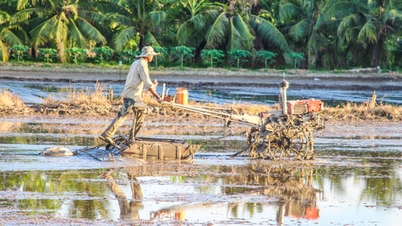
Meanwhile, the El Niño phenomenon, with its prolonged dry weather, is also adding to the difficulties of rice cultivation, which requires a lot of water. According to the latest estimates from the Philippine rice industry, El Niño could reduce the country's rice production by up to 4 million tons this year. The Philippine Department of Agriculture also stated that it no longer expects a new record rice yield this year due to sharply rising fertilizer and fuel prices and the risk of El Niño.
Prior to the Middle East conflict, the Philippines projected this year's rice production at 20.28 million tons, a 1.1% increase from the record 20.06 million tons recorded in 2023. However, due to the severe El Niño threat and the prolonged conflict in the Middle East, the Philippine Department of Agriculture has lowered its forecast to 19.87 million tons and may further revise it downwards if the situation worsens.
Source: https://baoangiang.com.vn/san-luong-gao-chau-a-co-the-sut-giam-manh-a486482.html
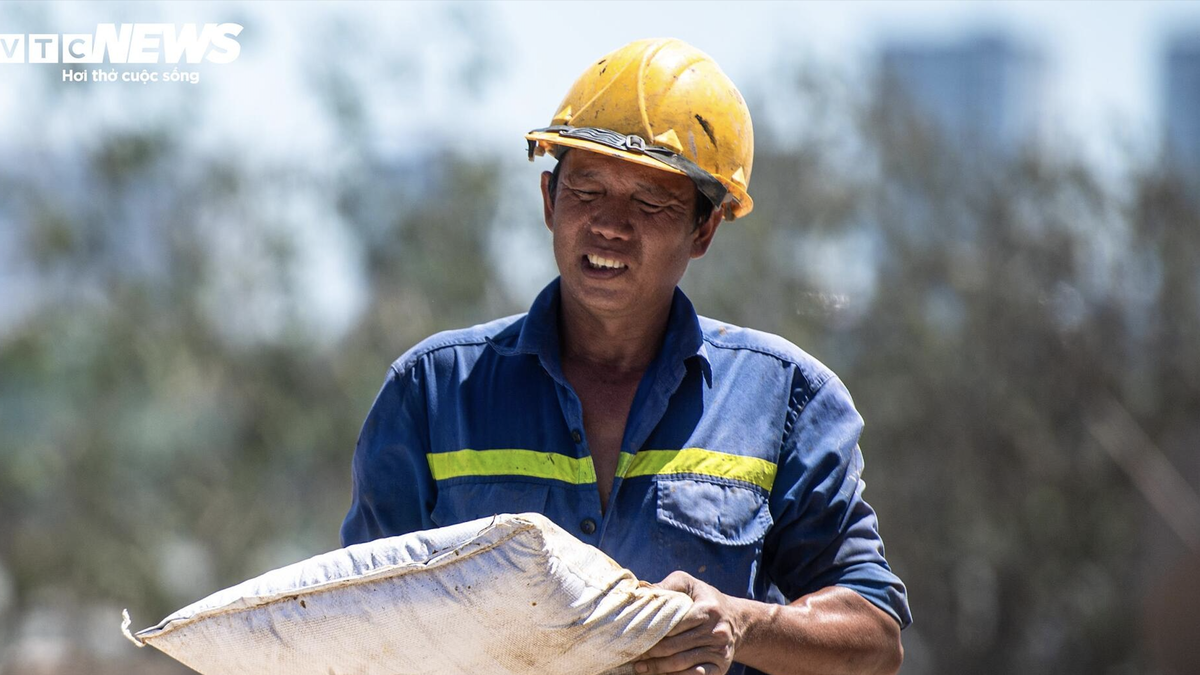
![[Image] Hanoi's urban life under the challenge of a "scorching hot" environment](https://vphoto.vietnam.vn/thumb/1200x675/vietnam/resource/IMAGE/2026/05/25/1779706979265_nang-nong-t5-2026-minh-duy-7-4636-jpg.webp)

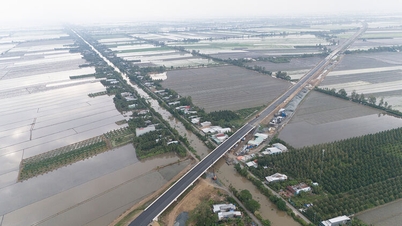
![[Image] Close-up view of the interchange connecting the two expressways and Long Thanh Airport.](https://vphoto.vietnam.vn/thumb/1200x675/vietnam/resource/IMAGE/2026/05/25/1779703378210_ndo_br_z7863716673926-224453a31600126cce10622af6290afd-4549-jpg.webp)























































































Comment (0)