 |
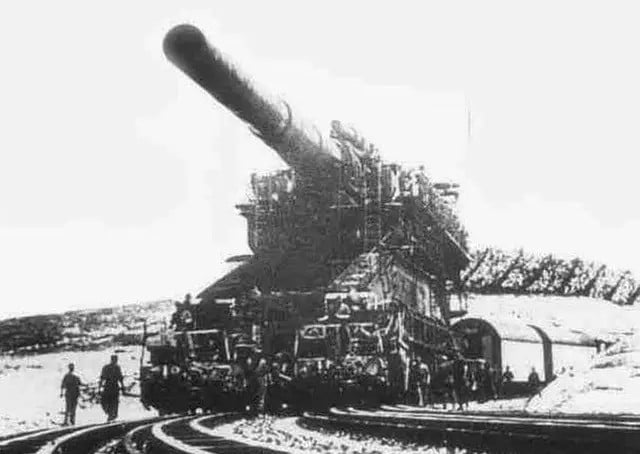
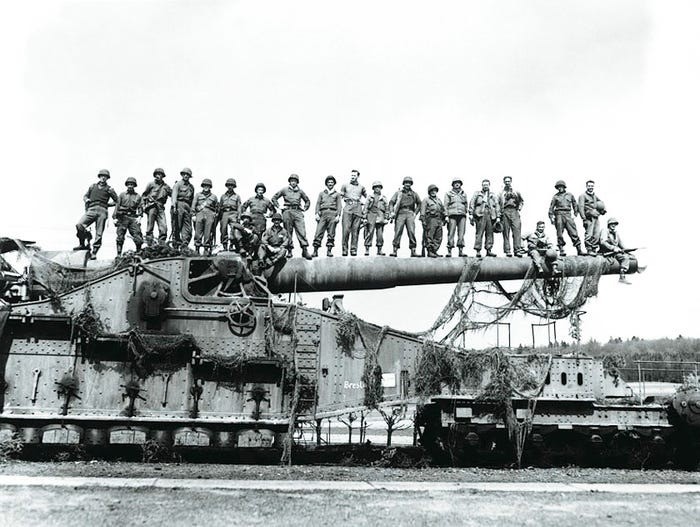
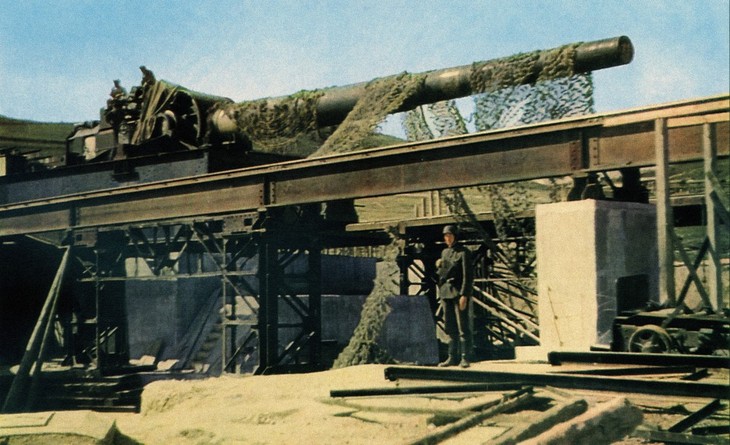
| One unusual superweapon developed by the Nazis was the Gustav cannon. Hitler's regime deployed this project to penetrate fortified French positions, such as the Maginot Line. Photo: Josep Marimon Coll. |
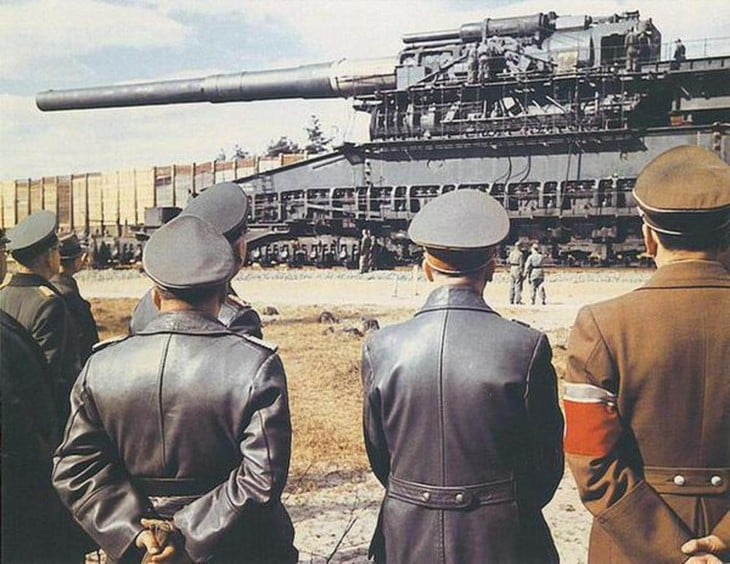 |
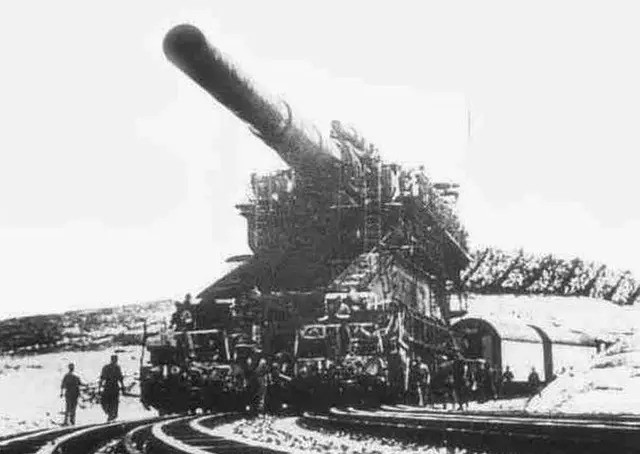
| Nazi Germany approved the first heavy artillery production project in 1937 at a cost of 10 million Marks. At Hitler's request, in 1941, the German company Friedrich Krupp AG began the process of building the world's largest artillery piece , the Gustav. (Image: Screenshot) |
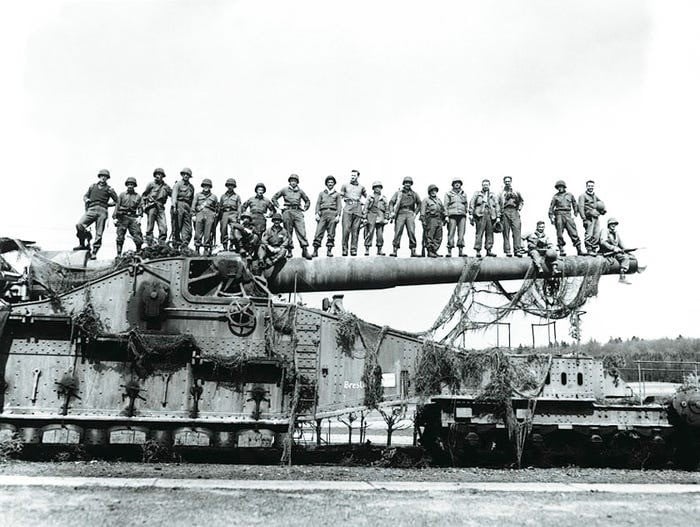 |
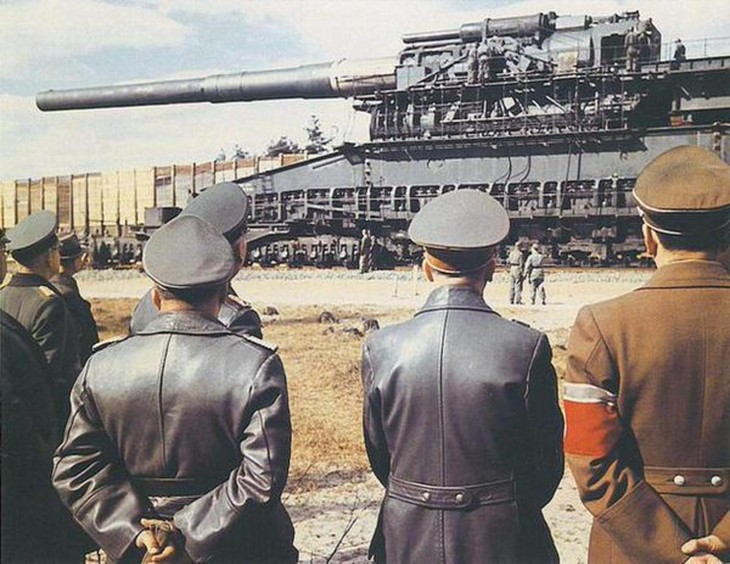
| The Gustav gun was built with a height of 12.2m, a barrel length of over 30.4m, using 787.4 mm caliber ammunition, 3.65m long, with an effective range of 32.1 km. This ammunition has two variants: a 5-ton explosive round and a 7-ton armor-piercing round. Photo: Screen grab. |
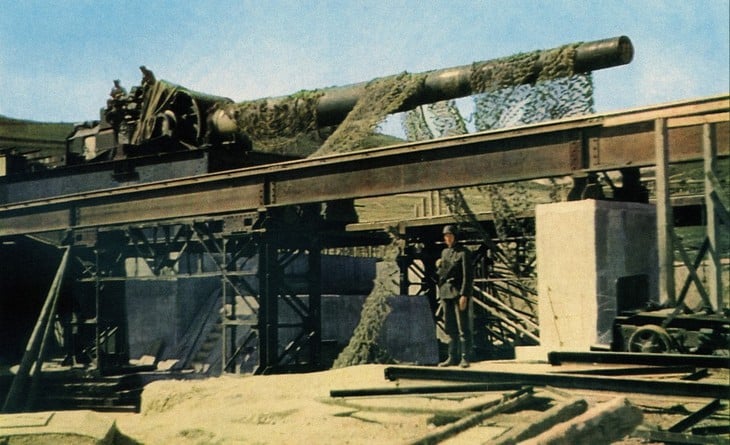 |
| Due to its enormous size, the Gustav gun was a major drawback: soldiers spent a considerable amount of time firing and operating it. Hundreds of people were involved in the operational stages of using this weapon . Furthermore, because it could only be transported by rail, it became a prime target for Allied bombers. Therefore, the Gustav gun did not deliver the effectiveness that Hitler and the Nazis had hoped for. (Image: Getty) |
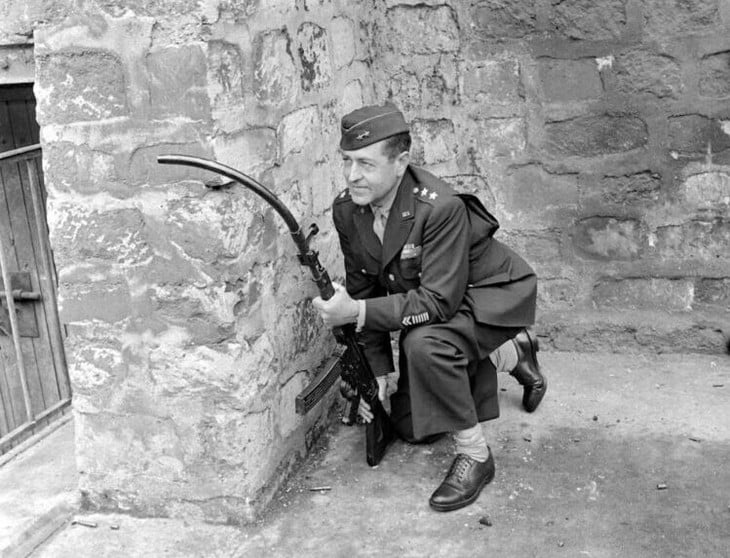 |
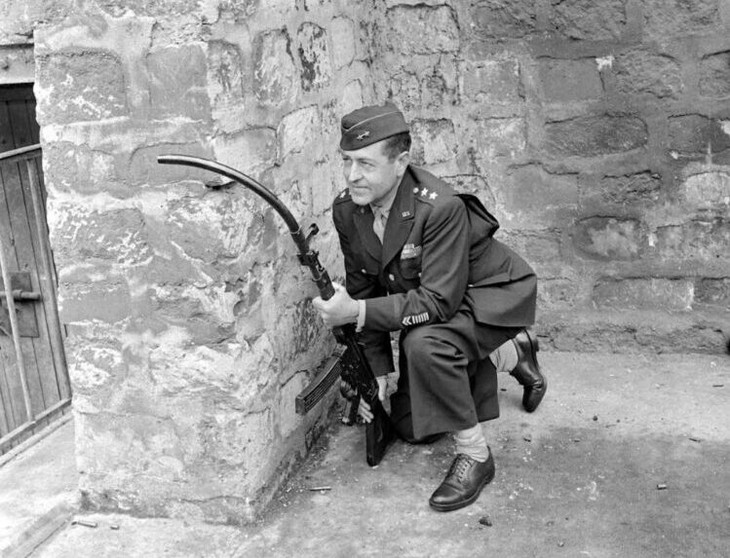
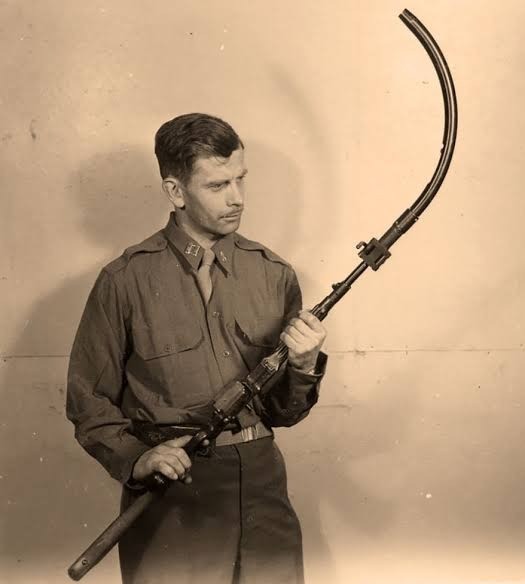
The Krummlauf curved-barreled gun was another bizarre weapon of Nazi Germany.
To help soldiers shoot through obstacles with their rifles without revealing their position to the enemy, engineers working for Hitler researched and developed a curved barrel that could be fitted to the MP-44 rifle. Photo: sandboxx. |
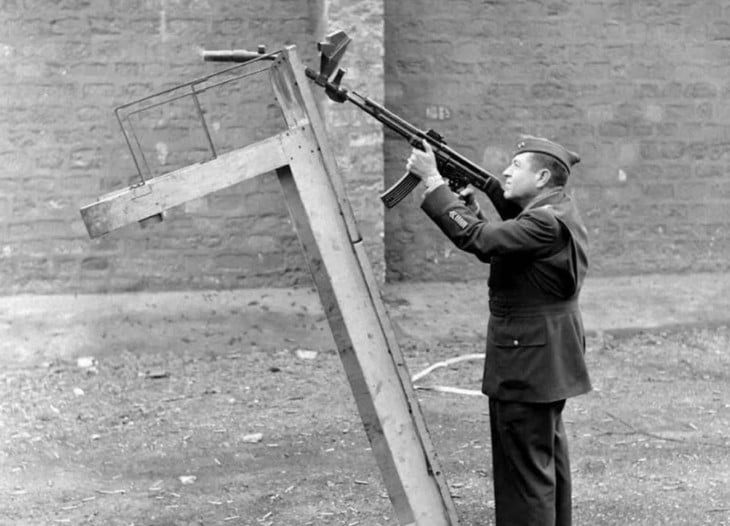 |
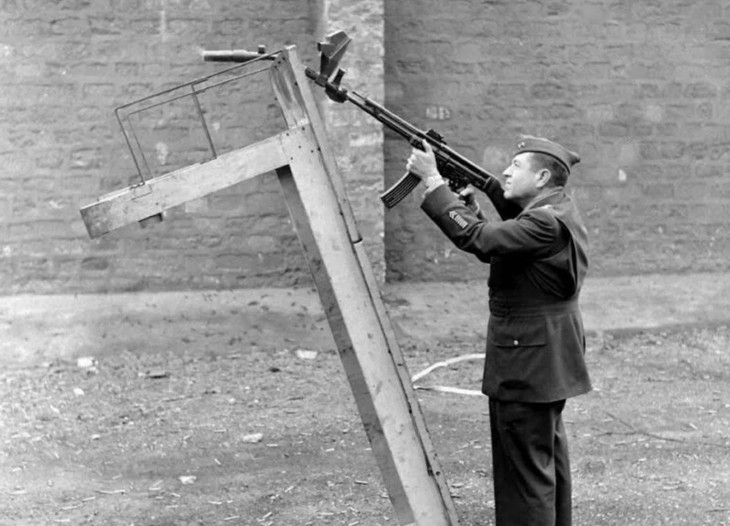
| By design, the Krummlauf curved-barreled gun allows soldiers to fire at angles from a safe position or from an armored vehicle. Photo: Creative Commons. |
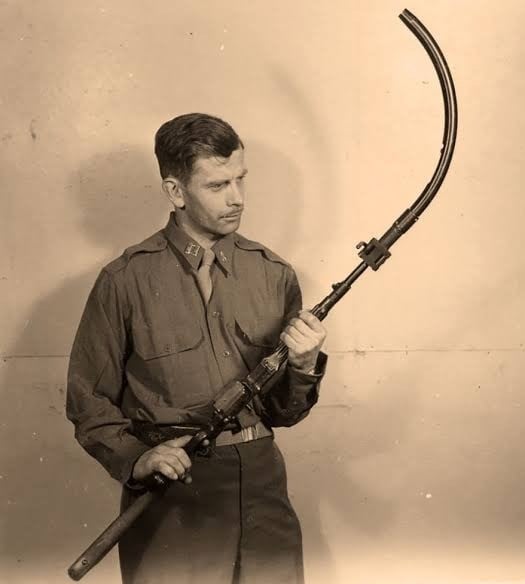 |
| However, the Krummlauf curved-barreled gun had drawbacks, including the fact that the bullets often broke in half before exiting the barrel. Therefore, this weapon was not very effective in combat and was soon "forgotten". Photo: Creative Commons. |
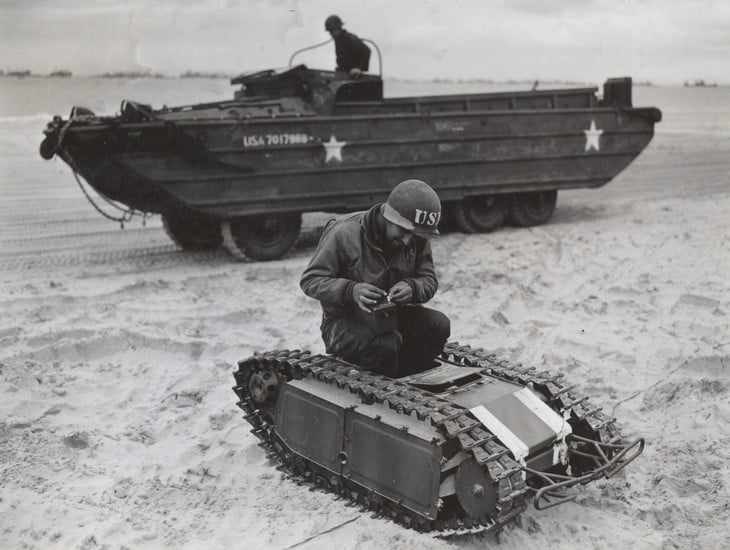 |
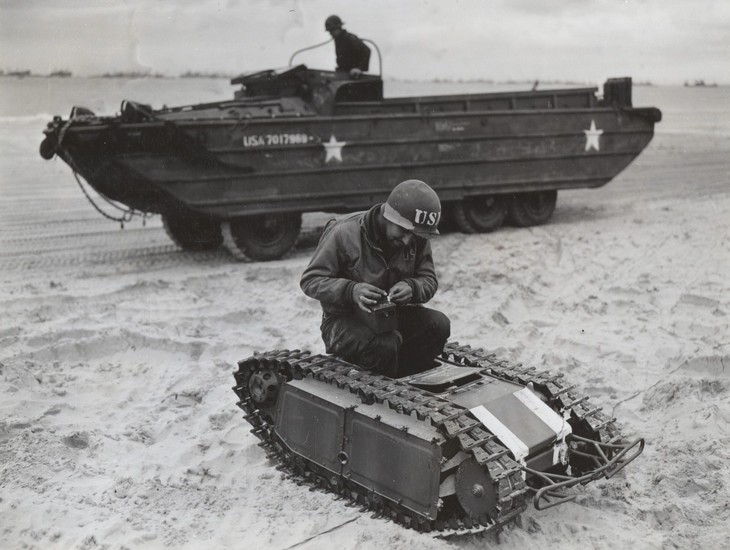
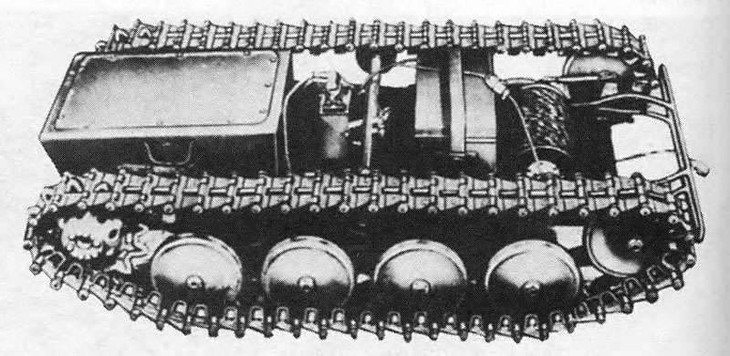
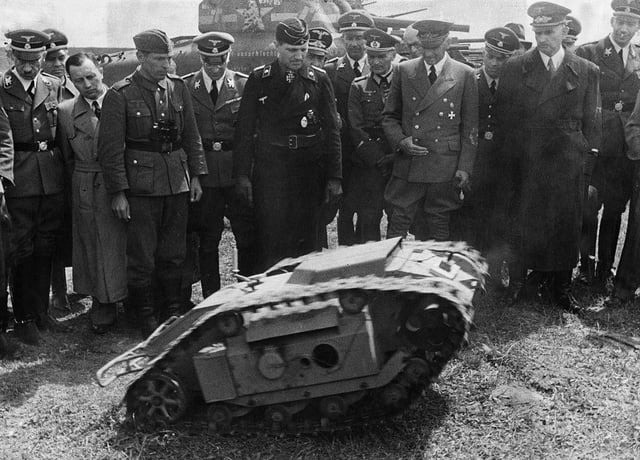
| Another bizarre Nazi weapons project was the Goliath mini-tank. According to the design, this tank could carry up to 45 kg of explosives and move at speeds of nearly 10 km/h. Its small size allowed it to move beneath Allied tanks and detonate underfoot, causing maximum damage. (Image: militaryhistoria) |
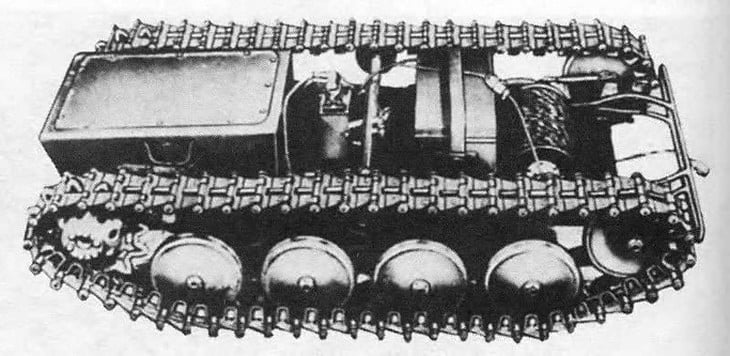 |
| However, the Goliath tank had a major drawback: it was remotely controlled via a 653-meter-long cable coiled inside the vehicle's hull. Therefore, Allied soldiers could easily disable the weapon by cutting the cable. (Image: militaryhistoria) |
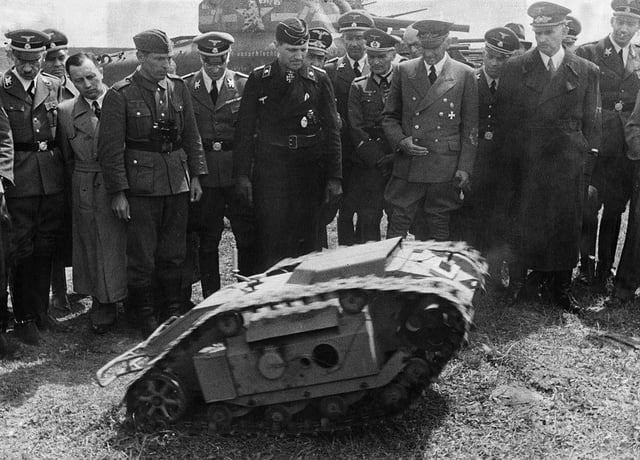 |
| During World War II, Nazi Germany manufactured 7,500 Goliath tanks, but their effectiveness was unsatisfactory, failing to help Hitler turn the tide of the war. Photo: militaryhistoria. |
Readers are invited to watch the video : The fascinating story of a Jewish dwarf family during the Nazi era.
Source: https://khoahocdoisong.vn/so-huu-loat-sieu-vu-khi-di-duc-quoc-xa-van-thua-tham-post268494.html


![[Photo] Secretary of the National Assembly Party Committee, Chairman of the National Assembly presides over the meeting of the Standing Committee and Executive Committee of the National Assembly Party Committee.](https://vphoto.vietnam.vn/thumb/1200x675/vietnam/resource/IMAGE/2026/06/03/1780480353201_ndo_br_bnd-2585-jpg.webp)

![[Photo] General Secretary and President To Lam presides over a meeting with the Central Organizing Committee.](https://vphoto.vietnam.vn/thumb/1200x675/vietnam/resource/IMAGE/2026/06/03/1780482764658_a1-bnd-4741-3342-jpg.webp)
















![[Photo] General Secretary and President To Lam attends the 14th Congress of the Vietnam Trade Union](https://vphoto.vietnam.vn/thumb/1200x675/vietnam/resource/IMAGE/2026/06/04/1780543339765_anh-man-hinh-2026-06-04-luc-10-22-07.png)
























![[Video] Sunset at Lap An Lagoon – Where the sun sets over the fishing nets](https://vphoto.vietnam.vn/thumb/1200x675/vietnam/resource/IMAGE/2026/05/31/1780192137701_beach-landscape-sea-water-nature-grass-745871-pxhere-com.jpeg)
































Comment (0)