

Low sperm count, or in medical terms, oligospermia, refers to a condition where the concentration of sperm in semen is lower than normal. According to medical standards, the number of sperm in healthy men ranges from 15 million to over 200 million sperm per milliliter (ml) of semen.
When test results show fewer than 15 million sperm/ml, it is diagnosed as oligospermia. Specifically, if this number drops below 5 million sperm/ml, the condition is called "severe oligospermia". Although a low sperm count makes conception more difficult and time-consuming, it does not mean that fatherhood is completely impossible.
1. Signs and common causes of oligospermia (low sperm count)

Having fewer than 15 million sperm/ml is diagnosed as oligospermia.
Most men don't realize they have a sperm count problem because the condition often doesn't show any obvious symptoms. The main sign is usually the inability to conceive after a year of regular, unprotected sex. However, some cases may present with accompanying symptoms such as:
- Erectile dysfunction or decreased libido.
- Swelling, pain, or an unusual lump in the testicular area.
- Changes in physical characteristics such as reduced facial or body hair.
- The causes of this condition are diverse, ranging from medical conditions to lifestyle choices.
Pathological conditions: The most common is varicocele (accounting for approximately 40% of cases of low sperm count). Other causes include infections (sexually transmitted infections, urinary tract infections), blockage of the vas deferens, hormonal disorders, or genetic factors.
Environment and temperature: Exposure to heavy metals (lead, mercury), industrial chemicals, or excessive heat in the testicles due to prolonged hot tub use can all negatively affect sperm production.
Lifestyle factors: Smoking, excessive alcohol consumption, prolonged stress, obesity (BMI > 25), and substance abuse.
Medications: Certain prescription medications, such as testosterone, antidepressants, blood pressure medication, or chemotherapy, can cause side effects that reduce sperm count.
2. Diagnostic methods and solutions for improving sperm health
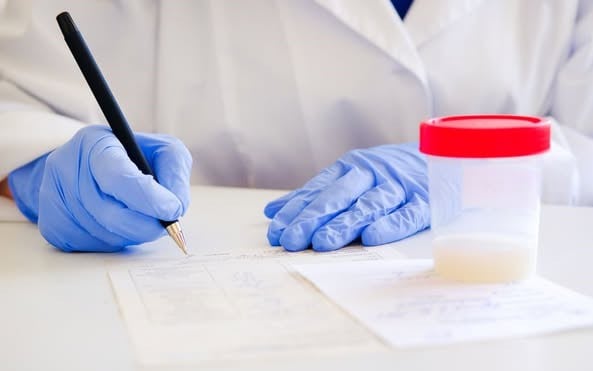
For an accurate diagnosis, the doctor will perform a semen analysis. In addition, supplementary tests such as testicular ultrasound, hormone level tests, or genetic testing may be performed to find the root cause.
Depending on the cause, the chances of restoring sperm count are very good:
Lifestyle changes: This is the first and most important step. You need to maintain a healthy weight, quit smoking, limit alcohol consumption, and avoid excessively hot environments.
Medical treatment: Doctors may prescribe antibiotics if the cause is an infection, hormone replacement if there is a deficiency, or surgery to treat varicocele and blockages in the testicles.
Nutritional supplements: Several micronutrients have been shown to benefit sperm health, including vitamin C, coenzyme Q10, and L-carnitine. However, you should consult a healthcare professional before using them.
In cases where sperm count cannot be improved by conventional methods, assisted reproductive technologies such as in-vitro fertilization (IVF) may be considered. It is crucial that men consult a urologist or andrologist for advice and the most appropriate treatment plan.
Source: https://suckhoedoisong.vn/so-luong-tinh-trung-cua-nam-gioi-bao-nhieu-la-it-169260515105857006.htm






























![[Photo] Reception to welcome General Secretary and President To Lam and his wife on their State visit to the Philippines](https://vphoto.vietnam.vn/thumb/1200x675/vietnam/resource/IMAGE/2026/06/01/1780295488620_vna-potal-chieu-dai-chao-mung-tong-bi-thu-chu-tich-nuoc-to-lam-va-phu-nhan-tham-cap-nha-nuoc-toi-philippines-8798060-7855-jpg.webp)









































































Comment (0)