

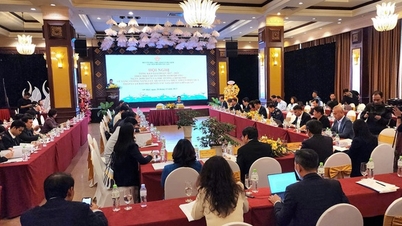
On the morning of October 18th, the Ministry of Agriculture and Rural Development held a conference to implement the project "Improving soil health and crop nutrition management by 2030, with a vision to 2050".
The conference took place after the "Project to Improve Soil Health and Crop Nutrition Management to 2030, Vision 2050" was officially approved by the Ministry of Agriculture and Rural Development on October 11, 2024.
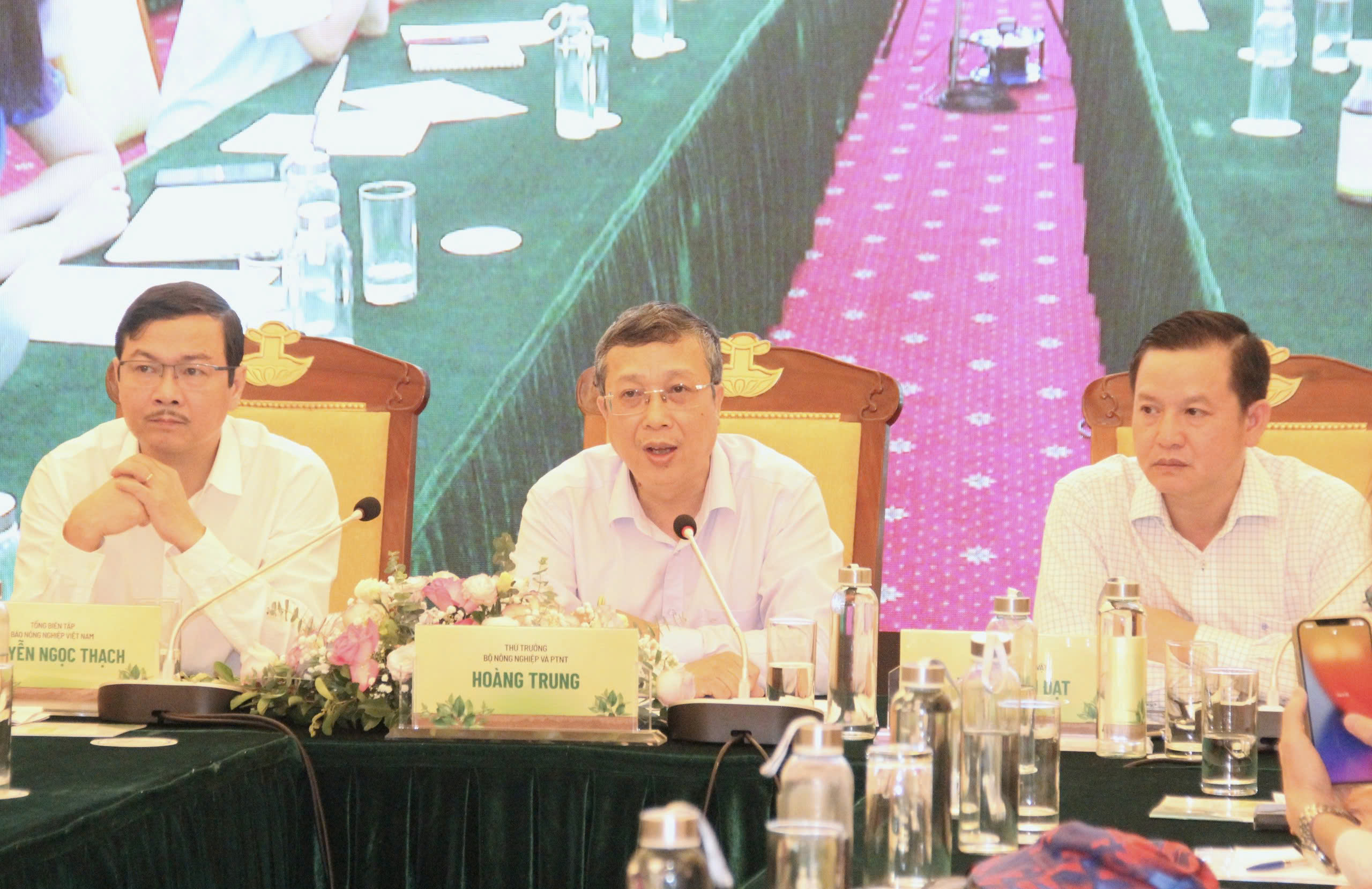
Deputy Minister of Agriculture and Rural Development Hoang Trung (center) presides over the conference to implement the project "Improving soil health and crop nutrition management by 2030, with a vision to 2050".
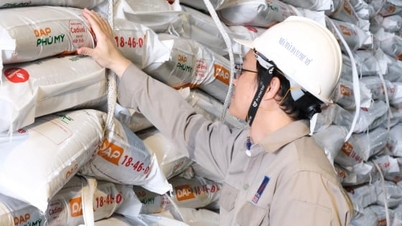
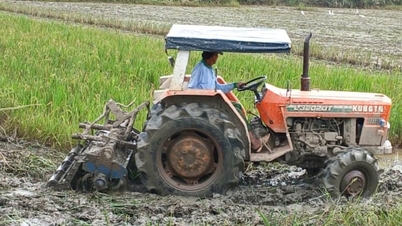
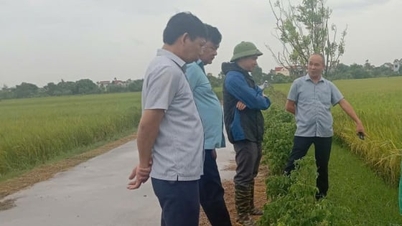
Farmers are using too much inorganic fertilizer in agricultural production.
Mr. Phung Ha assessed that the Project was issued at the right time, and improving the health of agricultural land is correct because the quality of the soil has deteriorated significantly, especially its fertility.
According to Mr. Ha, the connection between soil and plants is natural; the connection between soil and plants is fertilizer. Plants need fertilizer to grow; without fertilizer, 50% of the population would face food shortages.
In Vietnam, there is a significant amount of fertilizer residue in the soil, exceeding the world average, particularly due to the excessive use of inorganic fertilizers. Secondly, the task for the fertilizer industry is to reduce the use of organic fertilizers and increase their use.
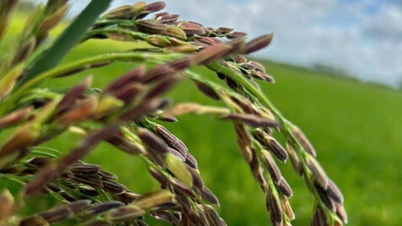
Currently, farmers are using excessive amounts of inorganic fertilizers in agricultural production, especially in rice cultivation. According to a study, approximately 700 kg of inorganic fertilizer is used per hectare of rice cultivation in the Mekong Delta. In the Red River Delta, the figure is around 600 kg. Meanwhile, in China, only about 293 kg per hectare is used.
Mr. Ha further stated that one of the main tasks of the "Improving Soil Health and Crop Nutrition Management by 2030, with a Vision to 2050" project is to reduce the amount of inorganic fertilizers and increase the use of organic fertilizers. However, according to him, this is not enough, as the irrational use of inorganic fertilizers will affect crop yields.
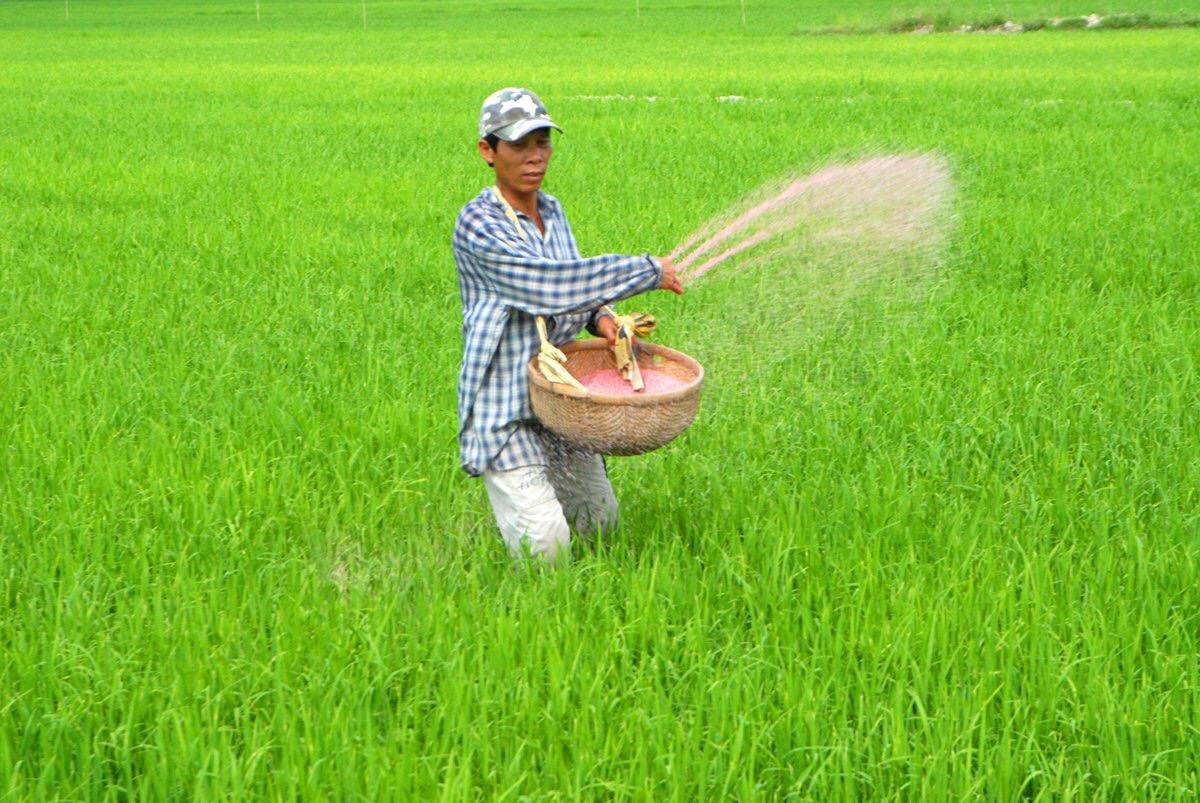
According to experts, Vietnam is using too much inorganic fertilizer in agricultural production, especially in rice cultivation.
Associate Professor Dr. Nguyen Van Bo, former Director of the Vietnam Academy of Agricultural Sciences , assessed that land is the subject of management by many ministries and agencies. Land is not only related to crops but also plays an important role in many social fields.
To effectively implement the Project, according to Mr. Bo, it is necessary to improve the effectiveness and efficiency of state management of soil health and plant nutrition; build a database on soil quality and fertilizers for key crops; research rapid soil and fertilizer diagnostic kits; and promote communication and commemorate World Soil and Fertilizer Day.
“Decision No. 1748 of the Prime Minister approving the Strategy for Crop Development until 2030, with a vision to 2050, includes content on improving soil and crop health. Fertilizers are only one input factor. We propose the establishment of a Steering Committee to implement the Project; secondly, localities should send representatives to participate and organize regular specialized workshops; integrate projects related to soil and crop health; specify the content and tasks, unify the soil classification system; build a soil and fertilizer database; and train agricultural extension workers on this content,” Assoc. Prof. Dr. Nguyen Van Bo suggested.
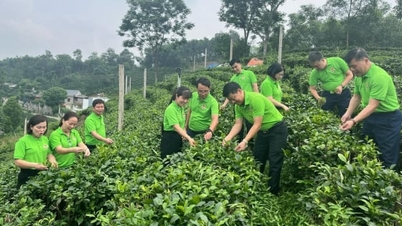
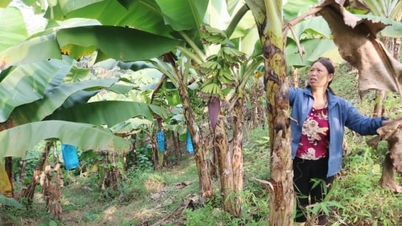
Preventing land degradation and developing organic agriculture.
According to Mr. Vu Thang, Deputy Head of the Fertilizer Management Department - Plant Protection Department, the project "Improving soil health and crop nutrition management by 2030, with a vision to 2050" aims to improve the effectiveness of state management of agricultural soil health and crop nutrition, and to build a database on the quality of major soil types, in parallel with the use of fertilizers for key crops.
In addition, a set of indicators and a classification system for assessing soil health in terms of physical, chemical, and biological properties, categorized by major soil types and key crops, have been developed in accordance with regional and international standards. Furthermore, the project aims to improve farming practices associated with the efficient use of fertilizers.
This reduces nutrient loss in the primary soil used for growing major crops, contributing to the stabilization and improvement of agricultural soil health, protecting and developing the diversity of beneficial organisms, and reducing greenhouse gas emissions.
The project aims to promote training programs and materials on soil health and fertilizer use guidelines to enhance the capacity of management and technical staff. A representative from the Plant Protection Department emphasized the importance of community involvement in soil health management and plant nutrition. “In addition to building a network of technical staff to support soil health improvement and plant nutrition management, it is necessary to disseminate information to gain community attention and the participation, coordination, and support of experts, scientists, and producers,” Mr. Vu Thang stated.
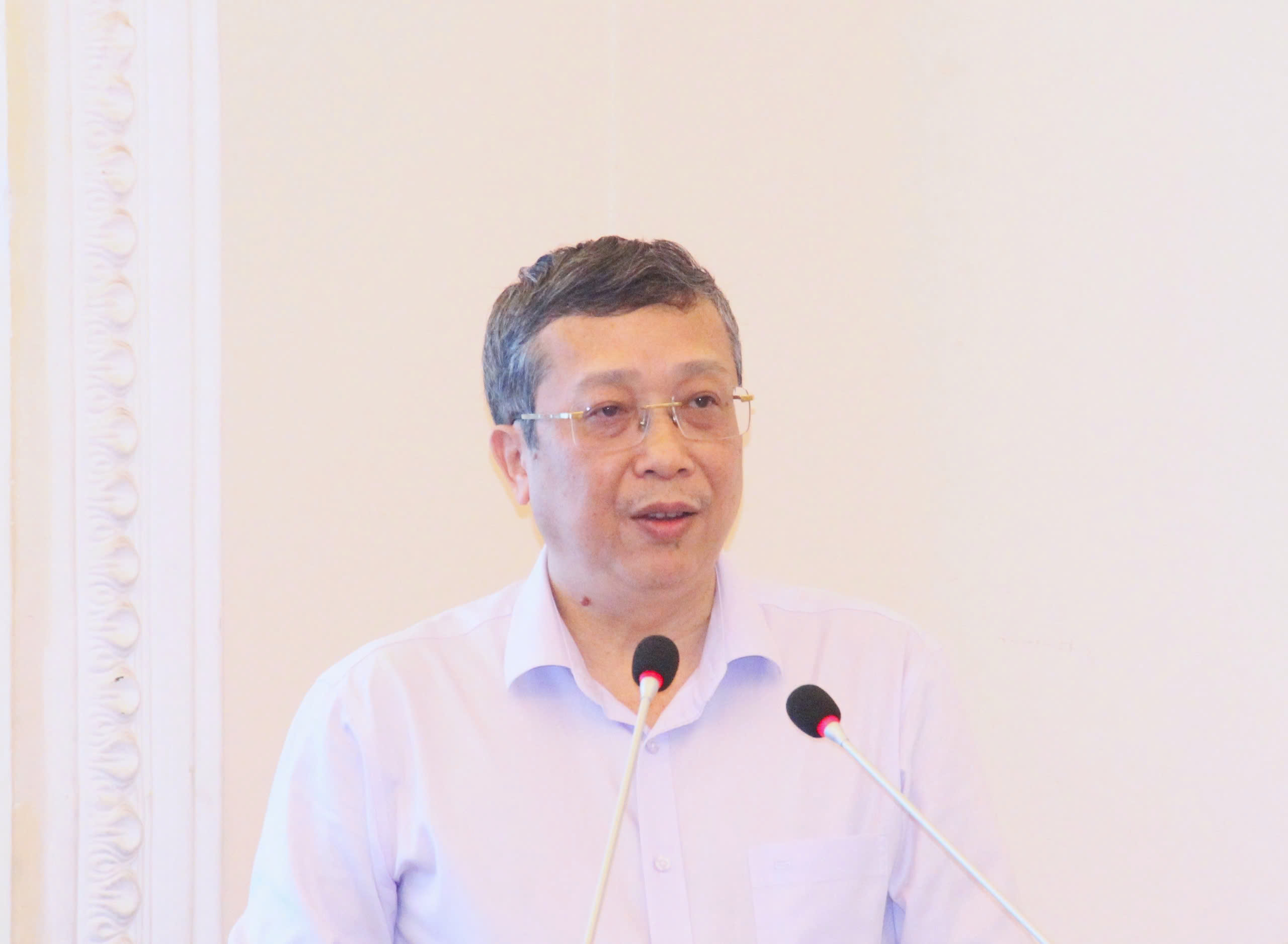
Deputy Minister of Agriculture and Rural Development Hoang Trung requested that the units participating in the Project develop specific implementation plans, avoiding vague approaches, and coordinate with relevant departments, research institutes, etc., during the implementation process.
Deputy Minister of Agriculture and Rural Development Hoang Trung affirmed: "Soil is a special resource serving our production and cultivation. Our country and international organizations have raised the issue of how to better preserve and improve soil."
Mr. Trung emphasized that the role of the Department of Agriculture and Rural Development and local agencies is crucial in soil health issues. The Ministry of Agriculture and Rural Development has also directed its specialized agencies to coordinate with experts to implement the Project.
The project clearly defines the role of land management and crop nutrition in preventing land degradation, developing organic agriculture, and mitigating the impacts of climate change. The project aims to enhance land use value, effectively manage crop nutrition, thereby contributing to the restructuring of the agricultural sector and the development of new rural areas, and contributing to the successful implementation of the National Strategy on Green Growth and Sustainable Development for the period 2021-2030, with a vision to 2050.
Deputy Minister Hoang Trung requested that the units participating in the Project develop specific implementation plans, avoiding vague statements, and coordinate with relevant departments, research institutes, etc., during the implementation process.
Source: https://danviet.vn/su-dung-phan-bon-cho-lua-gap-doi-o-trung-quoc-chuyen-gia-hien-ke-su-dung-phan-bon-hieu-qua-giup-dat-khoe-20241018113747375.htm

![[Photo] Prime Minister Pham Minh Chinh presides over a meeting on private sector economic development.](/_next/image?url=https%3A%2F%2Fvphoto.vietnam.vn%2Fthumb%2F1200x675%2Fvietnam%2Fresource%2FIMAGE%2F2025%2F12%2F20%2F1766237501876_thiet-ke-chua-co-ten-40-png.webp&w=3840&q=75)































































Comment (0)