

Developing the forest economy while preserving forests.
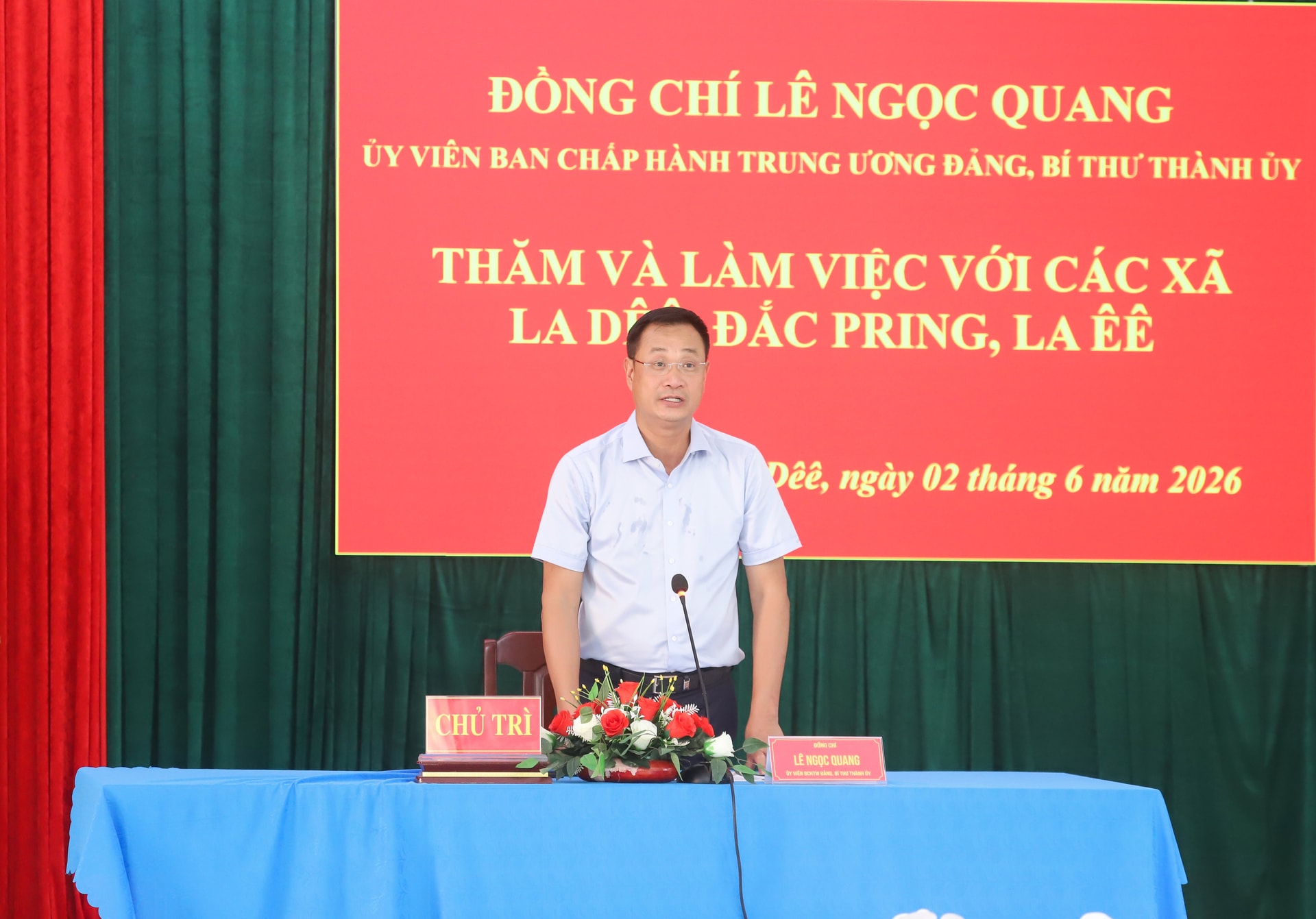
The Party Secretary emphasized that although the two-tiered local government model is still very new, with a large workload and many difficulties in terms of infrastructure and human resources, localities have strived to maintain the stability of the grassroots political system; prevent disruptions to public services; and gradually maintain socio-economic development, national defense, and security in the area.
These initial results demonstrate the spirit of unity, determination, and responsibility of the Party committees, government, and people of the localities.
However, the coming period will present many difficulties and challenges. Major issues related to transportation, electricity, and telecommunications infrastructure; the risk of landslides and natural disasters; the quality of human resources; mechanisms for developing the forest economy, medicinal plants, and stabilizing the population… are problems that cannot be solved overnight, but also cannot be delayed.
The City Party Committee's stance is to ensure that mountainous areas do not fall behind in the overall development process of the city. We must preserve the forests to retain the people; and to retain the people to retain the land, the borders, and the space for long-term sustainable development in the western part of the city.
The City Party Secretary requested that in the remaining months of 2026 and the subsequent period, the Standing Committees of the Party Committees of La Dêê, Đắc Pring, and La Êê communes continue to build a clean and strong Party and political system; improve leadership capacity, and effectively organize the implementation of tasks.
It is necessary to proactively review and update local development programs, plans, and projects to synchronously implement new policies and resolutions of the Central Government and the City Party Committee; maintain internal unity; tighten discipline and order; and link Party building work with the effectiveness of work resolution and the quality of service to the people.
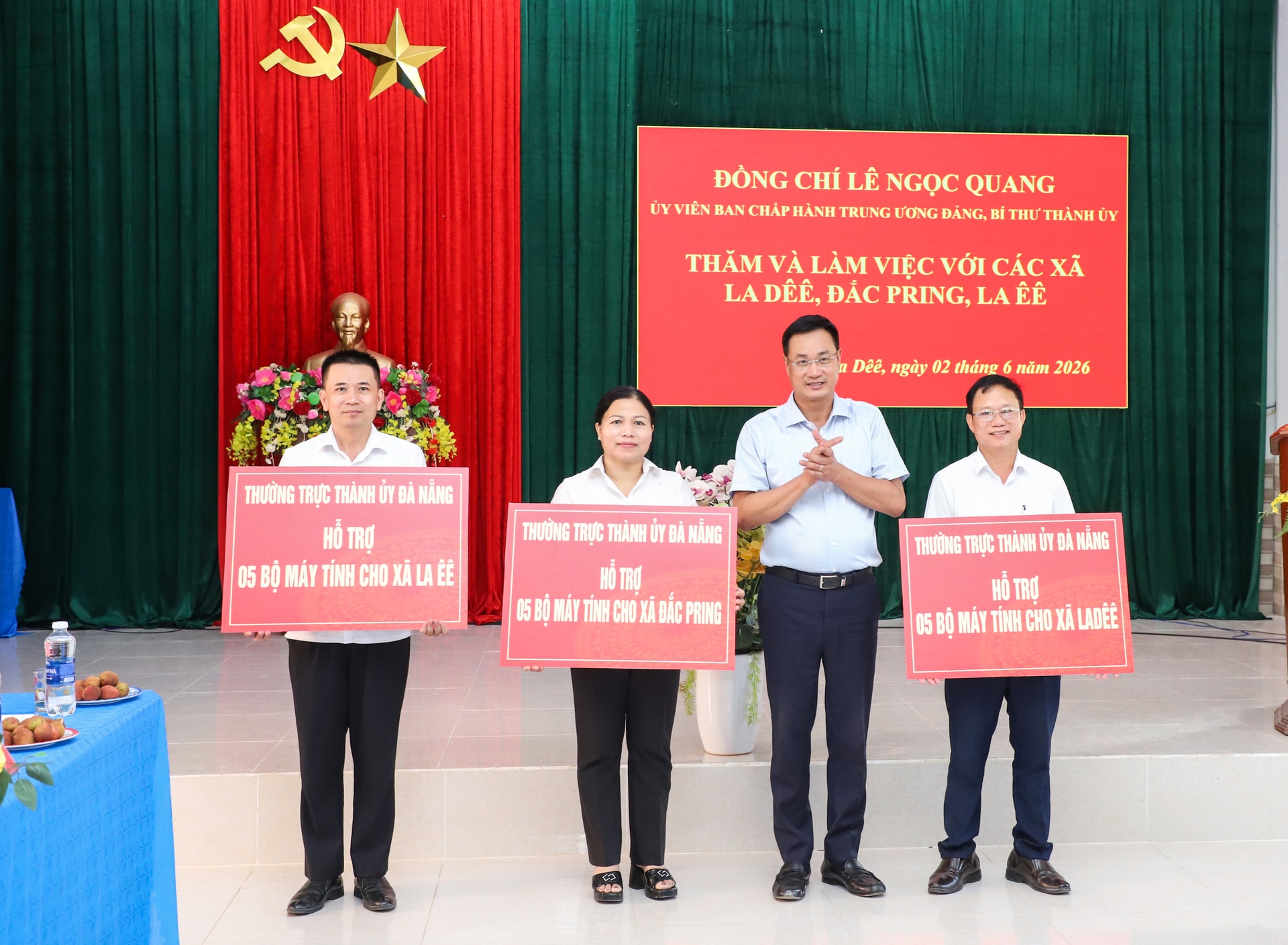
The communes continue to improve and enhance the operational efficiency of the two-tiered local government model; proactively review and arrange the staff of officials and civil servants to suit the requirements of the tasks; promptly propose to the city to address the shortage of human resources and limitations in expertise at the grassroots level; and pay attention to improving the quality of grassroots officials.
Simultaneously, gradually improve access to essential services for people in mountainous areas; consider digital infrastructure, telecommunications, and access to online public services as essential infrastructure for mountainous regions in the current period; gradually promote digital transformation in management, administration, education , health, and public service in accordance with the spirit of Resolution No. 57-NQ/TW of the Politburo.
The Party Secretary of the City Committee suggested focusing on developing the forest economy in conjunction with sustainable forest protection and development. There must be a strong shift in development thinking from exploitation to conservation and sustainable development; using forests as the foundation for livelihoods and medicinal plants as a unique competitive advantage.
The development mindset in the western region needs to shift from primarily relying on support to creating sustainable livelihoods for the people. It's unacceptable for people to protect the forest while still struggling to make ends meet; to preserve the forest, people must first be able to live off the forest, benefit from it, and be deeply connected to it.
Continue to study and effectively apply the City Party Committee's guidelines in the Action Program for socio-economic development and ensuring national defense and security in ethnic minority, mountainous, border, and island areas for the period 2026-2030, and related resolutions on forest management, protection, and development in the city.
Review and determine appropriate crop development orientations; restrict acacia tree cultivation in areas near residential areas, key transportation routes, and areas at risk of geological and environmental impacts and landslides. Focus on developing large timber trees, medicinal plants, fruit trees, and high-value non-timber forest products; gradually establish concentrated production zones linked to processing and product consumption.
Promote the renovation of unproductive gardens, develop garden and farm economies in an organic, green, and bio-safe direction; link agricultural production with ecotourism and community tourism.
Continue to review areas at high risk of natural disasters and landslides; develop plans for relocating and stabilizing residents in order of priority; and absolutely do not be complacent in the face of increasingly complex natural disasters.
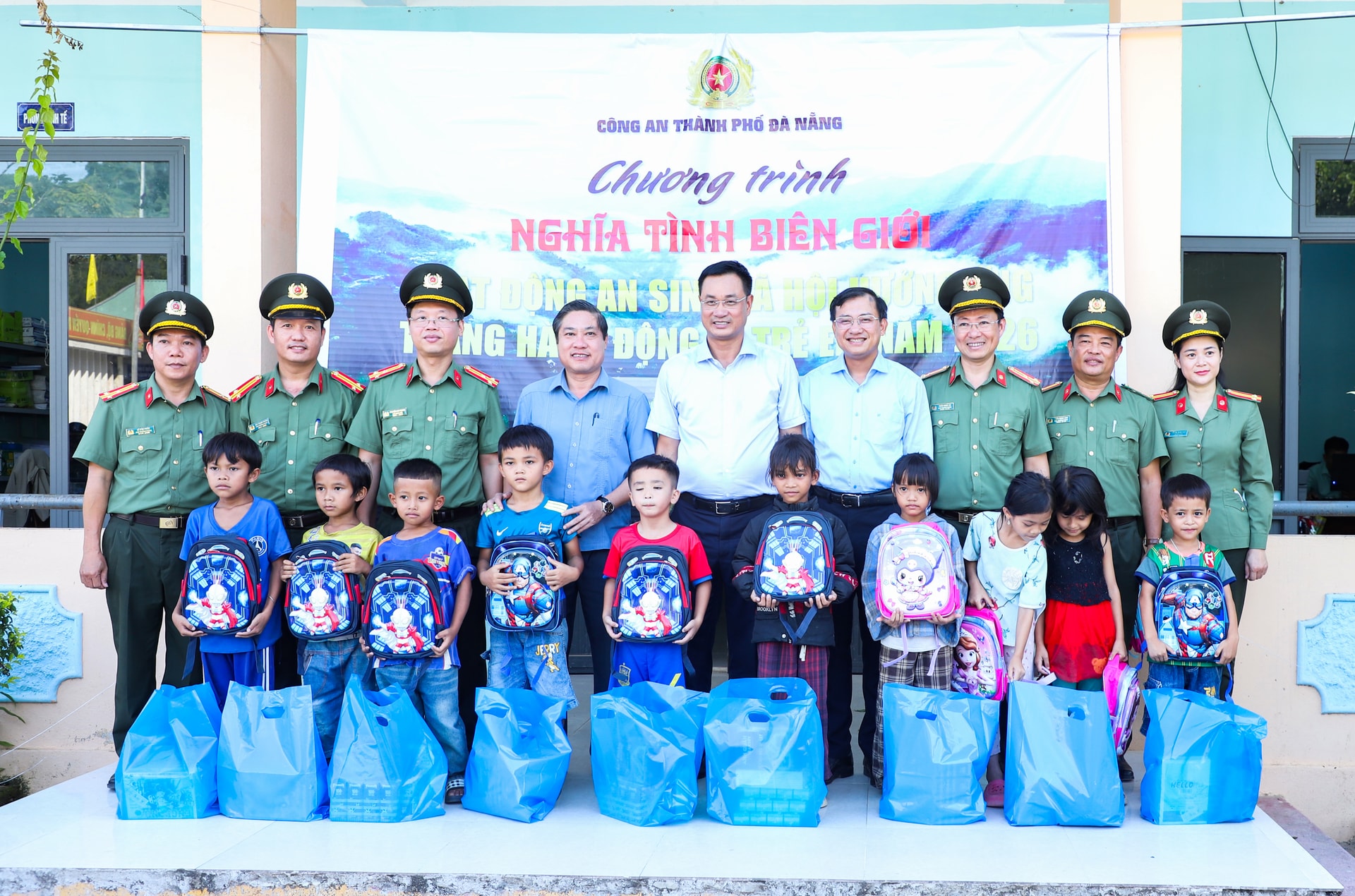
Proactively plan suitable resettlement areas to propose to the city for mobilizing investment resources; link population stability with production stability, creating sustainable livelihoods for people; conduct pilot studies on residential areas linked to specialized production zones and community tourism development.
At the same time, it is necessary to integrate and effectively utilize resources from national target programs, resolutions, programs, and projects of the Central Government and the city to focus on investing in the synchronized development of infrastructure for transportation, healthcare, education, electricity, clean water, telecommunications, and information technology.
The Party Secretary of the City Committee requested that localities continue to closely monitor the situation at the grassroots level, proactively prevent and combat all types of crime; and prevent the emergence of hotspots related to security and order, land disputes, deforestation, and complex issues related to ethnicity and religion.
At the same time, we must pay attention to and care for the lives of ethnic minorities, preserve their cultural identity, promote the role of village elders and influential people; link socio-economic development with strengthening national defense and security; strengthen the prevention and control of drug trafficking, smuggling, and illegal border crossings; and continue to maintain and promote friendly exchange relations with neighboring villages of Laos.
Creating new momentum for the western mountainous region.
The City Party Secretary requested the Party Committee of the City People's Committee to direct the City People's Committee and relevant departments and agencies to urgently review all the proposals from the three communes; clearly classify the contents that fall under the city's jurisdiction and those that need to be submitted to the Central Government.
Issues within their jurisdiction must be proactively addressed and not allowed to drag on; especially those related to power grids, telecommunications, transportation connections, schools, health centers, and resettlement in landslide-prone areas. Departments and agencies must strengthen direct guidance to local authorities and work alongside them to overcome difficulties.
At the same time, focus on reviewing and prioritizing investment resources for strategic transportation connectivity projects; electricity, telecommunications, and essential infrastructure projects.
Effectively implement social security policies for ethnic minority and mountainous regions; gradually narrow the gap in income, living standards, and access to essential services between mountainous and lowland areas.
The City Party Secretary noted that the development of the three communes must be clearly defined not only as a social welfare issue but also as part of the overall development strategy for the western part of the city. This includes focusing on removing major bottlenecks in infrastructure and mechanisms for developing the forest economy; improving the quality of human resources and the capacity of local governance.
We need to develop a mindset focused on "conservation for development, development for forest preservation"; putting the people at the center; leveraging forest resources and medicinal plants as unique competitive advantages; and gradually forming a medicinal plant economic space, ecological economy, and community tourism with a distinct identity of the western mountainous region of the city.
Strengthen inspection, supervision, and urging of construction units to supplement manpower and equipment; organize construction rationally to ensure progress, quality, and labor safety for projects being implemented in the area.
Specifically, emphasis was placed on accelerating the progress of items at the La Dêê Commune Boarding School; the Management Board was directed to require contractors to expedite the disbursement of funds, especially for the two school projects in La Dêê and La Êê communes...
The Standing Committee of the City Party Committee has identified the development of the western mountainous region as a long-term strategic task in terms of economy, society, national defense, security, and ethnic affairs. The city will continue to pay attention to, prioritize resources for, and support local areas in the development process.
"Along with the city's support, the most important thing remains the proactive spirit, determination, responsibility, and aspiration for progress of the local Party committee, government, and people," the City Party Secretary emphasized.
At the meeting, delegates emphasized that although the three localities still face many difficulties, they have great potential for developing border gate economy, agriculture, forestry, and ecotourism associated with forest protection. Therefore, they requested that the localities proactively adhere to the planning of the Nam Giang Border Gate Economic Zone; coordinate the review of land use planning and the planning of the three types of forests, expanding the area of production forests appropriately to create sustainable livelihoods for the people; and at the same time develop large-scale timber and medicinal plant raw material areas under the forest canopy to serve the processing industry.
Regarding public investment, localities need to proactively review and adjust projects that are no longer suitable to prioritize resources for essential projects such as resettlement areas, clean water supply, landslide prevention, and land clearance for National Highway 14D; accelerate the progress of unfinished projects, complete settlement documents, and avoid loss and waste of investment resources.
Source: https://baodanang.vn/tao-sinh-ke-ben-vung-cho-nguoi-dan-vung-phia-tay-3339102.html



![[Photo] First session of the 14th Congress of the Vietnam Trade Union](https://vphoto.vietnam.vn/thumb/1200x675/vietnam/resource/IMAGE/2026/06/03/1780465947883_ndo_br_img-3852-jpg.webp)












































![[Video] Sunset at Lap An Lagoon – Where the sun sets over the fishing nets](https://vphoto.vietnam.vn/thumb/1200x675/vietnam/resource/IMAGE/2026/05/31/1780192137701_beach-landscape-sea-water-nature-grass-745871-pxhere-com.jpeg)




























Comment (0)