

 |
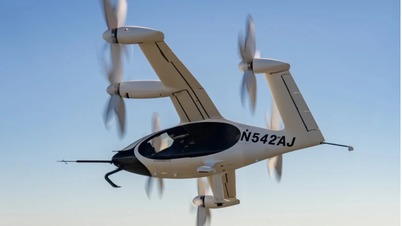
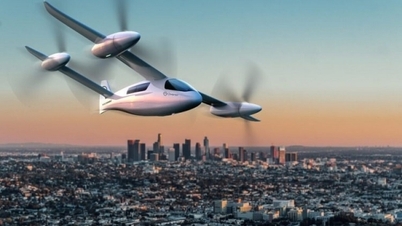
Joby Aviation's hydrogen-electric flying taxi recently flew three times farther than the company's battery-powered flying taxi. (Photo: Joby Aviation) |
The flight, which was more than three times farther than the previous record set by an electric vehicle from the same developer, demonstrates the potential of hydrogen in opening up zero-emission journeys in the region, according to a statement from Joby Aviation, the company behind the flying taxi prototype. The flying taxi still had 10% of its hydrogen fuel remaining after the flight, meaning it could fly even further in the future.
This was the first direct flight of a hydrogen-fueled aircraft capable of vertical take-off and landing (VTOL). Previous hydrogen-fueled flights used runway-hungry aircraft or smaller vehicles, such as Metavista's unmanned multi-rotor design. Those hydrogen-fueled flights lasted from 10 minutes to 3 hours, in the case of the H2FLY design (H2FLY is a subsidiary of Joby Aviation). Metavista's flying taxi flew for a record 12 hours. It's unclear how far these aircraft have flown, but H2FLY says that one day their aircraft could fly up to 1,500 km.
Flying taxi powered by hydrogen-electric fuel.
Joby Aviation's flying taxi is an improved electric aircraft with six propellers designed for urban environments. The original battery-powered vehicle completed 40,000 km of testing across numerous flights at the company's headquarters in Marina, California, and over New York City. Engineers then converted this battery-powered aircraft into a hydrogen-electric one by adding a fuel tank capable of holding 40 kg of liquid hydrogen, as well as a hydrogen fuel cell system.
Fuel cells convert hydrogen into electricity, water, and heat in the presence of oxygen. The electricity then powers the aircraft's rotors, while the water is expelled as a waste product. The aircraft also carries a smaller number of batteries, providing additional power during takeoff and landing.
JoeBen Bevirt, founder and CEO of Joby Aviation, said: "Imagine being able to fly from San Francisco to San Diego, from Boston to Baltimore, or from Nashville to New Orleans without ever having to go to an airport and emitting no emissions except water."
The advantage of hydrogen-powered designs is that they can travel much further than electric battery designs, which require recharging every 160 to 240 km.
Joby Aviation plans to begin selling its initial battery-electric prototype in 2025. It will take longer to bring hydrogen and electric flying taxis to market, but much of the design and testing work has already been completed on commercially viable battery-electric aircraft.
Joby Aviation recently became the first electric VTOL aircraft developer to complete the third of five stages in the U.S. Federal Aviation Administration (FAA) certification process. In this third stage, the FAA reviewed and approved Joby's certification plans for the aircraft's structural, mechanical, and electrical systems. The next stage will involve the FAA reviewing the entire aircraft and all of its systems.
Joby Aviation plans to deploy the same infrastructure, landing pads, operating crew, and software for both types of vehicles, allowing them to be used simultaneously or seamlessly switched between the two.














































































Comment (0)