
Bun bo Hue (Hue-style beef noodle soup) is a dish that attracts diners and has been passed down through many generations. Photo: D.H.
Accordingly, Decision No. 2203/QD-BVHTTDL of the Minister of Culture, Sports and Tourism has inscribed the folk knowledge about Hue beef noodle soup into the National List of Intangible Cultural Heritage, under the category of folk knowledge.
This is well-deserved recognition for the historical, cultural, artistic, and economic value of this distinctive dish, deeply rooted in the identity of the ancient capital region.
Bun bo Hue is not only a famous dish both nationally and internationally, but also the culmination of hundreds of years of folk knowledge passed down through generations; profoundly reflecting the soul, lifestyle, and culinary culture of the people of Hue.
In particular, this dish is closely associated with religious beliefs, community activities, and traditional craft villages such as Van Cu noodle village and O Sa noodle and rice cake village…
In 2014, Bun Bo Hue was featured on CNN by renowned food expert Anthony Boudain, who described it as "the best soup I've ever tasted." In 2016, Bun Bo Hue was included in the Asian Record Organization's list of Top 100 dishes with Asian value.
In 2023, the international food website Taste Atlas ranked Hue 28th among the 100 cities with the best food in the world; in which, Bun Bo Hue (Hue-style beef noodle soup) was considered "one of the must-try Hue dishes when visiting."
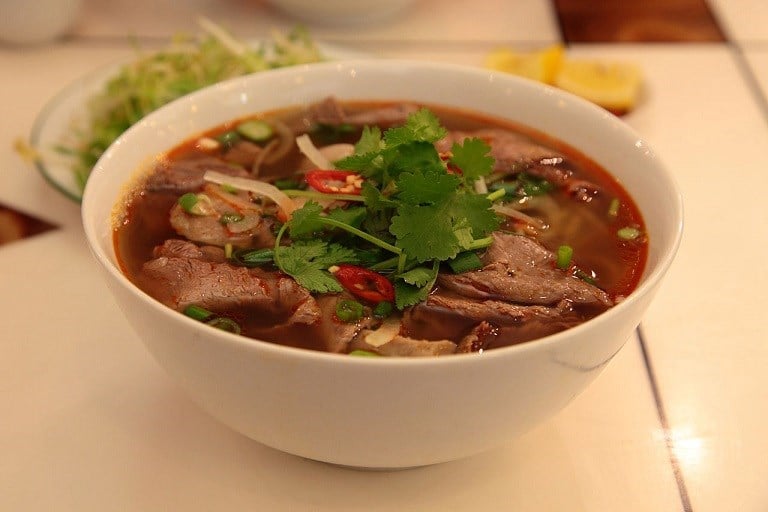
Many culinary experts believe that Bun Bo Hue (Hue-style beef noodle soup) is a must-try dish when visiting Hue.
Throughout the ups and downs of history, the folk knowledge of preparing Hue beef noodle soup has been preserved and promoted by the local community, especially with the contributions of culinary artisans such as Mai Thi Tra, Hoang Thi Nhu Huy, Ton Nu Thi Ha, Phan Ton Gia Hien, etc.
According to Mr. Phan Thanh Hai, Director of the Department of Culture and Sports of Hue City, the registration of Hue's culinary heritage not only affirms the cultural value of Hue's cuisine but also creates a legal foundation and an important impetus for the locality to continue promoting the preservation, promotion, and development of heritage values in the cultural industry development strategy, contributing to the development of tourism, economy, and culture in the locality.
"This is also a significant stepping stone in the roadmap to making Hue a UNESCO Creative City in the field of gastronomy," Mr. Phan Thanh Hai emphasized.
In the coming time, the Department of Culture and Sports will coordinate with other departments, agencies, artisans, and the community to continue implementing activities to teach, honor, and promote the heritage, contributing to spreading the value of the folk knowledge heritage of Hue beef noodle soup to the public both domestically and internationally, so that this dish is not only a source of pride for the people of Hue but also a symbol of Vietnamese culture on the international stage.
On the same occasion, the Minister of Culture, Sports and Tourism also issued Decision No. 2293/QD-BVHTTDL recognizing the Bhuôih Haro Tơme Festival - the New Rice Festival of the Cơ Tu ethnic group in Nam Đông commune, Long Quảng commune, and Khe Tre commune (Hue city) as a National Intangible Cultural Heritage, belonging to the category of Traditional Festivals, Social Customs and Beliefs.
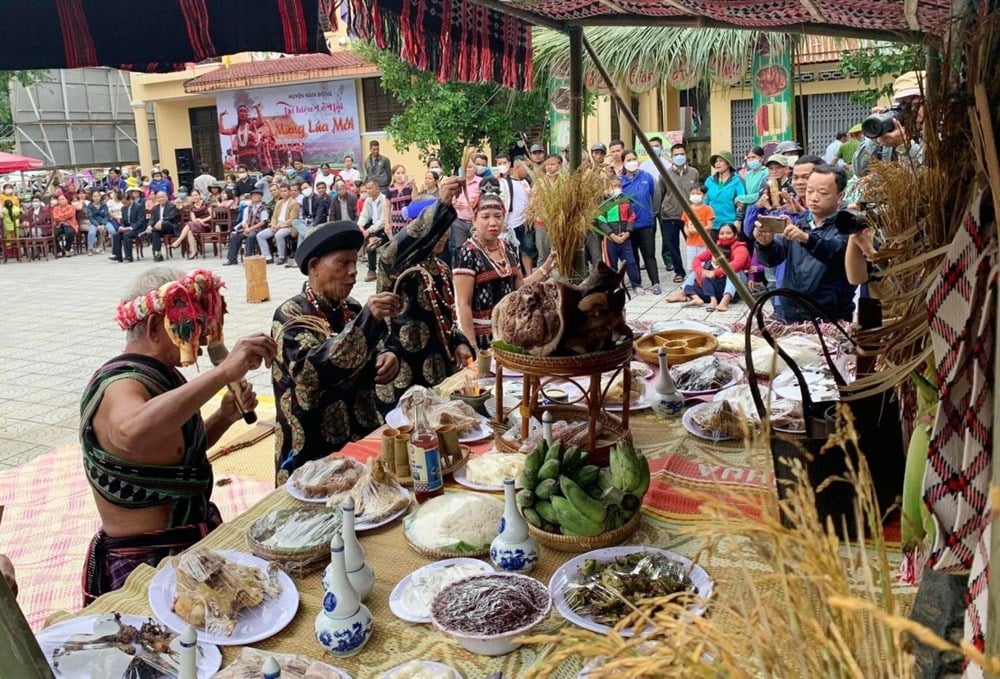
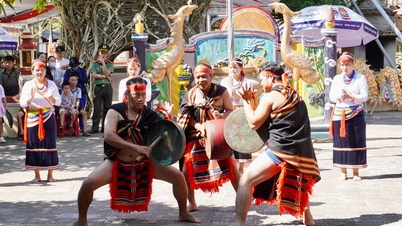
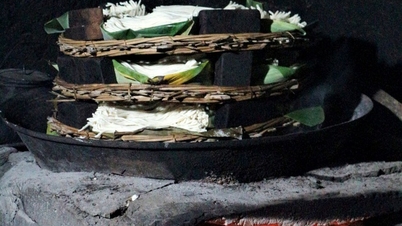
Village elders in Nam Dong perform rituals during Bhuôih Haro Tơme - the New Rice Festival. Photo: S.THÙY
The New Rice Festival is a typical agricultural ritual, reflecting the close relationship between humans, nature, and deities in the cultural life of the Co Tu ethnic group.
The festival usually takes place after each harvest season, signifying gratitude to the deities, especially the rice god Giàng Haro, for granting the village a bountiful harvest, peaceful life, and prosperity.
Preserved and passed down through generations, the festival is a distinctive feature in the traditional rice cultivation cycle of the Co Tu people, and also an important occasion for the community to gather, celebrate, and strengthen solidarity.
The inclusion of the New Rice Festival in the National List of Intangible Cultural Heritage demonstrates its contribution to spreading the unique cultural heritage of the Co Tu ethnic minority community in the former Nam Dong district - a land rich in tradition and playing an important role in the mountainous cultural identity of Hue.
Source: https://baovanhoa.vn/van-hoa/thanh-pho-hue-co-them-2-di-san-van-hoa-phi-vat-the-quoc-gia-149517.html




![[Photo] General Secretary and President To Lam presides over a meeting on preparations for the review of one year of operation of the three-tiered government system.](https://vphoto.vietnam.vn/thumb/1200x675/vietnam/resource/IMAGE/2026/06/02/1780391821195_a1-bnd-4595-9717-jpg.webp)






















































Comment (0)