

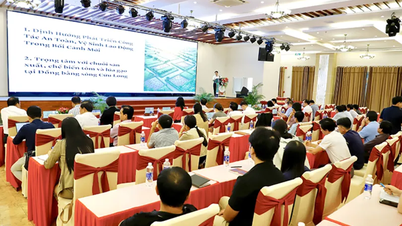
Hong Duc University (Thanh Hoa) recently organized a scientific conference on the theme "Sustainable Agricultural Development in the Context of Climate Change". The conference was attended by many experts, scientists, lecturers, researchers, and students from within and outside the university.
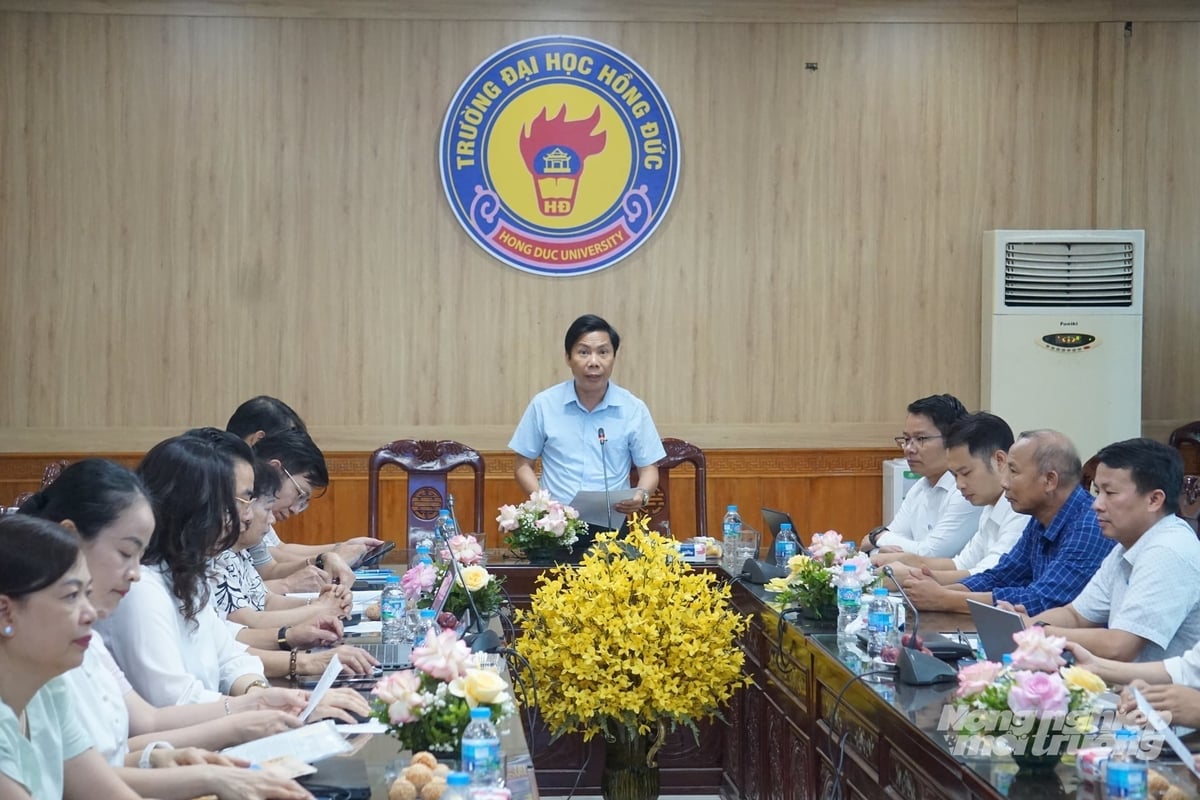
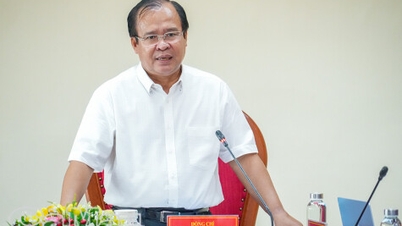
Dr. Le Van Thanh, Deputy Head of the Faculty of Agriculture, Forestry and Fisheries, Hong Duc University, speaks at the conference. Photo: Quoc Toan.
At the workshop, experts and scientists focused on analyzing the increasingly evident impacts of climate change on agricultural production, resources, and the environment in the North Central region. Many presentations addressed adaptation solutions in crop cultivation, livestock farming, ecosystem protection, and the development of green and sustainable agriculture.
Several studies delve into the potential for increasing the natural resistance of crops to pests and diseases, thereby reducing reliance on pesticides and agricultural chemicals. The presentations also analyzed the impacts of sea level rise, erosion, and climate change on the coastal areas of Thanh Hoa province, highlighting the urgent need for environmental protection and long-term adaptation.
Many opinions emphasize the role of ecological agriculture, circular agriculture, and regenerative agriculture models in the context of increasingly complex climate change. Experts believe that it is necessary to promote the selection and breeding of drought-tolerant, pest-resistant, and adaptable crop varieties to extreme weather conditions in order to ensure food security and improve production efficiency.
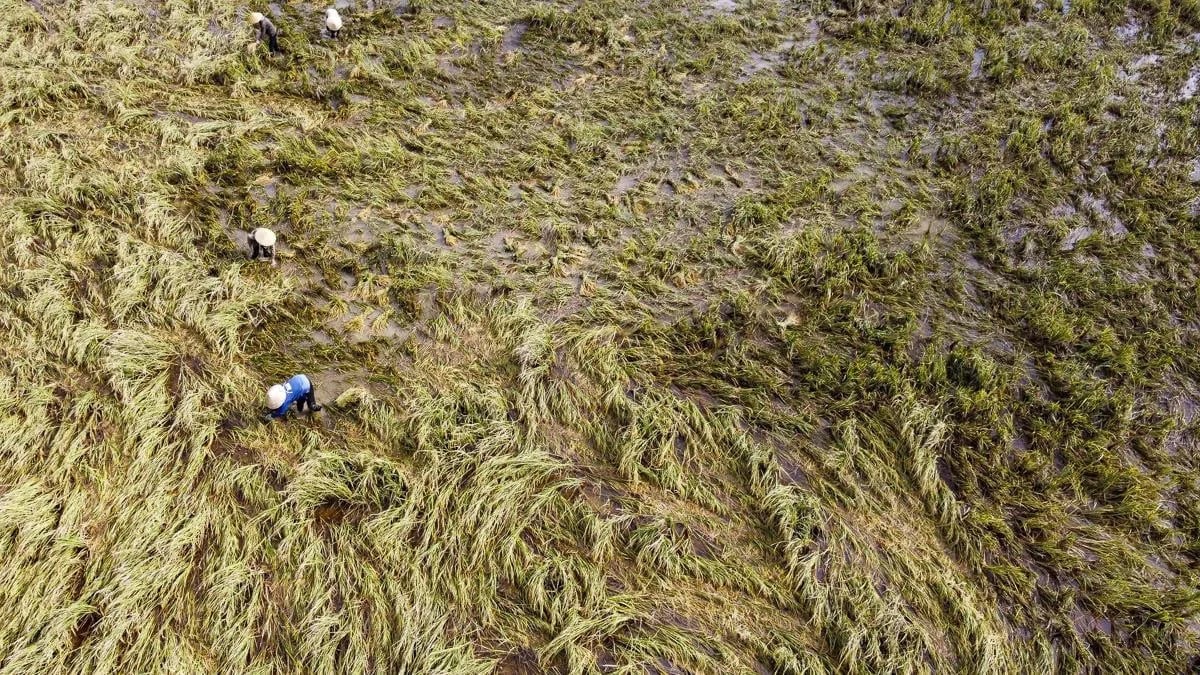
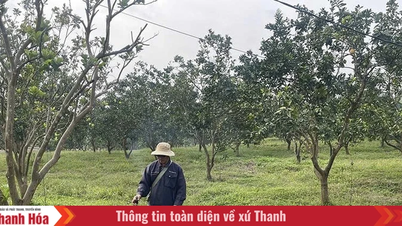
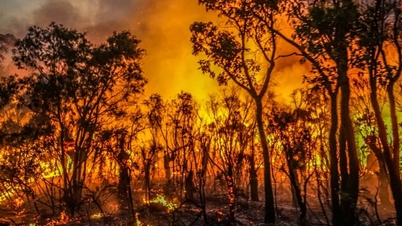
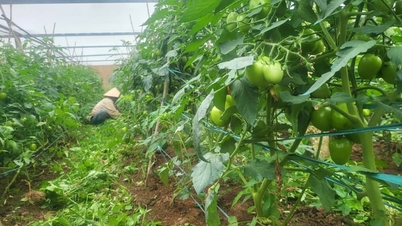
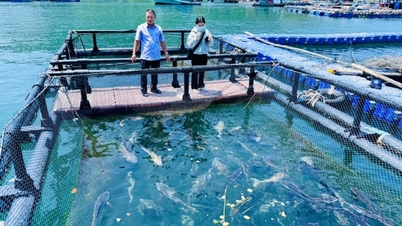
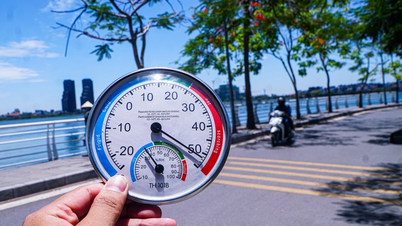
Climate change and natural disasters are increasingly having a severe impact on agricultural production, especially in the North Central region. Photo: Thanh Tam.
In addition, some presentations also addressed the difficulties in agricultural production on sloping land in the mountainous region of North Central Vietnam – an area clearly affected by land degradation, heavy rains, and erosion. Based on this reality, many solutions regarding soil protection, sustainable farming, and ecosystem restoration were proposed to improve production efficiency in the mountainous region.
In the field of animal husbandry, many studies are focusing on using herbal remedies as an alternative to antibiotics in poultry farming to improve food safety, reduce environmental pollution, and develop green and sustainable animal husbandry.
Beyond simply identifying the challenges posed by climate change, many participants at the workshop also argued for a shift in agricultural development thinking towards proactive adaptation, leveraging science and technology, and seizing opportunities from the global green transition trend. In particular, carbon economics , carbon credit markets, and the commercialization of scientific products were considered promising but underexploited avenues in Vietnam.
According to Professor Le Van Nguyen from the University of Tokyo, a change in mindset regarding climate change is necessary. Instead of focusing solely on passive response solutions, climate change should be viewed as an inevitable trend in building appropriate development strategies, especially for sustainable agricultural development within a carbon-based economy.
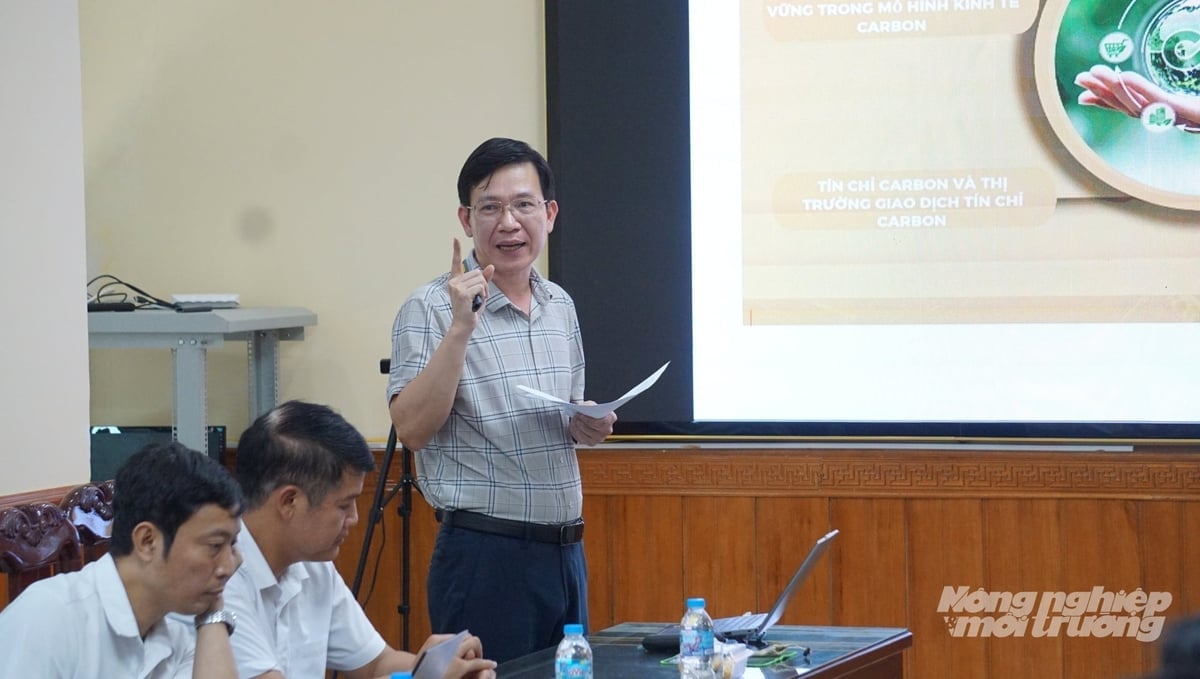
Professor Dr. Le Van Nguyen presents his paper at the conference. Photo: Quoc Toan.
According to Professor Nguyen, Vietnam has been an early participant in global commitments on climate change and has committed to achieving net zero emissions. This is not only a challenge but also opens up great opportunities for Vietnam to participate more deeply in the global carbon market.
Therefore, focusing solely on emission reduction is insufficient; it is necessary to effectively exploit the economic opportunities arising from the green transition, especially the carbon credit market. However, Vietnam currently lacks the necessary databases, high-quality human resources, and specialized training systems to support the development of a carbon-based economy.
According to Professor Le Van Nguyen, it is necessary to develop a carbon economic map; measure, track, and monitor greenhouse gas emissions in real time; and analyze the impact of emission sources to propose appropriate emission reduction solutions.
In addition, it is necessary to promote the application of emission measurement devices; support businesses in transitioning towards a circular economy and a green economy; and simultaneously develop mechanisms and policies to facilitate the formation and operation of a domestic carbon market in the future.
Source: https://nongnghiepmoitruong.vn/thay-doi-tu-duy-tiep-can-van-de-bien-doi-khi-hau-d812726.html





![[Image] Hanoi's urban life under the challenge of a "scorching hot" environment](https://vphoto.vietnam.vn/thumb/1200x675/vietnam/resource/IMAGE/2026/05/25/1779706979265_nang-nong-t5-2026-minh-duy-7-4636-jpg.webp)





































































Comment (0)