


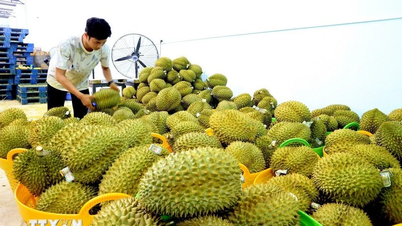
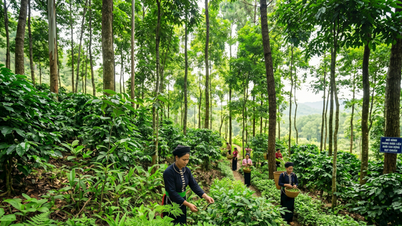
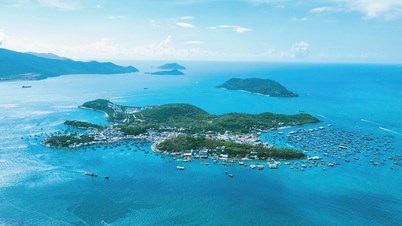
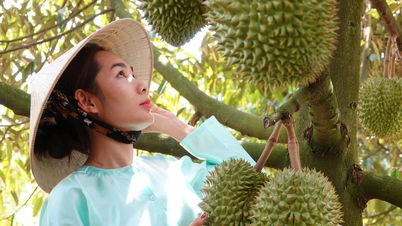
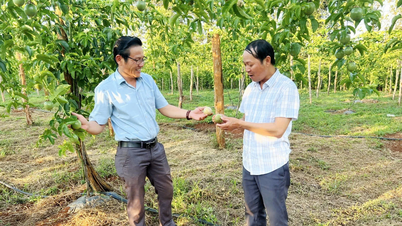
Before the merger, each locality of the new Lam Dong province had its own potential and strengths. Now, with the merger, those advantages have even more opportunities to be maximized because they are combined with other strengths: a larger spatial area, a more harmonious economic system, and a richer cultural space. While the former Binh Thuan province had the advantage of developing a marine economy, alongside an agricultural economy with dragon fruit as its main crop, the former Lam Dong and Dak Nong provinces had strengths in land resources and climate to develop an agricultural ecosystem: growing temperate fruits and vegetables, developing industrial crops, and forestry.
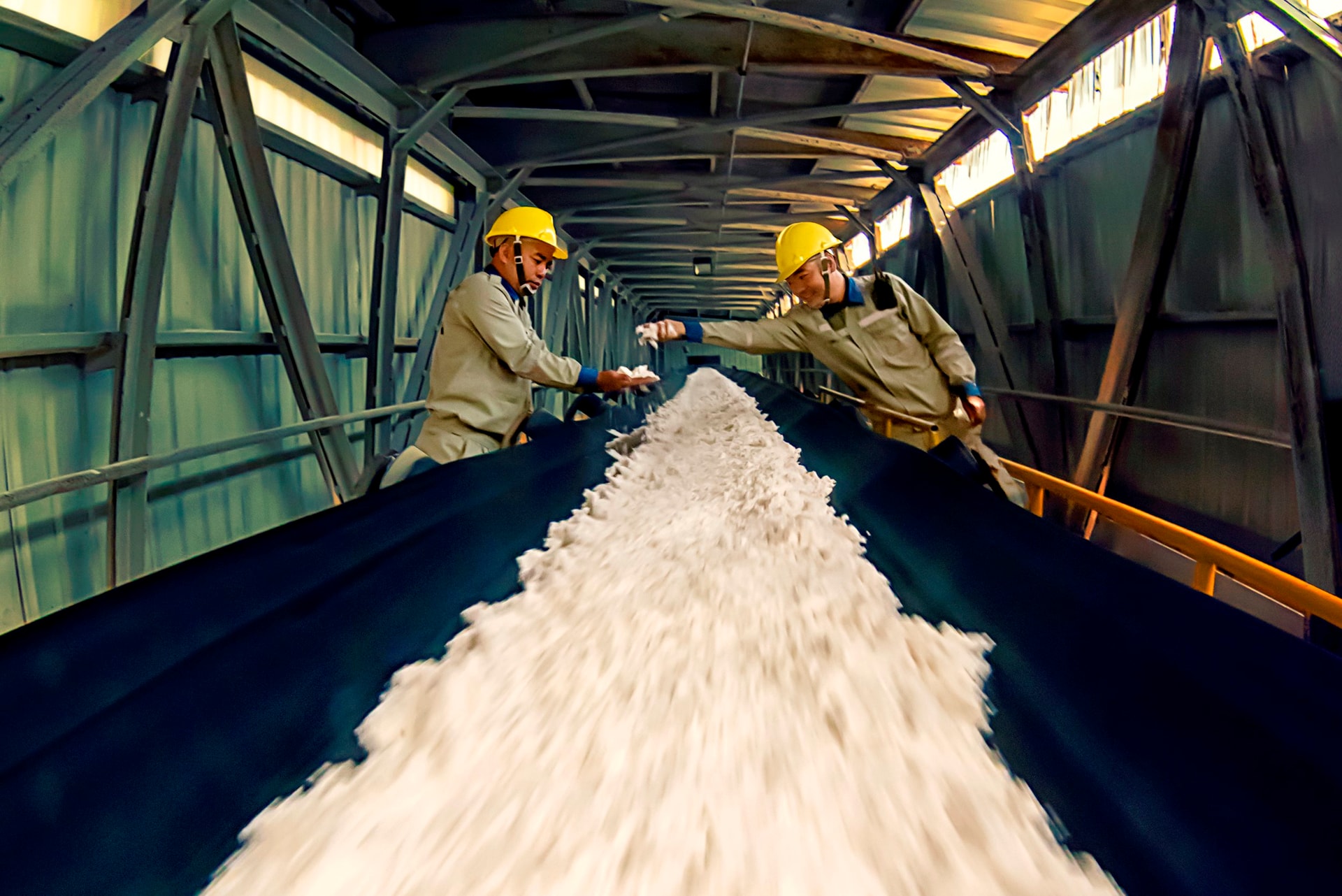
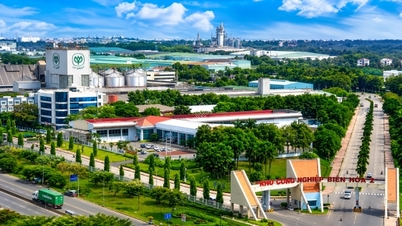
Furthermore, Lam Dong and Dak Nong were previously two localities with very large bauxite reserves. According to a report by the Vietnam Coal and Mineral Corporation, the two alumina production plants in Tan Rai and Nhan Co produce approximately 1.3 million tons of alumina annually. Meanwhile, Binh Thuan (formerly) has the largest titanium reserves in the country. This represents enormous potential for Lam Dong to develop mineral industry hubs and export through the Vinh Tan border gate.
Dr. Dinh Kiem, an economic expert in Ho Chi Minh City, believes that the merger of the three provinces to create a new administrative entity represents a diverse consolidation, creating opportunities for abundant resources from the Central Highlands to the coastal areas of Binh Thuan. This merger not only fosters mutual support in production among the economic growth poles of the new Lam Dong province but also promotes the overall growth goals of Lam Dong province.
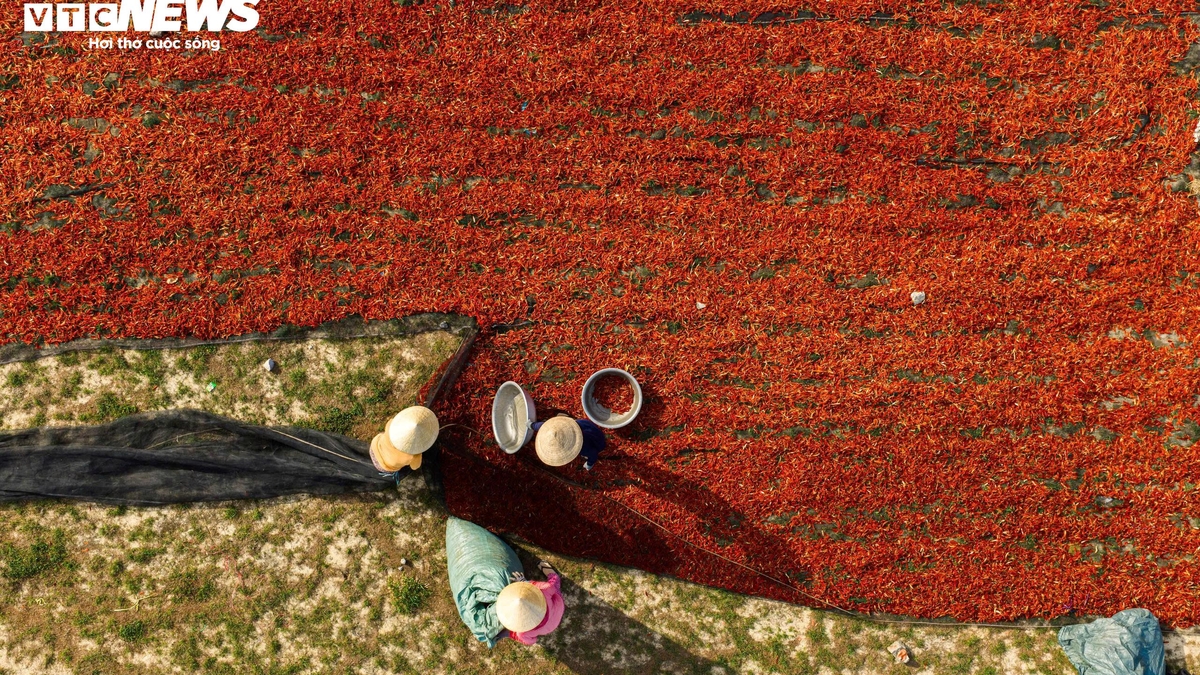
A tourism expert, Mr. Cao The Anh, expects that the merger of three provinces with their unique cultural ecosystems—from their names to their cultural spaces, from their beliefs to their production practices, from their architecture to their community behavior—into one province will create a breakthrough in attracting investment for socio-economic development and tourism. From now on, Lam Dong will have both beaches and islands, as well as flowers and vegetables, plus the UNESCO Global Geopark and Ta Dung Lake—a Ha Long Bay in the Central Highlands. The merger of Lam Dong will also open up opportunities for developing commercial vegetable and flower production, becoming the number one vegetable and flower capital of the country. Furthermore, agricultural products such as coffee, pepper, cocoa, macadamia nuts, and other fruits can be easily transported to industrial zones for processing and export.
According to economist Dinh Kiem, the immediate priority for the newly established Lam Dong province is to quickly develop a spatial plan for economic, cultural, and social development, focusing on the linkage between the East-West growth poles to create broader opportunities. This will increase the competitiveness of Lam Dong's unique products, while simultaneously concentrating on infrastructure development. In the short term, the creation of a new administrative entity will boost the development of the logistics industry, making the transportation of minerals to Vinh Tan port more convenient, and encouraging many other industries to expand into the global market.
Source: https://baolamdong.vn/them-du-dia-cho-phat-trien-383598.html
























![[Photo] Reception to welcome General Secretary and President To Lam and his wife on their State visit to the Philippines](https://vphoto.vietnam.vn/thumb/1200x675/vietnam/resource/IMAGE/2026/06/01/1780295488620_vna-potal-chieu-dai-chao-mung-tong-bi-thu-chu-tich-nuoc-to-lam-va-phu-nhan-tham-cap-nha-nuoc-toi-philippines-8798060-7855-jpg.webp)


















































Comment (0)