

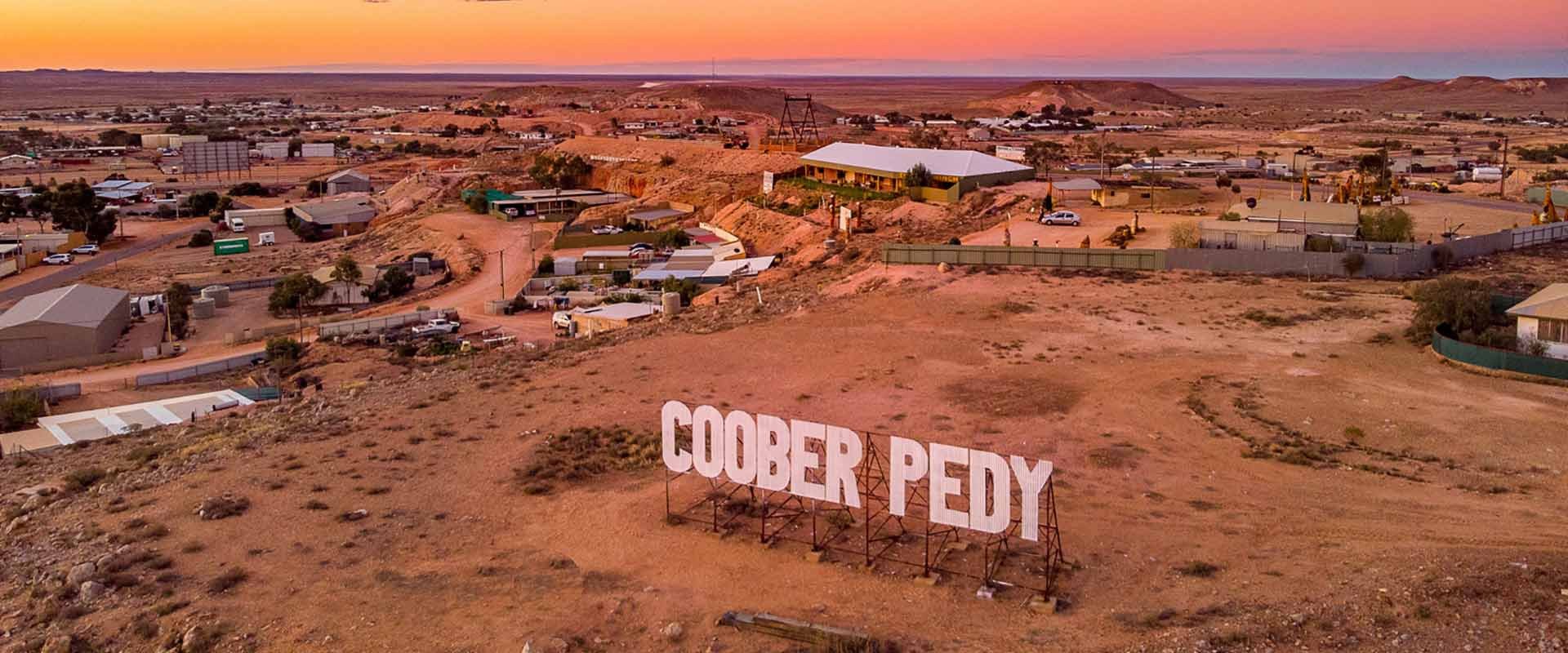
Coober Pedy is located in South Australia. The town was originally named after the European explorer John McDouall Stuart, who was the first to set foot in the area in 1858. In 1920, the town was renamed Coober Pedy, which in the Aboriginal language means "white man's hole".
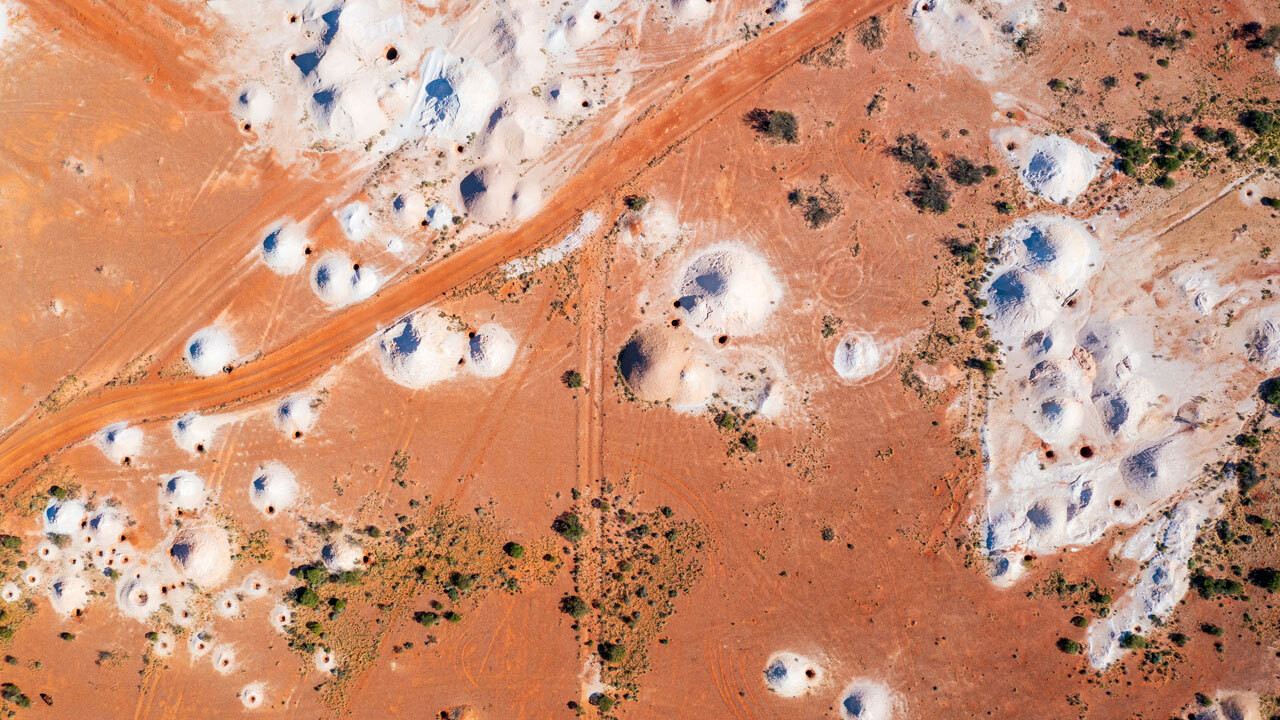
Located in one of Australia's harshest climates, Coober Pedy constantly suffers from extreme heat. The landscape resembles the Moon, with numerous deep sinkholes. Coober Pedy also experiences seasonal dust storms and water scarcity.
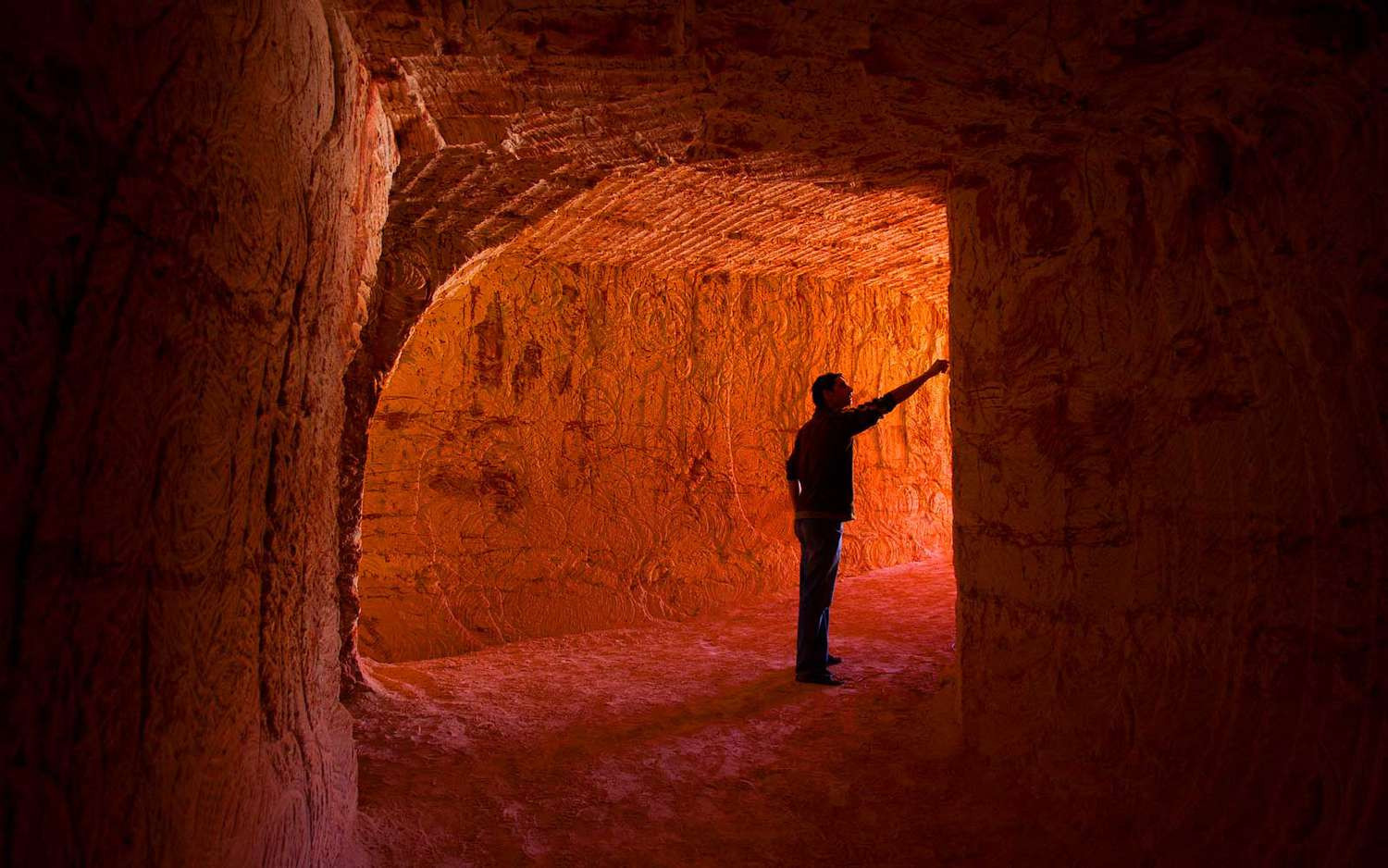
Because of such harsh climatic conditions, migrants who came to the town more than 100 years ago dug tunnels and lived in underground houses, carved into the rocky slopes of the mountains to escape the heat.
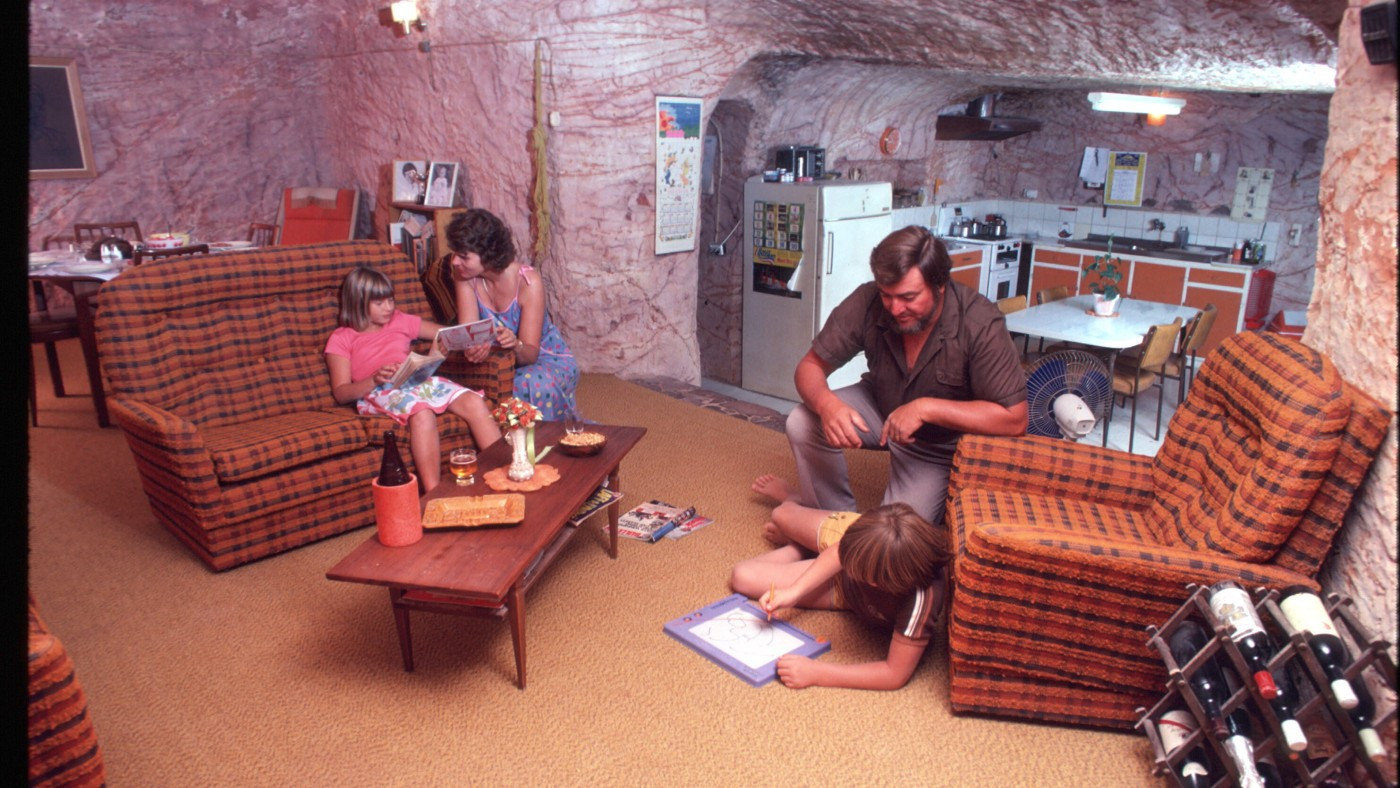
According to the 2021 Australian census, 1,566 people live in Coober Pedy, and 80% of the town's population lives in underground homes.
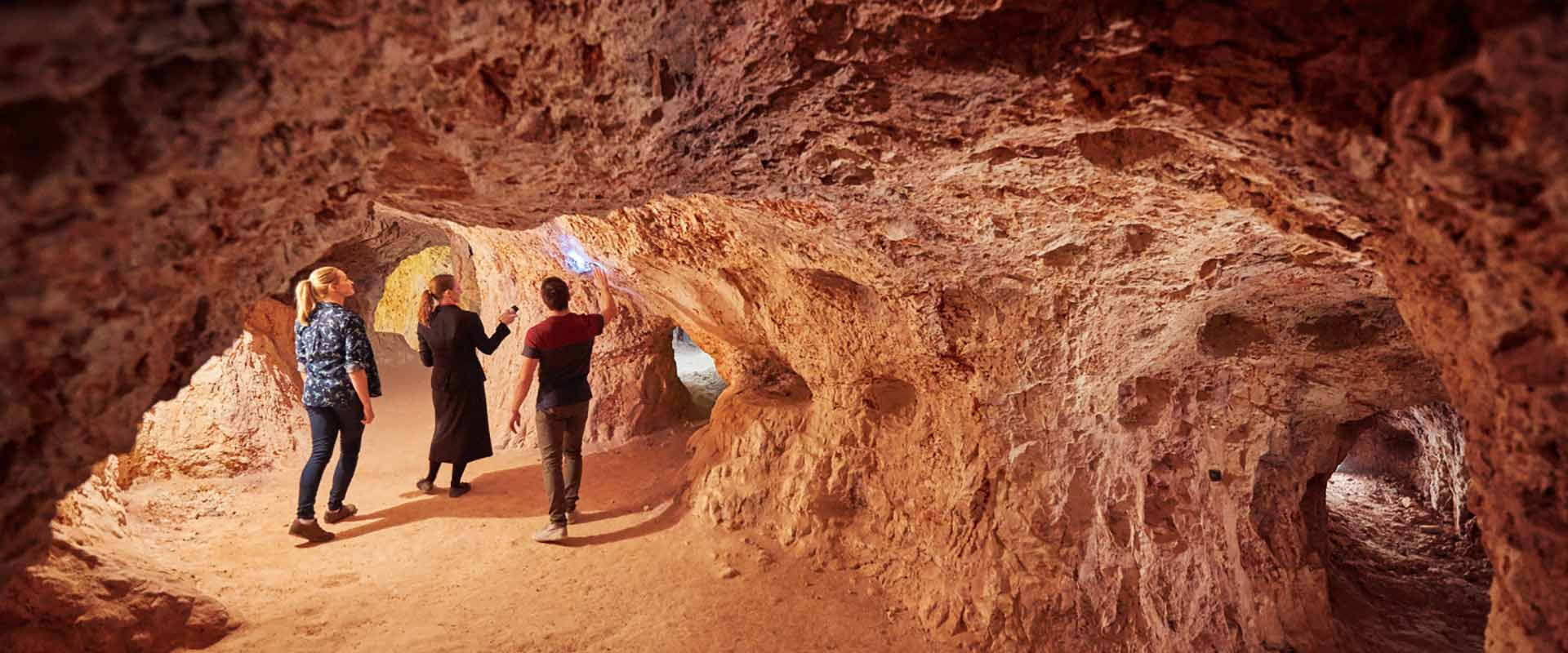
No matter how high the outside temperature rises, the temperature underground always remains around 24 degrees Celsius.
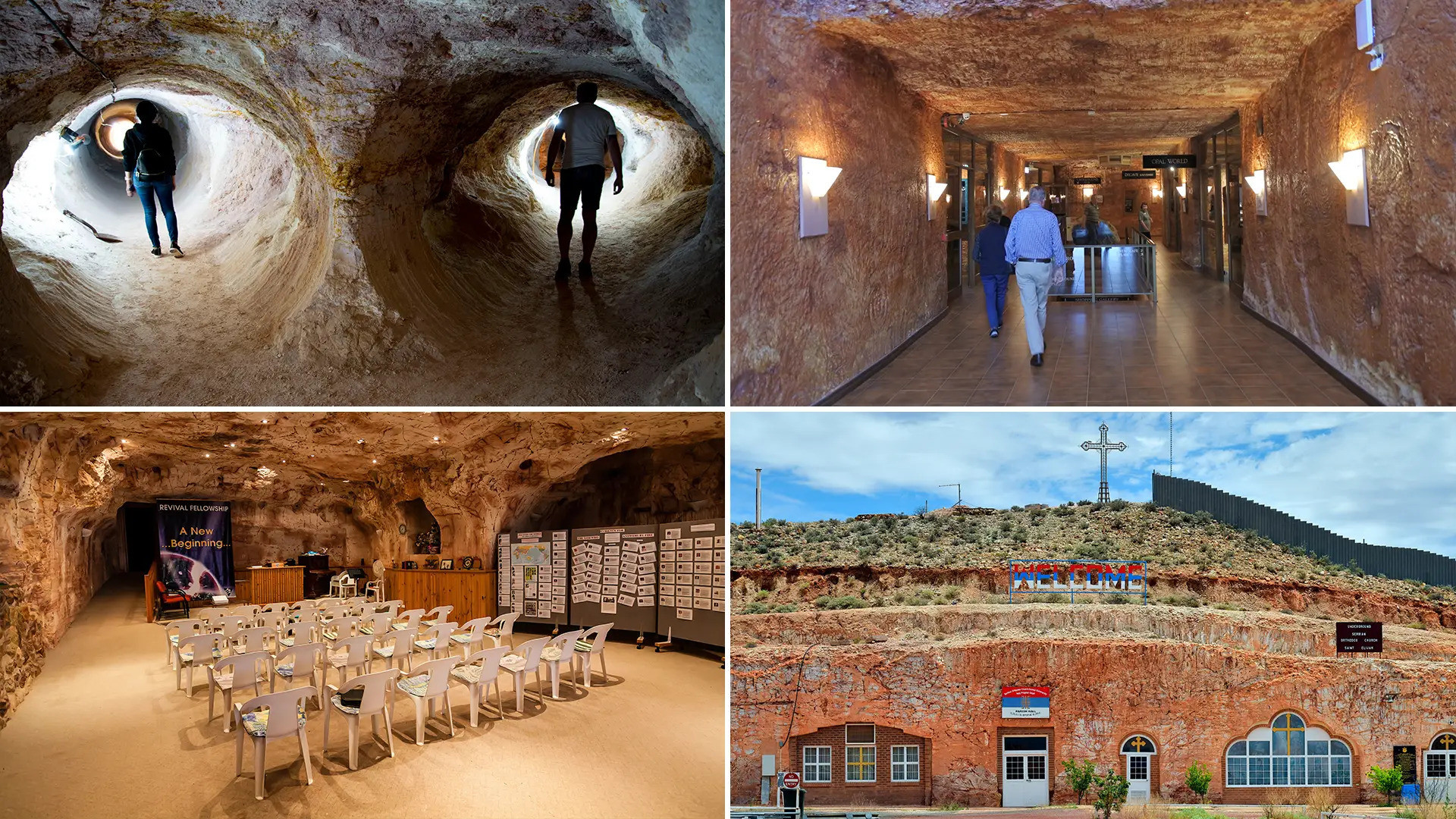
Here, the electric lights are always on. Each house has its own electrical and ventilation system. The town's water supply comes from a 24km-long underground pipeline.
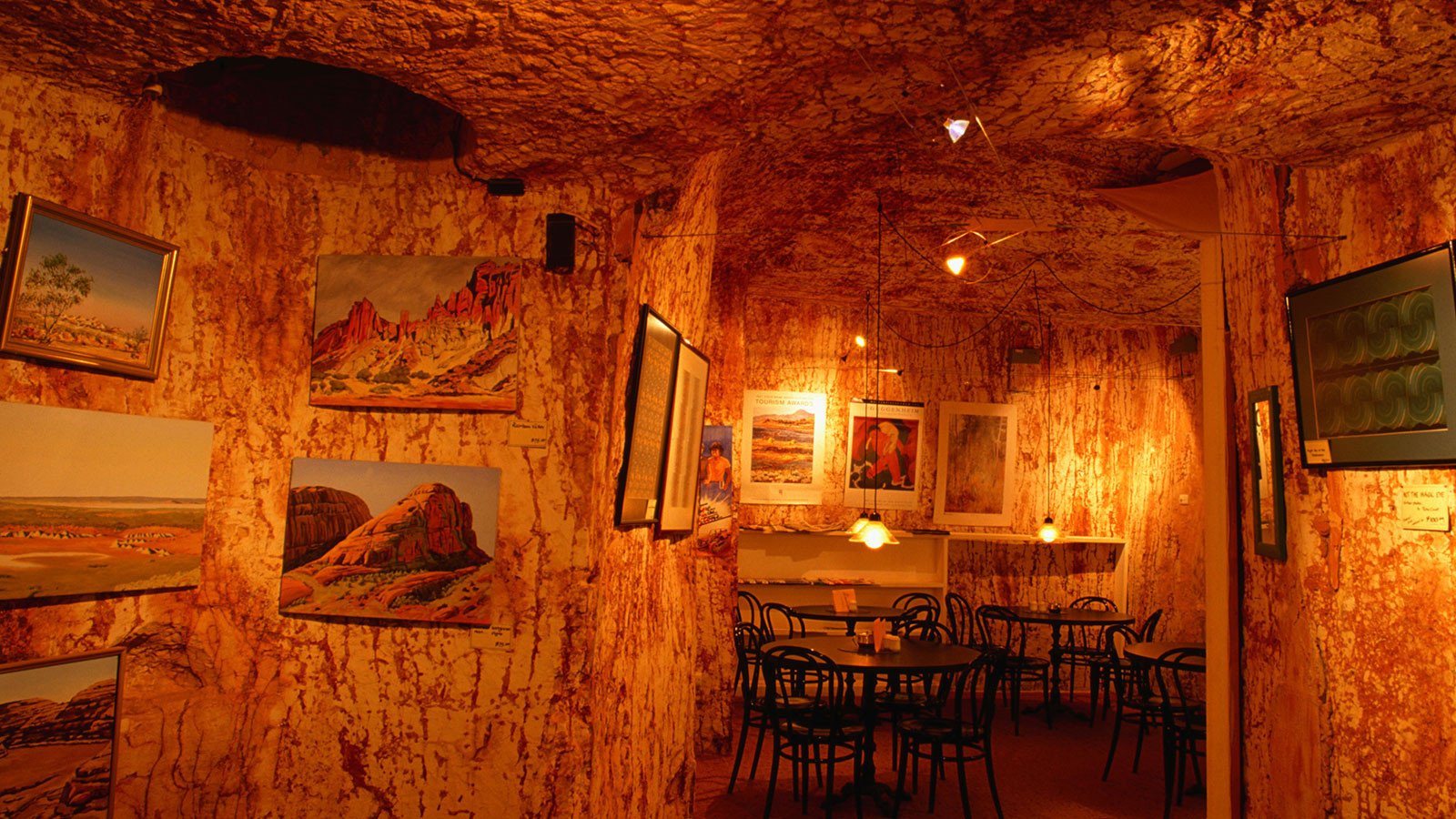
Life underground couldn't limit the boundless imagination of the people of Coober Pedy. They carved countless beautiful, bizarre, yet incredibly delicate images throughout their "cave." The rooms are furnished comfortably, no different from those above ground, with clean beds, wardrobes, televisions, and cooking facilities.
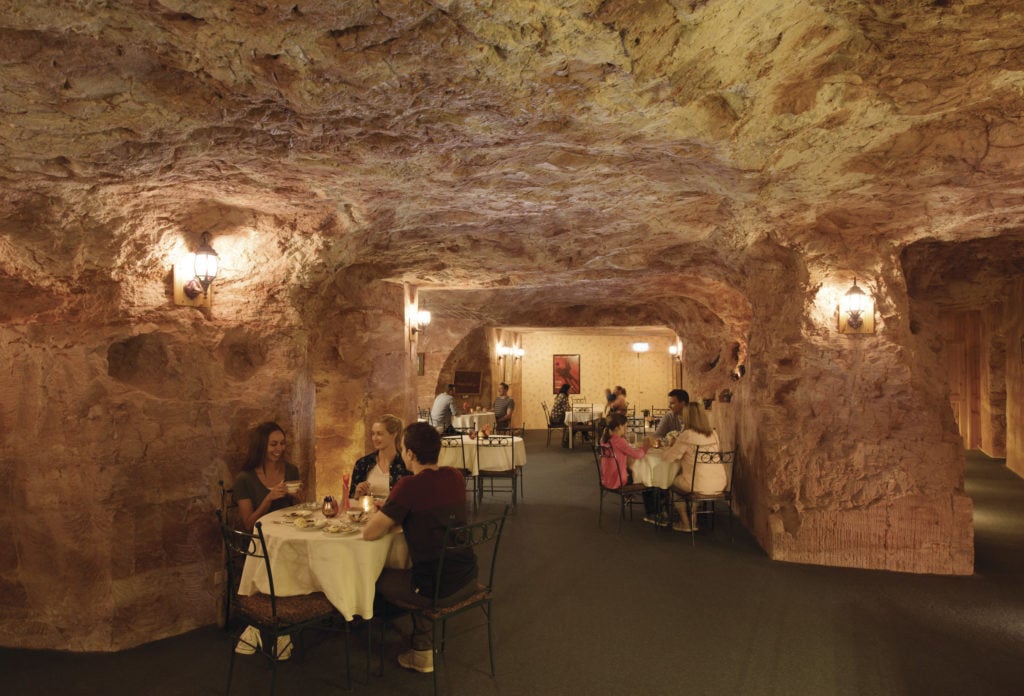
Moreover, Coober Pedy also has a church, restaurants, hotels, bars, art galleries, and amusement parks, all located more than 10 meters underground.
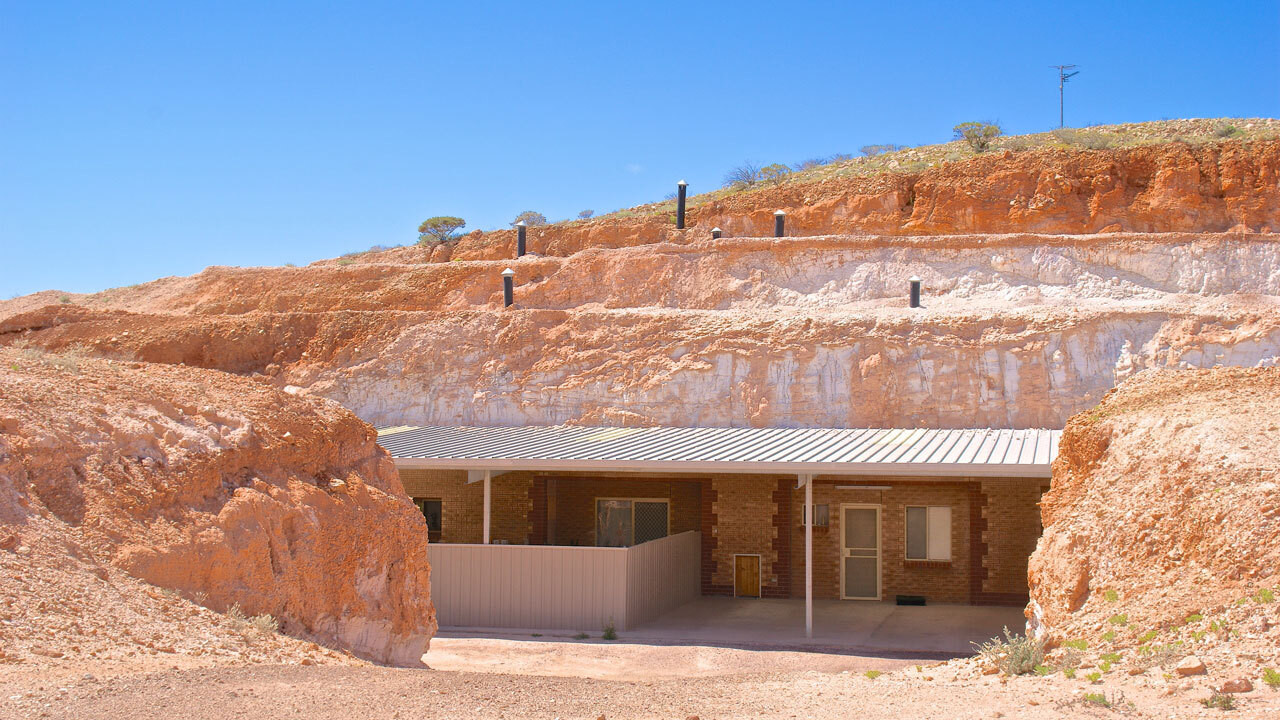
Above ground, only a few ventilation shafts and chimneys are visible. Fuel stations or a few public shops are the only structures remaining above ground to serve tourists and passersby.
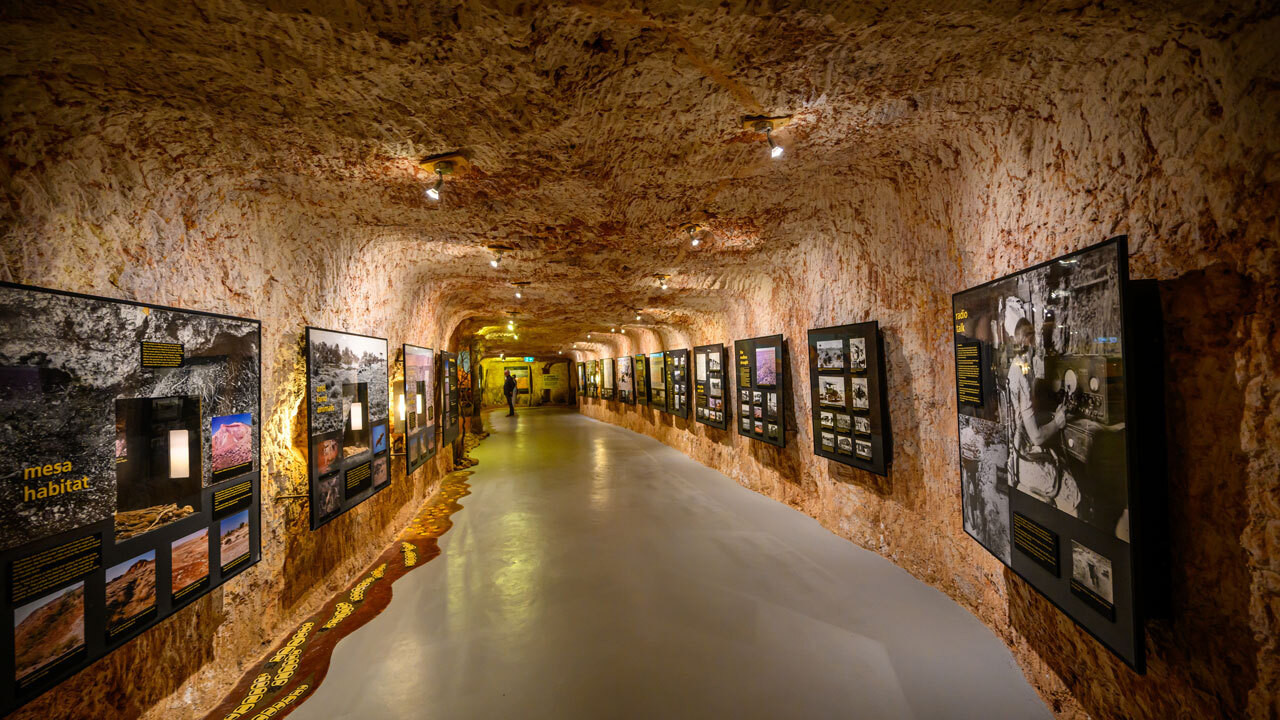
Coober Pedy also boasts an underground art museum called the "Old Time Mine," formerly an ancient cave containing many preserved opal layers that reflect a period in the town's history.
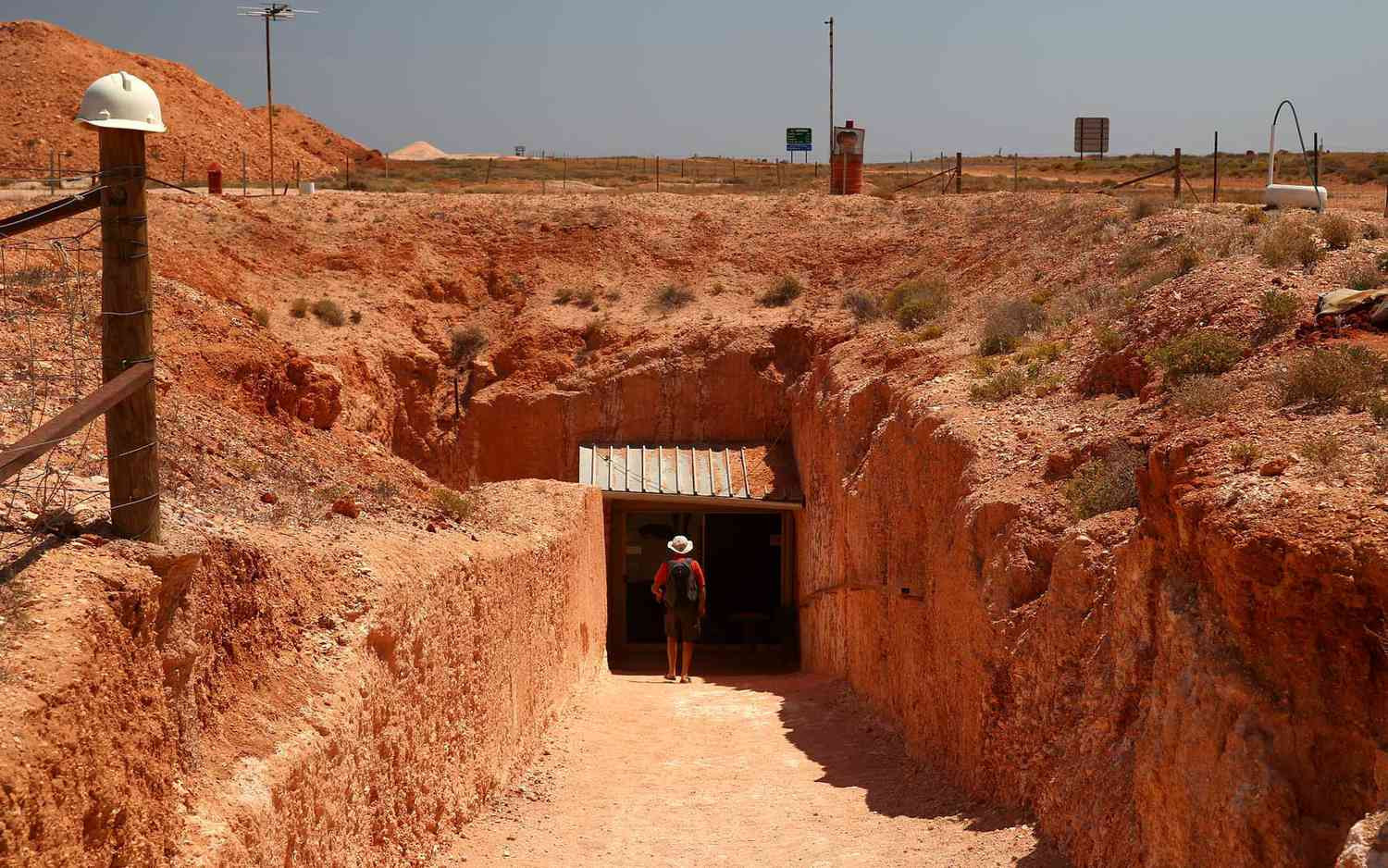
Coober Pedy is now one of Australia's most unique tourist destinations.
In the 1980s, Umberto Colo, a resident of Coober Pedy, recognized the area's tourism potential. Since then, numerous modern guesthouses, hostels, hotels, and restaurants have sprung up to cater to tourists.
Temperatures in Coober Pedy often exceed 50 degrees Celsius in the summer and sometimes even higher, but the rest of the year is relatively pleasant. April to October is the ideal time to visit the town, although desert nights can be cold in winter.
Source: https://baohaiduong.vn/thi-tran-bi-an-giua-sa-mac-hon-1-000-nguoi-song-trong-long-dat-386760.html
![[Photo] Enchanting ancient rose garden on the mountainside in Nghe An](/_next/image?url=https%3A%2F%2Fvphoto.vietnam.vn%2Fthumb%2F1200x675%2Fvietnam%2Fresource%2FIMAGE%2F2025%2F12%2F19%2F1766109900916_vuon-hong-chin-do-thu-hut-du-khach-toi-check-in-o-ha-noi-3-20162778-1671624890024-1671624890104198100259.jpeg&w=3840&q=75)


![[Photo] General Secretary To Lam visits the exhibition space showcasing books, photo exhibitions, and achievements of digital transformation in journalism.](/_next/image?url=https%3A%2F%2Fvphoto.vietnam.vn%2Fthumb%2F1200x675%2Fvietnam%2Fresource%2FIMAGE%2F2025%2F12%2F19%2F1766110879215_1766110240024-jpg.webp&w=3840&q=75)






















































































Comment (0)