

This is not just an aesthetic issue; it also seriously affects oral health, making teeth more susceptible to damage, sensitivity, and cavities.
What is enamel hypoplasia?
Enamel hypoplasia (also known as enamel hypoplasia) is a dental condition in which tooth enamel is underdeveloped or deficient. Enamel is the outermost layer that protects teeth from damage by factors such as bacteria, acids, and abrasion during eating. When enamel is damaged or deficient, teeth become weak and more susceptible to cavities or infections.
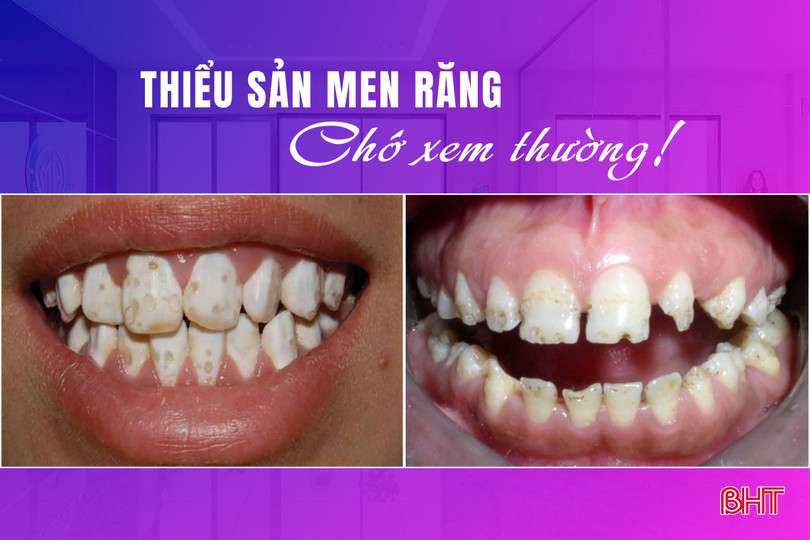
In individuals with enamel hypoplasia, the enamel is often insufficiently thick, soft, thin, and brittle, exposing the dentin underneath. Enamel hypoplasia reduces chewing function and causes sensitivity when eating. Additionally, the tooth surface may show opaque white spots, yellow discoloration, or black spots, affecting aesthetics.
Causes of enamel hypoplasia
There are many causes of enamel hypoplasia, including:
- Genetics: Some cases are due to genetic factors. People with a family history of this condition are at higher risk.
- Nutritional deficiencies: A lack of vitamin D, calcium, or phosphorus in the diet can affect the development of tooth enamel.
- Medication use: Certain medications, such as antibiotics, anticonvulsants, or other medications for other medical conditions, can affect enamel development, especially when used during a child's growth phase.
- Infections during pregnancy: Maternal infections, especially during the first trimester, can affect the development of the fetus's tooth enamel.
- Improper oral hygiene habits: Brushing incorrectly, using a toothbrush that is too hard, or brushing with too much force can damage tooth enamel.
- Environmental factors: Using water with excessively high fluoride levels or exposure to toxic chemicals can also affect tooth enamel.
- Other factors: Infection or trauma during tooth formation.
Symptoms of enamel hypoplasia
Symptoms can vary depending on the extent of enamel damage. Some common signs include:
- In young children, baby teeth can become brittle, gradually break off (especially near the roots), and easily fracture.
- The tooth surface becomes discolored, with black, yellow, or brown spots scattered across the tooth surface. This condition worsens with age, and conventional whitening methods are ineffective.
- Cases of congenital syphilis are characterized by two misaligned upper incisors with a concave, crescent-shaped surface, known as "Hutchinson's teeth".
- In cases where infection or trauma occurs during tooth formation, the tooth may turn slightly brown and develop pits – these teeth are called "Turner teeth".
- A feeling of soreness or pain when eating hot or cold foods. This condition can range from mild to severe over time, affecting quality of life.
- Prolonged hypoplasia can cause tooth roots to wear down to the gums, leading to gum recession and an increased risk of cavities.
- Tooth cavities: If left untreated, weakened enamel can lead to tooth decay and the formation of small holes on the surface.
Treatment for enamel hypoplasia
Treatment depends on the severity and cause of the condition. Some common methods include:
- Use specialized toothpaste: One that contains fluoride or remineralizing ingredients to strengthen enamel and reduce sensitivity.
- Dental fillings: Applied when tooth enamel is severely damaged. Filling materials such as composite or amalgam help restore the shape and function of the tooth.
- Fluoride treatment: Intensive fluoride therapy at the dental clinic helps remineralize tooth enamel and reduce sensitivity.
- Porcelain dental restorations: Suitable for cases where teeth are severely worn or extensively damaged.
- Adjust your diet: Supplement with calcium, vitamin D, and phosphorus; limit foods containing acid or sugar.
- Proper oral hygiene includes brushing your teeth twice a day and using dental floss and mouthwash regularly.

Prevention of enamel hypoplasia
For effective prevention, you should:
- Maintain a diet rich in nutrients, especially calcium and vitamin D.
- Avoid contact with toxic chemicals and ensure the use of water with safe levels of fluoride.
- Establish good oral hygiene habits from a young age.
- Regular dental checkups are essential for early detection and treatment of oral health problems.
Enamel hypoplasia is a condition that can cause many oral health problems. However, if detected early and treated properly, it is entirely possible to control and restore tooth function. Maintaining good oral hygiene along with a proper diet plays a crucial role.
Mai Hung Group Dental Clinic offers free X-ray examinations to check the condition of your teeth and accurately diagnose oral diseases!
MAI HUNG GROUP DENTAL CLINIC
Hotline: 0911.124.567 - 0944.431.677
Fanpage: https://www.facebook.com/nhakhoamaihung
Head office address: 69 Hai Thuong Lan Ong Street, Ha Tinh City

Source: https://baohatinh.vn/thieu-san-men-rang-cho-xem-thuong-post287384.html





































































































Comment (0)