

Green growth and sustainable development are inevitable trends and goals that many countries are striving for, including Vietnam. In this trend, green credit plays a crucial role, contributing to the "greening" of investment activities in production and business of enterprises, minimizing negative impacts on economic growth, the environment, and society.
Increase lending
Recognizing this importance, from 2015 to the present, the State Bank of Vietnam (SBV) has issued a series of policies and legal procedures to guide credit institutions in developing green banking activities, contributing to promoting green growth and sustainable development. In particular, Circular 17/2022/TT-NHNN on environmental risk management in lending activities mandates that credit institutions implement environmental risk management when granting credit to investment projects with a high risk of negative environmental impact.
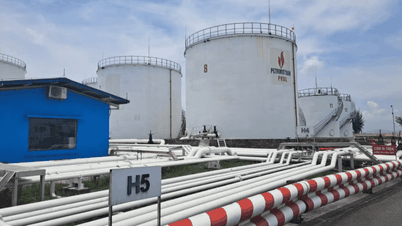
According to a reporter from Nguoi Lao Dong Newspaper, many banks have implemented a series of green credit policies. Most recently, on May 28th, HSBC Vietnam and Gemadept Joint Stock Company (operating in the port operation and logistics sector) signed a sustainable credit financing agreement, the next step in Gemadept's plan to develop and access green capital.
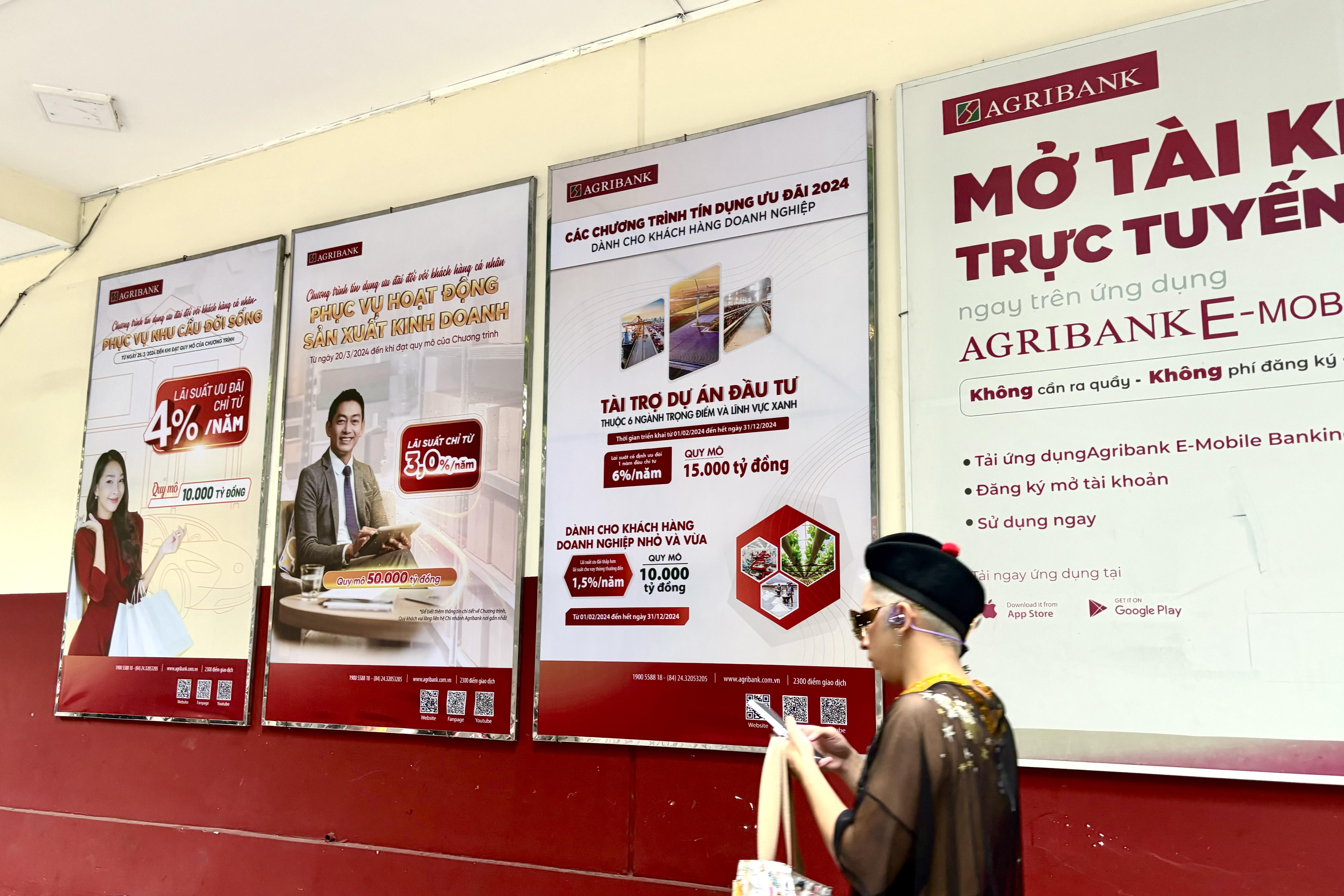
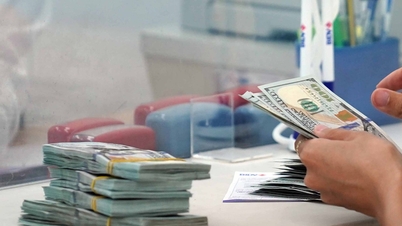
Preferential loan programs for priority groups and green sectors at Agribank . Photo: QUYNH TRAM
According to HSBC Vietnam, Gemadept has undergone the bank's sustainable credit management and approval process. Furthermore, the company must continue to complete the measurement and reporting of greenhouse gas emissions at its ports, as well as meet the Vietnamese green port criteria issued by the Vietnam Maritime Administration.
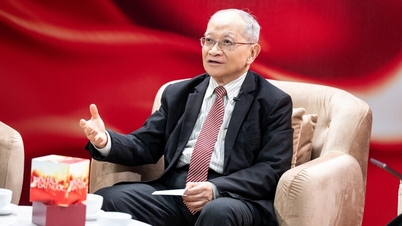
At 8:30 AM this morning, May 29th, the Nguoi Lao Dong newspaper organized a talk show titled "Solutions for Developing Green Credit in Vietnam," with the participation of experts, businesses, and banks. The talk show was livestreamed on the newspaper's online platforms.
A few days ago, UOB Vietnam Bank signed a green trade finance utility agreement with Ben Tre Import-Export Joint Stock Company (BETRIMEX) - a leading Vietnamese producer of coconut products.
To qualify for green credit, BETRIMEX successfully passed UOB Vietnam's rigorous green credit review process, which focused on assessing the company's compliance with ESG (environmental, social, and governance) principles. This credit will help the company import or purchase raw materials and domestic goods to produce certified organic products, including Fairtrade certification. Prior to this, as of Q4 2023, UOB Vietnam had provided credit to 17 renewable and clean energy projects, along with 7 green industrial projects.
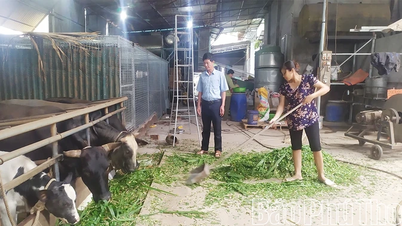
At the Vietnam Bank for Agriculture and Rural Development (Agribank), since 2016, the bank has begun implementing a preferential credit program to support "clean agriculture" with a minimum capital of 50,000 billion VND for businesses, cooperatives, cooperative unions, farm owners, etc., participating in various stages of the large-scale production chain of safe agricultural products. Lending interest rates have been reduced by 0.5% - 1.5 percentage points compared to the preferential lending rates for the agricultural and rural sectors.
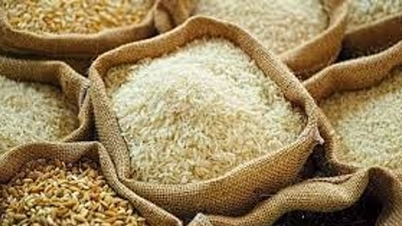
As of the end of 2023, outstanding loans to the green sector at Agribank reached VND 28,277 billion, with 42,883 customers, focusing on renewable energy, clean energy, sustainable forestry, green agriculture, etc. Currently, Agribank is coordinating with the Ministry of Agriculture and Rural Development to provide credit support for the pilot project to build standardized agricultural and forestry raw material areas for domestic consumption and export in the 2022-2025 period and the project "Sustainable development of 1 million hectares of high-quality rice cultivation with low emissions associated with green growth in the Mekong Delta by 2030"…
The concept is still vague.
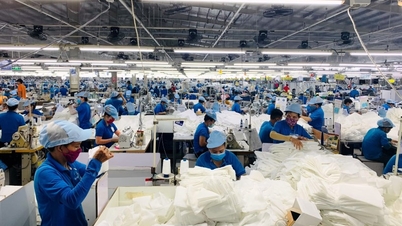
From a business perspective, Mr. Vu Duc Giang, Chairman of the Vietnam Textile and Garment Association (VITAS), stated that in the trend of green transformation and sustainable development, textile and garment businesses must focus on investing in infrastructure according to green standards to meet market requirements, especially the European market.
"In this context, low-interest financing is needed for businesses to invest in green transformation and greening of textile and dyeing factories and industrial parks. However, currently, only large enterprises have sufficient collateral to invest in green transformation. Small and medium-sized enterprises will face more difficulties due to the lack of stable assets," Mr. Giang reflected.
According to VITAS leaders, given the current lack of clear understanding of green credit, each business must find its own way to address financial bottlenecks. If businesses do not proactively seek ways to secure financing for green transformation investments and instead rely on the government and banks, they will struggle to meet market demands and achieve sustainable development. "If a business has relationships with brands and partners, it can approach them to borrow capital for green transformation investments to fulfill their orders," Mr. Giang suggested as a solution.
Mr. Tran Van Son, General Director of Gia Bao Group Joint Stock Company, said that the company has just started construction on the Ba Tu Binh Phuoc agricultural and food processing plant project (Binh Phuoc province) following a green approach, with a total investment of 6.5 million USD from its own capital and regular commercial loans.
"We have proactively greened our production chain from the growing areas, aiming for organic farming, using 100% solar energy in our factory, and using environmentally friendly packaging for our products, but we still haven't been able to access preferential loan capital. The main reason is that the criteria for 'green' are still lacking, and there are no specific regulations for banks to apply. We are preparing the necessary documents to prove our green production practices, and we will provide them immediately when banks require them for preferential interest rates," Mr. Son informed.
Meanwhile, the director of a rice export company based in the Mekong Delta, participating in a pilot project for 1 million hectares of high-quality, low-emission rice, said that his company is also using its own capital to invest in raw material areas instead of accessing green credit because he finds the concept still vague.
"Agriculture has always been a priority sector, with lower interest rates than other industries, so you can borrow with peace of mind. While preferential loans usually involve complicated and time-consuming procedures, businesses choose commercial loans for simplicity," the director of this rice company stated frankly.
Mr. Nguyen Quoc Hung, Secretary General of the Vietnam Banking Association, said that commercial banks are currently very willing to lend to green projects. However, project owners lack the resources to create green and clean products. The banks themselves also don't know how to assess the level of risk when providing loans. "Perhaps the government needs to have appropriate support policies for projects developing clean products, helping businesses improve their financial capacity, so that banks will dare to provide funding," Mr. Hung said.
Mr. Tu Tien Phat, General Director of Asia Commercial Bank (ACB), believes that green credit is not simply about lending and then "labeling" it as such, but must comply with regulations, standards, and a green credit framework. Currently, the State Bank of Vietnam (SBV) does not have a specific green credit framework, so ACB has to seek advice from a third party, the International Finance Corporation (IFC). "We hope the Government and the SBV will soon promote a clearer legal framework in this field, so that credit institutions can more easily provide green credit," Mr. Phat said.
The scale of green credit is modest.
According to the State Bank of Vietnam's data, during the period 2017-2023, the outstanding credit balance of the system for green sectors grew at an average rate of over 22% per year. As of March 31st, 47 credit institutions had generated green credit outstanding balances totaling nearly VND 637,000 billion, accounting for approximately 4.5% of the total outstanding credit balance of the entire economy.
Despite double-digit growth in recent years, green credit currently accounts for only 4.5% of total outstanding loans, a modest figure compared to the economy's capital needs of approximately $20 billion per year to achieve green transformation goals. Experts point to the incomplete legal framework for green credit, lacking regulations and environmental criteria, especially a national green classification system...
Source: https://nld.com.vn/thuc-day-tin-dung-xanh-phat-trien-196240528212725929.htm
















































































Comment (0)