

Following the merger, Lao Cai province has a larger development space but also faces unprecedented challenges. With an area of over 13,256 km² and a population of nearly 1.78 million people, the majority of whom live in rural and mountainous areas with rugged terrain and harsh climates, the province needs to overcome many obstacles to implement the new rural development program and achieve sustainable poverty reduction.
Looking at the reality, the province currently has only 37 out of 89 communes meeting the new rural standards, accounting for 41.6%; only 1 commune has achieved advanced new rural standards, and there are no model new rural communes. The poverty rate is projected to be 8.18% by the end of 2024, and the near-poverty rate 6.12%. Although these figures have decreased significantly compared to 2021, they still show a very steep "slope" on the path to improving the new rural criteria in the coming period.
After the merger, the difficulties in building new rural areas are no longer a general concept, but are clearly evident in each village, each field, and each inter-communal road.
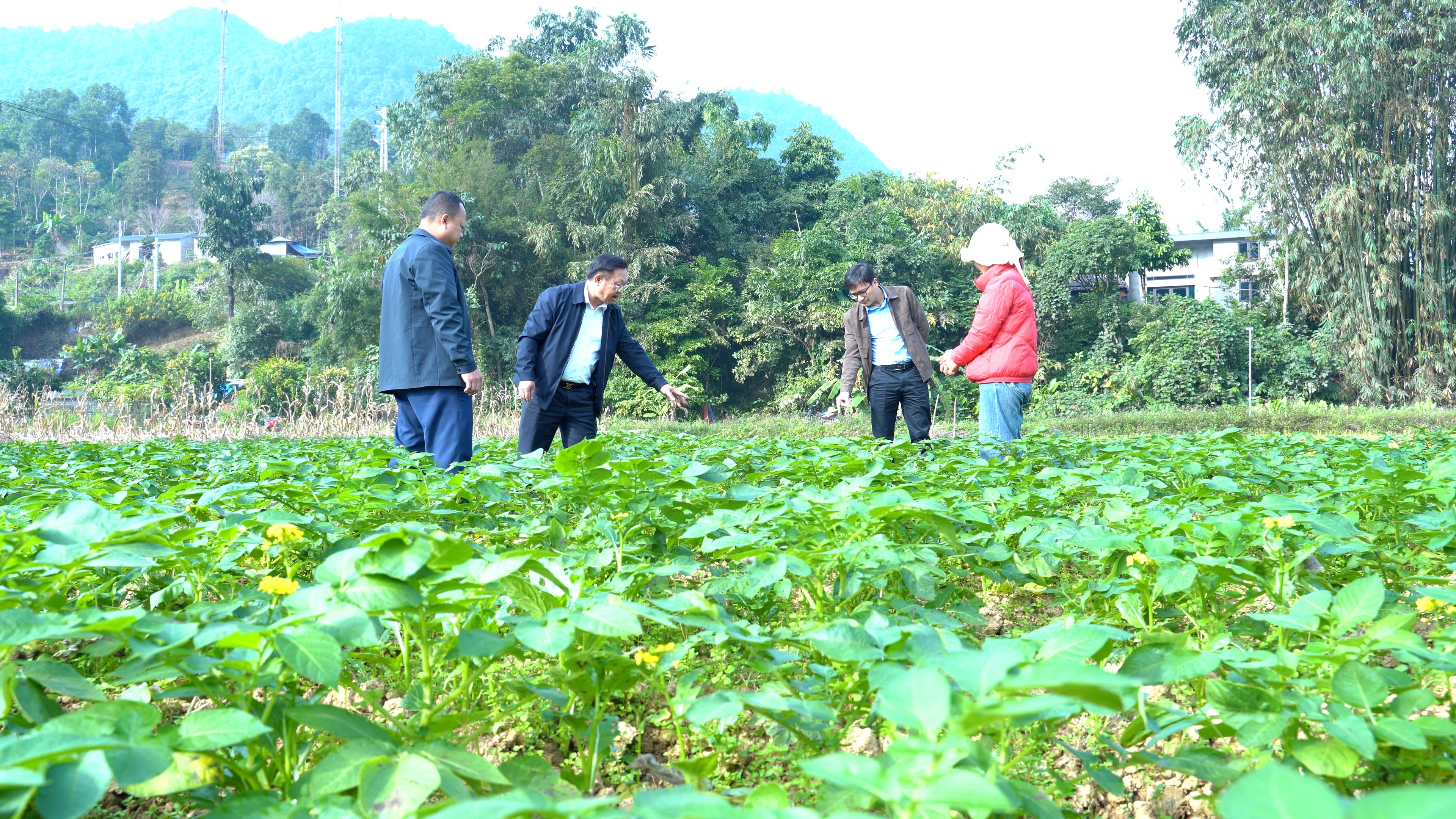
The situation in Muong Khuong commune (a particularly disadvantaged mountainous commune in Lao Cai province) provides a complete picture of the "bottlenecks" that many localities are facing.
Prior to the merger, Muong Khuong was considered a commune close to meeting the standards of the new rural development program in several criteria such as rural transportation and cultural infrastructure. However, when applying the new rural development criteria for the 2021-2025 period, many aspects had to be reviewed, supplemented, or even redone from scratch.
Comrade Giàng Seo Vần, Secretary of the Party Committee of Mường Khương commune, said: “The criteria now are not just about having roads and cultural centers, but also about quality and sustainability. The commune's resources are limited, while simultaneously having to address infrastructure, livelihoods, and the environment, so the pressure is immense.”
For Muong Khuong, the most challenging criteria remain income and production organization. Over 90% of the commune's workforce is engaged in agriculture , but production is mainly small-scale and heavily dependent on weather conditions. Corn and upland rice crops yield low incomes; livestock farming is scattered and lacks integrated marketing, resulting in many households escaping poverty but maintaining precarious living standards and being highly susceptible to falling back into poverty when facing natural disasters or epidemics.
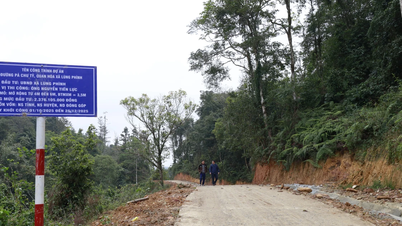
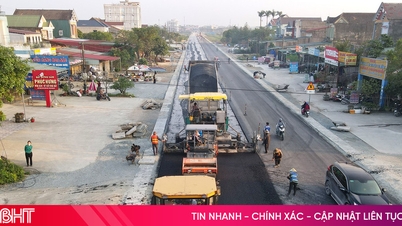
Furthermore, the highly fragmented terrain in Muong Khuong significantly increases infrastructure investment costs compared to lowland areas. A concrete road within a village, less than 1 km long, has to cross streams and cling to mountain slopes, doubling construction costs compared to the plains. This slows down progress in meeting transportation criteria, leading to difficulties in transporting agricultural products and connecting to markets.
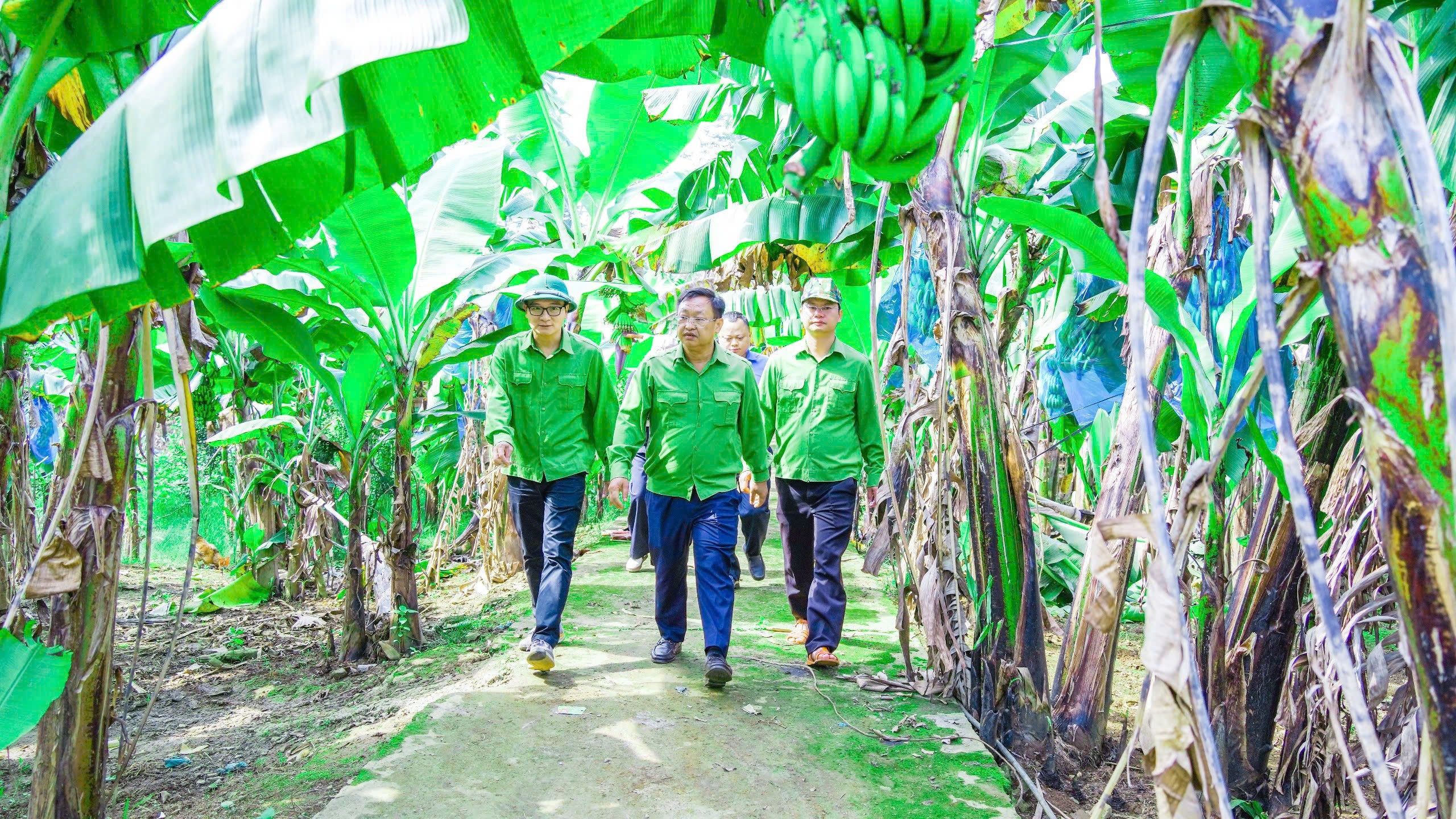
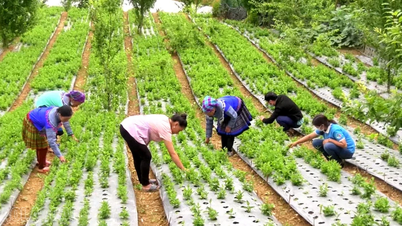
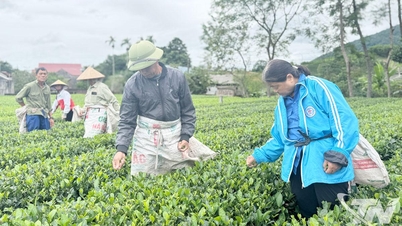
Based on that experience, Muong Khuong chose a step-by-step approach, with the reorganization of production as a breakthrough. The commune focused on improving the efficiency and quality of over 1,500 hectares of tea, implementing models for growing winter vegetables and fruit trees, providing technical support, seeds, and linking consumption. Some households boldly joined cooperatives, applying VietGAP standards, initially achieving significantly higher incomes compared to traditional crops.
To build a new rural area, we must raise people's incomes. When their lives improve, people will proactively participate in preserving the environment and contributing to infrastructure development. This is a slow but steady approach.
The story in Muong Khuong shows that, after the merger, the requirements for building new rural areas are not only higher but also demand a flexible and practical approach.
Overcoming difficulties cannot rely solely on budgetary resources; it requires unlocking internal strengths, reorganizing production, and creating sustainable livelihoods for the people. Once the "bottlenecks" in income and production organization are removed, other criteria of the new rural development program can be gradually strengthened and improved.
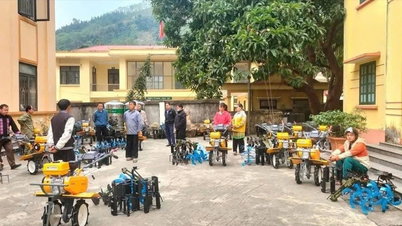
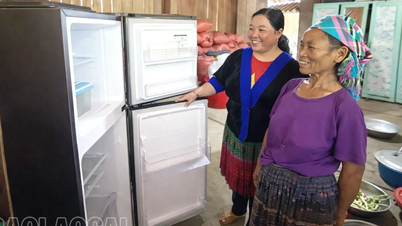
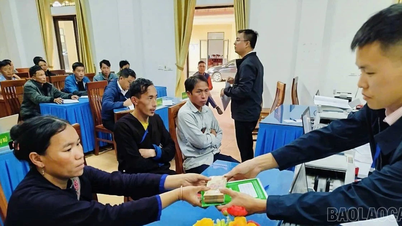
To overcome challenges in building new rural areas, Lao Cai province has determined that it must start with the livelihoods and incomes of its people. During the period 2021-2025, the two provinces of Lao Cai and Yen Bai ( before their merger) implemented nearly 300 livelihood models, supporting over 6,000 poor and near-poor households in production. Many models have been linked to value chains, adapted to climate change, and created jobs and stable incomes for the people.

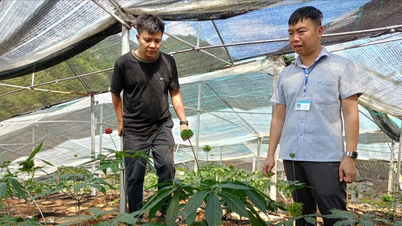
Models for cultivating medicinal plants under forest canopy, temperate fruit trees, raising large livestock, and circular V-A-C systems are being widely adopted in many localities. These are not only economic solutions but also suitable for the ecological conditions of highland areas, contributing to forest and environmental protection.
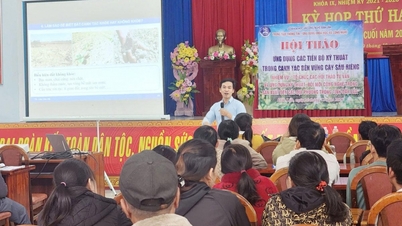
Simultaneously, hundreds of training courses on technical skills, digital transformation, VietGAP and OCOP processes have been organized for tens of thousands of farmers, gradually changing their production mindset from small-scale to commercial.
Thanks to this approach, the percentage of communes meeting the criteria for production organization has reached 65.2%, and the income criterion has reached 42.7% in the New Rural Development Criteria for the 2021-2025 period. These figures show significant progress, although the road ahead is still long.
The province currently has 605 OCOP products, including 2 five-star products and 52 four-star products. OCOP not only helps increase the value of agricultural products but also creates momentum for communes to improve production organization and income.
Along with the OCOP program, digital transformation is becoming a "soft lever" for building new rural areas. The implementation of planting area codes, traceability, and digital production logs helps highland agricultural products gradually overcome geographical barriers and access larger markets, including e-commerce.
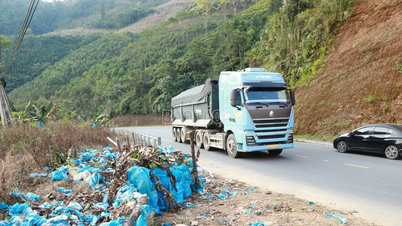
Building new rural areas is not just about the economy, but also about preserving living spaces. Localities have implemented many models for waste collection, livestock waste treatment, tree planting, and environmental protection. These efforts have contributed to 38 out of 89 communes meeting the criteria for environmental protection and food safety. Overall, these solutions have contributed to reducing the poverty rate by an average of 4.35% per year, exceeding the government's target.
Following the merger, the challenge of developing new rural areas in Lao Cai is not just about "meeting standards" but about improvement and sustainability. The province has identified the transformation of production structure and the formation of concentrated commodity production areas as key tasks: developing medicinal plants under the forest canopy, high-quality tea, specialty rice, temperate fruit trees, and cold-water aquaculture; and establishing 5-7 large-scale production areas certified with VietGAP and GlobalGAP.
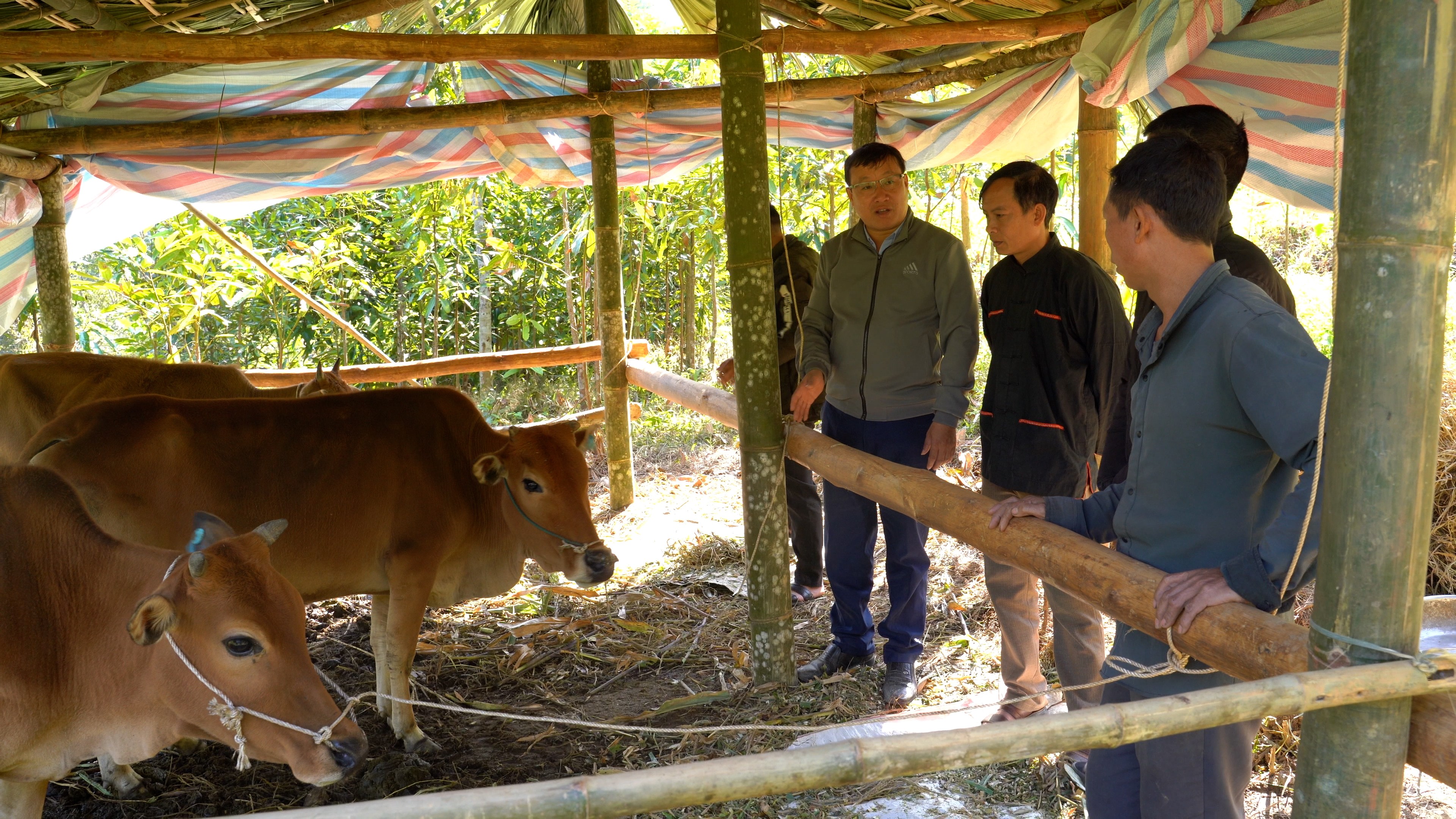
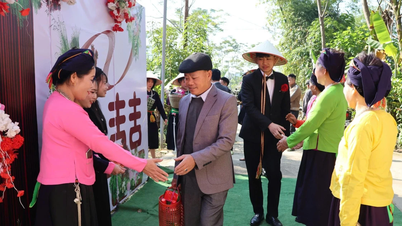
Alongside this are policies to support farmers' access to capital, technology, and markets; encouraging the development of collective economic activities, with each commune having at least one effectively operating agricultural cooperative. Building advanced and model new rural areas will be closely linked to the environment and local culture, through the model of "bright, green, clean, and beautiful villages," waste sorting at source, and preserving ethnic culture in conjunction with rural tourism.
The goal by 2030 is to achieve rural income exceeding 60 million VND per person per year, with an average annual reduction in the poverty rate of 4%. This is a challenging journey, but with a people-centered approach and livelihoods as the cornerstone, Lao Cai is gradually overcoming obstacles and opening up a sustainable path for new rural development in the post-merger development space.
Source: https://baolaocai.vn/tim-luc-day-tu-sinh-ke-and-noi-luc-vung-cao-lao-cai-post889117.html

![[Photo] Prime Minister Pham Minh Chinh attends the Conference on the Implementation of Tasks for 2026 of the Industry and Trade Sector](/_next/image?url=https%3A%2F%2Fvphoto.vietnam.vn%2Fthumb%2F1200x675%2Fvietnam%2Fresource%2FIMAGE%2F2025%2F12%2F19%2F1766159500458_ndo_br_shared31-jpg.webp&w=3840&q=75)








































































Comment (0)