

The food website TasteAtlas published a list of the 100 worst dishes on the planet, immediately sparking controversy. Most people spoke out in defense of their country's dishes that unfortunately made the list.
Here are TasteAtlas's top 10 worst dishes:
1. Pizza Vulkanen, Sweden

Created by chef Halmat Givra of Nya Gul & Blå in Piteå, this dish, dubbed "volcano pizza," features layers of cheese, ham, salami, bacon, and beef tenderloin arranged in a wide circle. From the erupting center are fries and salad with Béarnaise dressing.
2.Svið, Iceland

Svið is a unique Icelandic dish consisting of a lamb's head, split in half and cooked. The head is then roasted over a fire (to remove the hair) before being eaten. It's often served with mashed turnips and mashed potatoes, especially during traditional Icelandic midwinter festivals. Despite its popularity, many people may find it strange to look directly into their eyes while eating it.
3. Thorramatur, Iceland

Thorramatur is a collection of traditional Icelandic dishes consumed primarily during the Nordic month of Þorri, which runs from mid-January to mid-February each year. Standard dishes include a variety of items such as fermented shark meat, smoked lamb, pan-fried lamb's head, blood sausage, and many others, all of which can be further fermented to personal preference.
4. Blood cake, Sweden

Blood cakes are popular throughout Sweden, Finland, and Norway. They are made from regular pancake batter but with the addition of animal blood. Whether shaped thin like crepes or smaller and chewier, blood cakes always have a distinctive dark brown color.
5. Navarre Salmon, Navarre, Spain
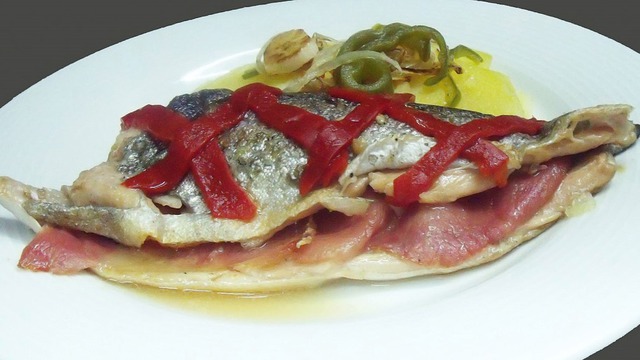
Navarra salmon is a traditional dish from the Navarre region, made with a combination of salmon, serrano ham, flour, lime, parsley, olive oil, and salt. The salmon is salted, coated in flour, and fried in olive oil until golden brown and cooked through. It is then stuffed with sautéed serrano ham and topped with lime juice.
6. Milcao, Chile
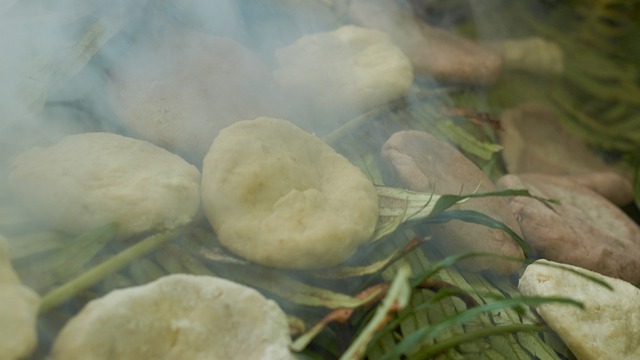
Milcao is a dish originating from the Chiloé Islands. It consists of grated and mashed potatoes, often with added pork fat and spices, creating a kind of potato cake. Traditionally, only Chiloé potatoes should be used to make milcao.
7. Blodpalt Norrland, Sweden

Blodpalt is associated with the northern regions of Sweden and Lapland in Finland. It is a dark brown dumpling made from rye or barley flour and animal blood. Although traditionally made with reindeer blood, today they appear in many different regional variations, using the blood of various animals and different spices.
8. Kugel yerushalmi, Israel

Kugel Yerushalmi is a noodle stew known for its vibrant color, dense texture, and a flavor profile that combines distinct sweetness with a spicy peppery kick. The use of caramelized sugar and black pepper has become a hallmark of this kugel, setting it apart from other noodle stews that use dairy or have milder flavors.
9. Frozen eel from London, England

Frozen eel is a traditional Cockney street food dating back to the 18th century. Initially, it was a cheap and easy way to make a dish using the abundant native eel in the River Thames. The eel would be chopped, boiled for about half an hour with herbs, and then cooled – at which point the eel would naturally produce its own gelatin, and a soft, translucent jelly would form over the chopped pieces.
10. Chapalele, Chile

Chapalele is a Chilean bread made from two main ingredients – potatoes and wheat flour. It originated on the island of Chiloé, where traditionally it is steamed and cooked in a curanto – an underground pit used for food preparation. However, it can also be fried, pan-fried, or baked. When cooked, chapalele can be eaten on its own as a snack or served with stews and meat dishes.
Source: https://thanhnien.vn/top-10-mon-an-do-nhat-the-gioi-185260407091824614.htm
![[Photo] Secretary of the National Assembly Party Committee, Chairman of the National Assembly presides over the meeting of the Standing Committee and Executive Committee of the National Assembly Party Committee.](https://vphoto.vietnam.vn/thumb/1200x675/vietnam/resource/IMAGE/2026/06/03/1780480353201_ndo_br_bnd-2585-jpg.webp)
![[Photo] General Secretary and President To Lam presides over a meeting with the Central Organizing Committee.](https://vphoto.vietnam.vn/thumb/1200x675/vietnam/resource/IMAGE/2026/06/03/1780482764658_a1-bnd-4741-3342-jpg.webp)
![[Photo] First session of the 14th Congress of the Vietnam Trade Union](https://vphoto.vietnam.vn/thumb/1200x675/vietnam/resource/IMAGE/2026/06/03/1780465947883_ndo_br_img-3852-jpg.webp)
































![[Video] Sunset at Lap An Lagoon – Where the sun sets over the fishing nets](https://vphoto.vietnam.vn/thumb/1200x675/vietnam/resource/IMAGE/2026/05/31/1780192137701_beach-landscape-sea-water-nature-grass-745871-pxhere-com.jpeg)


























Comment (0)