


Quang Ninh province is home to more than 20 ethnic groups, creating a diverse cultural treasure trove with many unique customs, traditions, festivals, traditional crafts, and folk arts. Based on these distinctive advantages, in recent years, Binh Lieu has become a bright spot for community-based tourism in the Northeast region. Besides the "attraction" of border roads, the season of reeds, ripe rice fields, or the season of rhododendron flowers, visitors to Binh Lieu can also experience many unique local cultural activities.
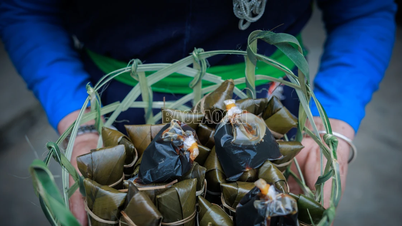
To attract tourists, many households in Luc Hon and Hoanh Mo communes have boldly invested in homestays, developing accommodation services, food , and opportunities to experience the traditional culture of the Tay, Dao, and San Chi ethnic groups. Tourism companies are also aiming to develop tourism products to serve the international market. Accordingly, tourists can directly participate in many activities related to the lives of local people, such as: making five-colored sticky rice, weaving bamboo baskets; visiting traditional houses or trekking to explore ancient tea forests, learning about local medicinal plants, picking anise, learning to wrap cooc mo cakes, soaking feet in herbal remedies, and preparing traditional meals with the locals.
In Ba Chẽ commune, the local authorities are focusing on exploiting the advantages of the pristine forest, the waterfall system, and the cultural identity of the Dao Thanh Phan ethnic group to develop eco-tourism products linked to the community. In particular, at the end of May, the People's Committee of Ba Chẽ commune, in coordination with Ha Long University, organized a training course on reception, housekeeping, bartending, and landscaping for 30 participants, including local residents, youth union members, and association members from various villages in the commune. These courses not only contribute to improving the quality of human resources for tourism but also create motivation for people to boldly develop service models linked to community tourism, gradually exploiting the potential and advantages of the locality.
Not only mountainous areas, but also many coastal regions of Quang Ninh are developing community-based tourism. In the Co To Special Economic Zone, alongside traditional beach tourism, the locality is making its mark with unique agricultural experiences. Images of foreign tourists planting rice in the fields, leading cattle to the fields, and harvesting sweet potatoes in the remote island have become interesting and distinctive moments. According to Ms. Ngo Thi Minh Sao, Deputy Head of the Culture and Social Affairs Department of the Co To Special Economic Zone, this experiential space is likened to a "miniature Northern Vietnamese village" in the middle of the sea. The most attractive aspect is not the production activities but the sincerity and hospitality of the local people.
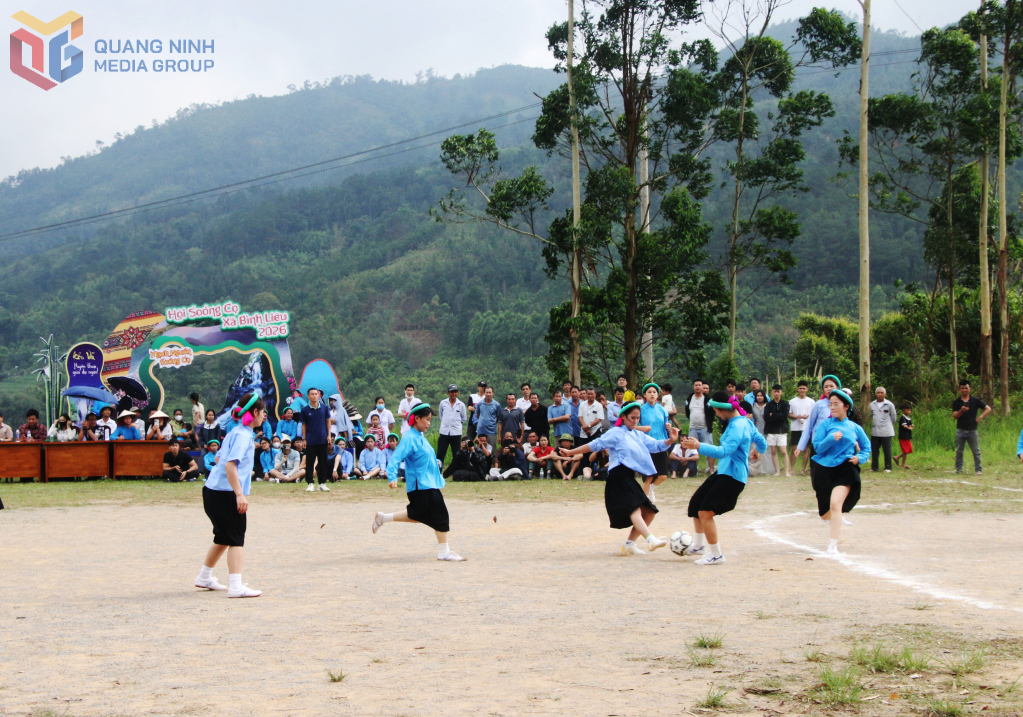
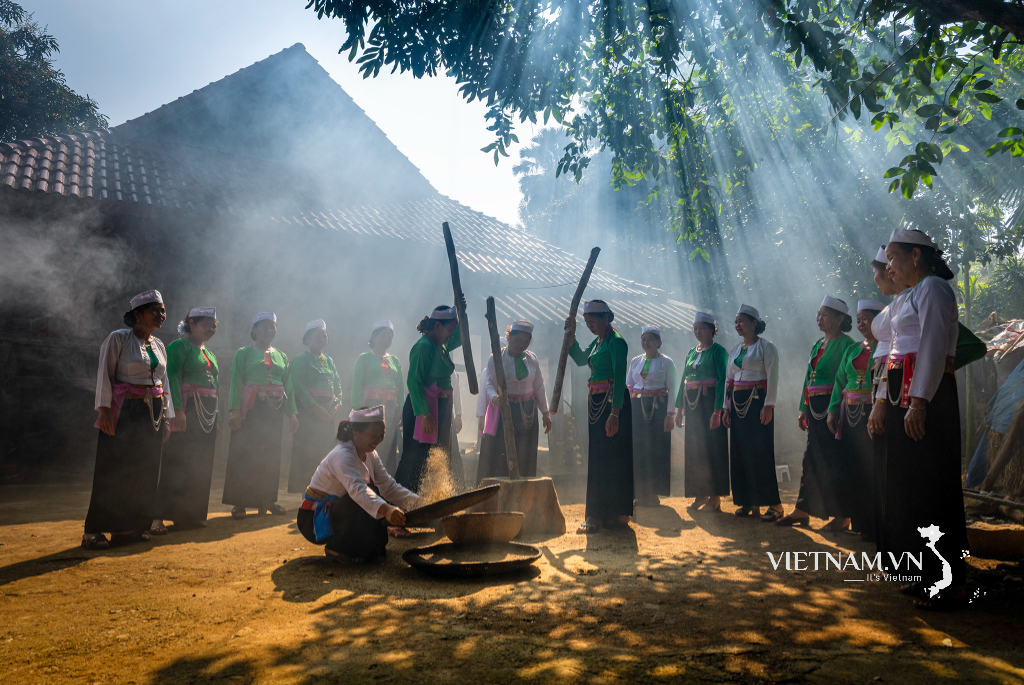
Meanwhile, in the Van Don Special Economic Zone, many rituals, folk songs, and customs of the San Diu people, such as Soong Co singing, the Dai Phan festival, traditional costume performances, and ethnic cuisine introductions, have been restored and put into operation to serve tourism. In particular, the San Diu Ethnic Culture and Tourism Village, which opened at the end of 2024, is becoming a new highlight. This space serves both as a place to preserve cultural heritage and as a center connecting experiential activities, accommodation, cuisine, and community tourism.
To develop sustainable community tourism, many localities have proactively preserved and promoted the cultural identity of ethnic groups. Hai Son commune has issued its own resolution on preserving and promoting the traditional cultural identity of ethnic groups in conjunction with the development of experiential tourism and community tourism for the period 2025-2030, with a vision to 2035. Following this direction, Hai Son strives to become a key experiential and community tourism destination linked to the province's and the country's "red addresses" (historical sites); building a Dao ethnic cultural space associated with the OCOP program; restoring many traditional rituals; and developing the Po Hen national historical site into a typical spiritual tourism destination. Simultaneously, the education of the younger generation is also given special attention, with 100% of schools in the area incorporating ethnic culture into extracurricular activities.

Besides developing community-based tourism in mountainous areas, Quang Ninh is also expanding the promotion of ethnic culture to major tourist centers. According to Mr. Le Minh Thu, Chairman of the Quang Ninh Community Tourism Club, the organization is researching the creation of cultural spaces for ethnic minorities in Quang Ninh at several famous tourist destinations. Here, artisans and villagers will directly showcase traditional cultural forms through short experiential programs lasting 30-45 minutes. Tourists will not only get to watch performances but also have the opportunity to participate in cultural exchange activities, experience handicrafts, folk games, and enjoy distinctive cuisine.
Currently, Quang Ninh boasts over 630 historical and cultural relics and scenic spots, including approximately 150 national and provincial-level relics; more than 120 traditional cultural festivals, and hundreds of intangible cultural heritage sites. Many unique tourism products, developed from cultural values such as "A Day as a Fisherman at Sea," "Exploring Quan Lan," "Exploring Coc Island in Ha Nam," and "Following in the Footsteps of Buddha at Yen Tu," have attracted the attention of domestic and international tourists.
According to Ms. Nguyen Thuy Yen, Deputy Director of the Department of Culture, Sports and Tourism, the province will continue to exploit its strengths and cultural potential in terms of landscapes, traditional values, and regional cuisine, promoting the tourism industry to further develop and compete with countries in the region and the world. At the same time, it will encourage the production and promotion of intangible cultural forms, high-value handicrafts, and souvenirs carrying cultural messages reflecting local characteristics, serving the development of the service and tourism sectors.
Source: https://baoquangninh.vn/du-lich-cong-dong-don-bay-phat-trien-kinh-te-tu-ban-sac-dia-phuong-3409826.html
![[Photo] General Secretary and President To Lam presides over a meeting with the Central Organizing Committee.](https://vphoto.vietnam.vn/thumb/1200x675/vietnam/resource/IMAGE/2026/06/03/1780482764658_a1-bnd-4741-3342-jpg.webp)
![[Photo] Secretary of the National Assembly Party Committee, Chairman of the National Assembly presides over the meeting of the Standing Committee and Executive Committee of the National Assembly Party Committee.](https://vphoto.vietnam.vn/thumb/1200x675/vietnam/resource/IMAGE/2026/06/03/1780480353201_ndo_br_bnd-2585-jpg.webp)

![[Photo] First session of the 14th Congress of the Vietnam Trade Union](https://vphoto.vietnam.vn/thumb/1200x675/vietnam/resource/IMAGE/2026/06/03/1780465947883_ndo_br_img-3852-jpg.webp)







































![[Video] Sunset at Lap An Lagoon – Where the sun sets over the fishing nets](https://vphoto.vietnam.vn/thumb/1200x675/vietnam/resource/IMAGE/2026/05/31/1780192137701_beach-landscape-sea-water-nature-grass-745871-pxhere-com.jpeg)


























Comment (0)