

The waste-to-energy plant, located in the Northwest Waste Treatment Complex in Ho Chi Minh City, has an investment of 3,500 billion VND and a capacity of 2,000 tons per day.
On the morning of March 5th, the Ho Chi Minh City Department of Natural Resources and Environment, in collaboration with VietStar Joint Stock Company, held a groundbreaking ceremony for the construction of the VietStar Integrated Solid Waste Treatment Plant.
According to Mr. Nguyen Toan Thang, Director of the Ho Chi Minh City Department of Natural Resources and Environment, the plant, built in the Northwest Waste Treatment Complex (Cu Chi District), has a capacity of 2,000 tons per day, an investment of 3,500 billion VND, and a construction completion time of 17 months.
This is the second plant in the area to be constructed and implemented under Resolution 98 on piloting special mechanisms and policies for the development of Ho Chi Minh City. This plant uses integrated technology, including: sorting and producing compost, combined with waste incineration for electricity generation using technology from Germany.
Once operational, the plant will help Ho Chi Minh City increase its waste treatment capacity by nearly 50% of the total volume of household waste, reduce pollution emissions, and recover energy for production and daily life.
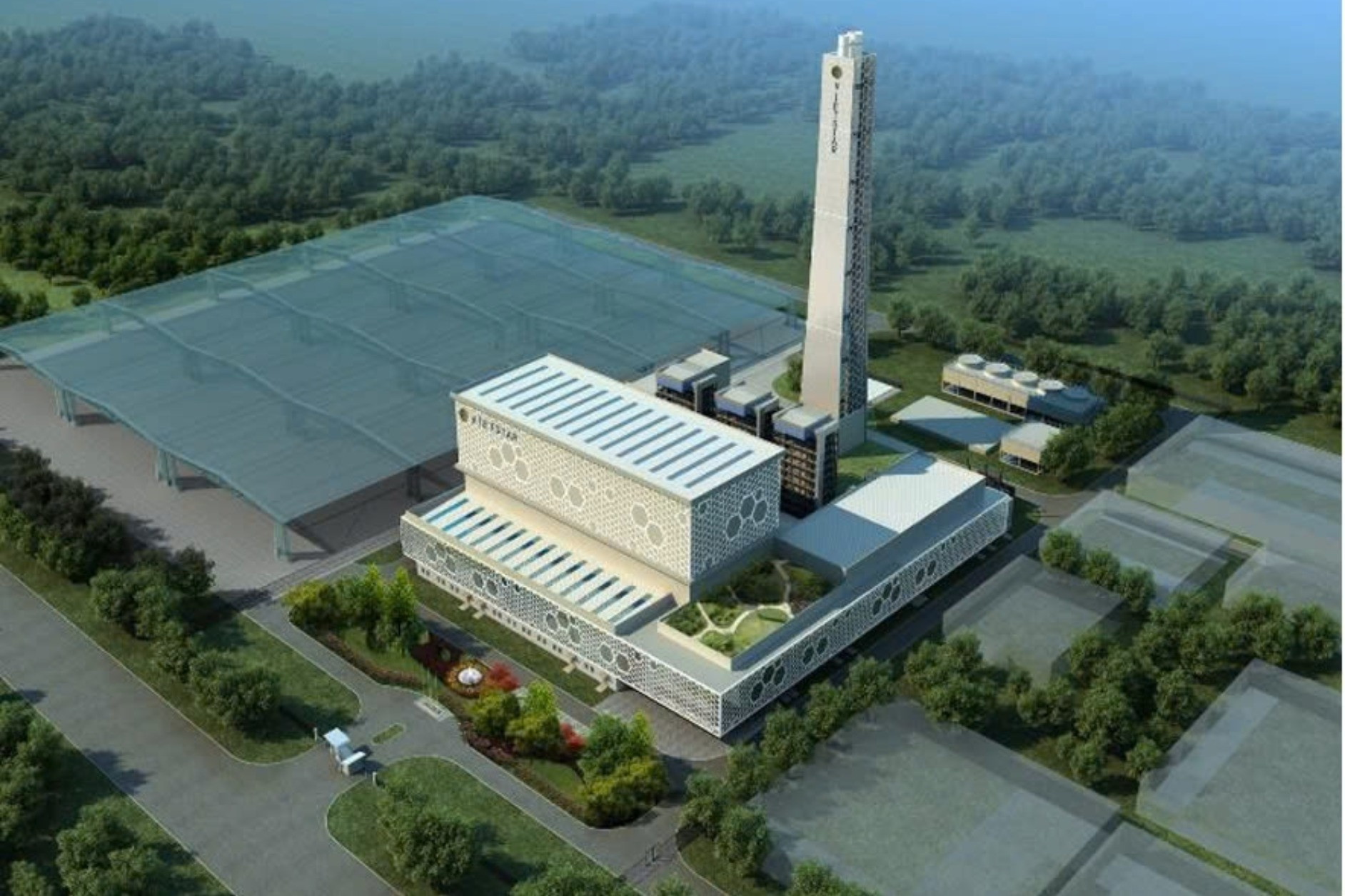
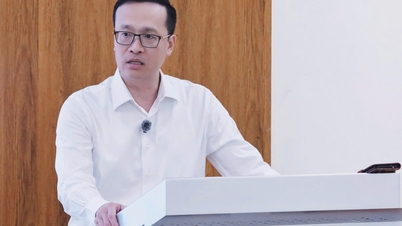
At the ceremony, Vice Chairman of the Ho Chi Minh City People's Committee Bui Xuan Cuong acknowledged that the city generates 10,000 tons of household waste daily, posing a major challenge in terms of environmental pollution, especially urban waste management.
Therefore, an urgent issue identified by the city is the transformation of its management model, from traditional waste treatment to the application of modern technology, exploiting waste as a resource. The implementation of the VietStar waste-to-energy plant is also part of this roadmap.
"When completed, the plant will not only process waste but also represent a significant step forward in the strategy for developing renewable energy, reducing greenhouse gas emissions, improving the living environment, and ensuring urban energy security," Mr. Cuong emphasized.
According to the Resolution of the 11th Congress of the Ho Chi Minh City Party Committee, term 2020-2025, the city strives to achieve the target of "The percentage of household waste treated using new and modern technologies (incineration for electricity generation) and recycling reaching at least 80% by 2025, aiming for 100% by 2030".
Last July, Ho Chi Minh City also commenced construction of its first waste-to-energy plant with a processing capacity of up to 2,600 tons of waste per day and night, generating approximately 60 MW of electricity per day.
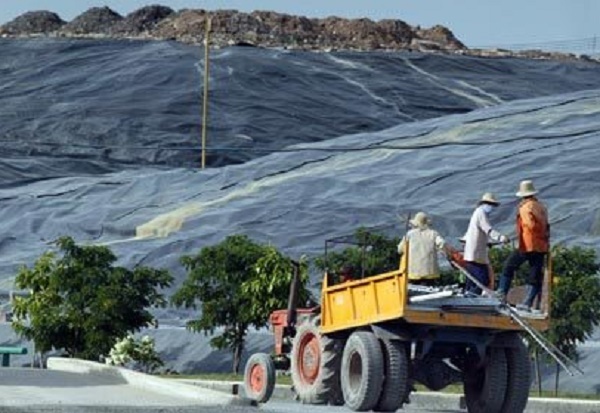
Ho Chi Minh City will soon have two waste-to-energy plants.

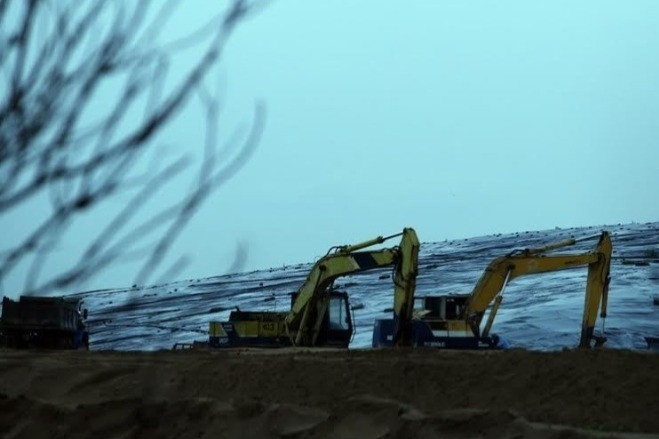
The Da Phuoc waste treatment plant has ceased operations, and Ho Chi Minh City is considering transferring waste to Cu Chi.
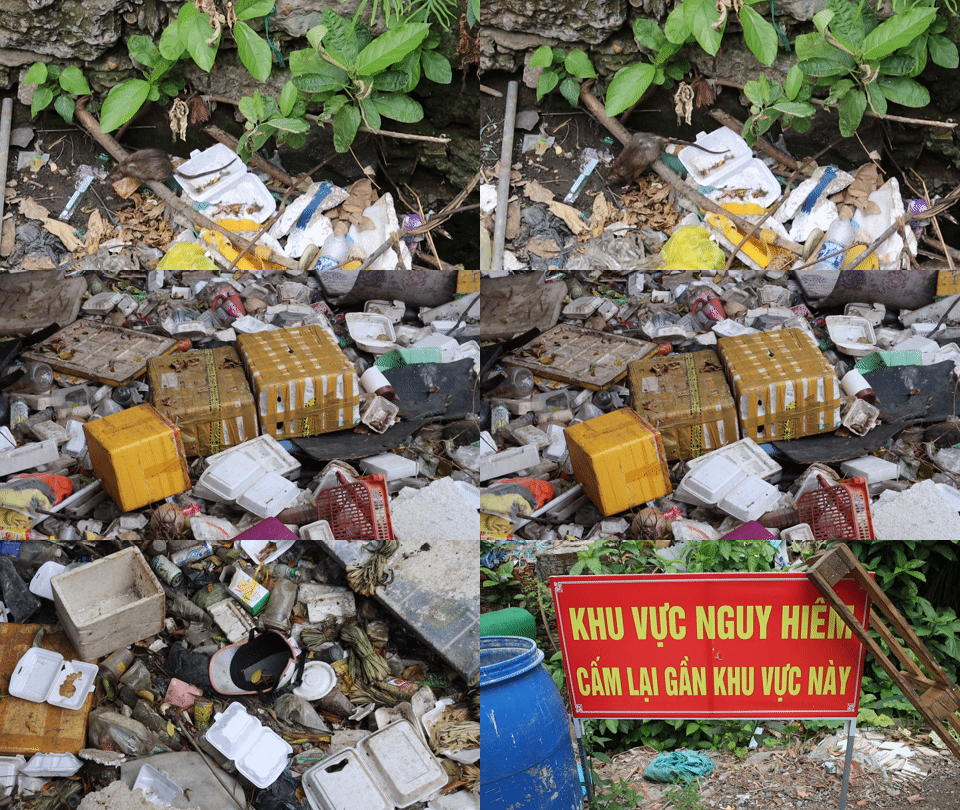
The drainage canal for Tan Son Nhat Airport is overflowing with garbage and infested with rats and insects.
Source: https://vietnamnet.vn/tphcm-khoi-cong-nha-may-dot-rac-phat-dien-3-500-ty-dong-2377565.html
![[Photo] First session of the 14th Congress of the Vietnam Trade Union](https://vphoto.vietnam.vn/thumb/1200x675/vietnam/resource/IMAGE/2026/06/03/1780465947883_ndo_br_img-3852-jpg.webp)

![[Photo] Secretary of the National Assembly Party Committee, Chairman of the National Assembly presides over the meeting of the Standing Committee and Executive Committee of the National Assembly Party Committee.](https://vphoto.vietnam.vn/thumb/1200x675/vietnam/resource/IMAGE/2026/06/03/1780480353201_ndo_br_bnd-2585-jpg.webp)
![[Photo] General Secretary and President To Lam presides over a meeting with the Central Organizing Committee.](https://vphoto.vietnam.vn/thumb/1200x675/vietnam/resource/IMAGE/2026/06/03/1780482764658_a1-bnd-4741-3342-jpg.webp)



































![[Video] Sunset at Lap An Lagoon – Where the sun sets over the fishing nets](https://vphoto.vietnam.vn/thumb/1200x675/vietnam/resource/IMAGE/2026/05/31/1780192137701_beach-landscape-sea-water-nature-grass-745871-pxhere-com.jpeg)
























Comment (0)