

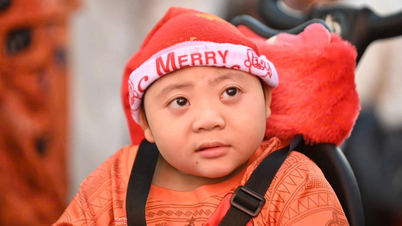
In recent weeks, the number of children hospitalized with respiratory syncytial virus (RSV) infection has surged, raising public health concerns.
Medical news update March 8th: A surge in child hospitalizations due to respiratory syncytial virus (RSV) infection.
In recent weeks, the number of children hospitalized with respiratory syncytial virus (RSV) infection has surged, raising public health concerns.
There has been a surge in hospitalizations among children due to respiratory syncytial virus (RSV) infection.
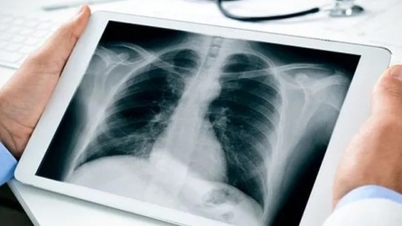
At Saint Paul General Hospital, children with RSV pneumonia account for nearly 50% of all respiratory illnesses. Notably, many children have been hospitalized in serious condition, with severe respiratory complications requiring oxygen or mechanical ventilation.
 |
| RSV virus can spread rapidly, especially in crowded communities such as schools, hospitals, or childcare facilities. |
RSV is a virus belonging to the Paramyxoviridae family, capable of causing respiratory infections. Although RSV can cause illness at any age, children under 2 years old and older adults with weakened immune systems are the most severely affected. This virus is primarily spread through droplets of saliva when coughing, sneezing, or through direct contact with contaminated surfaces.
RSV causes many flu-like symptoms, but can progress to more severe conditions, especially in children. Initial symptoms include cough, nasal congestion; mild to high fever, shortness of breath, rapid or wheezing breathing, fatigue, and loss of appetite.
In severe cases, RSV can lead to pneumonia, bronchiolitis, and in some cases, respiratory failure. This is why monitoring health and early detection of signs of the disease are crucial to avoid serious complications.
Children, especially those under 2 years old, have underdeveloped immune systems, making them more susceptible to pathogens that can invade and thrive. The alveoli in children's lungs are small and easily damaged by infection, particularly when the RSV virus causes bronchitis, bronchiolitis, or pneumonia.
Furthermore, children are frequently exposed to the outside environment, especially in preschools or childcare facilities, where the potential for virus transmission is very high. This increases the risk of infection, particularly during the colder months when the RSV virus thrives.
Although most children with RSV recover within a few weeks with supportive treatment, some cases can develop into severe illness, causing breathing difficulties and requiring hospitalization.
According to health experts, the RSV virus can spread rapidly, especially in crowded communities such as schools, hospitals, or childcare facilities. To minimize the risk of infection, health experts recommend:
Practice good hand hygiene: Washing your hands with soap and clean water helps remove viruses and prevent their spread. Avoid contact with sick people: If someone in your family or community is sick, limit contact with children.
Wearing a mask: This is an effective measure to limit airborne transmission of infection, especially in public areas. Boosting immunity: Ensure children eat a nutritious diet and take vitamin supplements to help strengthen their immune system.
Nearly lost my life due to self-treating my illness.
Recently, the Central Hospital for Tropical Diseases received a case of severe stroke in Mrs. H. (66 years old, living in Hai Duong ).
Ms. H. suffered a stroke 8 years ago, leaving her with paralysis on the left side of her body. Although diagnosed with hypertension and started treatment, she did not adhere to treatment instructions and did not undergo regular health checkups. As a result, Ms. H. faced a life-threatening emergency.
Ms. H. cannot clearly remember the type of blood pressure medication she is currently using because she has only been taking the medication prescribed by her doctor for the past 8 years without any follow-up appointments to adjust the treatment regimen.
She also frequently forgot to take her blood pressure medication, instead buying blood pressure medication from pharmacies without proper medical examination or consultation. This resulted in uncontrolled blood pressure, making her susceptible to serious complications.
Recently, Mrs. H. began showing signs of declining consciousness, slow speech, and facial asymmetry, prompting her family to take her to the hospital in a coma. Doctors diagnosed her with a cerebral hemorrhage due to hypertension, a serious condition that can be fatal.
Immediately, Mrs. H. was intubated and placed on a ventilator, and an emergency CT scan of the brain was ordered. The CT scan revealed a brain hemorrhage adjacent to the right basal ganglia, posing a very high risk of death. Subsequently, the doctors decided to perform emergency surgery that same night.
In an emergency situation, Dr. Ta Viet Phuong and Dr. Nguyen Quang Thanh, leading experts in neurosurgery, performed a surgery lasting over an hour to remove a 63x24mm hematoma that was compressing brain structures.
According to Doctor Nguyen Quang Thanh, fortunately, the hematoma did not directly damage the brain. After the surgery, Mrs. H. was transferred to the Intensive Care Unit for monitoring and treatment. Doctor Tran Van Quy said that Mrs. H. has recovered very well, is aware of her surroundings, and can move her right arm and leg eight days after the surgery.
Brain hemorrhage is common in elderly people with underlying conditions such as hypertension. According to Dr. Nguyen Quang Thanh, about 80% of brain hemorrhage patients have a history of hypertension.
If blood pressure is not well controlled, the risk of cerebral hemorrhage is very high. This occurs when blood leaks out of the blood vessels and flows into the brain tissue, forming a blood clot that puts pressure on the surrounding tissues, leading to brain cell damage and potentially death if not treated promptly.
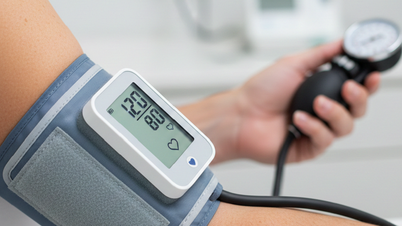
Dr. Thanh advises that proper and regular blood pressure control is very important.
Maintaining stable blood pressure is crucial through a healthy lifestyle, a balanced diet, and regular exercise. Furthermore, regular health checkups are extremely important for early detection and treatment of conditions such as hypertension, helping to prevent dangerous complications like cerebral hemorrhage.
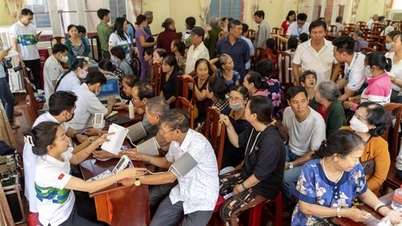
Based on the above case, doctors advise people not to buy medicine without consulting a doctor. Regular health check-ups, especially blood pressure checks, are recommended to monitor one's health. Follow the doctor's treatment instructions and do not change the treatment regimen without consulting a doctor.
Malignancy detected from a lump in the head area.
Recently, an 11-year-old boy named NMT from Hanoi faced a rare and serious medical case when his family discovered a swollen lump on his head that showed no signs of pain or other suspicious symptoms.
This tumor, measuring approximately 1.5 cm, was discovered in October 2024, causing concern for the family and prompting them to take the child to the hospital for examination. After examination and testing, doctors discovered a malignant disease, specifically Myeloid Sarcoma (medullary sarcoma), a rare condition that can lead to serious complications.
The family reported that T. had felt a lump on her head, approximately 1.5 cm in size, which was painless and had no other accompanying symptoms. Clinical examination revealed the lump to be 2x1 cm, slightly firm to the touch, and painless. A head ultrasound showed a mixed-echoic lesion measuring 16mmx7mm. Blood tests also showed no abnormalities.
Initially, doctors diagnosed it as a benign lipoma and indicated no intervention. However, after two months of monitoring, the tumor grew larger, and the family decided to seek further medical attention. At that point, doctors recommended surgery to remove the entire tumor and sent a tissue sample for testing.
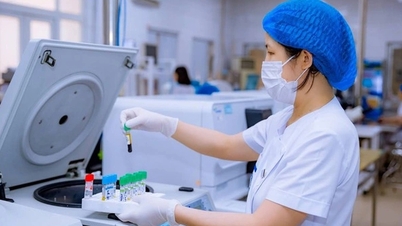
The specimen was sent to the Medlatec Pathology Center for advanced tests such as histopathology and immunohistochemistry. After analysis, experts at Medlatec concluded that the child had myeloid sarcoma, also known as myeloid sarcoma.
This is a type of malignant tumor involving myeloid cells, appearing outside the bone marrow and potentially spreading to soft tissues or other organs in the body.
This diagnosis caused great distress to the family, who decided to send samples for consultation at leading specialized hospitals such as K Hospital and the National Institute of Hematology and Blood Transfusion. Experts there also reached the same conclusion as Medlatec. Subsequently, the child was transferred to the National Institute of Hematology and Blood Transfusion for further treatment.
Myeloid sarcoma is a rare disease involving the formation of tumors from promyelocytes (myeloid cells), which are cells responsible for producing red blood cells, white blood cells, and platelets in the bone marrow. When these cells develop into tumors outside the bone marrow, they can appear in soft tissues or other organs such as the skin, lymph nodes, liver, spleen, bones, and even the brain.
If left undetected and untreated, Myeloid Sarcoma can spread to other organs, making treatment more complicated. Symptoms depend on the location of the tumor, but may include pain, swelling in the affected area, fatigue, weight loss, infections due to decreased white blood cell count, and easy bleeding or bruising.
Myeloid sarcoma is typically diagnosed using imaging techniques such as X-rays, MRI, or CT scans to determine the location and size of the tumor.
Simultaneously, histopathological and immunohistochemical examinations are also crucial for identifying cancerous cells from surgical specimens. These cells are often immature myeloid cells, possibly granulocytes, proleukocytes, or other immature granular cells.
Depending on the severity of the disease, treatment may include chemotherapy, radiation therapy, or bone marrow transplantation (or stem cell transplantation) to treat this malignant disease.
According to Dr. Truong Quoc Thanh, Deputy Director of the Medlatec Pathology Center, when any abnormal signs such as pain, swelling, fatigue, or weight loss are detected, patients should immediately go to reputable medical facilities for examination and accurate diagnosis. Timely detection and treatment will increase the chances of effective treatment and avoid dangerous complications.
The case of baby T. is a prime example of detecting malignancies from seemingly harmless symptoms.
Myeloid sarcoma is a rare and dangerous disease, but with timely diagnosis and treatment, patients have a good chance of successful recovery. Regular health checkups and attention to unusual signs in the body are extremely important for early detection of such serious diseases.
Source: https://baodautu.vn/tin-moi-y-te-ngay-83-tre-nhap-vien-tang-dot-bien-do-mac-virus-hop-bao-ho-hap-rsv-d251424.html


![[Photo] Prime Minister Pham Minh Chinh attends the Conference on the Implementation of Tasks for 2026 of the Industry and Trade Sector](/_next/image?url=https%3A%2F%2Fvphoto.vietnam.vn%2Fthumb%2F1200x675%2Fvietnam%2Fresource%2FIMAGE%2F2025%2F12%2F19%2F1766159500458_ndo_br_shared31-jpg.webp&w=3840&q=75)




















































































Comment (0)