

From the romantic Seine and the elegant Thames to the majestic Rhine and the picturesque canals of Amsterdam, each journey is an experience of boundless discovery . Among them, a cruise on the Danube in Budapest (Hungary) truly leaves a lasting impression, showcasing the iconic architecture and art of the city often called the most beautiful in Europe.
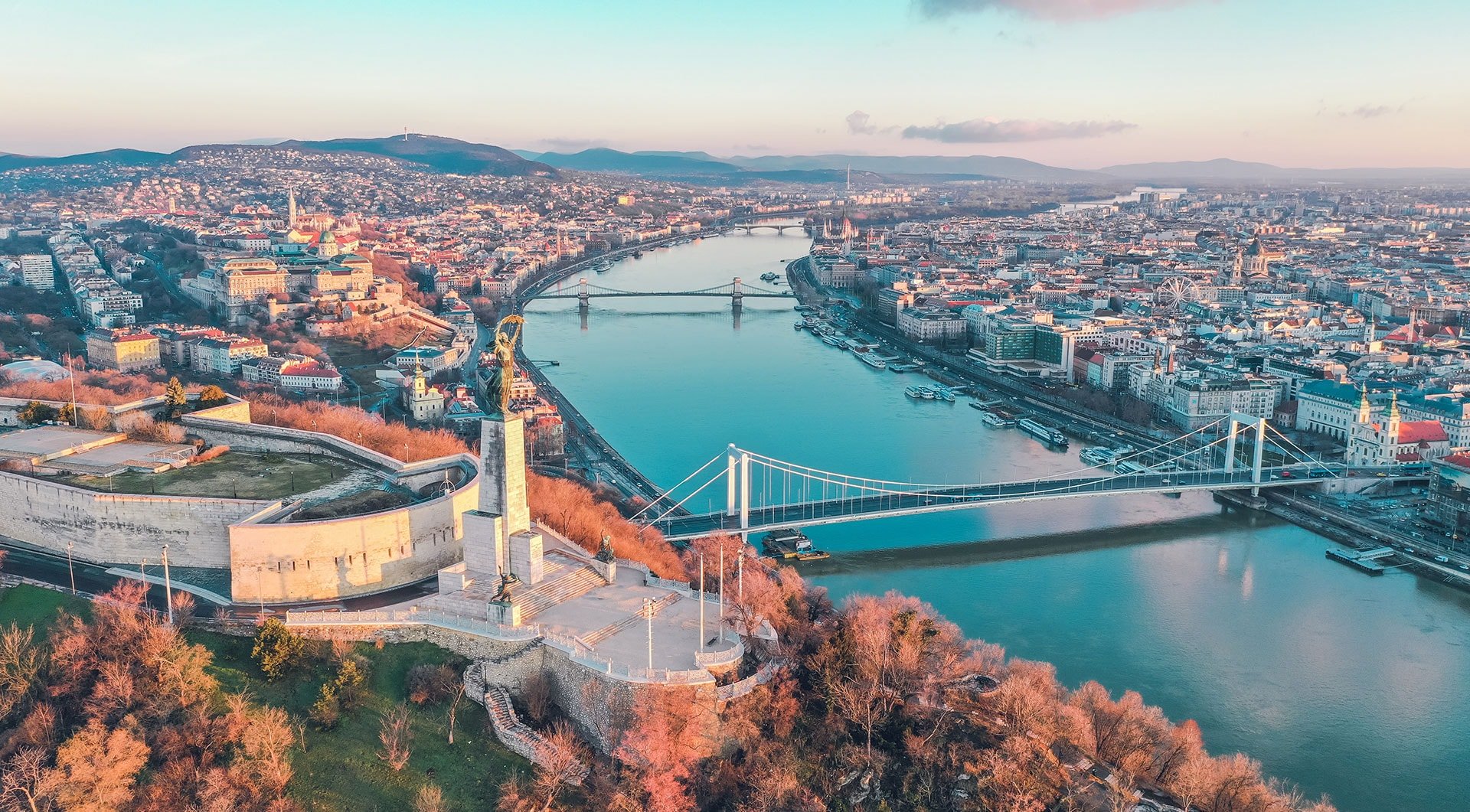
Budapest, the capital of Hungary, is located on the Danube River.
The city is divided by shores of longing.
We first set foot in Budapest on a winter day just before Christmas. The Eastern European city was bitterly cold, despite the clear blue sky and golden sunshine. Budapest, known as the "Paris of Eastern Europe," is renowned for its architectural heritage and ancient streets. John Harrison, a British literary critic, once described Budapest as "the glamorous Eastern view of the West, the Western illusion of the East."
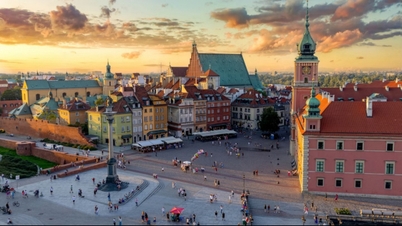
Within this multi-cultural city lies the story of two fateful banks. Budapest is actually a portmanteau of two cities: Buda on the west bank and Pest on the east bank of the Danube River. This wasn't simply a way to create an interesting name for the Hungarian capital, but also to define two completely different styles. Buda is tranquil and serene, surrounded by beautiful hills, lush parks, and ancient castles. Pest, on the other hand, exudes a fresh energy with grand boulevards, towering skyscrapers, and luxurious restaurants. However, this contrast is perfectly blended, creating a Budapest that is both classic and modern, dynamic yet full of romance. And, to truly experience this captivating Budapest, there's no better way than to take a journey along the "parallel" that divides the city – the Danube.
The Danube River is the second longest river in Europe, stretching 2,850 km. Originating in the Black Forest, it flows through much of Central and Southeastern Europe before emptying into the Black Sea. However, nowhere in the ten countries where the Danube flows is as beautiful and captivating as in Budapest, where the river unexpectedly changes direction from east-west to north-south. The Danube flows peacefully through Budapest, a silent witness to the city's heroic and tragic history.
Starting from the marina in the city center, under the twilight sky, to the dreamy melody of the "Blue Danube," our approximately one-hour cruise took us from one surprise to another, overwhelming us with architectural, artistic, and historical masterpieces considered the epitome of an Eastern European empire. All of this created a truly amazing multi-sensory experience.
Historical sediments and artistic imprints
I fell in love with Budapest at first sight, when my eyes fell upon the Parliament building, a proud symbol of Hungary and one of the most beautiful legislative buildings in the world . This more than 100-year-old structure, with its magnificent Gothic architecture, striking red dome, and exquisite carvings, is not only the workplace of the government but also a living museum housing precious artifacts. It is a monumental work both in scale and artistic merit. As the sun sets, the building shimmers in golden light, standing out like a fairytale palace in the heart of the city.
As the cruise ship sailed further, Matthias Church emerged in its majestic beauty, a masterpiece of Gothic architecture that has witnessed many important historical events. The church's colorful tiled roof sparkled in the light, creating a fairytale scene. Adjacent to the church is Fisherman's Fortress, voted by Hungarians as one of the "Seven Wonders of Hungarian Architecture," commemorating the contributions of medieval fishermen who fought and sacrificed for the peace of Budapest. And there, atop Buda Hill, stands the magnificent castle overlooking the Danube River. Built in the 13th century, it is not only a symbol of royal power but also a cultural and artistic center of Budapest, a UNESCO World Heritage site. From the cruise ship, one can see the entire majestic castle, with its ancient walls and beautiful surrounding gardens.
Nine stunning bridges line the Danube River, earning the city the reputation of being called the "city of bridges." Starting with the Chain Bridge, the first and iconic bridge connecting Buda and Pest, the Chain Bridge, also known as the Chain Bridge, was built in the mid-19th century. Its 375-meter length and two triumphal arch-shaped piers shimmer in the evening light, like a jewel on the river. Other bridges include the Margaret Bridge, Elisabeth Bridge, and Liberty Bridge, each with its own unique character. The Elisabeth Bridge connects the center of Pest to Gellért Hill, home to the Statue of Liberty, while the Art Nouveau-style Liberty Bridge is a distinctive feature of the city's landscape.
The Danube cruise also brought me closer to the daily life of the people of Budapest. I saw peaceful riverside cafes and restaurants, lush green parks, and bustling markets. At the end of the trip, I was left with a journey of discovery, not only of the beautiful scenery but also of the history of Budapest – the “heart” of Europe.
Source: https://hanoimoi.vn/troi-giua-doi-bo-di-san- บน-dong-danube-689572.html



















































































Comment (0)