

From July 1, 2024, the Law on Identity Cards will take effect, replacing the Law on Citizen Identity Cards. The Citizen Identity Card will now be called the Citizen Identity Card. Many new regulations related to the process of issuing and renewing Citizen Identity Cards will also officially be applied.
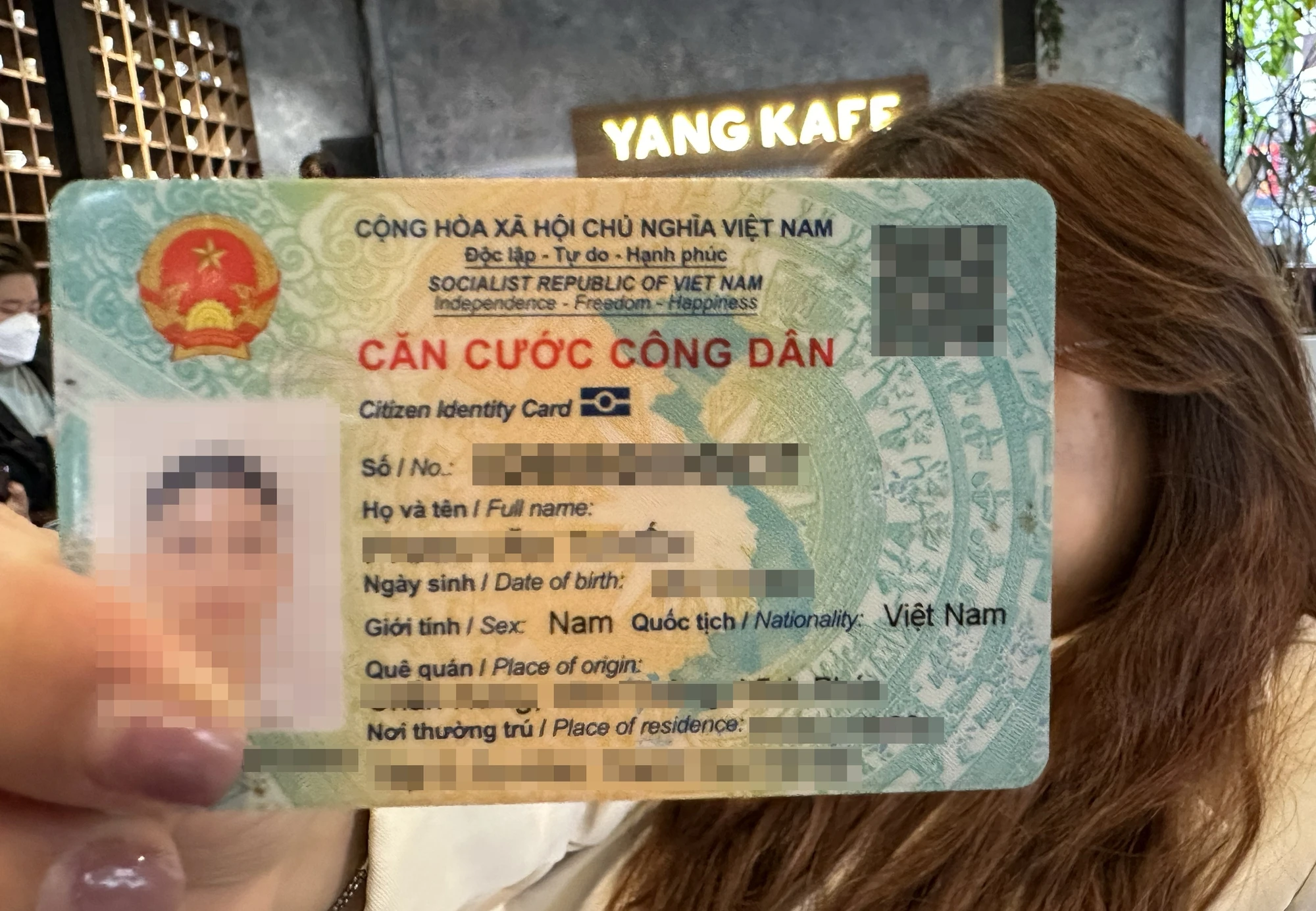
From July 1, 2024, the citizen identity card will have a new name: citizen identity card.
Adding cases for changing identity cards.
The Law on Citizen Identity Cards (currently in effect) stipulates six cases in which citizens are eligible to have their citizen identity cards reissued.
Specifically, this includes: when reaching the card renewal age (25, 40, and 60 years old); when the card is damaged and unusable; when there are changes to information regarding surname, middle name, given name, or personal characteristics; when gender or place of origin is re-determined; when there are errors in the information on the card; or when the citizen requests it.
According to the Law on Identity Cards, citizens are eligible for a replacement identity card in the following seven cases: reaching the age for card replacement (14, 25, 40, and 60 years old); changes in information regarding surname, middle name, given name, date of birth; changes in personal identity, addition of facial photo information, fingerprints, gender reassignment, or gender transition as prescribed by law.
Additionally, there are cases where there are errors in the information printed on the identity card; at the request of the cardholder when the information on the identity card changes due to administrative unit reorganization; re-establishing the personal identification number; or when the cardholder requests it.
Compared to the Law on Citizen Identification, the Law on Identity Cards adds many more cases for issuing replacement identity cards to citizens. Notably, this includes cases of replacement due to changes in administrative unit reorganization.
During the law-making process, some delegates suggested removing this provision from the draft. The reason was that replacing identity cards when reorganizing administrative units would be costly; while the resolution on reorganizing administrative units clearly stipulated that "documents issued by competent authorities to individuals, citizens, and organizations before the reorganization of administrative units, if not yet expired, shall continue to be used."
In explaining the above content, the Standing Committee of the National Assembly stated that the regulations in the law help ensure that the identity card accurately reflects the citizen's information at the time of use, guaranteeing the rights and convenience of the cardholder. To avoid inconvenience, the law clearly states that replacement will only be carried out upon the citizen's request.
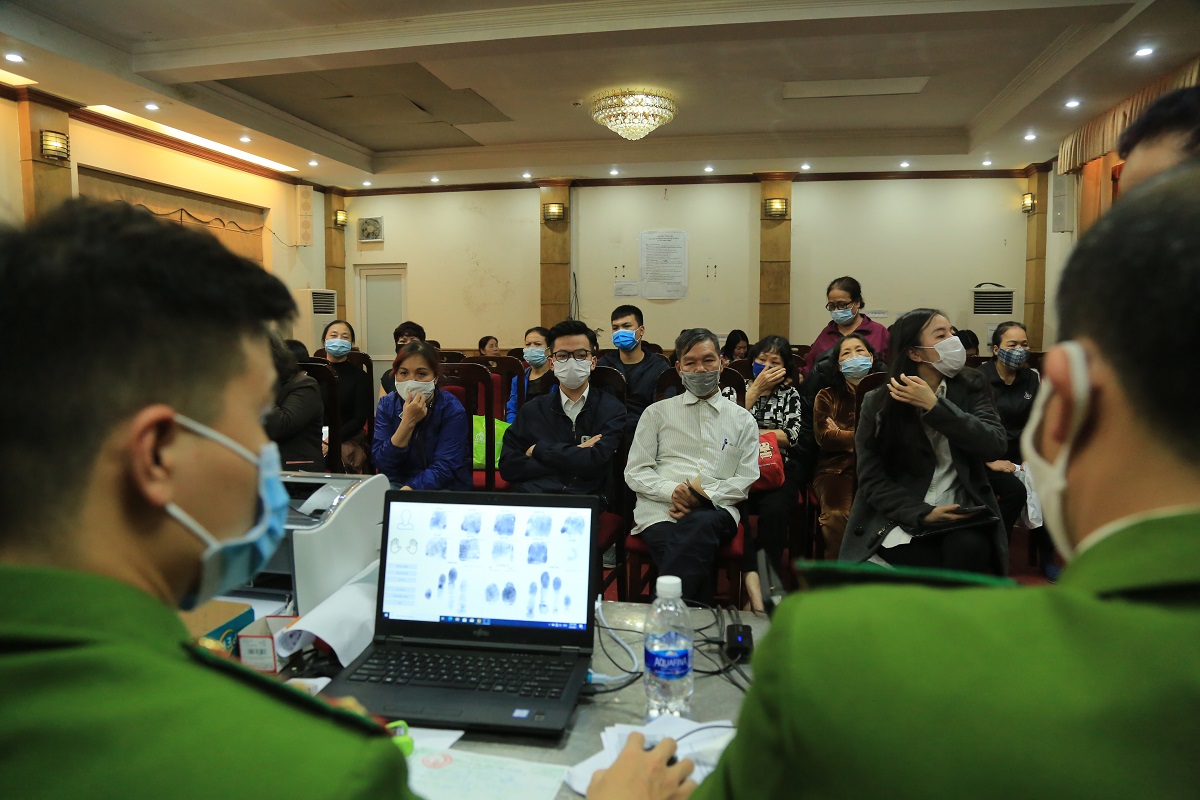
The police force issues citizen identity cards to the people.
Shorten the time required to issue identity cards.
According to current regulations in the Law on Citizen Identification, the time limit for issuing citizen identification cards is divided by region.
In cities and towns, the processing time is no more than 7 working days for new issuance and replacement cases; and no more than 15 working days for re-issuance cases.
In mountainous, highland, border, and island districts, the processing time should not exceed 20 working days for all cases.
In other areas, the processing time will not exceed 15 working days for all cases.
From July 1st, 2024, when the Identity Card Law comes into effect, the time limit for issuing identity cards will be standardized at 7 working days for all cases of issuance, replacement, and re-issuance.
During the law-making process, some delegates suggested that, given the 7-day timeframe, the authority to issue identity cards should be decentralized to local levels, instead of being the sole agency under the Ministry of Public Security .
The Standing Committee of the National Assembly stated that, with the current regulations on centralized database management, the verification and comparison of citizen identity data needs to be carried out at the national identity data center to ensure accuracy nationwide.
On the other hand, organizing the printing and issuance of identity cards centrally will save on the costs of purchasing equipment, supplies, raw materials, and card printing costs.
Therefore, the Law on Identity Cards assigning only one authority, the identity card management agency of the Ministry of Public Security, the power to issue identity cards, is consistent with current technology and management practices.
Source link
![[Photo] Secretary of the National Assembly Party Committee, Chairman of the National Assembly presides over the meeting of the Standing Committee and Executive Committee of the National Assembly Party Committee.](https://vphoto.vietnam.vn/thumb/1200x675/vietnam/resource/IMAGE/2026/06/03/1780480353201_ndo_br_bnd-2585-jpg.webp)

![[Photo] General Secretary and President To Lam presides over a meeting with the Central Organizing Committee.](https://vphoto.vietnam.vn/thumb/1200x675/vietnam/resource/IMAGE/2026/06/03/1780482764658_a1-bnd-4741-3342-jpg.webp)
![[Photo] First session of the 14th Congress of the Vietnam Trade Union](https://vphoto.vietnam.vn/thumb/1200x675/vietnam/resource/IMAGE/2026/06/03/1780465947883_ndo_br_img-3852-jpg.webp)


![[Infographic] In which cases are permanent identity cards issued?](https://vphoto.vietnam.vn/thumb/402x226/vietnam/resource/IMAGE/2026/05/18/1779069543131_bna_34-anh-pv.jpeg)
























































![[Video] Sunset at Lap An Lagoon – Where the sun sets over the fishing nets](https://vphoto.vietnam.vn/thumb/1200x675/vietnam/resource/IMAGE/2026/05/31/1780192137701_beach-landscape-sea-water-nature-grass-745871-pxhere-com.jpeg)





































Comment (0)