

On December 14, 1990, the United Nations General Assembly voted to designate October 1st as the International Day of Older Persons. The first International Day of Older Persons was celebrated on October 1, 1991.
In 1982, the UN held its first World Congress on Aging in Austria, with over 3,000 delegates from most countries around the world in attendance. Vietnam's delegate at that time was Professor Pham Khue, Director of the Vietnam Institute of Gerontology.
The conference adopted an international program of action on aging; recommending that governments and peoples of all countries pay attention to addressing the issues of the elderly step by step, based on the specific circumstances of each country, focusing on six areas: health and nutrition; housing and environment; family; social services and protection; employment; and improving the understanding of the elderly about life.
In 1990, eight years after the World Congress on Aging in Austria, the UN General Assembly decided to designate October 1st as the International Day of Older Persons, starting in 1991.
Since the establishment of International Day of Older Persons, Vietnam has been one of the countries that responded from the very beginning. The Party, the State, and the entire society have shown concern for International Day of Older Persons on October 1st each year through practical actions. Legal documents have focused on developing national policies and action programs, providing healthcare, and creating conditions for older people to have stable lives, continue to contribute, nurture, and educate the younger generation.
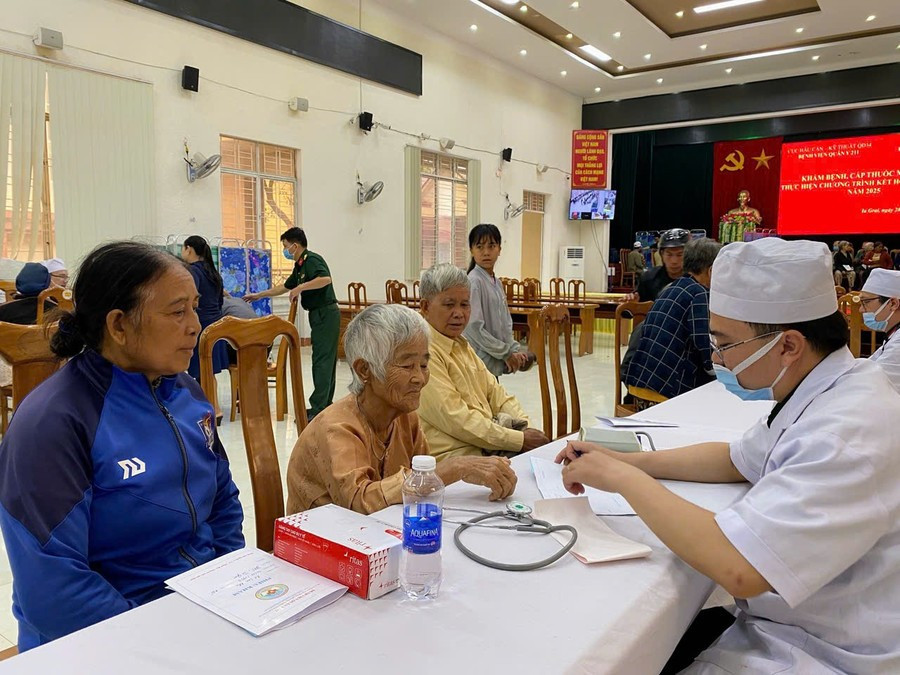
Notably, the National Assembly enacted the Ordinance on the Elderly and subsequently the Law on the Elderly, which specifically regulates the care, support, and promotion of the role of the elderly. The Prime Minister signed Decision No. 544/QD-TTg designating October of each year as the "Month of Action for the Elderly in Vietnam"; and established the National Committee for the Elderly in Vietnam. The Associations of the Elderly at all levels are the core of these activities, representing the aspirations, rights, and legitimate interests of the elderly in Vietnam.
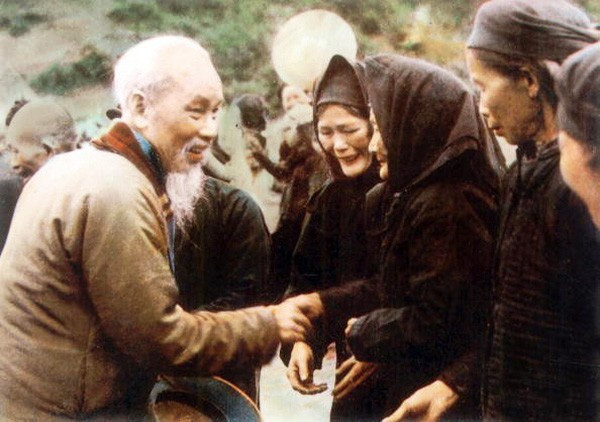
All of these actions are a continuation of President Ho Chi Minh's thoughts on the elderly. During his lifetime, President Ho Chi Minh always respected the elderly and cherished children. He considered those who lived to a ripe old age "to be precious treasures of the nation" and the shining examples of the elderly and young people as "symbols of the nation's blessings" in the revolutionary path based on the strength of national unity. President Ho Chi Minh advocated "mobilizing all forces, leaving no one behind, to contribute to the strength of the entire people." In this, the elderly played a particularly important role.
Uncle Ho emphasized: "The responsibility of our elders towards the nation's tasks is truly immense. The nation prospers because of the elders' efforts. The nation survives because of the elders' contributions. When the nation is lost, the elders save it; when the nation declines, the elders support it." He also said: "An ignorant nation is a weak nation," and he advocated fighting illiteracy alongside fighting hunger and foreign invasion. He praised the elderly who had achieved success in learning the national language: "Not only are they diligent role models for their descendants, but they also demonstrate the strong will of the Vietnamese nation."
Uncle Ho also affirmed that the Dien Hong tradition is a glorious patriotic tradition of the nation and especially of our elderly people. Continuing that tradition, the elderly people, despite their old age and gray hair, did not enjoy leisure; they organized "white-haired troops" to do things such as: encouraging their children and grandchildren to join the army and youth volunteer corps, maintaining order and security in the villages, assisting the militia, increasing production, planting trees and reforesting, and encouraging people to set up rice donation jars to fight against the Americans and save the country.
President Ho Chi Minh is also a shining example of "the older the age, the stronger the will," for the elderly throughout the country to follow. Throughout his life, he tirelessly fought and sacrificed for the people and the nation, forgetting his old age and his own well-being. It can be said that his joys, sorrows, and love were all intertwined with the Fatherland and the people, including the elderly. He forgot his own personal happiness, readily dedicating his love for his homeland and all people as his source of life and happiness: "Milk for the children, silk for the elderly" illustrates this. He always prioritized the concerns of the people. His life was one of noble sacrifice for the cause of national liberation, for the future of the country, and for the happiness of the people.
President Ho Chi Minh's thoughts on the elderly stemmed from the objective requirements of the revolutionary cause, vividly reflecting the national cultural traditions, and remain relevant to the work of mobilizing the elderly in the new revolutionary era.
In fact, both globally and in Vietnam, many elderly people today, with their experience, are working alongside the younger generation to build a solid foundation for social development. In past wars against foreign invaders, as well as in the current process of national construction and defense, the elderly have always played a significant role, serving as shining examples in all social activities for their descendants, families, communities, and especially the younger generation to emulate. For this reason, the Central Committee of the Communist Party of Vietnam has bestowed upon the Vietnam Association of the Elderly the glorious 18-word motto: "The older the age, the higher the aspirations; setting a shining example for the cause of national construction and defense."
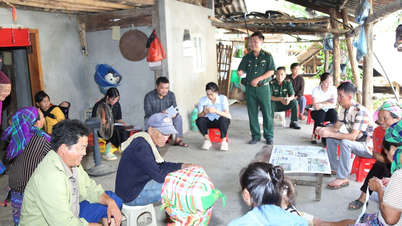
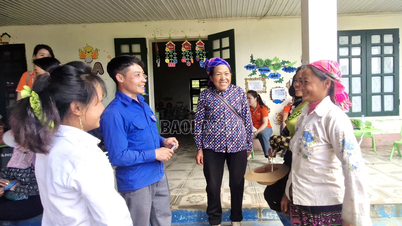
International Day of Older Persons is also an opportunity for us to reflect on our own behavior, to pay attention to and care for the elderly as best as possible, in accordance with the traditional moral principle of "drinking water, remembering the source" of our nation. On this occasion, the Associations of the Elderly at all levels in localities often organize commemorative seminars and commendations for elderly men and women who have made significant contributions to the development of the Association and to society. The Association also organizes visits and gifts for elderly people who are sick, in difficult circumstances, or without support.

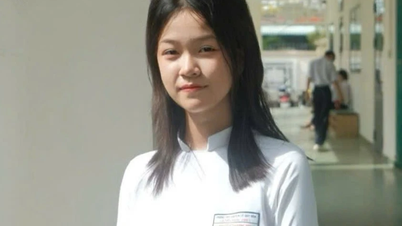
Thanks to diligent exercise and a healthy diet, Mrs. Bac is always cheerful, optimistic, and full of vitality. Photo: Provided by the interviewee.
Party committees and authorities at all levels have consistently shown concern and care for the material and spiritual well-being of the elderly whenever possible, implementing social policies, especially in healthcare and recreational services for older people.
However, in some areas, there are still some local Party committees and authorities that have not properly recognized the role and position of the elderly in social life, resulting in many elderly people being lonely, without support, and facing difficulties in their material and spiritual lives. This needs to be effectively addressed in the future through various specific and practical solutions with the spirit of "leaving no one behind".
Source: https://baogialai.com.vn/tu-tuong-ho-chi-minh-ve-cham-lo-nguoi-cao-tuoi-post567975.html

![[Photo] Solemn bathing ceremony and Buddha procession in Hue](https://vphoto.vietnam.vn/thumb/1200x675/vietnam/resource/IMAGE/2026/05/31/1780228263543_1-jpg.webp)
![[Photo] The General Secretary, President and his wife begin their state visit to the Philippines.](https://vphoto.vietnam.vn/thumb/1200x675/vietnam/resource/IMAGE/2026/05/31/1780230559452_anh-man-hinh-2026-05-31-luc-19-28-11.png)
![[Image] Hanoi Police officially crowned champions of V-League 2025/2026](https://vphoto.vietnam.vn/thumb/1200x675/vietnam/resource/IMAGE/2026/05/31/1780244769054_ndo_br_039d561b692be875b13a-jpg.webp)
![[Photo] Admire the coral "masterpiece" amidst the million-year-old heritage of Dak Lak province.](https://vphoto.vietnam.vn/thumb/1200x675/vietnam/resource/IMAGE/2026/05/31/1780221235105_anh-man-hinh-2026-05-31-luc-16-53-27.png)
















![[Video] Sunset at Lap An Lagoon – Where the sun sets over the fishing nets](https://vphoto.vietnam.vn/thumb/340x192/vietnam/resource/IMAGE/2026/05/31/1780192137701_beach-landscape-sea-water-nature-grass-745871-pxhere-com.jpeg)


























![[Photo] Admire the coral "masterpiece" amidst the million-year-old heritage of Dak Lak province.](https://vphoto.vietnam.vn/thumb/402x226/vietnam/resource/IMAGE/2026/05/31/1780221235105_anh-man-hinh-2026-05-31-luc-16-53-27.png)

























Comment (0)