

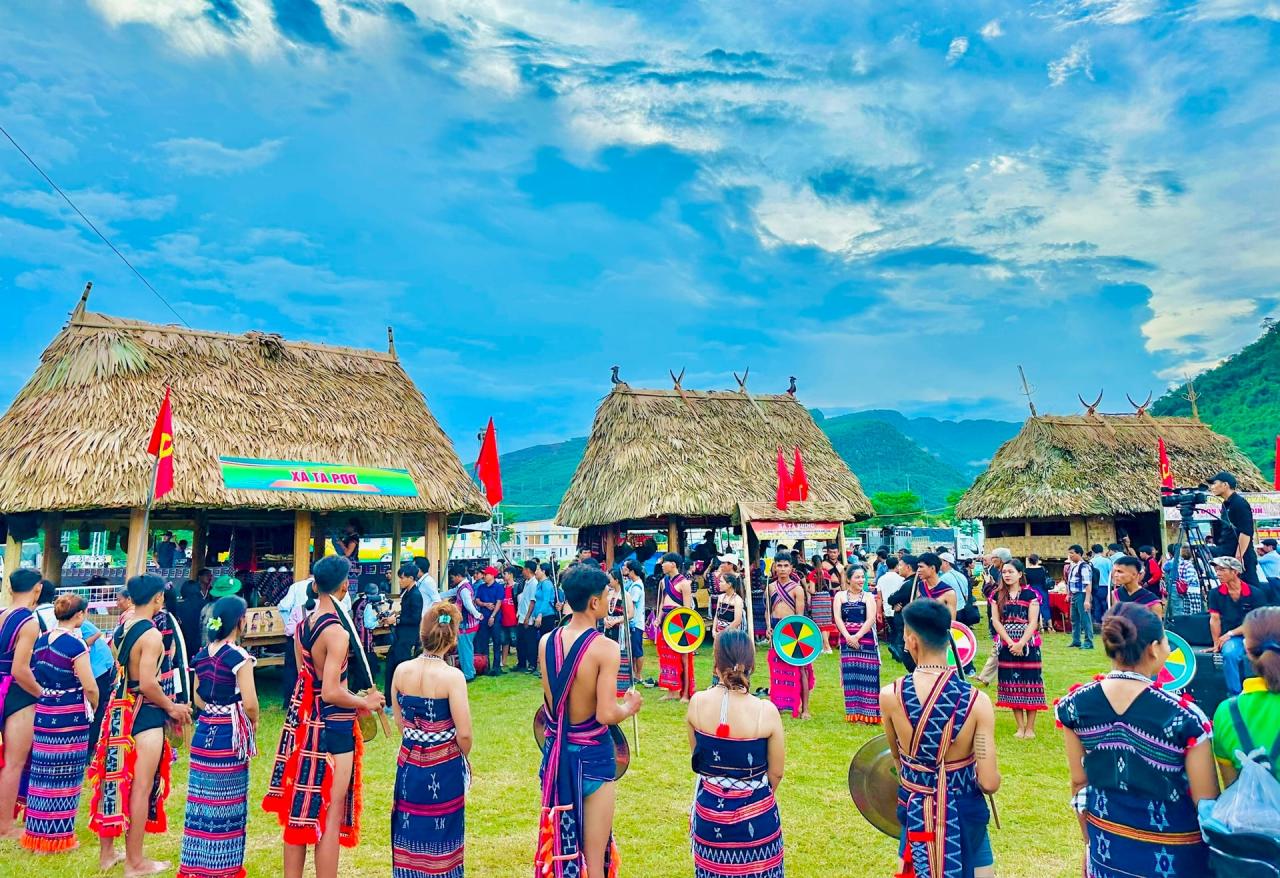
The mountainous districts of Quang Nam province differ in climate and soil. This disparity in natural characteristics creates differences in daily life and cultural behavior. Through traditional activities, singing, village festivals, and customs, there are indications that the custom of brotherhood has existed for a long time.
Rely on each other
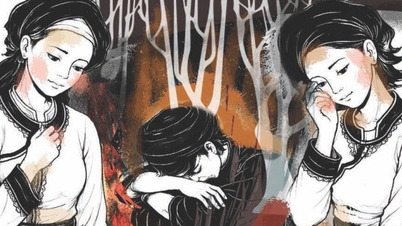
From the call-and-response singing and exchange of feelings between young men and women, the need for companionship arises. Listen to the song of a Ca Dong girl who marries far away: "I am from this region but have to go find a husband elsewhere…/ I return to a strange land/ Turning around, there are no brothers/ No relatives/ In pain, there is no one to look after me…"
It is precisely because of the need to rely on each other for survival that the ethnic minorities in the Truong Son mountain range often practice the custom of forming brotherhoods. There are many different types of brotherhoods.
First, there is the brotherhood between people of the same ethnic group, living in the same village. This type of brotherhood is always between people who are not relatives, with absolutely no blood relationship.
Secondly, there is the fraternal bond between one group of people and another group of people of the same ethnic group; or the fraternal bond between people of different ethnic groups who live geographically close together (sharing the same sub-region, the same mountain, stream, or forest). This fraternal bond between people of different ethnic groups usually only occurs when harsh natural conditions cause harm or when they are exploited or abused by outsiders…
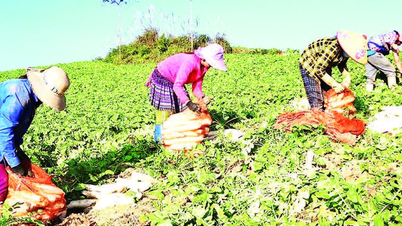
The Co Tu people, the most populous ethnic minority group in Quang Nam province, possess many admirable customs and traditions. The "Trvin" custom – rotating labor in the cultivation of fields – demonstrates a spirit of mutual support and assistance in production, internal solidarity, and a collective spirit.
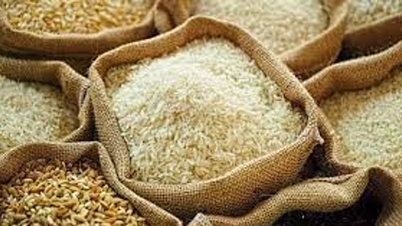
The Co Tu people have a "village rice field" to help poor families. This rice field is created by the young men of the village working together. At harvest time, the rice is transported to the village's communal granary to provide food for single-parent families, those who are sick or infirm, and those who are unable to cultivate fields to feed their families.
The ethnic groups in the mountainous regions of Quang Nam province all value the practice of brotherhood. This brotherhood is usually formed after a solemn ceremony, witnessed by deities and relevant family members.
Humanistic customs
The brotherhood festival has a long history, bringing two strangers together to become close friends, a bond that lasts for generations. Generations treat each other like brothers and sisters, helping each other in times of difficulty or need without expecting anything in return.
The descendants of both sides are not allowed to harm each other; if conflict arises between them, the gods will punish them.
The Co Tu people also have the custom of forming brotherhoods between villages, between two families, or between two different clans. The Co Tu "Prơngooch Ceremony" is a ceremony of swearing an oath and forming brotherhoods – a long-standing traditional festival preserved by the Co Tu people.
The ritual of brotherhood originated from the need for close relationships, sometimes to reconcile conflicts over head-slaying customs, resolve disputes over labor and production, or settle disputes over land, fields, rivers, and streams when living geographically close to each other.
According to the villagers, without this ceremony, the people would feel apprehensive whenever they entered another village, and vice versa. Usually, only the larger villages organize the brotherhood ceremony; thanks to this, the smaller villages automatically follow suit, living together harmoniously.
The brotherhood ceremony, called Prơngooch by the Cơ Tu people, means Prơliêm – to strengthen relationships, and Prơ âm – inviting each other to drink wine to maintain close ties and friendship. From this meaning, the ceremony fosters humanistic values in the relationship between villages (Vel) and other villages, and between different ethnic communities, demonstrating a spirit of solidarity, unity, and mutual support.
During the ritual of worshipping the spirits (Yàng) when performing the brotherhood ceremony, the shaman stands solemnly facing east to receive the rays of sunlight and transmit them to the sworn brothers.
When the gong sounds cease, the shaman recites a prayer with the following implied meaning: “Oh, Lord of Heaven, Lord of Earth, Lord of Mountains, Lord of Rivers, Lord of the East, Lord of the West, please come here and witness this brotherhood ceremony of… (names of the two sworn brothers). Both sides have truly been kind to each other. Today, we perform this ceremony to inform the Lords and our ancestors that from now until the end of our lives, we will forever be brothers, sharing joy and sorrow together, oh Lords!”
Those who become sworn brothers will share sticky rice, chicken eggs, and bananas… to express their loyalty to each other, considering each other as family. Couples in the village will sing songs to celebrate the sworn brothers. The practice of forming sworn brotherhoods between ethnic groups in mountainous regions is also often depicted in folk tales…
The spirit of community cohesion is a cultural value that reflects the humane way of life of the ethnic minorities in the mountainous regions of Quang Nam. This nurtures the cultural heritage of these ethnic groups and is a positive factor bringing stability and peace to the villages. This spirit will undoubtedly continue to be promoted in life today and in the future!
Source: https://baoquangnam.vn/tua-nui-ket-tinh-anh-em-3145695.html





































































Comment (0)