

Resolution No. 80-NQ/TW of the Politburo on the development of Vietnamese culture recognizes culture as a nation's "soft power" and a direct driving force for socio-economic development.
In particular, the spirit of the resolution has opened up a new approach: viewing heritage, including folklore, not only as memories to be preserved but also as a resource for developing the cultural industry in the new era.
The "gold mine" of the cultural industry.
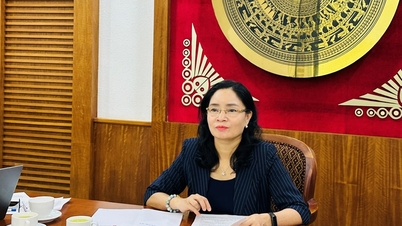
According to Professor, Dr. Le Hong Ly, President of the Vietnam Folk Arts Association, throughout the nation's history and up to the present day, folk culture has always occupied a fundamental and important position in the lives of the Vietnamese people.
For a long time, until the success of the August Revolution, over 90% of the Vietnamese people were illiterate, so folk culture occupied a fundamental place in the lives of the Vietnamese people as well as the ethnic minorities living on the land of Vietnam.
Folklore is passed down orally and through people's daily practices in a hands-on, practical way, and is memorized.
Customs, traditions, folk songs, stories, legends, anecdotes, rituals, festivals, sacrifices, worship... are repeated and deeply ingrained in the minds of each person.
Although the people were illiterate and lacked formal history education, stories of King Hung Vuong, Saint Giong, the Trung Sisters, An Duong Vuong, Ngo Quyen, Tran Hung Dao, and others have entered their consciousness through oral tradition, village festivals, community rituals, and have been passed down from generation to generation.
The values of folk culture have fostered patriotism, a sense of community, and the principle of "drinking water, remembering the source" for the Vietnamese people, creating the foundation for the formation of the current Vietnamese identity.
Along with over 8,000 cultural and religious festivals across the country, traditional craft villages, and cuisines , Vietnam also boasts a large amount of folk art heritage from its 54 ethnic groups.
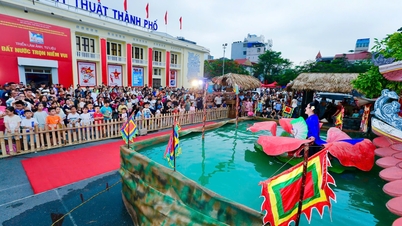
Folk performances such as stick-grabbing, the four-person game, mock battles, human chess, flat-bed fighting... artistic performances such as Ai Lao dance, snake dance, prostitute's dance, Ba Trao singing, Giam Nghe Tinh singing, Quan Ho singing, Xoan singing, Soong Co singing, Cheo Tau singing, Cheo, Tuong, Cai Luong, folk songs and dances...; rituals worshipping the earth god, rice god, forest god, Then rituals, rice planting rituals, buffalo sacrifice rituals, water source worship, new rice celebration... gradually become distinctive traditional cultural and artistic values, forming a solid foundation of the nation's cultural life.
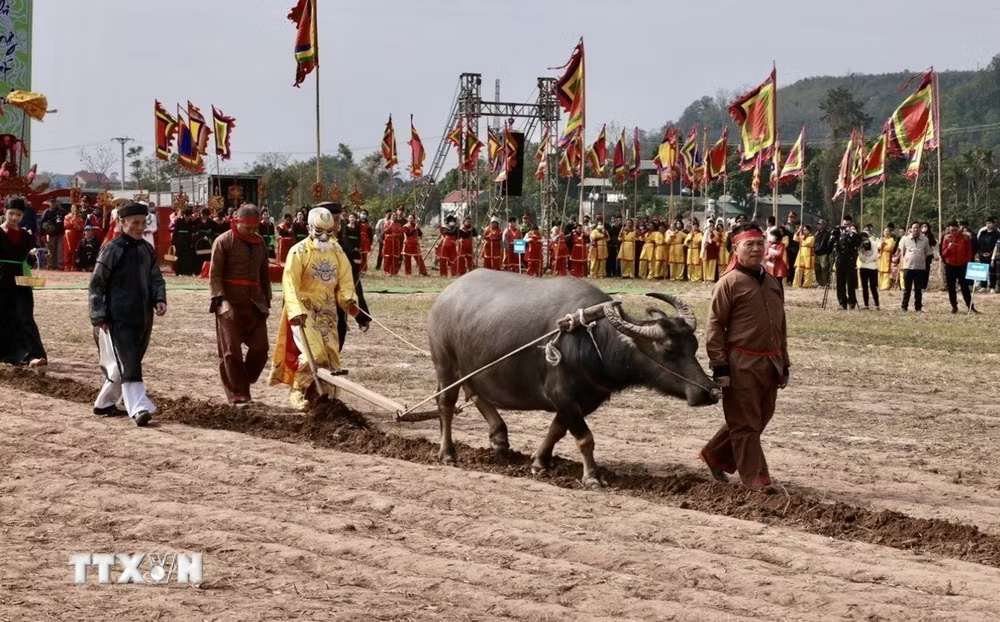
Cultural experts believe that the rich treasure trove of Vietnamese folklore is a huge "resource," likened to a "gold mine" for us to exploit and develop the cultural industry. However, the important thing is how to exploit it in a way that creates economic value while preserving cultural identity and depth.
Professor and Doctor Le Hong Ly argues that, in the context of Vietnam not yet having developed strong cultural industry brands like Hollywood in the United States or the K-pop wave in South Korea, folk culture is a crucial resource for creating a unique identity and competitiveness for Vietnam's cultural industry.
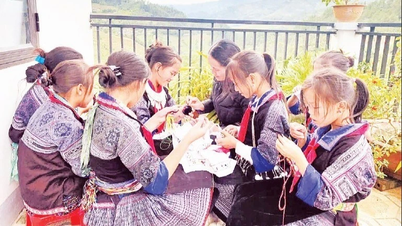
Vietnam's greatest advantage lies in the cultural diversity of its 54 ethnic groups. This is an incredibly rich "living archive" that few countries possess. This diversity provides endless inspiration for music, film, tourism, performing arts, festivals, and contemporary creative products.
In fact, many successful young artists today know how to utilize folk elements in their artistic creations and have achieved great success.
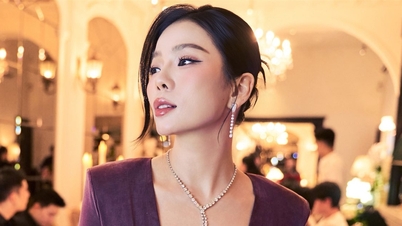
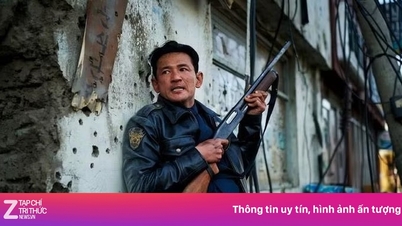
Examples include artist Hoa Minzy with her song and music video "Bac Bling"; Duc Phuc, the winner of the 2025 Intervision Song Contest, with his song "Phu Dong Thien Vuong," a blend of folk music and rap; and artist Soobin Hoang Son with his work "Muc Ha Vo Nhan"... these artistic works that explore folk culture elements not only bring appeal to creative products but also contribute to preserving and promoting traditional cultural values in contemporary life.
The recent success of young artists in combining folk music with electronic music, rap, or modern stage performances demonstrates the renewed vitality of traditional materials in the entertainment industry, as well as the unlimited potential of folk art for the development of the cultural industry and the promotion of traditional cultural values in contemporary art.
Driving force for sustainable development
Many researchers have pointed out that Vietnamese folklore is considered a huge "resource pool" for the development of the cultural industry.
Traditional elements, when modernized with contemporary thinking, have created a strong appeal to the public, especially young people. This proves that folk culture is not a "dormant heritage," but can become an economic driving force if invested in the right way.
However, how to exploit these resources in a way that creates economic value while preserving cultural identity and depth is also a concern that the community is paying attention to.
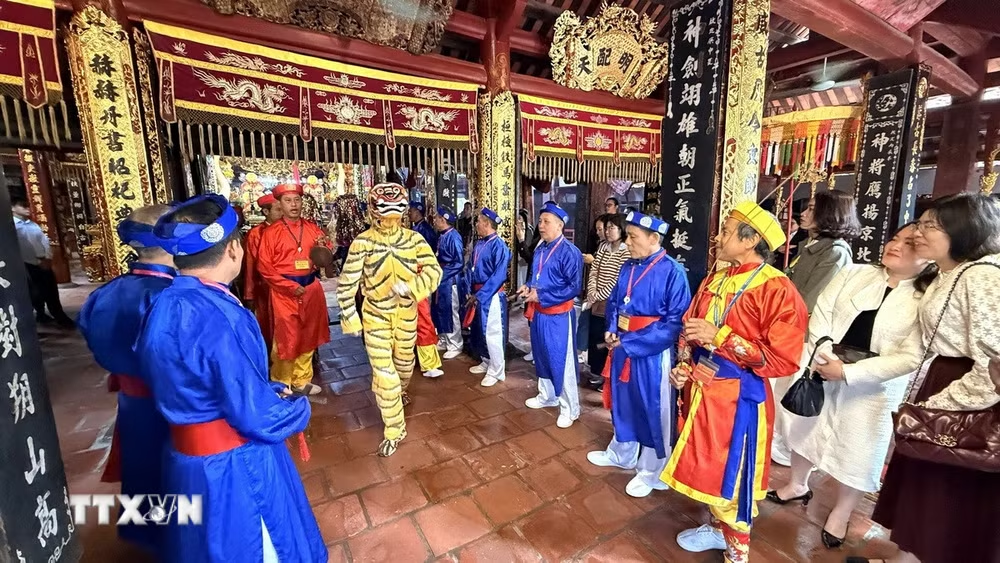
Resolution 80-NQ/TW of the Politburo on the development of Vietnamese culture clearly recognized this when it affirmed that culture must permeate all aspects of social life; cultural values must become the soft power of the nation.
Many experts believe this is not just a theoretical viewpoint but also a strategic direction for Vietnam's development in the context of increasingly fierce global competition.
Because in today's era, competition between nations is not only about economics or technology, but also about the ability to create cultural appeal. The nation that knows how to effectively exploit its cultural resources will create a sustainable advantage.
One of the key points of Resolution 80 is the requirement to fully identify and effectively utilize cultural resources; placing cultural heritage at the center and digital cultural resources as a strength, aiming at the preservation, promotion, and sustainable development of cultural values... This shows that folk culture is being recognized as a genuine resource for development.
While heritage was previously viewed primarily from a preservation perspective, it must now also become a creative resource and a source of raw materials for the cultural industry.
In reality, many cultural industries that Vietnam has identified for development are directly linked to folk culture, such as cultural tourism, performing arts, handicrafts, fashion, design, film, advertising, and cuisine. Accordingly, each form of folk culture can become material for creating new cultural products.
The rich source of folk tales can become material for film, animation, video games, theater, and digital media. Legends about Saint Gióng, Sơn Tinh-Thủy Tinh, Chử Đồng Tử, or the epics of the Central Highlands... can all be transformed into captivating cultural stories, just as many countries have successfully done with their folk myths and legends.
However, experts believe that to promote folk culture further, it must be combined with modern technology and creative thinking. Furthermore, we need to proactively introduce our culture to the world through films, performances, and innovative tourism products.
Currently, the fact that many businesses are exploiting the value of local culture in tourism development in Phu Quoc, Tay Ninh, or Sa Pa... shows that when "elevated" through new storytelling, new technologies, and new forms of expression, folk culture can completely become a soft power and a sustainable development resource.
Many cultural experts consider Resolution 80 as a driving force, a "tonic" for the growth of folk culture in contributing to the cultural and economic development of the nation.
The story of promoting folk culture goes beyond simply "preserving" it; it's about "awakening" traditional values to integrate them into modern life, creating cultural products that are competitive, economically valuable, and capable of spreading the image of Vietnam to the world.
Source: https://www.vietnamplus.vn/van-hoa-dan-gian-mo-vang-cho-phat-trien-cong-nghiep-van-hoa-post1111042.vnp

![[Image] Close-up view of the interchange connecting the two expressways and Long Thanh Airport.](https://vphoto.vietnam.vn/thumb/1200x675/vietnam/resource/IMAGE/2026/05/25/1779703378210_ndo_br_z7863716673926-224453a31600126cce10622af6290afd-4549-jpg.webp)
![[Image] Hanoi's urban life under the challenge of a "scorching hot" environment](https://vphoto.vietnam.vn/thumb/1200x675/vietnam/resource/IMAGE/2026/05/25/1779706979265_nang-nong-t5-2026-minh-duy-7-4636-jpg.webp)









































































Comment (0)