

Culture is an intrinsic strength and a driving force for national development.

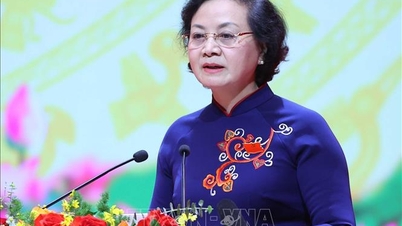
In her comments on the draft Political Report to be presented at the 14th National Congress of the Party, Ms. Tran Thi Hoang Mai, Director of the Department of Culture, Sports and Tourism of Hai Phong, emphasized that the current focus should be on the strong development of Vietnamese culture and people, linked to building national cultural capacity in the era of integration and digital transformation.
According to Ms. Mai, the draft clearly demonstrates the view that culture is the spiritual foundation of society, an intrinsic strength, and a driving force for national development. However, in the new context, it is necessary to broaden the vision of "national cultural capacity," that is, the ability of each locality, sector, and community in creating, managing, and disseminating cultural values. Vietnam should not only preserve heritage but also proactively produce, create, and export cultural products, and participate more deeply in the global cultural flow. She suggested that the Central Government should soon develop a national cultural capacity development strategy for the period 2025-2045, focusing on digital transformation in the cultural sector, building a database of heritage, art, artisans, and establishing regional cultural innovation centers.
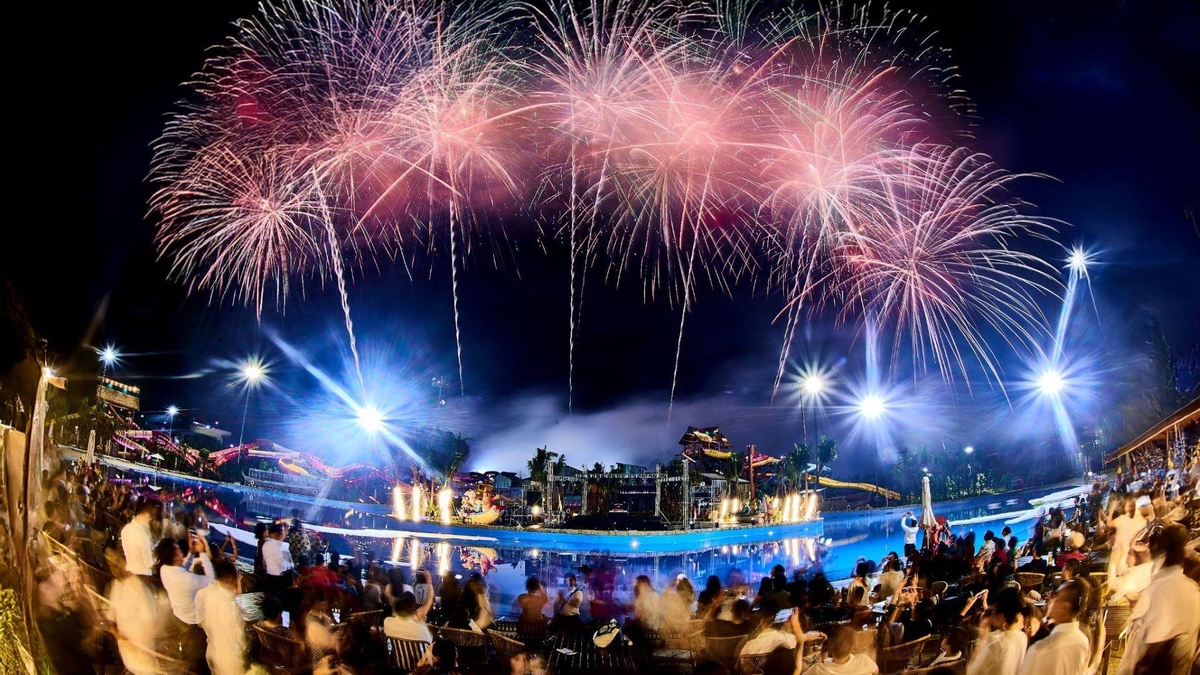
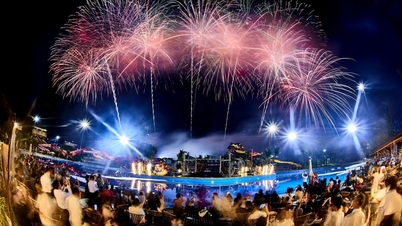
Another important point suggested by the Director of the Department of Culture, Sports and Tourism of Hai Phong is the need to make cultural industry and cultural tourism a key economic sector of the country. Hai Phong, along with many other localities, is demonstrating the strong development potential of this field if properly guided and invested in. Accordingly, the draft needs to clarify specific policy mechanisms to promote the cultural industry, build a creative ecosystem associated with public spaces, urban areas, and seaports; and encourage businesses to invest in the production of cultural and artistic products, design, electronic games, and souvenirs. "Vietnam can become a 'nation of events - a city of festivals,' using culture as a highlight to promote the national brand in the era of deep integration," Ms. Mai emphasized.
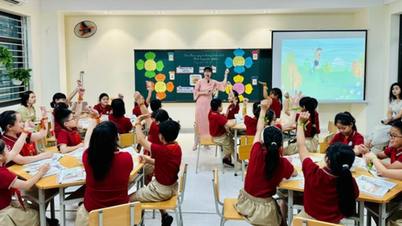
Ms. Mai also suggested that the draft needs to be more specific in its orientation towards building the Vietnamese people of the new era, with core qualities such as courage, creativity, responsibility, integration, and humanism. According to her, building human character must begin with cultural education in schools, workplaces, communities, and even online spaces, contributing to the formation of a civilized lifestyle, respect for the law, preservation of the Vietnamese language, and national identity.
Based on the experience of Hai Phong, the Director of the Department of Culture, Sports and Tourism of Hai Phong believes that cultural development needs to be closely linked with sports and spiritual life at the grassroots level. Mass sports and community cultural movements are powerful forces spreading solidarity and improving the quality of life for urban and rural residents. Therefore, the Draft Political Report needs to emphasize the goal of developing culture, sports, and tourism in a comprehensive manner, building a healthy grassroots cultural environment, and linking it with the "All People Unite to Build a Culturally Rich Life" movement.
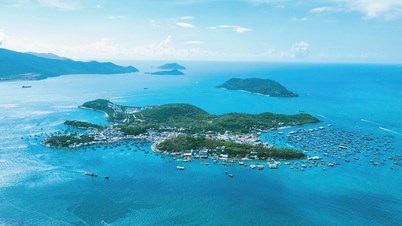
One governance issue that Ms. Tran Thi Hoang Mai further emphasized is empowering localities to take the initiative in cultural development. According to her, each locality has its own unique characteristics, therefore a reasonable decentralization and delegation mechanism is needed, creating conditions for piloting socialized models and public-private partnerships in heritage preservation, festival organization, and the construction of cultural institutions. In addition, there should be policies prioritizing resources for remote areas, islands, and other places where people have limited access to and enjoyment of culture.
Developing comprehensive education, building the Vietnamese people of the new era.
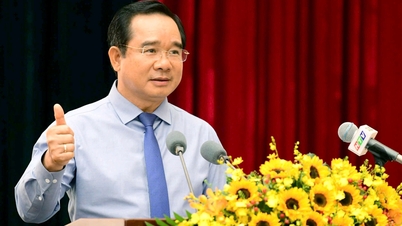
In his comments on the Draft Political Report to the 14th National Congress of the Party, Associate Professor, Dr. Bui Xuan Hai, Rector of Hai Phong University, stated that the content on education and human development in Vietnam is a crucial pillar that needs to be clarified further, both in terms of vision, goals, and specific solutions to meet the requirements of the new era, the era of digital transformation, knowledge economy, and deep international integration.
According to Mr. Hai, the draft clearly reflects the Party's consistent viewpoint that "human development is both the goal and the driving force of the reform process." However, to concretize that spirit, it is necessary to clearly define the model of the Vietnamese person in the new era, which is a person with knowledge, digital skills, cultural identity, creative capacity, and a sense of social responsibility. Education and training should not only stop at "transmitting knowledge," but must shift strongly towards "cultivating capabilities" and "developing personality," so that each Vietnamese person becomes a global citizen while still retaining a strong national identity.
Mr. Hai emphasized that Vietnam is facing a great opportunity in the fourth industrial revolution and digital transformation. In this context, education must take a step ahead, creating a foundation of knowledge and creative capacity for national development. The draft needs to clarify the role of universities in the innovation ecosystem, connecting research, businesses, and society. He proposed a national policy on the development of research universities, supporting key universities to invest in science, technology, artificial intelligence, digital transformation, and innovation, in order to form a high-quality workforce to serve the country's industrialization and modernization process.
Based on his management experience at Hai Phong University, Mr. Hai believes that education today needs not only innovation in content and methods but also in management thinking. He emphasized: "If we do not grant genuine autonomy to higher education institutions, it will be difficult to build an innovative and effective education system." Therefore, he suggested that the draft policy should further specify university autonomy linked to accountability, encourage modern governance models, and apply digital technology in the management, evaluation, and publication of educational quality.
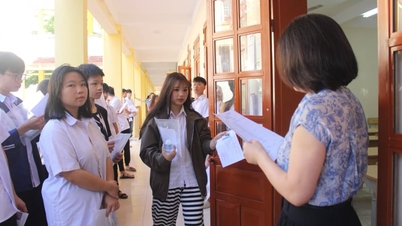
One of the key points mentioned by Mr. Bui Xuan Hai is the need to make moral education, character development, and life skills education the foundation throughout the entire education system. He argued that, in the context of a digital society, online culture, and changing values, if education focuses only on vocational skills while neglecting human qualities, the country will lack the moral foundation for sustainable development. Therefore, he proposed adding specific guidelines to the draft on building a humane educational environment that emphasizes honesty, creativity, respect for discipline, and a spirit of dedication.
In addition, Mr. Hai also suggested that the Party and the State should have policies to improve the status, working conditions, and living standards of teachers, the force directly responsible for realizing human development goals. "There cannot be a high-quality education system if we do not ensure the living standards, honor, and environment for teachers and lecturers to contribute," he affirmed. Building a mechanism for rewarding, honoring, and developing the teaching staff should be considered a political task in the coming period.
Mr. Bui Xuan Hai further shared the importance of building a learning society and lifelong learning. According to him, people in the new era not only learn in school but also learn throughout their lives, in their work, in the community, and in the digital space. Therefore, it is necessary to improve the open educational resources system and the national digital platform to serve learning, while encouraging the models of "community universities" and "digital learning centers" in localities, helping people access new knowledge and skills in the context of digital transformation.
"Developing people is developing the country. When every Vietnamese citizen is educated, their potential is unleashed, their aspirations and compassion are nurtured, that is the greatest strength to realize the aspiration of a strong, prosperous, and civilized Vietnam," affirmed Associate Professor, Dr. Bui Xuan Hai.
Source: https://baotintuc.vn/thoi-su/van-hoa-la-hon-cot-giao-duc-la-then-chot-cua-phat-trien-20251111150830520.htm
















![[Photo] Reception to welcome General Secretary and President To Lam and his wife on their State visit to the Philippines](https://vphoto.vietnam.vn/thumb/1200x675/vietnam/resource/IMAGE/2026/06/01/1780295488620_vna-potal-chieu-dai-chao-mung-tong-bi-thu-chu-tich-nuoc-to-lam-va-phu-nhan-tham-cap-nha-nuoc-toi-philippines-8798060-7855-jpg.webp)













































Comment (0)