

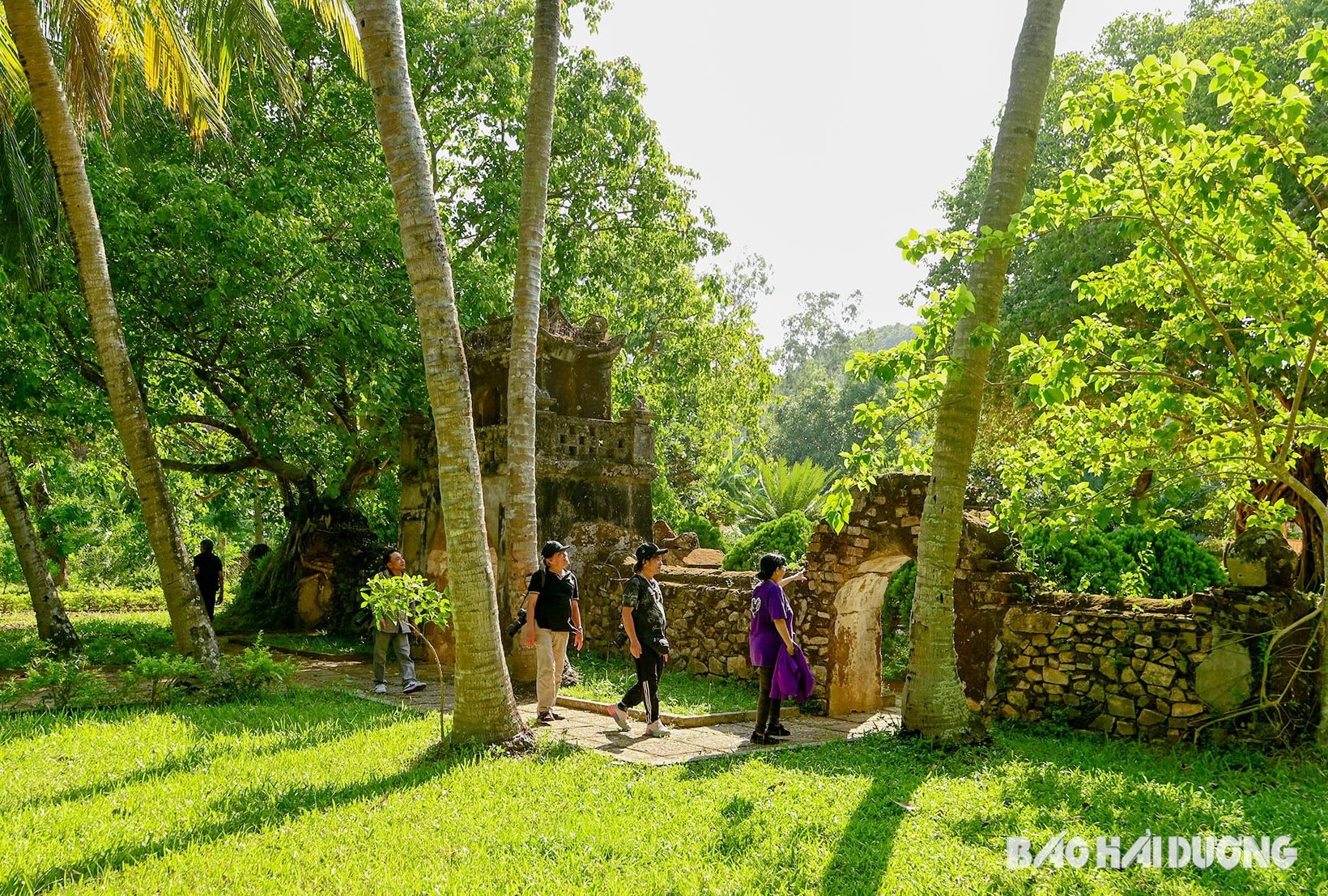
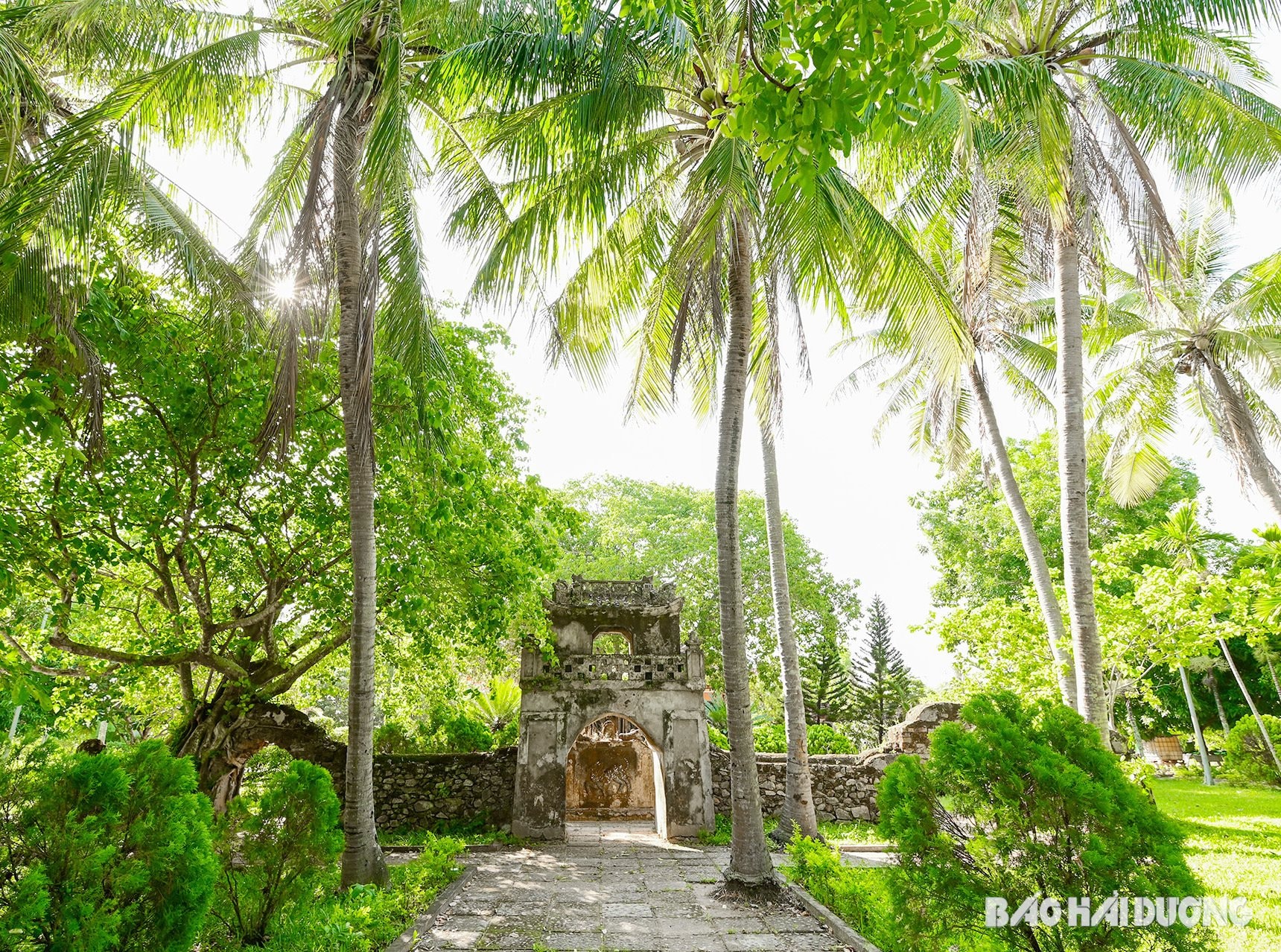
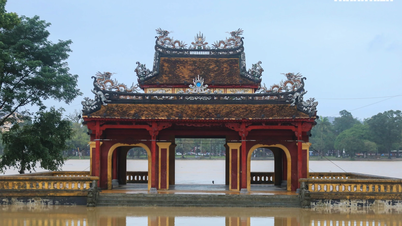
In front of the temple lies the picturesque Ben Loi River, and behind it is Cam Mountain. With its beautiful landscape and tranquil atmosphere, combined with the ancient architecture that remains, the temple stands solemnly, its three-arched gate covered in moss, reflecting the passage of time.
The temple is located about 9 km from Tuy Hoa City. This is a tourist destination in Phu Yen province that has been attracting many visitors from all over the country to visit, worship, and make pilgrimages, especially students who love history.
According to historical records, Luong Van Chanh was a military officer who contributed to the expansion, reclamation, and development of Phu Yen province during the Le Trung Hung period. During the Nguyen dynasty, he was highly favored by the Nguyen lords. He received a decree in 1597 from Lord Nguyen Hoang to reclaim land in the Cu Mong and Ca Pass areas of Phu Yen. He opened up land, established settlements, and applied his land reclamation experience to Phu Yen. Together with the local people, he reclaimed vast areas of land, making the region prosperous and forming villages. This also laid the foundation for the Nguyen lords to establish Phu Yen province in 1611.
In 1689, during the reign of Lord Nguyen Phuoc Thai, General Luong Van Chanh was bestowed the title "Former Border Guard, Tham Tuong, Pho Quan Cong, Luong Quy Phu, Bao Quoc Chi Than". He passed away in the same year. Due to his great contributions and achievements, the people erected a temple in his honor, venerating him as the village's guardian deity.
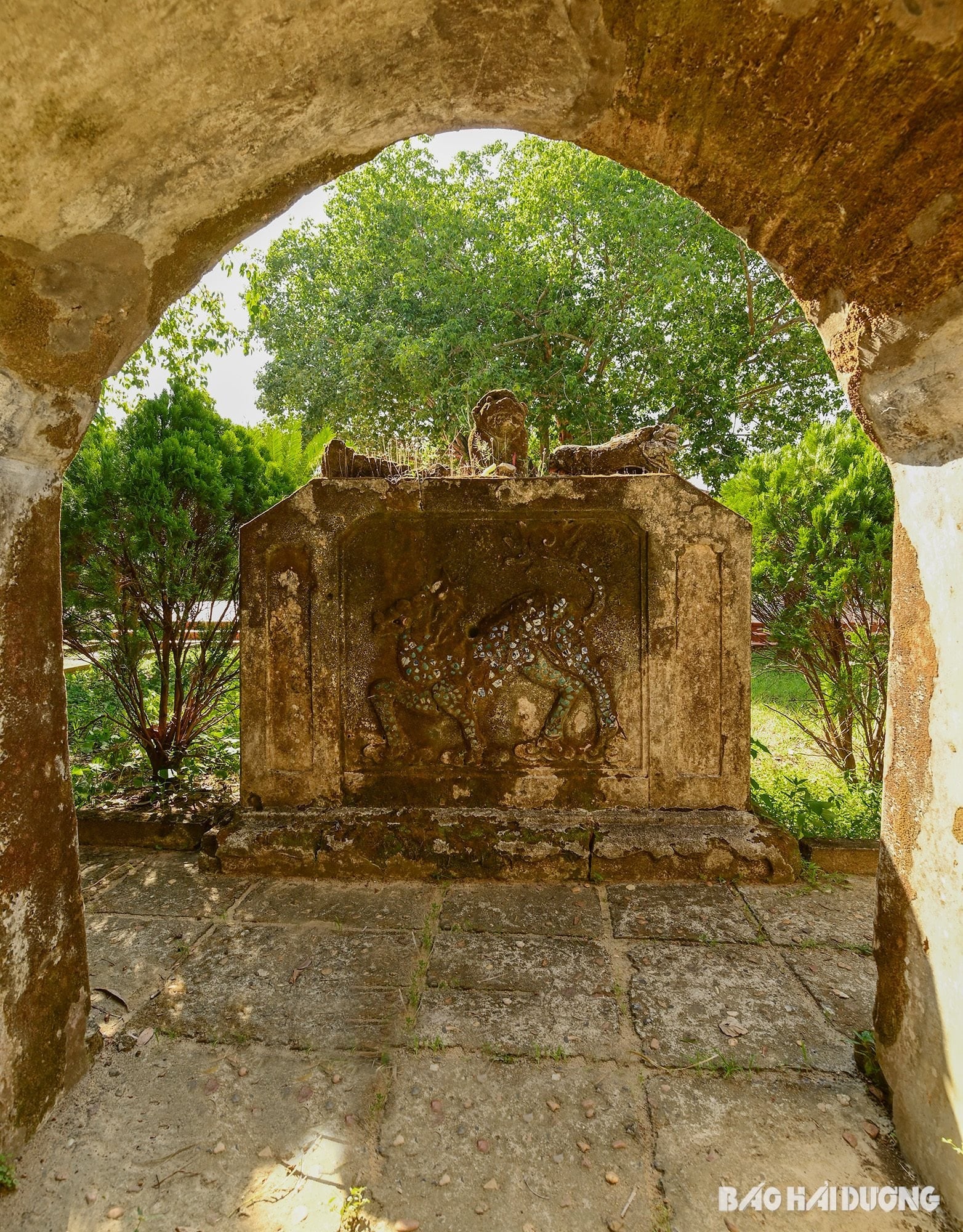
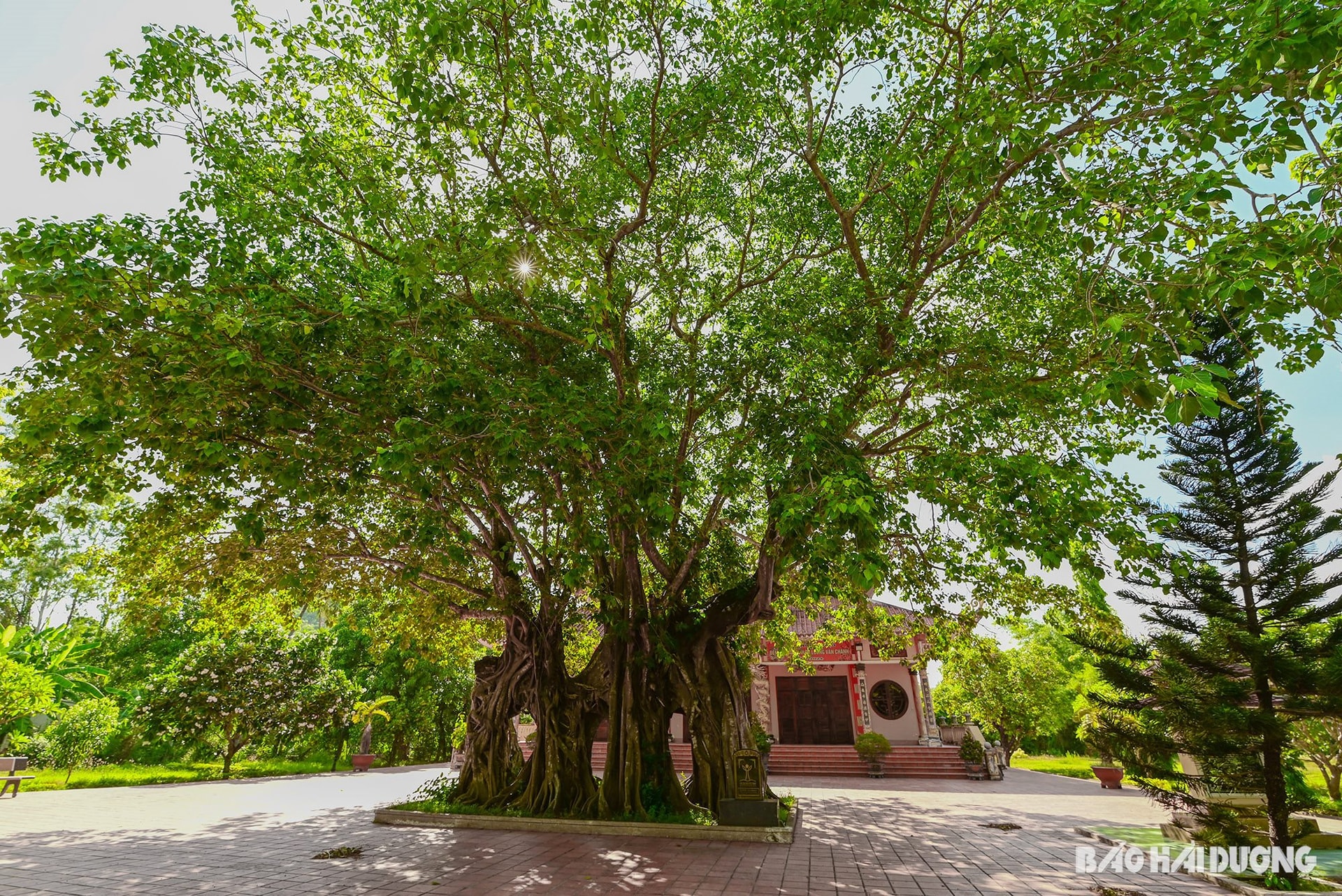
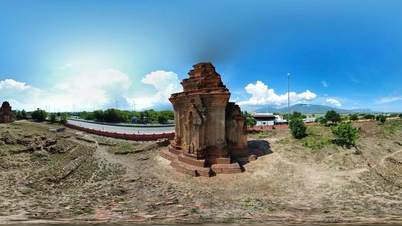
Due to the ravages of time and war, the temple and its artifacts have been severely damaged and deteriorated. The remaining traces include the triple gate, stone table, screen, and some sections of the fence… In the temple courtyard stands a large, ancient Bodhi tree, hundreds of years old, recognized as a heritage tree… The remaining structures have been almost entirely restored since 2009.
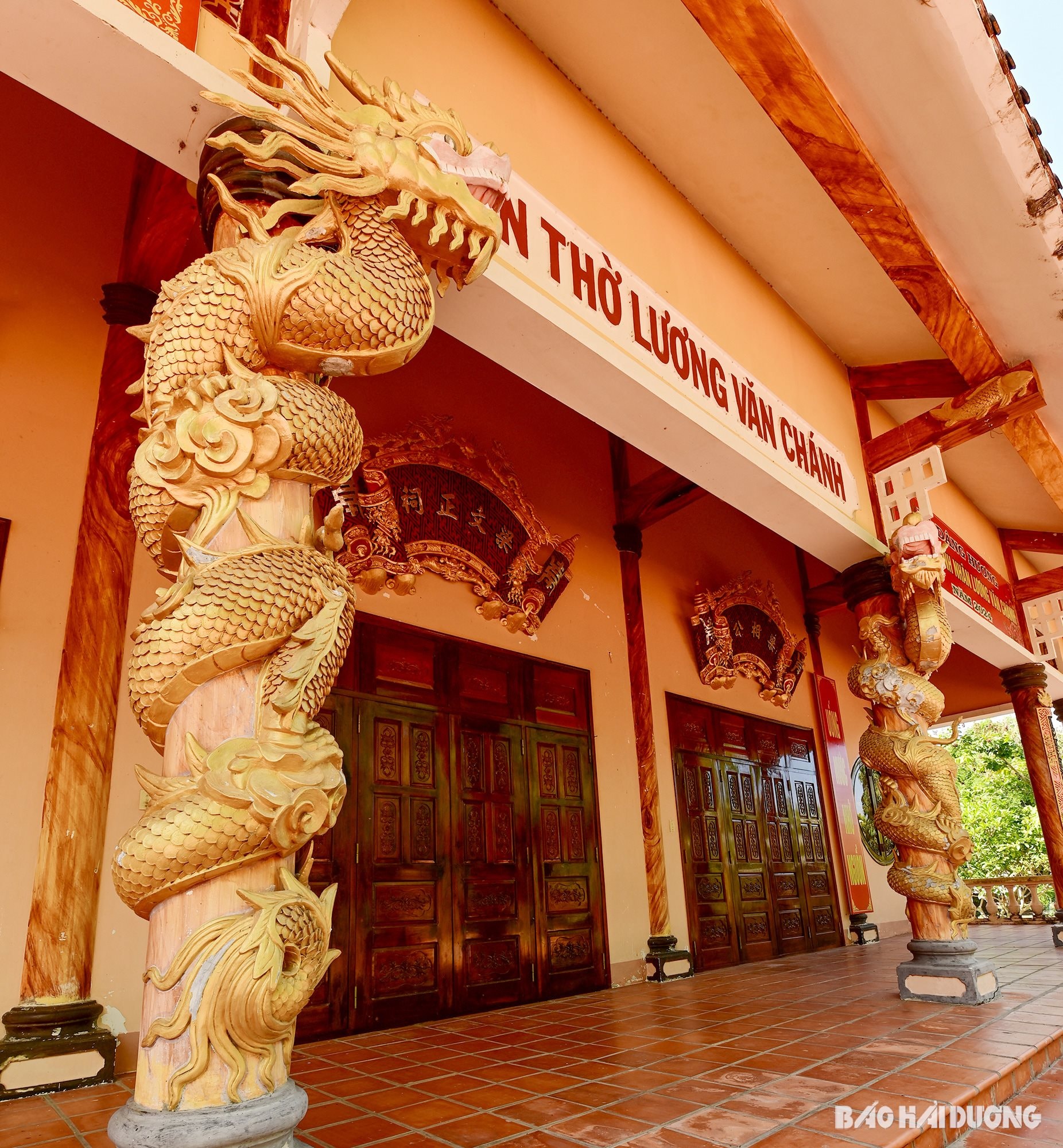
In 2009, the People's Committee of Phu Yen province implemented the Project to Restore and Expand the National Historical and Cultural Relic of Luong Van Chanh's Tomb and Temple, constructing a new temple, expanding and upgrading the site, building a fence, and planting trees at the relic.
In 2014, with funding from social contributions, the historical site underwent renovations to the shrine, interior decoration, and the casting of a bronze statue of Luong Van Chanh in a seated position, holding a royal decree, with a height of 1.7 meters.
In 2018, Phu Hoa district continued to implement the Project to Expand and Renovate the National Historical Monument of Luong Van Chanh's Tomb and Temple, with many items within the temple grounds… Thanks to the efforts of the government and people of Phu Yen province, the temple has been invested in and renovated to be spacious and worthy of the contributions and name of the renowned figure Luong Van Chanh, the pioneer who opened up the land for today, and at the same time created an attractive destination for tourists when visiting Phu Yen.
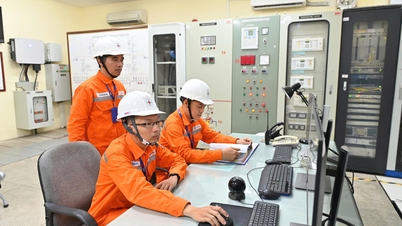
In Phu Yen, besides the Luong Van Chanh temple, you can also visit Nhan Tower - one of the typical scenic spots of Tuy Hoa City left behind by the Champa people, built in the 12th century; visit the solar power plant known as the largest solar power plant in Phu Yen province; visit the Dong Cam hydroelectric power plant, designed in 1917 by a French architect...
Source: https://baohaiduong.vn/ve-phu-yen-tham-den-tho-luong-van-chanh-399609.html

![[Photo] The heat at the fireworks display site on the opening night of the Da Nang International Fireworks Festival 2026](https://vphoto.vietnam.vn/thumb/1200x675/vietnam/resource/IMAGE/2026/05/27/1779889741485_ndo_br_z7872039145157-fecaba5112f39e8352544099d7ef4738-5140-jpg.webp)
![[Photo] The courage of new recruits of Brigade 144 on the training ground.](https://vphoto.vietnam.vn/thumb/1200x675/vietnam/resource/IMAGE/2026/05/27/1779881651341_anh-man-hinh-2026-05-27-luc-18-32-52.png)




































![[Photo] The courage of new recruits of Brigade 144 on the training ground.](https://vphoto.vietnam.vn/thumb/402x226/vietnam/resource/IMAGE/2026/05/27/1779881651341_anh-man-hinh-2026-05-27-luc-18-32-52.png)





















Comment (0)