

'Skipping breakfast can have many health impacts, including blood pressure.' Start your day with health news to read more in this article!
Start your day with health news ; you can also check out these other articles: Things to do when you have high blood pressure; Tips to help people with diabetes avoid blood sugar spikes ; Doctors advise people with high cholesterol levels to enjoy the Lunar New Year without worry...
The unexpected impact of skipping breakfast on blood pressure.
Many people who want to lose weight adopt calorie deficit diets and often skip breakfast. Additionally, some people have a habit of not eating breakfast at all. Skipping breakfast can have many health consequences, including blood pressure.
Breakfast is important because it's the first meal of the day, providing energy to the body after a long night's sleep. Breakfast helps fuel brain and muscle activity, especially for those who need to be alert in the morning.
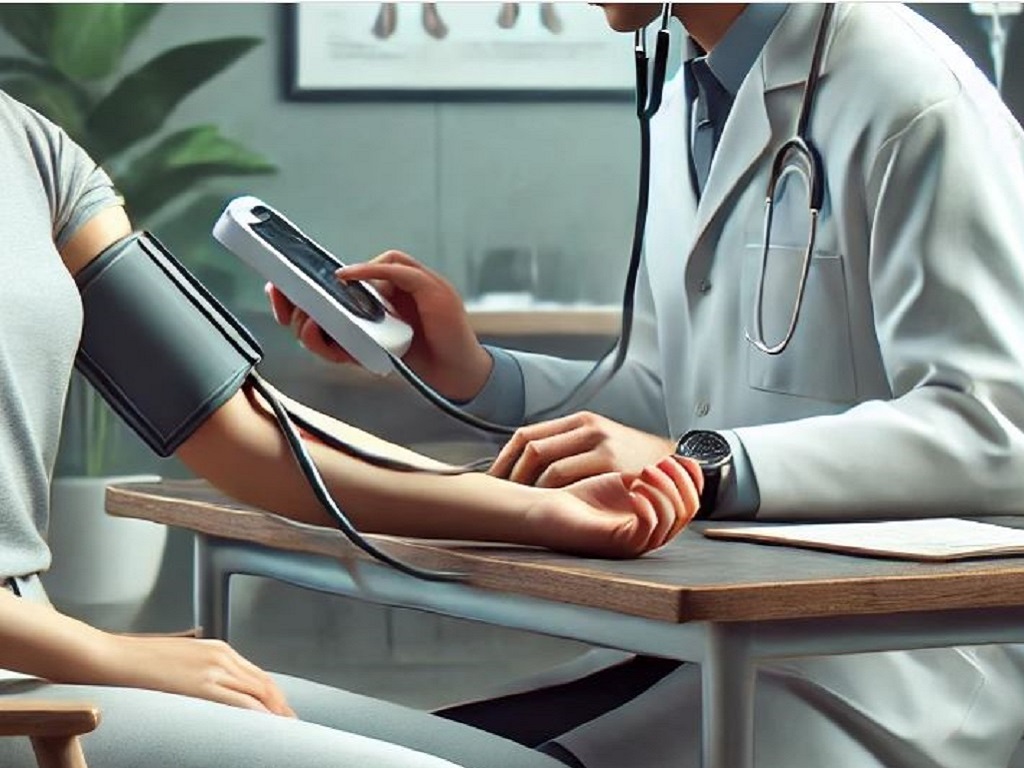
Skipping breakfast can contribute to increased blood pressure.
A study published in the International Journal of Hypertension showed that skipping breakfast can increase blood pressure by 20%. This is evidence that skipping breakfast may lead to cardiovascular problems.
There are several theories to explain this phenomenon. The first is that skipping breakfast can increase feelings of hunger throughout the day, thereby stimulating cravings and leading to overeating. This, in turn, causes weight gain. Weight gain is a risk factor for high blood pressure .
Furthermore, those who skip breakfast often have unhealthy habits such as poor diet, lack of exercise, or sleep problems. Skipping breakfast is also associated with increased inflammation in the body. This condition also contributes to increased blood pressure. The rest of this article will be available on the health page on February 2nd.
Tips to help people with diabetes avoid blood sugar spikes.
Tet is a time for family and festivities. So how do you manage your diabetes during Tet when food temptations are everywhere?
Here are some helpful tips from experts for people with diabetes to enjoy the Lunar New Year without worrying about their blood sugar levels.
Experts from the U.S. Centers for Disease Control and Prevention (CDC) recommend making a plan:

Don't forget to check your blood sugar levels, even during the Lunar New Year holiday.
Eat close to your usual meal times to keep your blood sugar stable. Have a small snack at your usual meal times if needed, and eat a little less at parties with others.
When attending a party, consider bringing a healthy snack. Plan ahead regarding carbohydrates. For example, if you're going to eat something sweet, cut back on other carbohydrates.
Don't skip meals before a party. When you're too hungry, you might overeat.
Avoid or limit alcohol. Alcoholic beverages can raise or lower blood sugar levels. The effects can appear after several hours.
Dr. Cecilia Low Wang, a professor of medicine at the University of Colorado School of Medicine (USA), advises checking blood sugar before, during, and for several hours after drinking – and letting those around you know you have diabetes. This way, if you experience any unusual symptoms, it may not be due to alcohol, but could be hypoglycemia.
Don't forget to check your blood sugar levels, even during the Lunar New Year holiday. The rest of this article will be available on the health page on February 2nd.
Things to do when you have high blood pressure or high blood sugar.
To protect your health during the Lunar New Year holiday, especially for those with cardiovascular and metabolic diseases, you can refer to the following methods and tips for coping with symptoms.
According to Dr. Nguyen Thi Diem Huong, Specialist Level 2, University of Medicine and Pharmacy Hospital, Ho Chi Minh City - Branch 3, some illnesses are likely to worsen during and after Tet (Lunar New Year) due to disrupted lifestyles and nutrition, specifically:
Hyperglycemia. Symptoms of hyperglycemia include increased hunger, thirst, frequent nighttime urination, and fatigue; these may be accompanied by blurred vision, numbness and tingling in the limbs, restlessness, shortness of breath, and palpitations.
Treatment: Drink plenty of water to help flush out excess blood sugar through urine. This method should not be used for patients with kidney or heart failure.
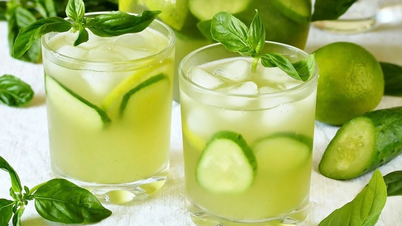
Drink an additional cup of green tea (you can add 2-3 slices of ginger) each day.
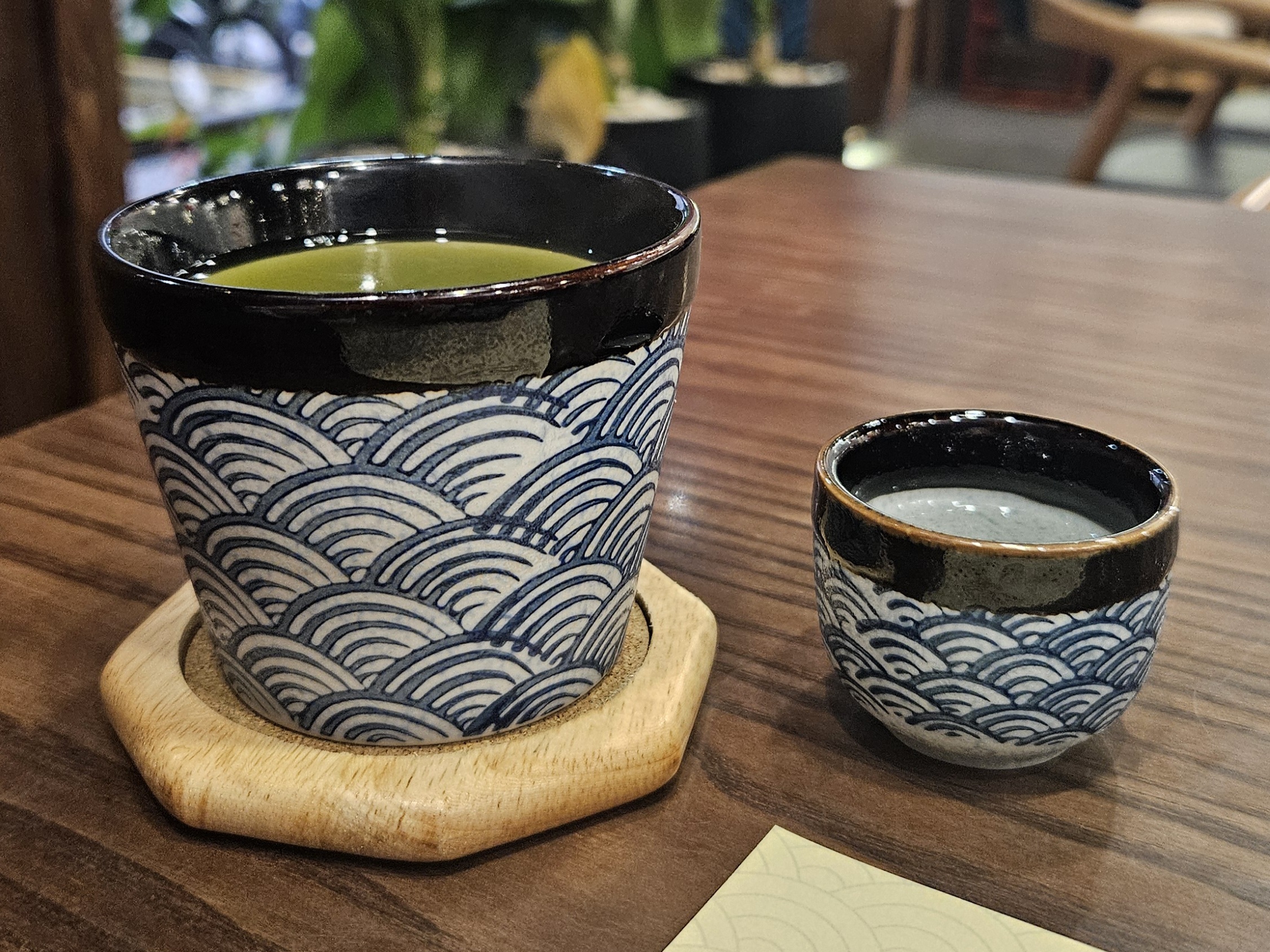
Drink an extra cup of green tea (you can add 2-3 slices of ginger) each day.
Walking for 30-60 minutes can help boost glucose burning.
Adjust your diet and monitor your blood sugar at home, and seek medical attention promptly if your condition is not controlled or shows signs of increasing.
Hypertension. If systolic blood pressure is above 140 mmHg but below 160 mmHg: Patients can monitor their condition at home, limit movement, and focus on rest. They should continue taking their prescribed blood pressure medication daily. Limit salt intake, avoid smoking, and minimize anxiety to stabilize blood pressure. If the condition remains abnormal, seek medical attention promptly so the doctor can adjust the medication accordingly.
If systolic blood pressure is above 160 mmHg: Patients should use available at-home blood pressure medication as previously advised by their doctor. During this time, patients need to rest and monitor their blood pressure. If blood pressure remains high or there is no immediate blood pressure control medication, the patient should be taken to the hospital as soon as possible. Start your day with health news to read more in this article!
Source: https://thanhnien.vn/ngay-moi-voi-tin-tuc-suc-khoe-vi-sao-bo-bua-sang-khien-huyet-ap-tang-185250201223101538.htm

















![[Video] Sunset at Lap An Lagoon – Where the sun sets over the fishing nets](https://vphoto.vietnam.vn/thumb/340x192/vietnam/resource/IMAGE/2026/05/31/1780192137701_beach-landscape-sea-water-nature-grass-745871-pxhere-com.jpeg)



![[Image] A brilliant symphony and explosive power in the skies of Da Nang.](https://vphoto.vietnam.vn/thumb/1200x675/vietnam/resource/IMAGE/2026/05/31/1780196945787_anh-man-hinh-2026-05-31-luc-10-08-51.png)

























































Comment (0)