

 |
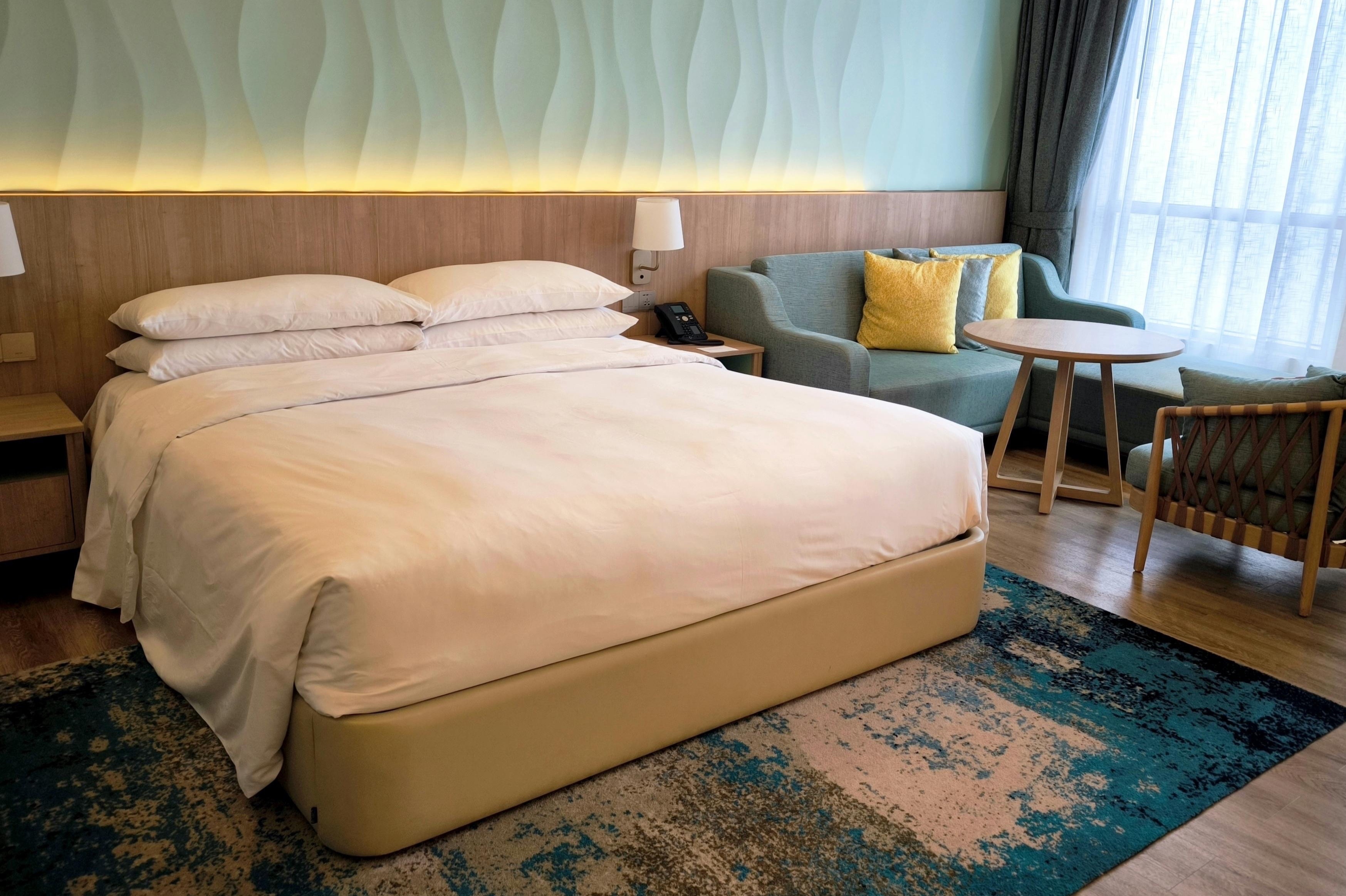
Inside a standard hotel room, bedsheets and blankets are often stuffed tightly under the mattress. Photo: Phat Ho/Pexels. |
After a long journey, many travelers enjoy the feeling of lying on a neatly made hotel bed with smooth, wrinkle-free sheets and blankets. However, many travelers have wondered why sheets and blankets are often stuffed so tightly under the mattress that it takes some effort to pull them out, leaving them to spend a few minutes "freeing" their legs before they can comfortably lie down.
According to hospitality industry experts and those interviewed by Reader's Digest , this method of making beds is actually the result of years of maintained hygiene and operational standards aimed at providing specific benefits, rather than intentionally making things difficult for guests.
In terms of origin, this method of making beds has a history spanning over a century and was initially completely unrelated to the hotel industry. The tight folding of bed sheets, often called "hospital corners," originated in the 19th century in medical facilities. At that time, fitted sheets had not yet been invented. To ensure hygiene and prevent the sheets from shifting or getting caught on medical equipment, hospital staff had to fold and secure the sheets tightly under the mattress.
Not long after, the army adopted a similar method. Beds in the barracks were required to be perfectly flat, both to demonstrate discipline and to test soldiers' ability to obey orders.
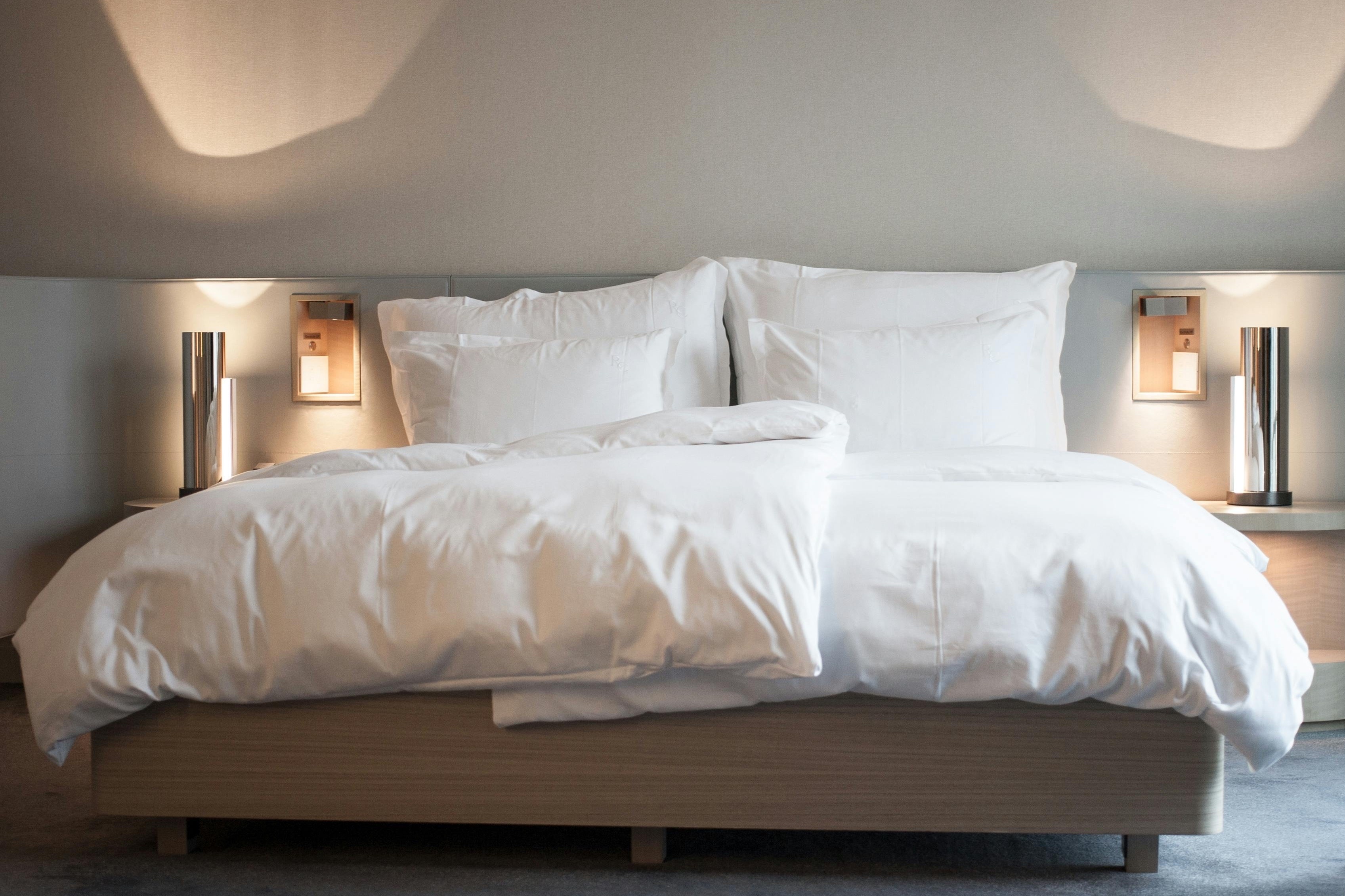 |
The "perfect" hotel bed features a white duvet, white sheets, and a meticulously made bed. (Illustrative image: Claudia Schmalz/Pexels) |
With the hotel industry boom following World War II, particularly in the 1960s, major hotel chains began establishing standardized hygiene and service standards. According to hotel industry researcher Alec Dalton, adopting the "hospital corners" folding technique helped hotels project an image of cleanliness, orderliness, and professionalism. A neatly folded, wrinkle-free bed became a symbol of quality service.
This standard was further reinforced in the late 1990s when upscale hotels promoted the image of the "perfect bed," with white sheets, white blankets, and meticulously made-up beds.
To elaborate further on the technical aspects, experts explain that tucking sheets and blankets tightly under the mattress offers numerous benefits, both aesthetically and operationally. First, the sheets and blankets are stretched taut and securely fixed, keeping the bed flat and free from wrinkles or shifting. This is a common standard in the hotel industry, aiming to create an impression of cleanliness, luxury, and sophistication from the moment guests enter the room, rather than a bed with loosely draped sheets and blankets.
Additionally, tucking in the sheets tightly helps minimize wrinkles and gaps that can trap dirt, ensuring maximum hygiene for the room and creating a consistent sense of service standards.
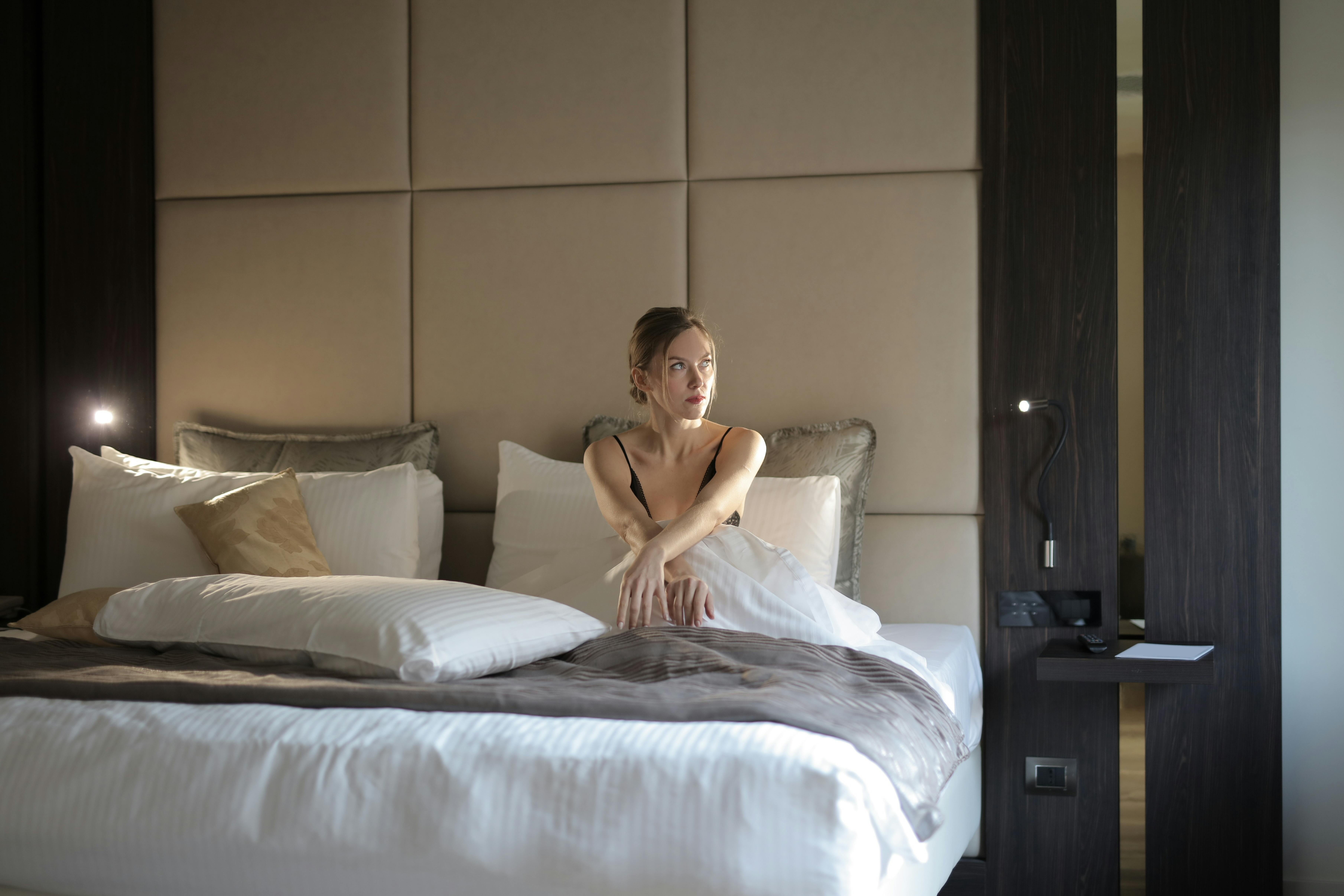 |
Some travelers feel "tightly wrapped up" in their hotel blankets. (Illustrative image: Andrea Piacquadio/Pexels) |
Besides aesthetics, this technique also optimizes usability for both customers and accommodation providers. According to hotel linen suppliers, well-secured bed sheets are less likely to wrinkle, curl up, or come loose from the mattress after a night's use, thus minimizing the problem of blankets shifting during sleep.
While offering many benefits for management, the feeling of being "tightly wrapped up" elicits mixed reactions from guests. Some travelers find this sensation appealing, finding it similar to being wrapped in a weighted blanket, providing a feeling of being held close, secure, and more relaxing after a long journey.
Conversely, a hotel bed that's been completely covered is still the first nuisance travelers have to deal with after checking in. On travel forums, many people compare the feeling of crawling into a freshly made hotel bed to being "wrapped in a mummy." For them, the first "ritual" after checking in is to pull back the blankets tucked under the mattress to free their legs before going to sleep.
Source: https://znews.vn/vi-sao-chan-khach-san-nhet-chat-duoi-dem-post1655780.html

![[Photo] Secretary of the National Assembly Party Committee, Chairman of the National Assembly presides over the meeting of the Standing Committee and Executive Committee of the National Assembly Party Committee.](https://vphoto.vietnam.vn/thumb/1200x675/vietnam/resource/IMAGE/2026/06/03/1780480353201_ndo_br_bnd-2585-jpg.webp)
![[Photo] General Secretary and President To Lam presides over a meeting with the Central Organizing Committee.](https://vphoto.vietnam.vn/thumb/1200x675/vietnam/resource/IMAGE/2026/06/03/1780482764658_a1-bnd-4741-3342-jpg.webp)


















































![[Video] Sunset at Lap An Lagoon – Where the sun sets over the fishing nets](https://vphoto.vietnam.vn/thumb/1200x675/vietnam/resource/IMAGE/2026/05/31/1780192137701_beach-landscape-sea-water-nature-grass-745871-pxhere-com.jpeg)





























Comment (0)