


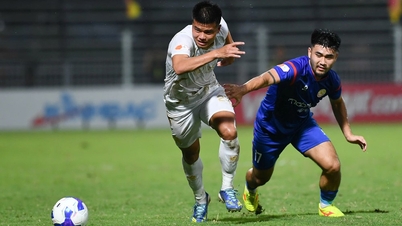
The moment Dinh Bac ate an apple went viral - Photo: SCREENSHOT
In an interview, coach Kim Sang Sik jokingly shared that Đình Bắc might have eaten the apple because he was feeling hungry.
And this is a broad topic in sports science – whether or not people should eat, and what they should eat, after high-intensity training/competition sessions.
The world of elite sports has long been familiar with the sight of famous athletes eating bananas during competitions. Therefore, Đình Bắc eating an apple surprised many people.
Dr. Julian Alvarez (Spain), a sports nutrition expert, provides an analysis of why athletes should eat apples after competition.
Immediately after a match, a player's body undergoes a series of physiological changes due to high-intensity exercise: glycogen reserves in the muscles are significantly reduced, water and electrolyte balances fluctuate, and the nervous system is stressed from the competition.
The principle of nutritional recovery in the first "recovery window" of 30-60 minutes after exercise is to replenish energy and water quickly, in an easily digestible way, and without irritating the stomach. This is when simple carbohydrates, light fiber, and natural water from fruits come into play.
Apples, with their composition of approximately 85% water and about 25g of carbohydrates, mostly natural sugars, provide essential nutrients to the body while also supporting hydration and stabilizing blood sugar levels, making them a suitable choice immediately after competition.
According to Dr. Alvarez, fruits in general help maintain energy, support digestion, and prevent prolonged fatigue, while apples specifically have a relatively low glycemic index, which helps distribute energy more evenly and avoids glycemic shock after strenuous activity.
Compared to other foods commonly mentioned in sports nutrition, apples have certain advantages in this context.
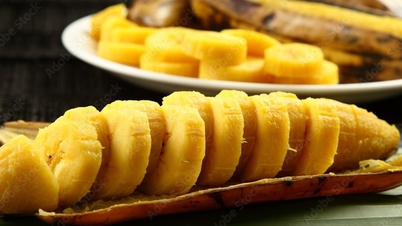
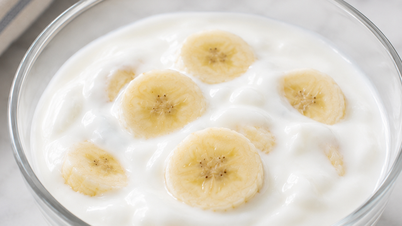
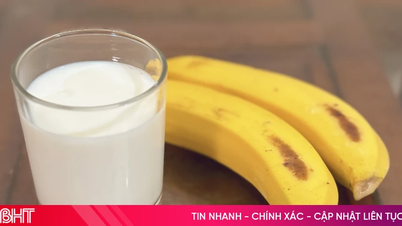
For example, bananas are often recommended for athletes after exercise because they provide potassium and fast-acting carbohydrates, which can help replenish electrolytes and support muscle recovery after training.
Bananas also contain many vitamins and antioxidants that are beneficial for reducing inflammation after exercise. However, bananas can cause more bloating if eaten immediately after competition and are usually recommended with protein or sports drinks rather than as the first choice after leaving the field.
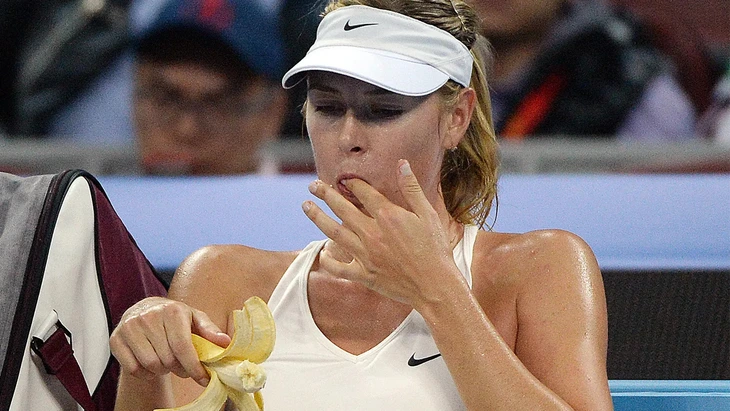
The world of elite sports is familiar with the sight of stars like Sharapova choosing to eat a banana during a match - Photo: DW
Meanwhile, refined carbohydrates from soft drinks or artificial energy bars may provide quick energy but carry the risk of increased inflammation and significant blood sugar fluctuations, which are not good for rapid recovery and can make the body more prone to fatigue if not combined with water and minerals.
Thus, apples have the advantage of providing "gentle energy" without causing digestive shock, while also adding a light amount of fiber that helps the digestive system function better after exercise.
Consuming sufficient carbohydrates from natural foods and water immediately after high-intensity activity helps speed up recovery, reduce fatigue, and stabilize bodily functions.
The natural carbohydrates in apples not only provide energy but also come with vitamins, minerals, and antioxidants, all of which are beneficial in reducing oxidative stress after competition.
Source: https://tuoitre.vn/vi-sao-dinh-bac-khong-an-chuoi-ma-chon-an-tao-20260112202703252.htm

![[Image] A brilliant symphony and explosive power in the skies of Da Nang.](https://vphoto.vietnam.vn/thumb/1200x675/vietnam/resource/IMAGE/2026/05/31/1780196945787_anh-man-hinh-2026-05-31-luc-10-08-51.png)












![[Video] Sunset at Lap An Lagoon – Where the sun sets over the fishing nets](https://vphoto.vietnam.vn/thumb/340x192/vietnam/resource/IMAGE/2026/05/31/1780192137701_beach-landscape-sea-water-nature-grass-745871-pxhere-com.jpeg)



























































Comment (0)