

Disrupted circadian rhythm - getting enough sleep doesn't necessarily mean getting the right amount of sleep.
One of the most subtle changes of summer is the disruption of the circadian rhythm due to longer daylight hours compared to other seasons. With longer days, the brain takes longer to process light signals and delays the release of melatonin—the hormone that signals the body it's time to rest. The result is later bedtimes.
Furthermore, the higher temperatures at summer nights often make it difficult to fall into a deep sleep, while nighttime is when the body recovers most effectively. When deep sleep is shortened, many people, even if they get enough sleep, still feel like they haven't truly "recharged," leading to persistent fatigue throughout the summer.

When deep sleep is shortened, the body has difficulty "recharging" its energy adequately.
Micronutrient deficiencies – the silent cause of summer fatigue.
At the biochemical level, energy comes not only from the amount of food consumed, but also from the ability to convert food into ATP (Adenosine Triphosphate - the main energy source for all cells in the body).
According to the NIH Office of Dietary Supplements, B vitamins act as coenzymes in energy metabolism, iron helps transport oxygen, and zinc supports hundreds of important enzymes. A deficiency in these micronutrients can lead to fatigue even after a full meal.
Sharing more details on this issue, Associate Professor Dr. Nguyen Tuan Dung - Former Head of the Department of Clinical Pharmacy, University of Medicine and Pharmacy of Ho Chi Minh City, said that in the summer, irregular eating habits, a lack of food variety, and the loss of micronutrients through sweat can easily lead to deficiencies in iron, magnesium, zinc, and some vitamins. This may be the reason why many people feel "tired for no apparent reason," not necessarily due to overwork, but because of a deficiency in key micronutrients for energy production .

A diet lacking in variety can prevent the body from receiving the necessary vitamins and minerals for energy metabolism.
High temperatures encourage a sedentary lifestyle.
A paradox of summer is that the body has to work harder to stay cool, yet tends to be less active. When exposed to high temperatures, the body must increase sweating and vasodilation to dissipate heat. Meanwhile, the actual behavior is the opposite: the hotter it gets, the less we are willing to exercise. The World Health Organization (WHO) states that insufficient physical activity and prolonged sedentary time are both linked to poorer physical and mental health and lower quality of life.
Stress impairs the body's ability to adapt.
For many adults, summer is the season of mid-year deadlines, KPI pressure, increased expenses, and the challenge of balancing work and family life. A study from the American Psychological Association shows that stress triggers the body to release glucocorticoids, including cortisol, which are directly related to immune regulation and inflammatory responses; when stress is prolonged, the immune system can be suppressed and the body finds it harder to maintain a stable state.
Importantly, stress also leads to difficulty sleeping, reduced concentration, decreased motivation for physical activity, and exacerbates feelings of physical exhaustion.

There are countless causes of stress: mid-year deadlines, KPI pressure, increased expenses, and the challenge of balancing work and family…
Urban environmental pollution - a little-known culprit.
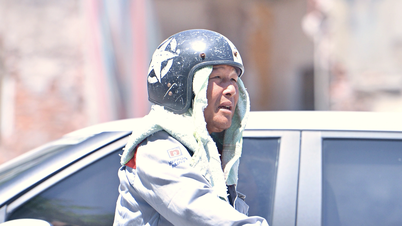
In urban areas, summer is not just about the heat but also about heat radiation from the road surface, stuffy air, traffic jams, and pollution. According to the WHO, heat stress can cause dehydration, exhaustion, headaches, lethargy, weakness, and an increased risk of accidents.
In parallel, air pollution also affects mental health. Studies show that exposure to pollution combined with heat increases stress and anxiety, reduces concentration, and causes significant fatigue. When traveling long distances in this environment, the body is subjected to multiple pressures simultaneously, making fatigue more likely to become prolonged.
Solutions to protect your health against 5 factors that cause fatigue in summer.
According to Associate Professor, Doctor of Pharmacy Nguyen Tuan Dung, circadian rhythm disorders, micronutrient deficiencies, lack of exercise, mental stress, and urban environmental pollution are considered the five main factors leading to prolonged fatigue in many adults, especially during the summer months. Therefore, to protect both physical and mental health, in addition to a balanced diet, maintaining a regular lifestyle, and incorporating exercise , daily micronutrient supplementation is also a good habit.
One of the familiar choices for many people when wanting to improve their health is ginseng. Since ancient times, ginseng has been proven to have the ability to nourish and support overall health. In modern lifestyles, dietary supplements containing ginseng extract, combined with various vitamins and minerals, have become an optimal choice.
According to research, G115 ginseng has been proven through 20 clinical studies to enhance stress adaptation and improve brain function. This effect is further reinforced when combined with 18 essential vitamins and minerals. This micronutrient system participates in important biochemical reactions, helping to boost metabolism and improve immunity. When combined, G115 ginseng and 18 vitamins and minerals will both improve chronic stress and strengthen immunity, protecting the body against fatigue-causing factors.

Combining a balanced diet with appropriate micronutrient supplements can help maintain stable energy levels during the summer.
The combination of micronutrients and bioactive compounds in a single formula can contribute to supporting energy metabolism processes, thereby aiming to help improve chronic fatigue rather than just short-term symptoms.
In the long term, maintaining a habit of supplementing with G115 ginseng along with 18 types of vitamins and minerals, combined with a healthy diet and lifestyle, will create a self-protective shield for the body, supporting and strengthening the natural immune system, helping the body adapt better to environmental changes and fatigue-causing factors, thereby maintaining abundant energy every day.
Huyen My
Source: https://suckhoedoisong.vn/vi-sao-mua-he-de-khien-co-the-met-moi-hon-169260504220049138.htm

































































































Comment (0)