

How can we effectively prevent herniated discs?
Causes of herniated discs
A herniated disc occurs when one or more discs located between the vertebrae are damaged. The nucleus pulposus (the gel-like substance inside the disc) then protrudes from its original position, compressing the spinal cord or nerve roots within the spinal canal.
This condition causes typical symptoms such as localized pain, numbness, sensory disturbances, and even pain radiating down the buttocks, thighs, or legs. If left undetected and untreated, it can lead to limited mobility, muscle atrophy, or more serious complications.
Prolonged sitting is a leading risk factor for herniated discs.
Prolonged sitting is one of the common causes of herniated discs, especially among office workers, students, or those with sedentary jobs.
When sitting for long periods, especially in an incorrect posture, the spine is prone to curvature, causing the lower back to sag. This increases pressure on the vertebrae, potentially even higher than when standing.
Prolonged pressure causes the intervertebral disc to be constantly compressed and tends to be pushed backward. Over time, the outer fibrous capsule of the disc ruptures, allowing the nucleus pulposus to escape, causing a herniation.
The intervertebral discs do not have a direct blood vessel supply; they primarily absorb nutrients through body movement. When sitting for long periods with little change in posture, this metabolic process is disrupted.
As a result, the intervertebral discs suffer from malnutrition, gradually degenerate, lose elasticity, and become more vulnerable to damage under pressure.
Prolonged sitting weakens the muscles in the back, buttocks, and abdomen, reducing their ability to support the spine. Simultaneously, muscles become stiff and lose flexibility, increasing the risk of injury during sudden movements.
Heavy labor is also a dangerous "culprit" causing herniated discs.
Besides prolonged sitting, improper heavy labor is also a leading cause of herniated discs.
When carrying heavy objects or overexerting oneself, pressure on the spine increases suddenly. If the posture is incorrect, such as bending over or twisting the spine, this force will be concentrated on the intervertebral discs, easily causing rupture of the fibrous capsule.
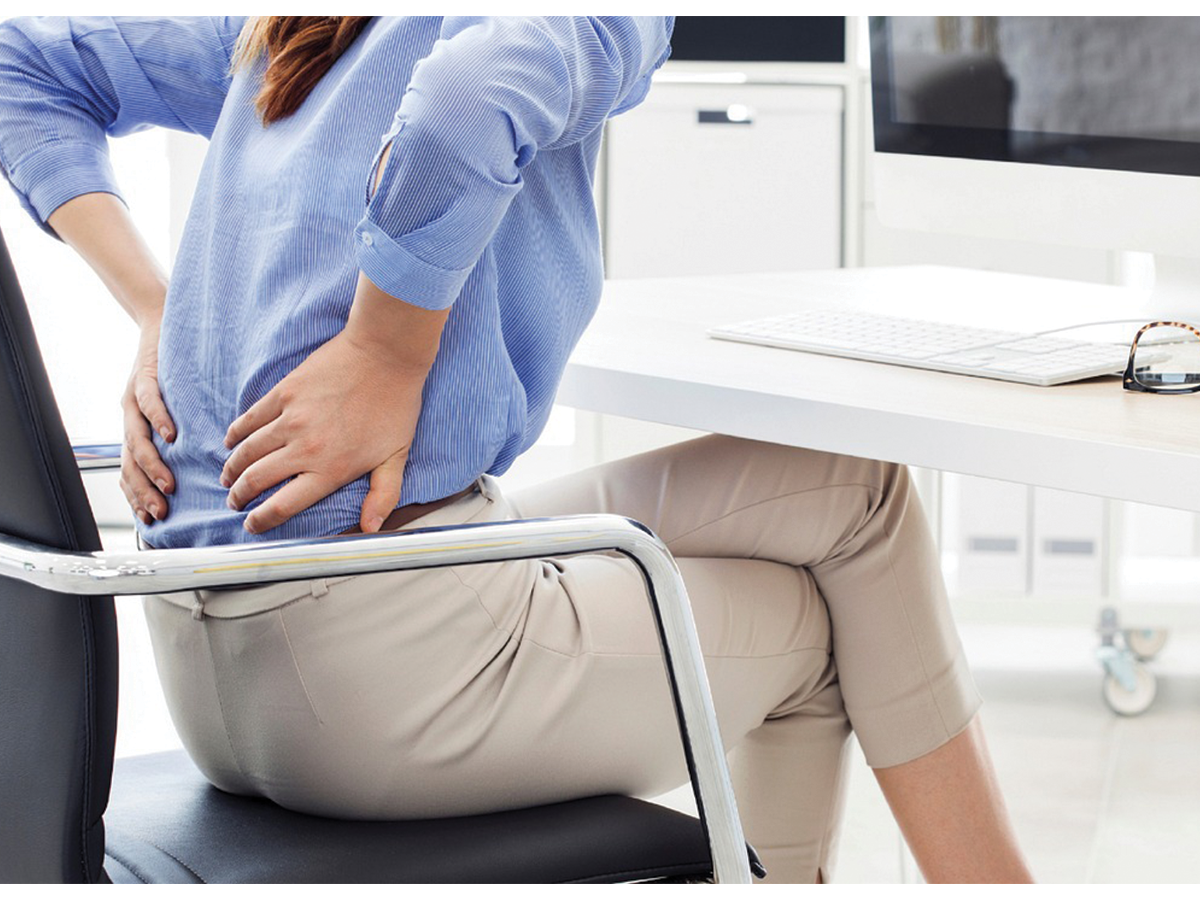
Prolonged sitting is one of the common causes of herniated discs, especially among office workers.
Early warning signs of a herniated disc.
Herniated discs often develop silently, but the body still sends out early warning signs. Patients should be aware of the following symptoms:
- Dull or severe back pain, especially after prolonged sitting or strenuous activity;
- Numbness or tingling in the buttocks, thighs, or down the legs;
- Muscle weakness, difficulty moving, unsteady gait;
- Pain increases when coughing, sneezing, or changing position;
In severe cases, there may be urinary dysfunction or decreased sensation in the limbs.
When these symptoms appear, patients should go to a medical facility for timely examination and treatment to avoid dangerous complications.
How can we prevent herniated discs?
The good news is that herniated discs are completely preventable if you maintain a healthy lifestyle and pay attention to your daily habits.
- Maintain correct posture during daily activities and work.
Posture plays a crucial role in protecting the spine. When sitting at work, you should: Keep your back straight and your shoulders relaxed; place your feet at a right angle to the floor; position your computer screen at eye level; avoid bending over or twisting your spine; and also avoid sitting or standing for too long. Every 30–60 minutes, stand up and do some light exercise to reduce pressure on your spine.
- Exercise regularly
Proper exercise helps strengthen muscles, improve tendon flexibility, and reduce strain on the spine.
Exercises such as walking, swimming, yoga, or core-strengthening exercises are very beneficial in preventing herniated discs.
- A scientifically sound diet
Adequate nutrition helps maintain healthy bones and joints. It's necessary to supplement: calcium and vitamin D to increase bone density; protein to maintain muscle mass; and micronutrients such as magnesium, zinc, and B vitamins. At the same time, alcohol, fatty foods, and processed foods should be limited as they can negatively impact bone and joint health.
- Work and labor properly.
When lifting heavy objects, you should: Keep your back straight; Bend your knees instead of bending your back; Keep the object close to your body; Avoid sudden twisting movements.
If your job requires frequent lifting and carrying, you should use assistive devices to reduce the strain on your spine.
- Regular health check-ups
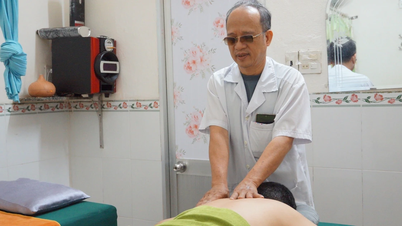
Regular health checkups every six months help detect spinal problems early. This is especially important for high-risk individuals such as office workers and those engaged in heavy labor.
In summary: Herniated discs are not only a disease of the elderly but are becoming increasingly common among younger people due to sedentary lifestyles. Therefore, everyone needs to proactively change their habits, especially reducing the amount of time spent sitting continuously, maintaining physical activity, and taking proper care of their spine.
Prolonged sitting is not the only cause, but it is a significant risk factor for herniated discs. When combined with poor posture, lack of exercise, or heavy labor, the risk of developing the condition increases even further.
Prevention isn't too difficult, but it requires persistence and changes in small daily habits. A healthy spine is the foundation for a more active and higher-quality life.
Source: https://suckhoedoisong.vn/ngoi-lau-de-mac-thoat-vi-dia-dem-169260417110615841.htm



![[Photo] General Secretary and President To Lam presides over a meeting on preparations for the review of one year of operation of the three-tiered government system.](https://vphoto.vietnam.vn/thumb/1200x675/vietnam/resource/IMAGE/2026/06/02/1780391821195_a1-bnd-4595-9717-jpg.webp)

















































































Comment (0)