

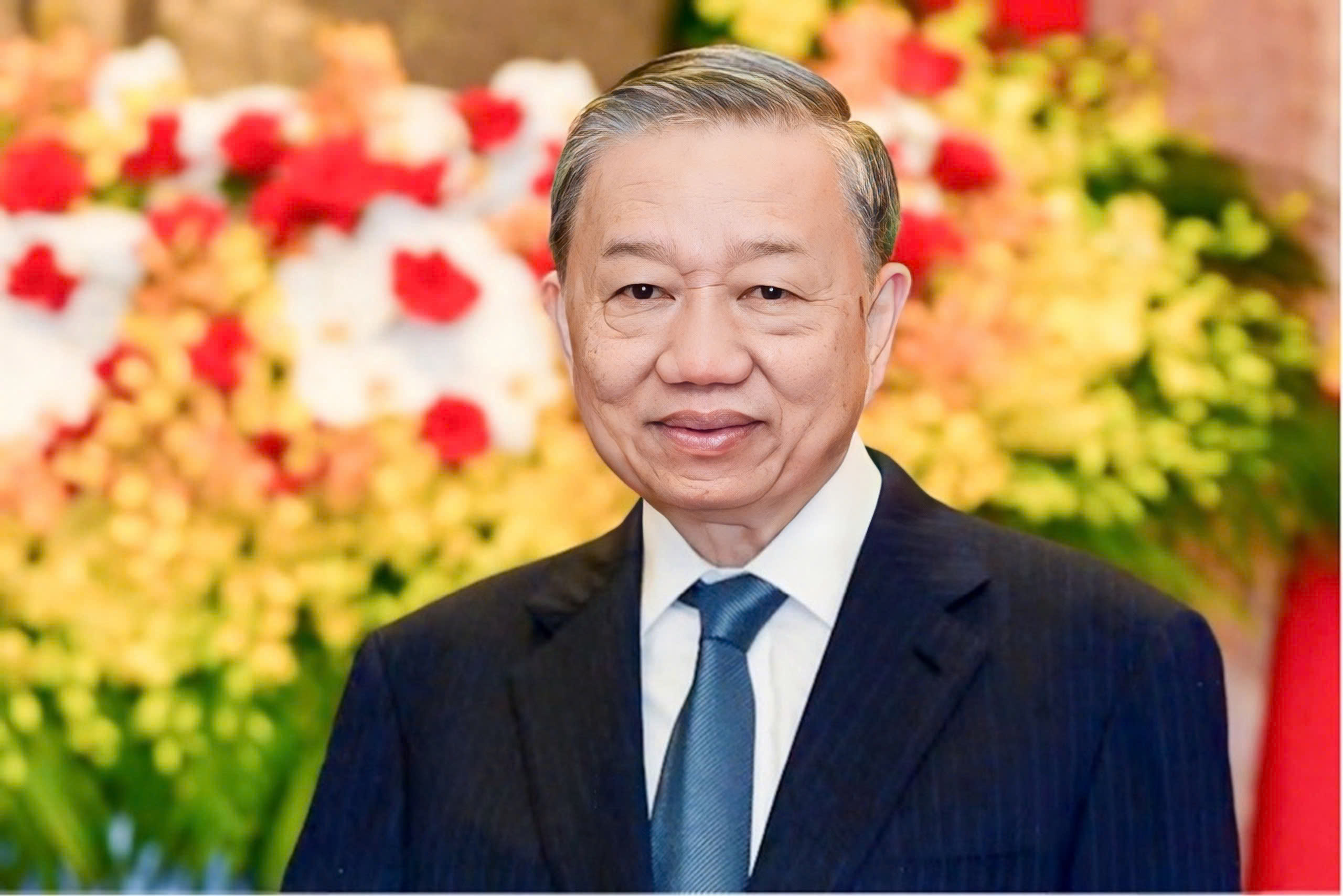
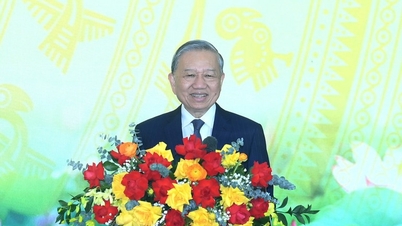
General Secretary To Lam - Photo: NAM TRAN
Looking back at the history of our country's revolution, integration and development have always been closely linked to the changes of the times. From the very beginning of the nation's founding, in a letter to the United Nations, President Ho Chi Minh clearly stated Vietnam's desire to be friends with all countries, expressing the wish to "implement an open-door policy and cooperate in all fields." This can be considered the first "declaration" on the approach of the Democratic Republic of Vietnam to the international community.
Integration has been a guiding principle throughout the history of the Vietnamese revolution.
The idea of "combining national strength with the strength of the times" has been creatively applied by our Party over the past 80 years, always linking our revolution with the progressive trends of the times and the common cause of humanity.
Entering the period of reform, our Party determined that in order to achieve peace and development, we must open up to the outside world and cooperate with other countries, with international integration being the highest form and level of development of international cooperation.
In other words, international integration means "placing the country in the mainstream of the times, beating in sync with and breathing the same rhythm as the times," increasing its strength through connection with the world.
The Party has set forth the policy of international integration, firstly economic integration, and secondly comprehensive integration, in order to open up and expand relations with countries and international organizations, to take advantage of external resources for socio-economic development and to enhance the role and position of the nation, bringing Vietnam into the world political arena, the international economy and human civilization.
Our country is entering an era of striving for prosperity and strength, aiming for "a wealthy people, a strong nation, democracy, fairness, and civilization," which demands a new mindset, position, and new approaches to international integration.
The issuance of Resolution 59-NQ/TW dated January 24, 2025, by the Politburo on "International Integration in the New Situation" is a "breakthrough decision," marking a historic turning point in the country's integration process, positioning international integration as a crucial driving force for the nation to enter a new era.
In this context, international integration shifts from receiving to contributing, from deep integration to full integration, from the position of a lagging nation to a rising nation, pioneering in new fields.
Strengthening our position through international integration.
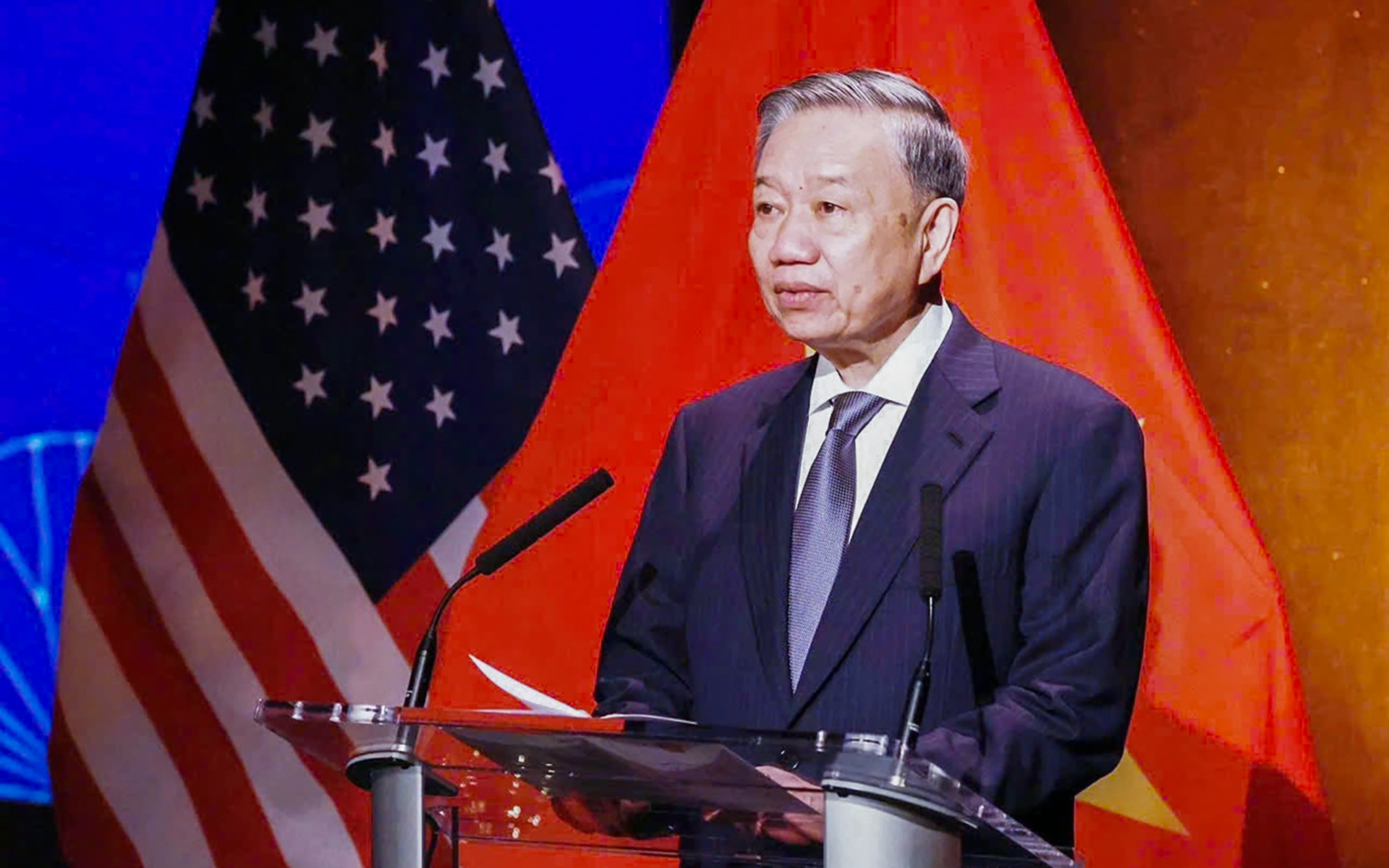
General Secretary and President To Lam speaks at the ceremony commemorating the first anniversary of the upgrading of relations to a Comprehensive Strategic Partnership in New York (USA) on September 22 - Photo: VNA
Our Party has identified international integration as a crucial strategy to consolidate our political position, promote economic development, ensure national security, and enhance the country's influence on the world map.
International integration has gradually developed through different periods, from limited, selective, ideologically-oriented integration and initial purely economic integration to the current "deep, comprehensive international integration".
The Ninth Party Congress was the first to put forward the policy of "international economic integration". The Eleventh Party Congress marked a shift in thinking from "international economic integration" to "international integration in all fields".
Resolution No. 22-NQ/TW on international integration, dated April 10, 2013, of the Politburo, is a concretization of the international integration policy with the principle of "proactive and positive international integration".
Most recently, at the 13th National Congress of the Party, this strategic orientation was once again developed and refined into "proactive, positive, comprehensive, deep, and effective international integration."
During 40 years of reform, Vietnam's process of international integration has achieved significant results of historical importance.
From a country once surrounded and isolated, Vietnam has established diplomatic relations with 194 countries worldwide, has strategic partnerships and comprehensive partnerships with 34 countries, including all permanent members of the United Nations Security Council and major powers; is an active member of over 70 regional and international organizations, and has developed deep and substantive political, defense, and security relations.
From a poor, backward, low-level economy, surrounded and embargoed, Vietnam has become one of the 34 largest economies in the world, with its economic size increasing nearly 100 times compared to 1986, and per capita income rising from under $100 to nearly $5,000.
Participation in multi-layered international economic cooperation and linkage agreements, especially the 17 free trade agreements (FTAs), has connected Vietnam with more than 60 key economies, enabling deeper involvement in global production and supply chains. This has placed Vietnam among the top 20 countries with the largest trade volume in the world; it has been among the top 20 economies attracting the most foreign investment globally since 2019, and is one of the top 10 countries with the largest remittances in the world.
Challenges of international integration in the new era
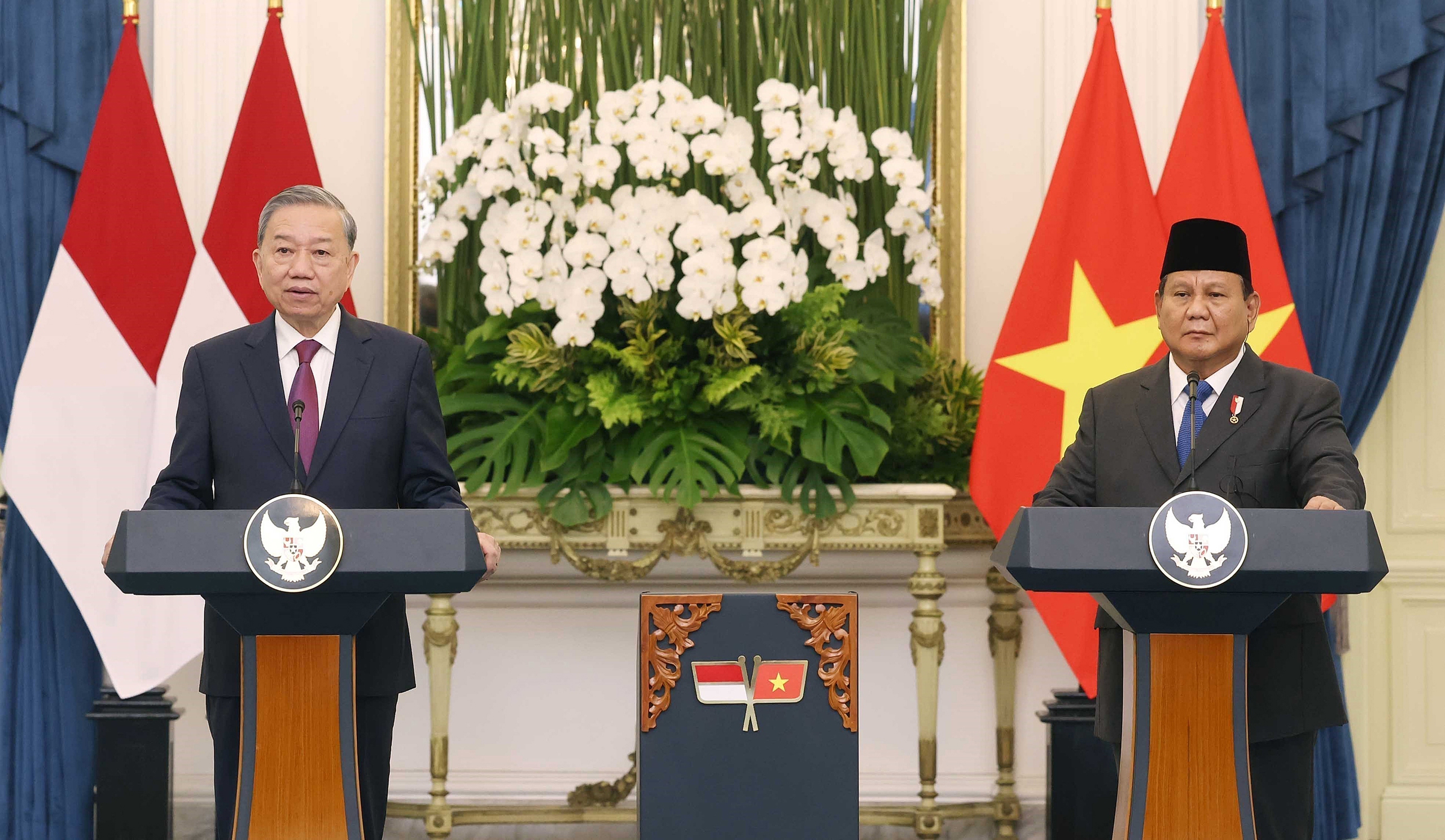
General Secretary To Lam and Indonesian President Prabowo Subianto speak to the press, announcing the upgrading of Vietnam-Indonesia relations to a Comprehensive Strategic Partnership - Photo: VNA
However, viewed comprehensively, seriously, and objectively, the results of implementing international integration policies still have some shortcomings, failing to achieve the set goals and meet development requirements. In particular, many existing limitations, barriers, and bottlenecks are hindering development.
International integration brings many opportunities, but also numerous challenges and negative consequences such as: unfair competition, unsustainable growth, widening gap between rich and poor, environmental pollution, the risk of "deviation," "cultural invasion," "self-evolution," "self-transformation," and "erosion of trust" within the country…
The world is facing fundamental, epochal changes, profoundly transforming in all aspects under the impact of major shifts in politics, economics, culture, society, and science and technology.
The period from now until 2030 is the most crucial time for shaping and establishing a new world order. These changes are creating a more multifaceted international environment, opening up great opportunities as well as many significant challenges for the country.
During the transitional period between the old and the new, small and medium-sized countries are often placed in a passive position, unable to adapt quickly. In this transition, if they fail to keep pace with the world, identify and seize opportunities to position their country in the right direction of the times over the next 10 or 20 years, the risk of falling behind will be more real than ever.
The current era's strengths lie in global political, economic, and social trends such as peace, cooperation, and development; the democratization of international relations; sustainable development; and economic cooperation and integration. It is also the strength of a consensus-based international community in building and consolidating a multipolar, multicentered, democratic, just, and equal world based on international law, and especially the scientific and technological revolution that is opening up boundless opportunities for development based on human knowledge and potential.
Historic decisions are needed.
Facing a historical juncture, the nation needed historic decisions. Inheriting established values, Resolution 59 seized the flow of contemporary power and "elevated" international integration with revolutionary, groundbreaking, nationalistic, scientific, and contemporary perspectives.
First and foremost, along with national defense and security, "strengthening foreign relations and international integration" is a crucial and ongoing task. The key and ongoing principle in international integration is to leverage external resources and favorable conditions for the goal of protecting the homeland and developing the country from an early stage and from afar; ensuring the highest national interests and best interests of the people.
Secondly, in terms of understanding, international integration must be the undertaking of the entire people and the entire political system, under the leadership of the Party and the management of the State. The people and businesses are the center, the subjects, the driving force, the main force, and the beneficiaries of the benefits of international integration. Integration must be carried out while preserving national identity; integration and assimilation should not lead to assimilation.
Thirdly, international integration must be based on the decisive role of internal strength, increasing internal strength while simultaneously leveraging external resources.
Internal strength is the primary resource, the root of power, and therefore must always be fostered to ensure proactiveness, independence, and self-reliance. At the same time, it is necessary to maximize the utilization of all external resources to combine with and supplement internal strength. A seamless integration of national strength and the strength of the times will create the strength of Vietnam in this era of progress.
Fourth, international integration is a process of both cooperation and struggle, "cooperation to struggle and struggle to cooperate. Emphasis is placed on the partner aspect, limiting the adversary aspect." At the same time, it respects the fundamental principles of the United Nations Charter and international law.
In the process of integration, we must demonstrate the true spirit of "active and responsible partnership" with the international community, being ready to contribute to the common efforts of the region and the world.
Fifth, international integration must be "synchronous, comprehensive, and far-reaching," in which all sectors are closely linked and complement each other within an overall strategy, with a focus on key areas and a suitable roadmap and steps.
8 decisive solutions for international integration in the new era.
We are facing the need for a revolution with strong, comprehensive reforms for development.
Together with the "spirit of innovation" regarding the organizational structure of the political system in Resolution No. 18; the "breakthrough thinking" on the development of science, technology, innovation, and national digital transformation in Resolution 57; and the orientation on international integration as an "action manual" in Resolution 59, these will create a "strategic trio" centered on "Long-term stability - Sustainable development - Improved living standards" as outlined by the Party.
In the current revolutionary phase, we need to implement the following directions decisively and effectively:
Firstly, new ways of thinking, understanding, and acting in international integration must be thoroughly instilled and put into practice.
Accordingly, the understanding that proactive, comprehensive, in-depth, and effective international integration is a major strategic direction of the Party, and an important driving force for national development and defense, achieving social progress and equity, protecting the environment, and preserving and promoting national cultural identity, needs to be unified from the central to local levels, to every organization, every citizen, and every enterprise.
The Party and State's guidelines and policies on international integration, as well as the requirements, tasks, opportunities, rights, responsibilities, and obligations of Vietnam in international integration, need to be thoroughly disseminated and understood throughout the Party, the people, and the armed forces.
Secondly, economic integration is identified as the central focus, and integration in other fields must facilitate economic integration, with the top priority being restructuring the economy, innovating the growth model, and promoting digital transformation.
Focus on sectors with advantages and potential, prioritizing the mobilization of resources for key areas and projects such as strategic infrastructure in transportation and energy, including high-speed rail, highways, seaports, and airports; nuclear power plants, wind power, and solar power; and reducing emissions and achieving carbon neutrality to avoid waste and maximize efficiency, especially in the context of digital transformation and the current Industry 4.0 revolution.
It is necessary to effectively utilize international economic commitments, agreements, and linkages, especially new-generation FTAs, to strengthen the intertwining of interests and avoid dependence on a few partners.
Improving domestic institutions is crucial for enhancing the capacity to implement international commitments and agreements.
Develop appropriate and specific mechanisms and policies to promote the attraction of high-quality FDI, especially in emerging and important sectors that are new drivers of labor productivity growth, such as information technology, telecommunications, semiconductor chips, and artificial intelligence…
There should be appropriate policies to encourage foreign investors to transfer technology, management expertise, and professional skills to Vietnamese businesses and workers. Vietnamese businesses should be encouraged to invest and operate effectively abroad, building national brands with international reach.
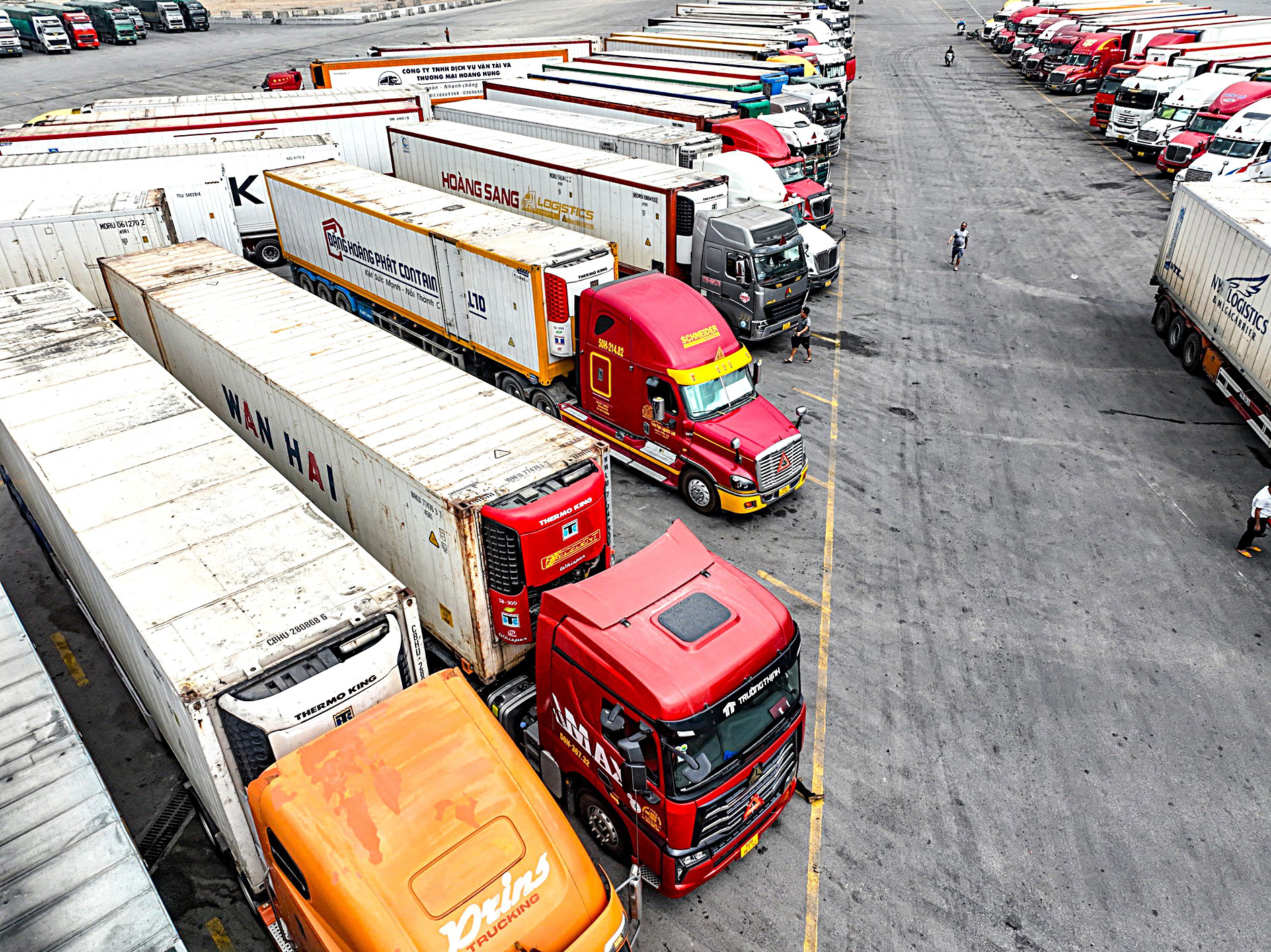
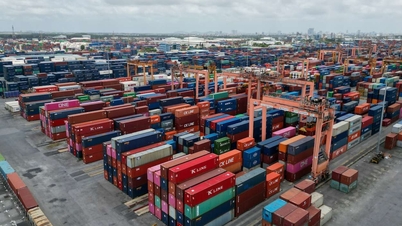
Container trucks carrying agricultural products wait for customs procedures at the Bao Nguyen parking lot in the Tan Thanh border gate area (Lang Son province), bordering China - Photo: NAM TRAN
Thirdly, integration in politics, security, and defense must aim to enhance the country's potential and position, and protect the homeland early, from afar, and before the country is in danger.
International integration must effectively leverage established networks of partnerships to increase political trust, secure resources for development, resolve outstanding issues peacefully, and strengthen cooperation based on respect for and adherence to international law.
Strengthening coordination with partners to effectively respond to traditional and non-traditional security challenges such as the South China Sea issue, water security, food security; combating pollution, epidemics, cybercrime, transnational crime…
With our new strength and position, we can rise to play a core, leading, and mediating role in appropriate areas; contribute more actively to international peacekeeping, search and rescue operations; diversify defense and security cooperation; and develop a self-reliant, self-sufficient, modern, and dual-use defense and security industry.
Fourth, science, technology, and innovation must be identified as the top priority breakthroughs, the driving force for the rapid development of productive forces, and the improvement of production relations in the spirit of Resolution 57.
Therefore, international integration in science, technology, and innovation must aim to bring domestic science and technology standards and regulations closer to advanced international standards and practices.
This will rapidly enhance national competitiveness, expand the country's development space, mobilize and leverage international resources, and strongly promote domestic resources to develop priority and cutting-edge industries, emerging industries, and innovative fields.
Fifthly, we must promote comprehensive integration in culture, society, tourism, environment, education and training, health, and other fields.
In terms of culture, integration must be linked to the preservation, promotion, and dissemination of national culture; developing cultural industries, content industries, and cultural products and brands with quality and global competitiveness.
In the field of healthcare, we will strengthen cooperation in research and the application of science in healthcare for the people, and develop several specialized medical centers of international standards to treat diseases according to the principle of "combining Eastern and Western medicine".
Regarding education and training, we will promote standardization, innovation, and improvement of the quality of education at domestic training institutions to be on par with regional and international standards. Regarding tourism, we will expand and diversify markets, focusing on potential markets with large numbers of tourists, high spending power, and long stays.
Regarding labor, we need to implement mechanisms for developing high-quality human resources, enhancing lifelong learning skills, and improving the capacity and productivity of the Vietnamese workforce. And most importantly, we need to build a strategy for developing Vietnamese people into a "generation of resilience," so that by 2045, young men and women in their late teens and early twenties will be able to stand shoulder-to-shoulder with their international peers, both intellectually and physically.
Sixth, overcome bottlenecks in the implementation of international commitments and agreements, and promote the improvement of institutions and policies.
This includes stepping up the review and domestication of international law to fully, comprehensively, and effectively implement our obligations and commitments. Organizations and associations must strengthen their monitoring of the implementation of policies, laws, and commitments on international integration.
Ministries, sectors, and localities must intensify efforts to implement international commitments and agreements. Simultaneously, they must institutionalize and concretize international integration strategies by sector and field, especially by developing and perfecting laws related to the green economy, digital economy, circular economy, energy transition, digital transformation, carbon emission reduction, and outer space.
Seventh, upholding the spirit of Resolution 18 on international integration, we must streamline specialized agencies to be lean, efficient, strong, modern, and professional.
The goal is to make these mechanisms more effective, creating a shift in the coordination of international integration implementation among all levels, sectors, localities, and individual citizens and businesses.
Considering personnel work as the "foundation," we must build a team of officials working on integration who possess high expertise and skills, are on par with international standards, and are capable of participating in mediation and dispute resolution. We must innovate and enhance the proactiveness and creativity of localities, people, and businesses in participating in international integration.
Ultimately, international integration is only successful when it becomes a conscious culture within all organizations, individuals, businesses, and localities; when it fosters the central role and active, proactive, and creative participation of the people, businesses, and localities in linking international and domestic integration, connecting regions and localities, connecting industries and sectors, and connecting research and development… to translate integration into concrete results.
Our President Ho Chi Minh creatively applied the idea of combining national strength with the strength of the times, finding the path to national salvation, leading Vietnam out of slavery, and regaining independence and freedom for the nation. In today's interdependent world, the development of each nation cannot be isolated, standing outside the influences of the world and the times, of the circumstances and the situation.
Following President Ho Chi Minh's example, we must keep pace with the world's developments, find a path to bring peace, stability, prosperity, development, and build a higher and more solid position for the country in the new era.
The country is facing a great opportunity to rise, but the challenges are also immense. The achievements of integration to date have contributed to accumulating strength and momentum for the next breakthrough. Continuing in that spirit, Resolution 59 marks a significant shift in the Party's thinking and orientation towards international integration in the coming period, creating momentum to propel the country towards the glorious pinnacle of independence, freedom, happiness, prosperity, and longevity.
Tuoitre.vn
Source: https://tuoitre.vn/vuon-minh-trong-ky-nguyen-hoi-nhap-quoc-te-day-thach-thuc-20250403094203634.htm#content-1

















































Comment (0)