

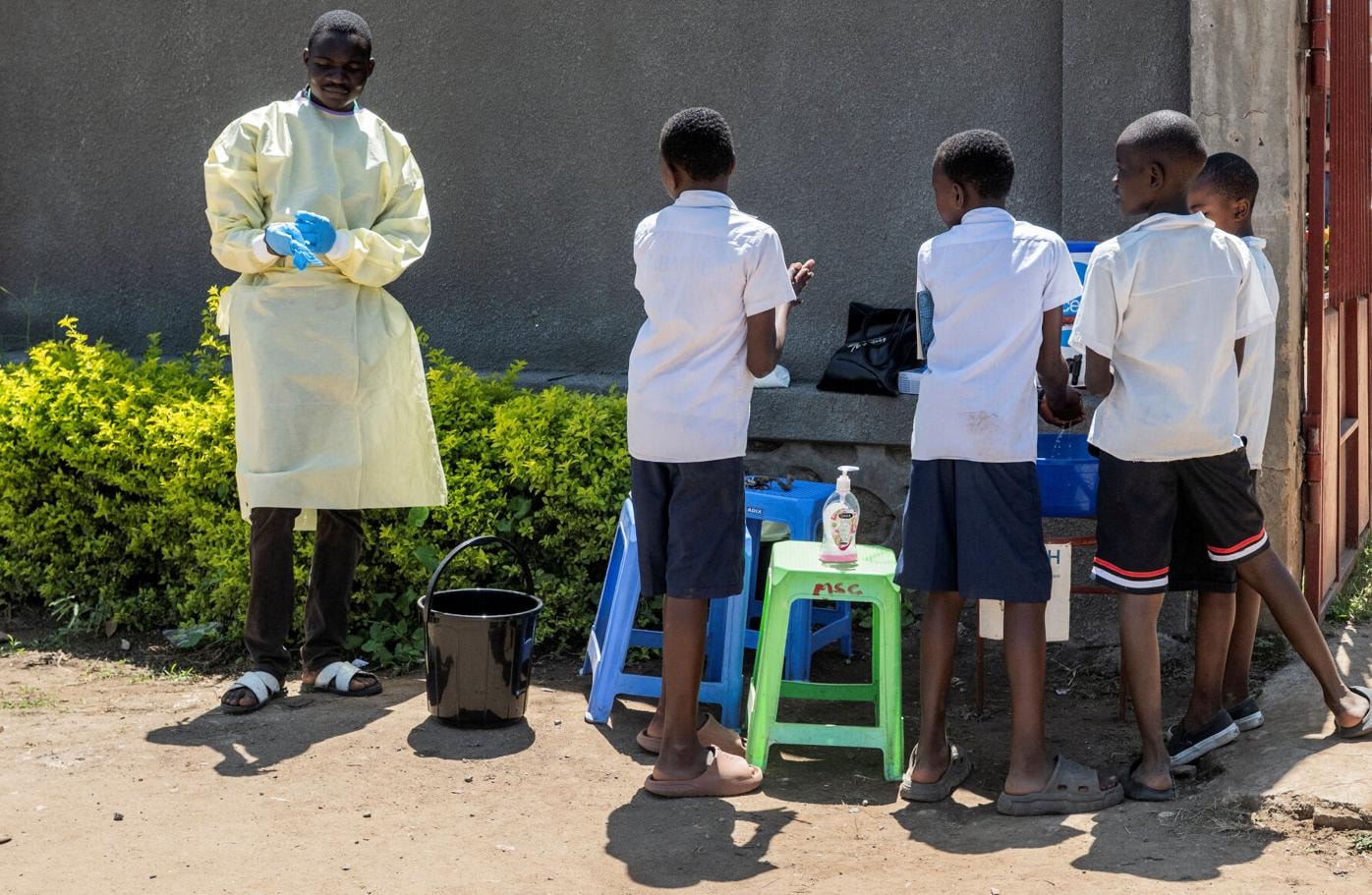
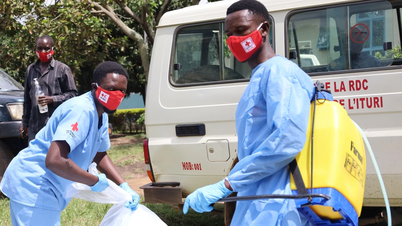
According to Reuters, so far, 82 cases have been confirmed in Congo, with 177 suspected deaths and nearly 750 suspected cases. The situation in Uganda is stable, with two confirmed cases among people returning from Congo, one of whom has died.
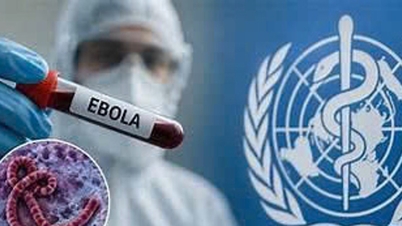
Notably, this Ebola outbreak is caused by the rare Bundibugyo strain, for which there is currently no approved vaccine or treatment. The WHO declared it an “international emergency” last weekend.
"The virus's ability to spread rapidly is very high, extremely high, and that has changed the whole landscape," Abdirahman Mahamud, Executive Director of the WHO's Health Emergency Alert and Response Unit, Reuters quoted him as saying.
Ebola prevention measures implemented in Uganda, including rigorous contact tracing and recommendations to avoid large gatherings, appear to have been effective in preventing the spread of the virus, according to WHO head Tedros Adhanom Ghebreyesus.
A US citizen working in Congo has been confirmed to have Ebola and has been transferred to Germany for treatment. WHO Chief Scientist Sylvie Briand stated that an antiviral treatment for Ebola called Obedesivir could be used for people exposed to Ebola to prevent infection.
Countries responding to and preventing Ebola
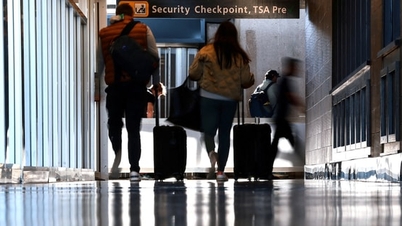
The Nation newspaper reported that Thailand is now stepping up Ebola screening for Thai tourists and foreigners arriving from Congo and Uganda. All must undergo health checks and travel history verification at Thai infectious disease control checkpoints.
First, health monitoring is required. Asymptomatic travelers are permitted to continue their normal activities, but public health officials will monitor their condition for 21 days. If no symptoms develop, the monitoring ends. If symptoms appear, the passenger will be transferred to an isolation ward at a hospital.
Similarly, Singapore is strengthening public health measures to prevent the entry of Ebola. Health advisories related to the disease are now displayed at all entry points into Singapore for arriving and departing travelers. Singapore requires arriving passengers to declare their health status and travel history on the country's electronic health card.
Additionally, Singaporean officials announced that travelers will have to undergo medical assessments at entry points if they exhibit symptoms consistent with Ebola and have traveled to affected areas, specifically Congo and Uganda, according to the Straits Times.
Meanwhile, the US announced it is screening airline passengers arriving from areas affected by the outbreak. It is also implementing entry restrictions for non-US passport holders who have traveled to Uganda, Congo, or South Sudan within the past 21 days.
In Europe, although authorities assess the risk to the population in the region as currently "very low," they recommend that member states strengthen their capacity for testing, isolation, contact tracing, and infection control.
Source: https://baodanang.vn/who-nang-canh-bao-dich-ebola-3337796.html

![[Photo] The courage of new recruits of Brigade 144 on the training ground.](https://vphoto.vietnam.vn/thumb/1200x675/vietnam/resource/IMAGE/2026/05/27/1779881651341_anh-man-hinh-2026-05-27-luc-18-32-52.png)

![[Photo] The heat at the fireworks display site on the opening night of the Da Nang International Fireworks Festival 2026](https://vphoto.vietnam.vn/thumb/1200x675/vietnam/resource/IMAGE/2026/05/27/1779889741485_ndo_br_z7872039145157-fecaba5112f39e8352544099d7ef4738-5140-jpg.webp)


















































![[Photo] The courage of new recruits of Brigade 144 on the training ground.](https://vphoto.vietnam.vn/thumb/402x226/vietnam/resource/IMAGE/2026/05/27/1779881651341_anh-man-hinh-2026-05-27-luc-18-32-52.png)

























Comment (0)